Khaya Ndlovu Safari Manor, Hoedspruit,South Africa
Dec 8 – Dec 12 2025
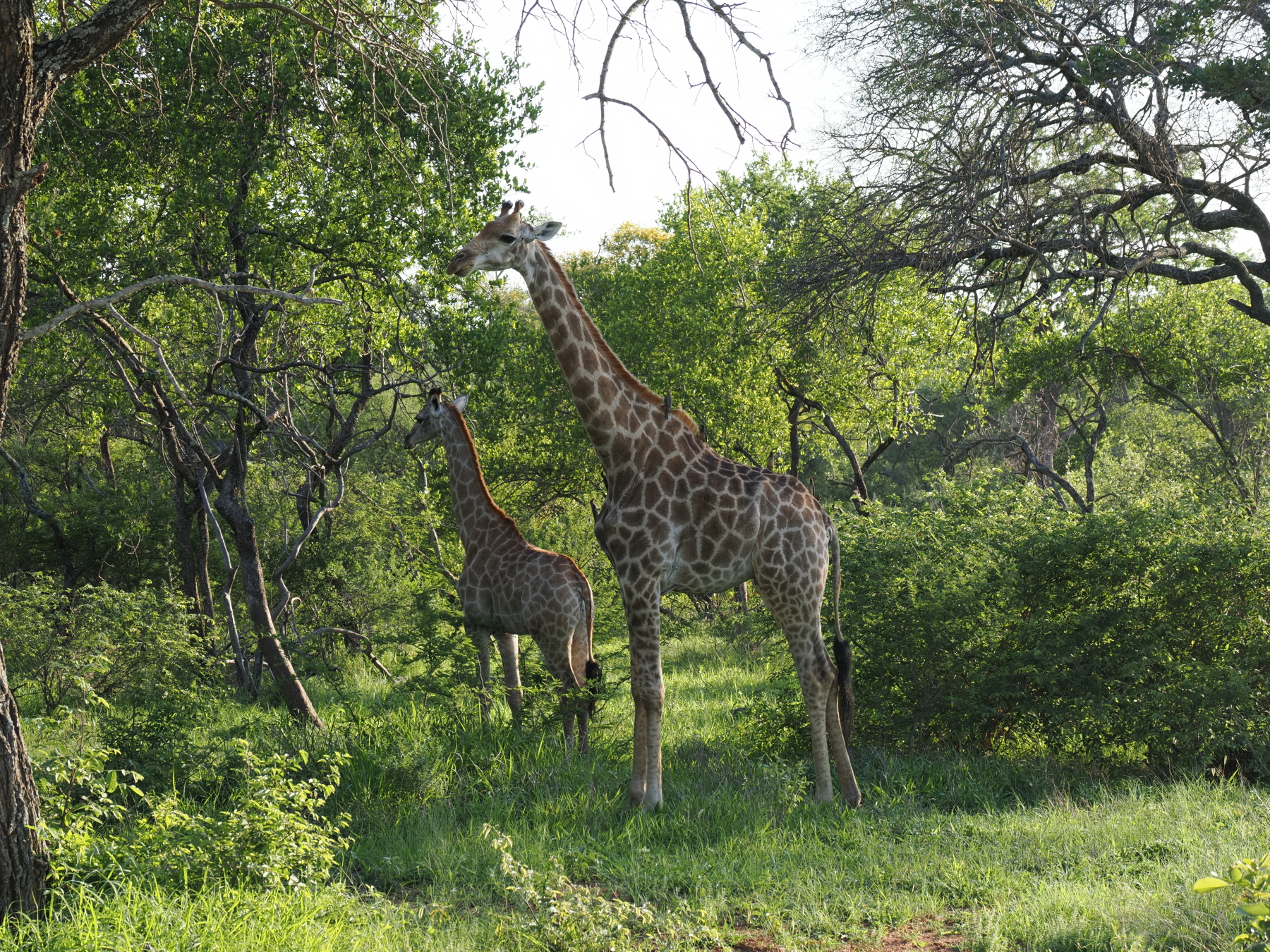
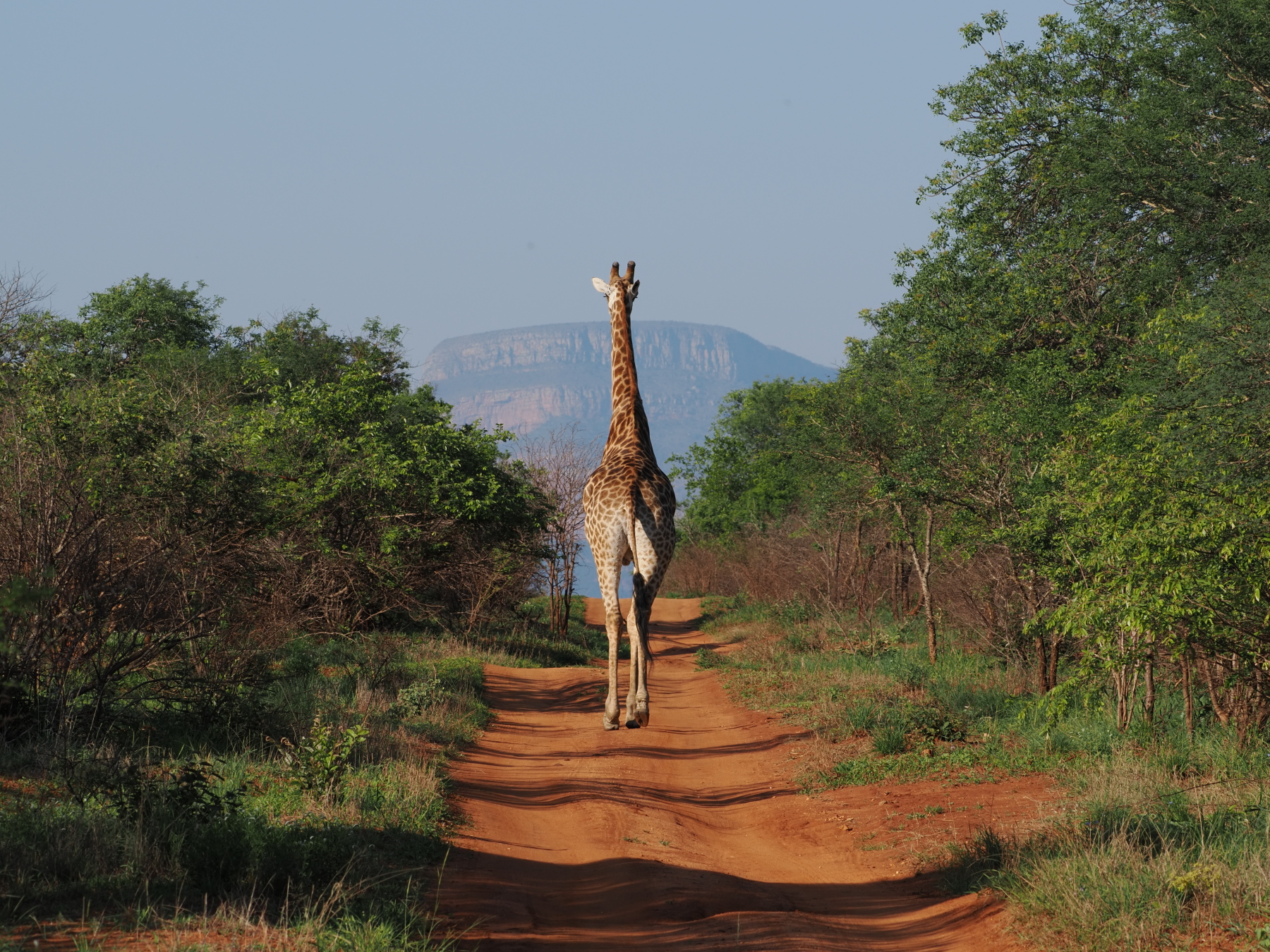
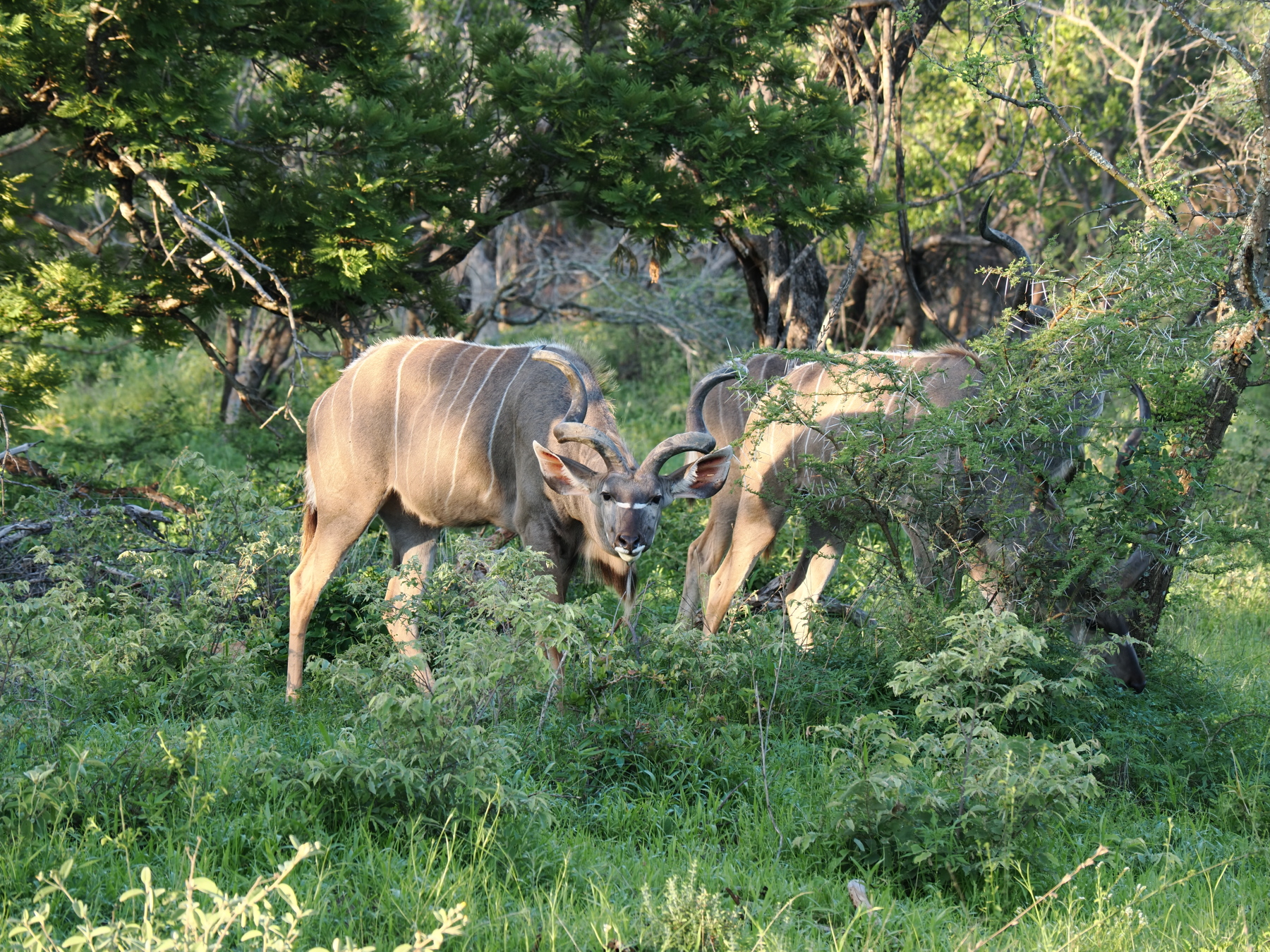
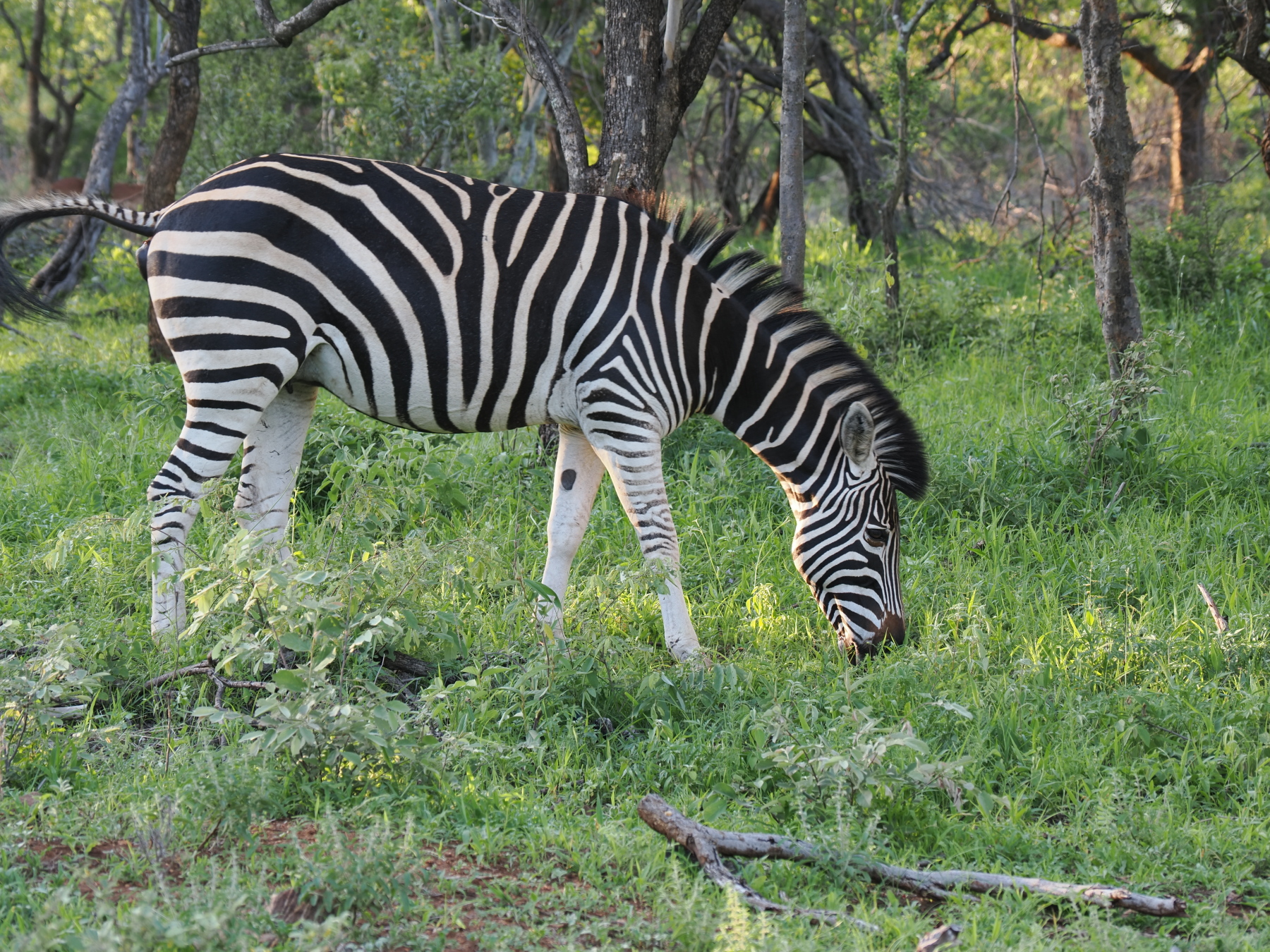
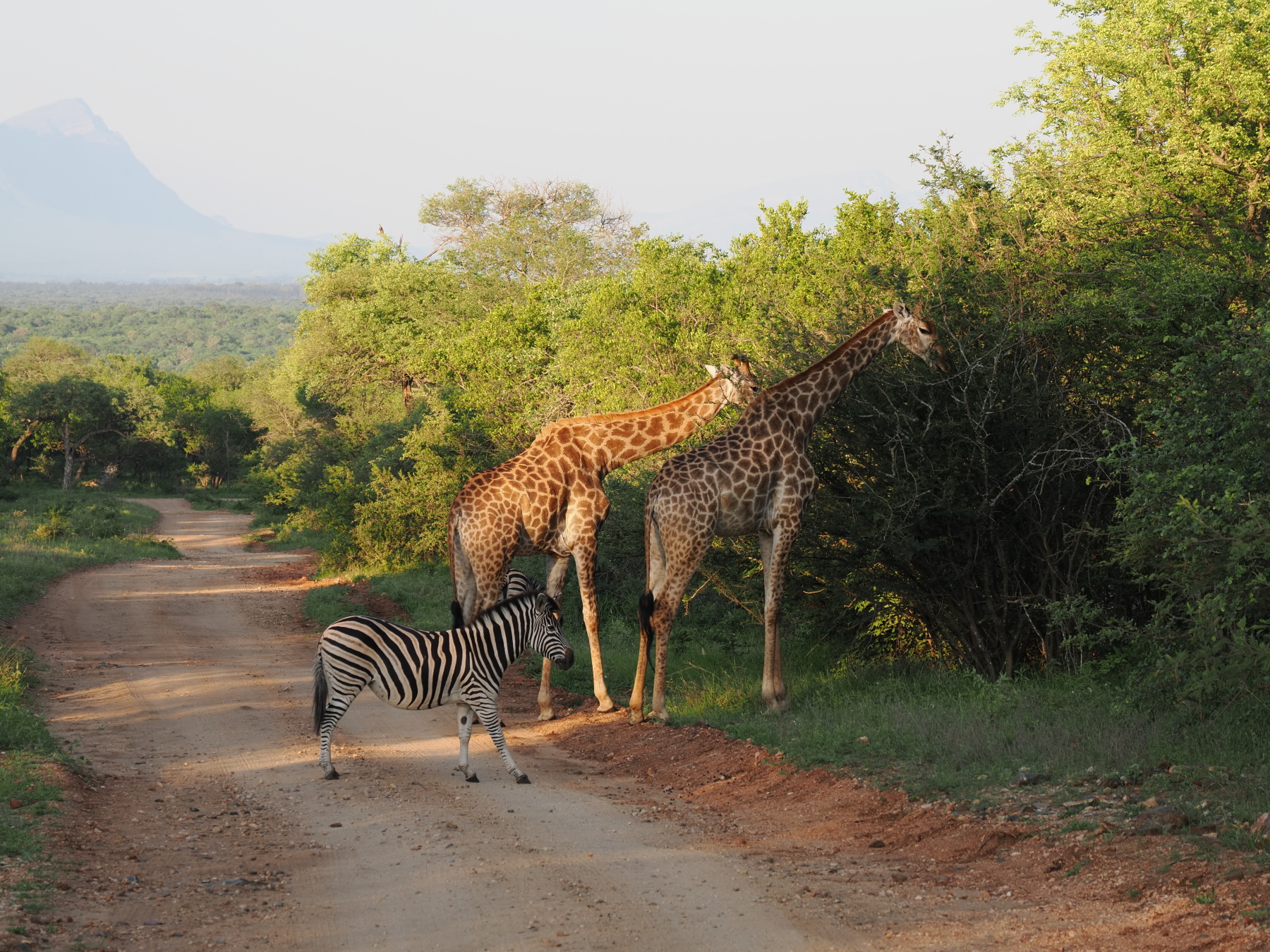
Khaya Ndlovu Safari Manor sits near Kruger National Park, within its own 5,500-hectare (13,500-acre) private nature reserve. Unlike the conservancies and parks we visited in Kenya and Tanzania, this reserve is fully enclosed by an electric fence. The larger animals—giraffes, lions, cheetahs, wildebeest, rhinos, elephants, zebras, kudu, and various impalas and gazelles—can’t leave, though smaller creatures can slip through or burrow under. Because it’s a closed ecosystem, wildlife populations are managed to keep everything in balance, though I’m not entirely sure how. Sammy, our guide, mentioned that some of the animals were brought in from other countries when the reserve was first established, so there must be a regulated wildlife trade to support this.
The manor itself is lovely, with sweeping views from the restaurant, the adjoining outdoor seating areas, and the infinity pool. The food has been excellent, the staff warm and attentive, and our air conditioned rooms very comfortable. We’re not glamping yet! Interestingly, the owner has been selling residential lots within the reserve, though not near the manor. Apparently about 35 lots exist, on which 24 houses have already been built. If safari life is your passion, you can literally live it every day.
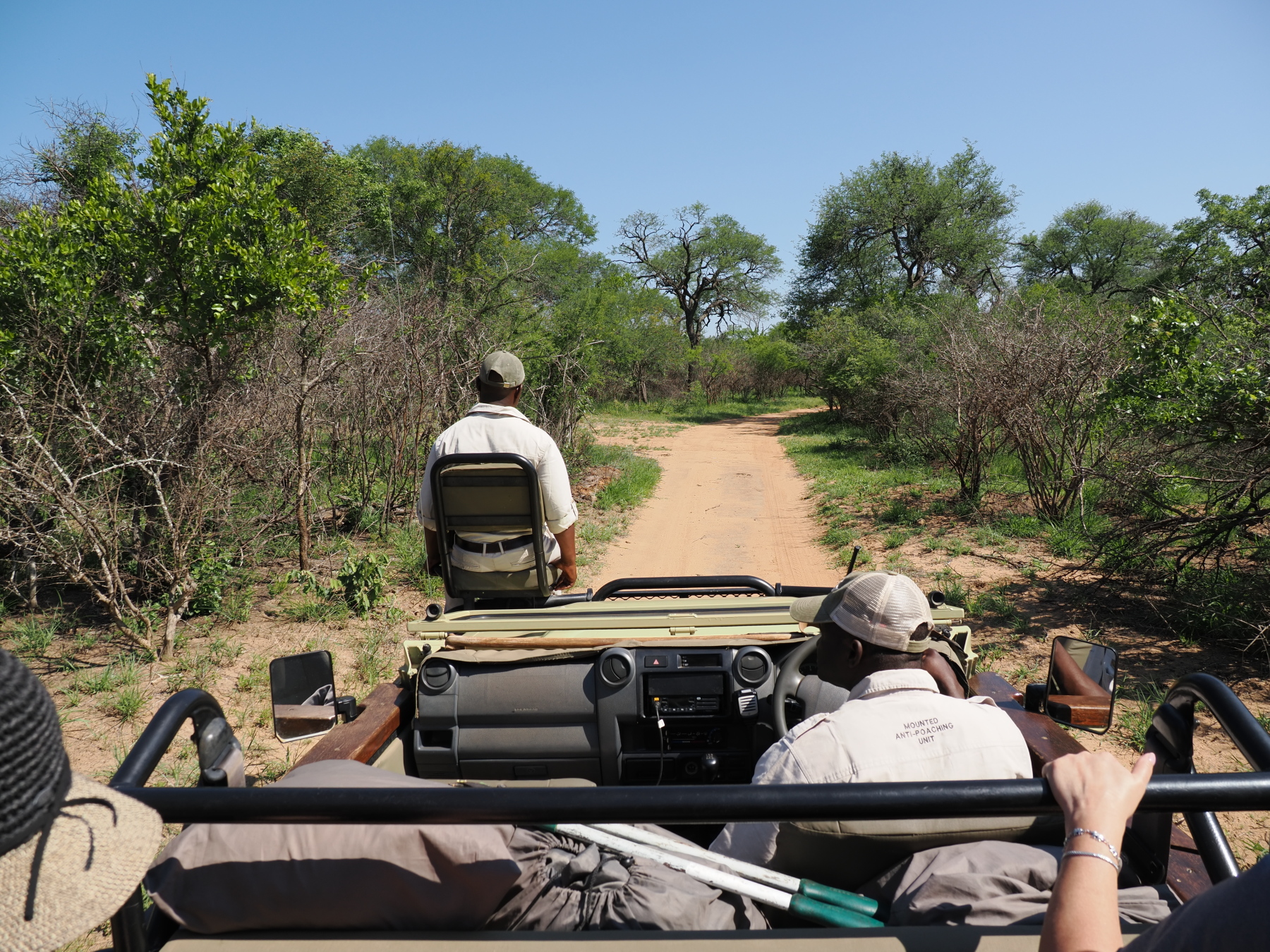
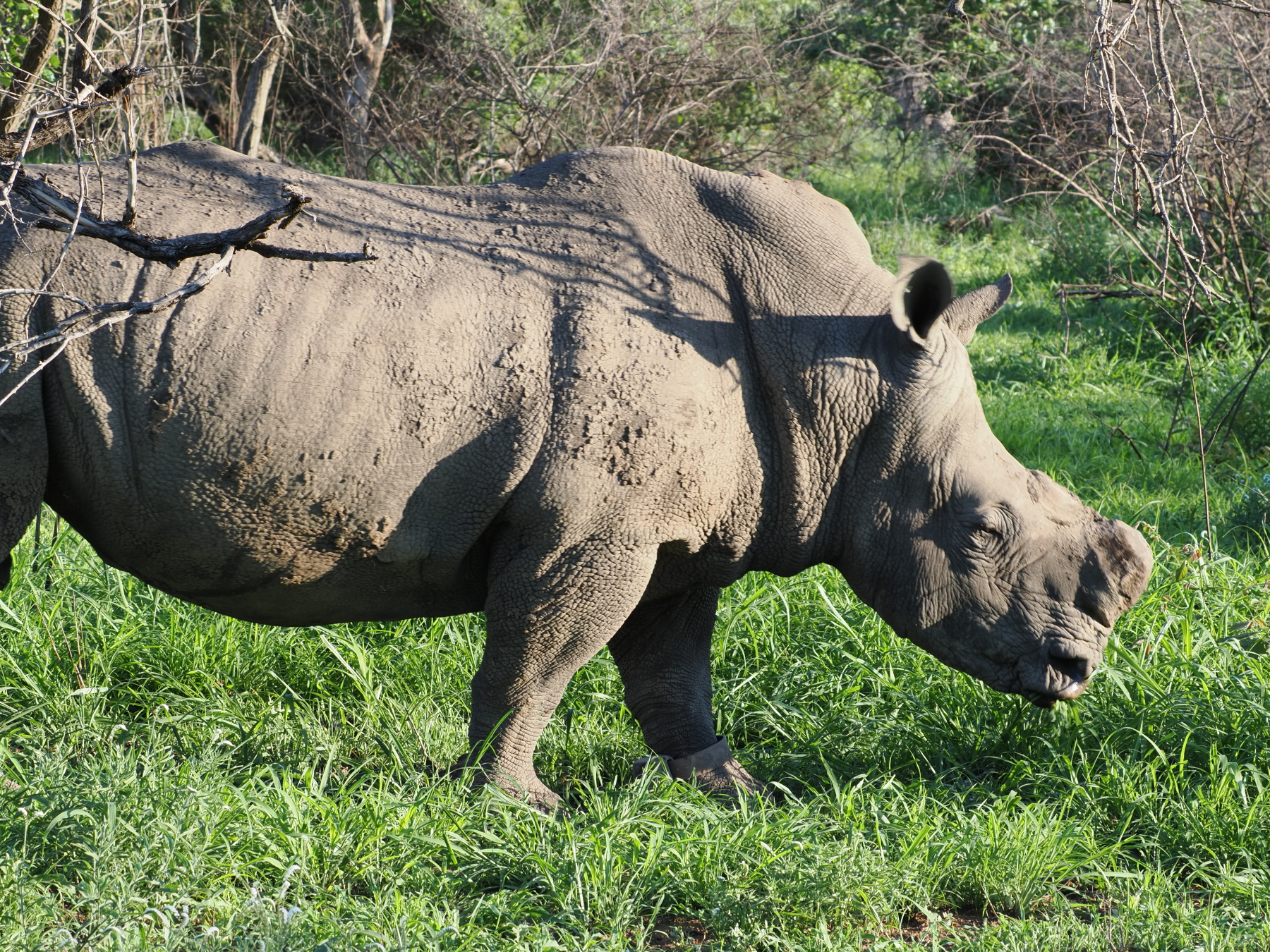
We’ve been doing both early-morning and late-afternoon game drives. Although I’m not fond of “ticking animals off a list,” we certainly saw plenty including our first close-up rhinoceros. The horns grow continually, so these particular rhinos have their horns trimmed every few years by local authorities, making them worthless to poachers and therefore much safer.
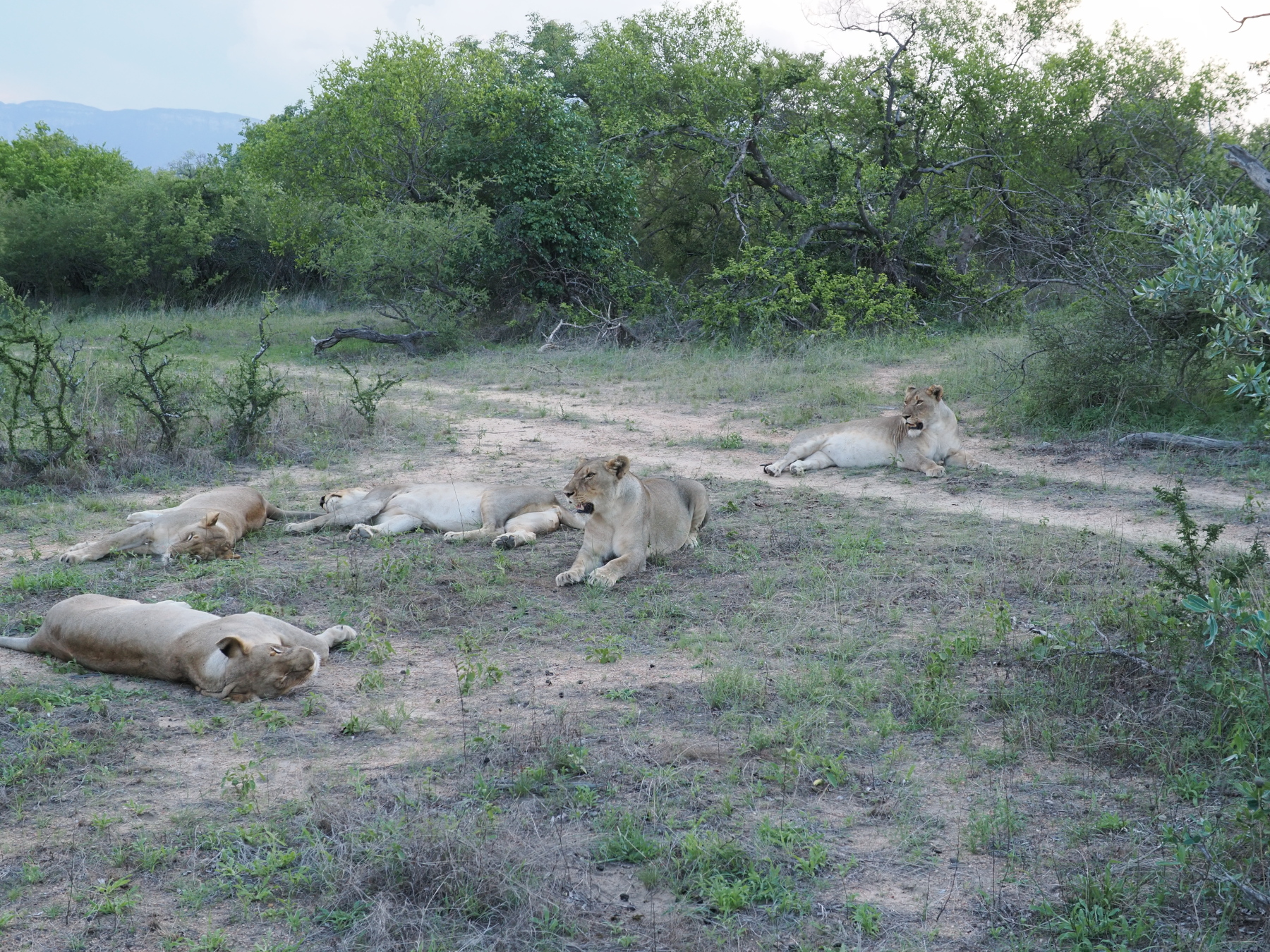
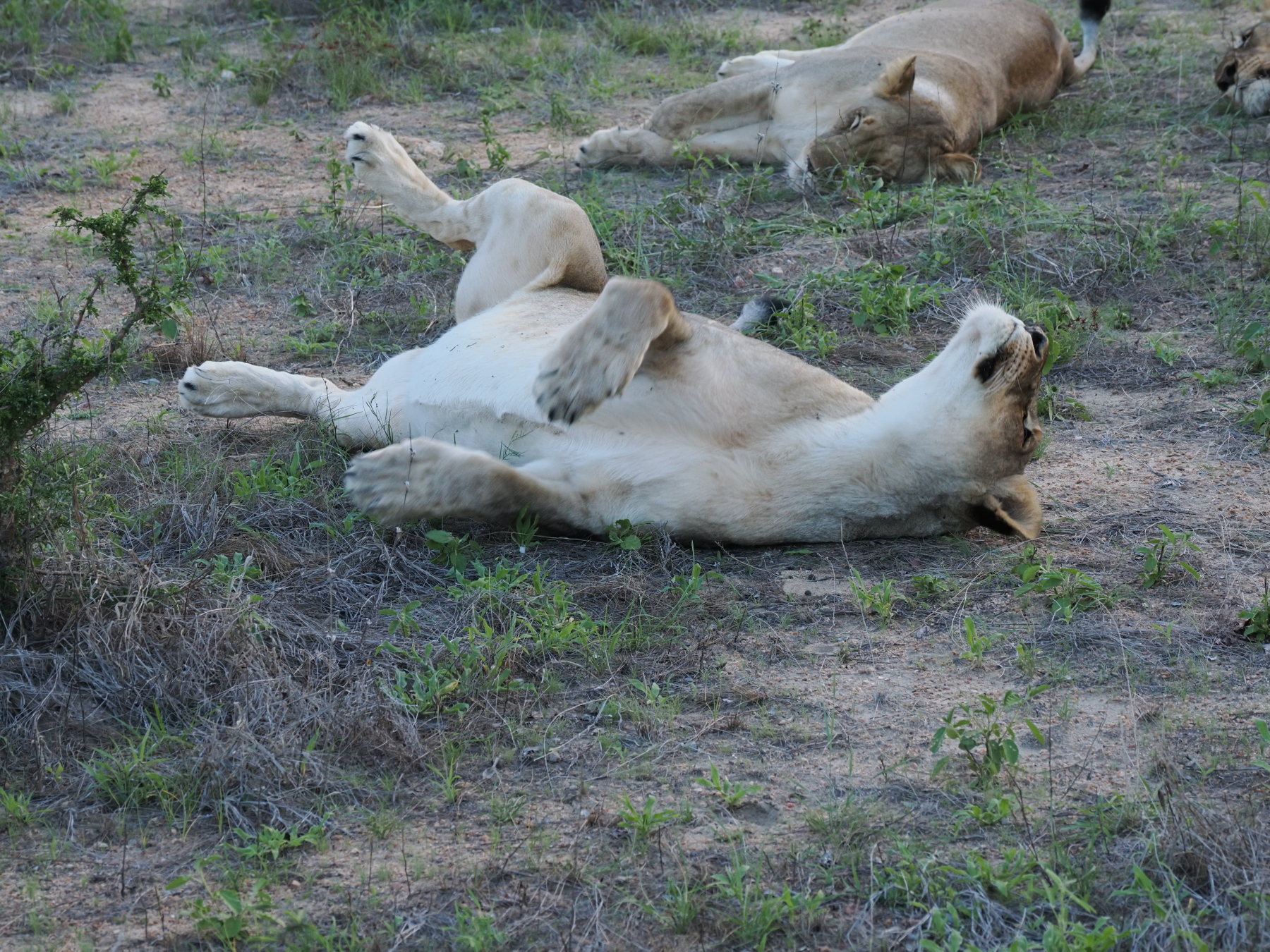
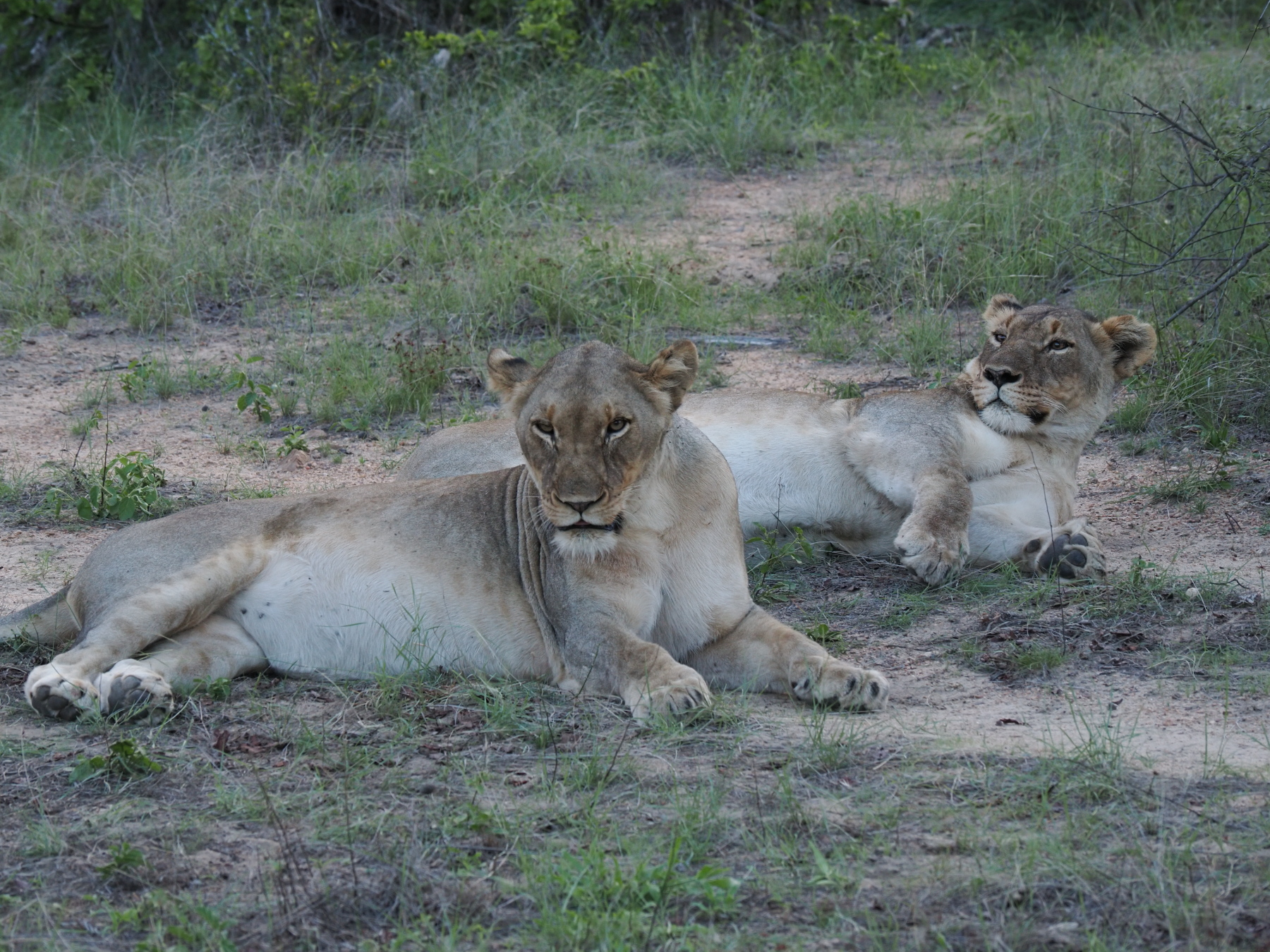
We also came upon a group of five lionesses that had recently taken down an adult giraffe. They had eaten so much that each one looked as though it couldn’t get comfortable, and they were regularly rearranging their lying position. Yet they were still unwilling to abandon the kill. The vultures perched in the nearby trees waiting patiently for their turn to feed, while thousands of flies swarmed the carcass. The stench was overpowering and the noise of the assembled flies was just a little less than a ‘jet plane’ reading on a dB meter.
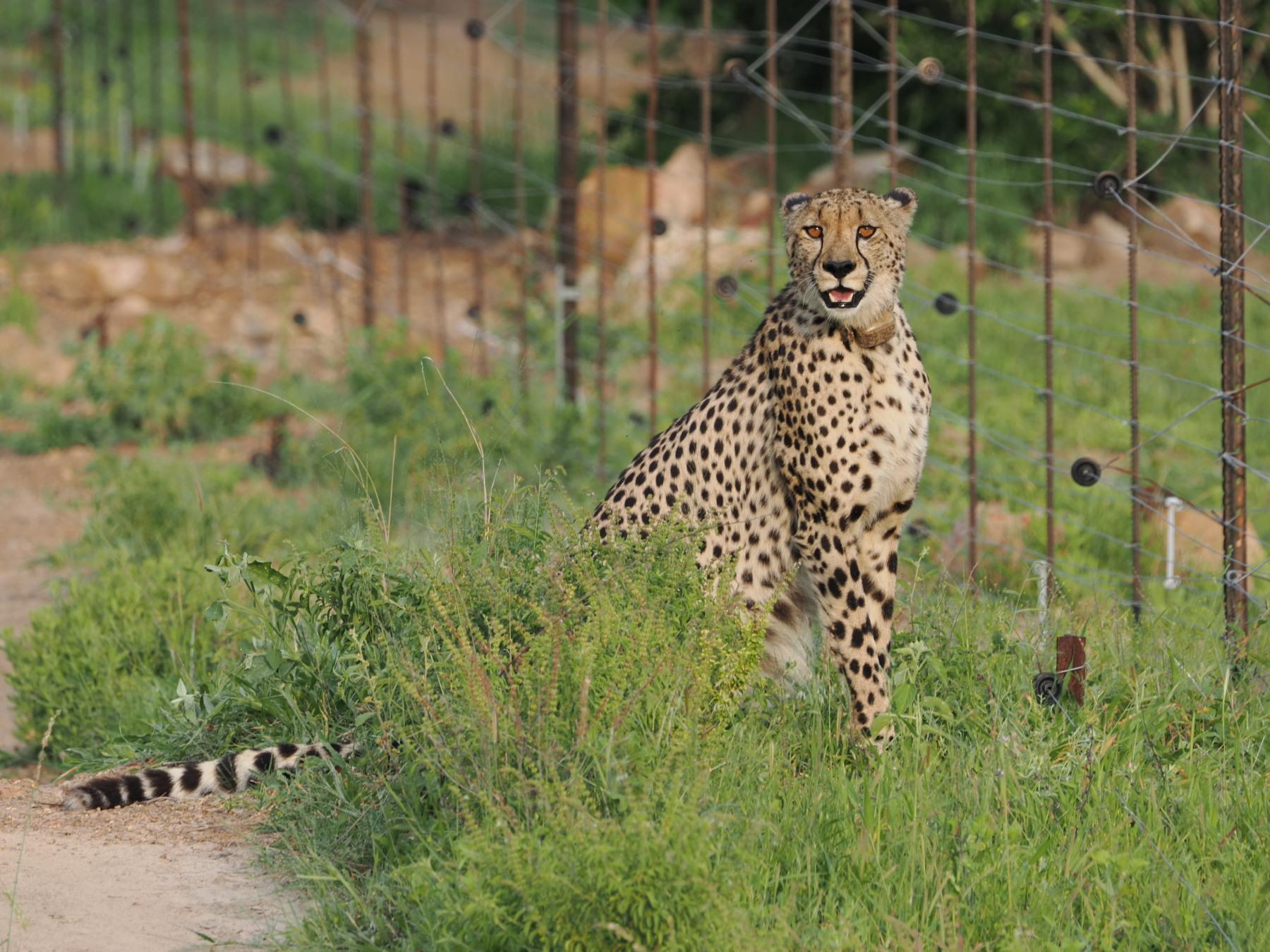
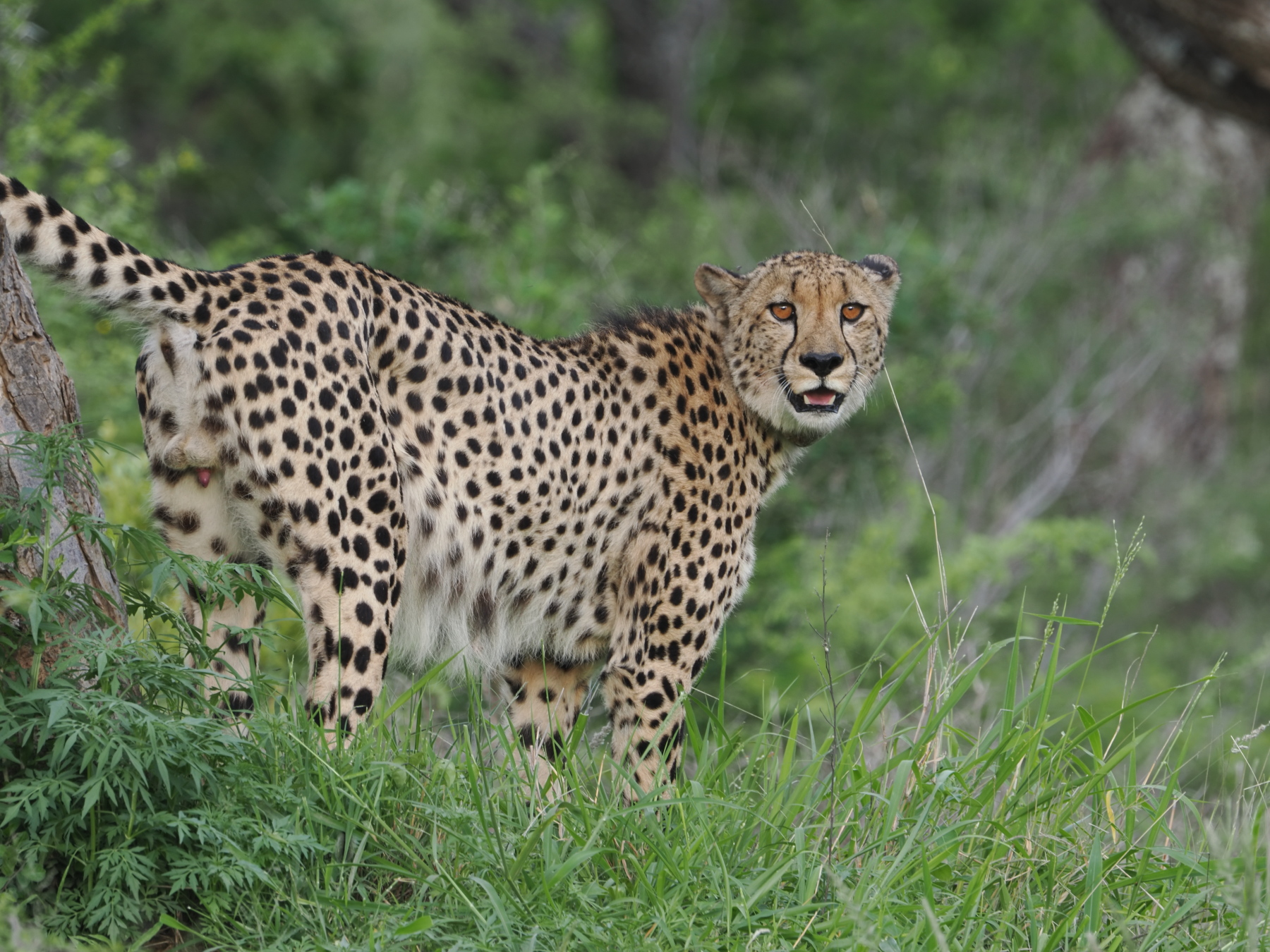
On an afternoon game drive, we spotted a cheetah staring forlornly through the electric fence. As we got closer, we realized the small animal it had been chasing must have thrown itself at the fence and forced the wires far enough apart to just squeeze through. Conditioned by growing up with the electric fence, and too big to fit through the small opening, the cheetah couldn’t follow. Who knew cheetahs had first world problems? To be fair, I think this is actually the first world causing cheetah problems.
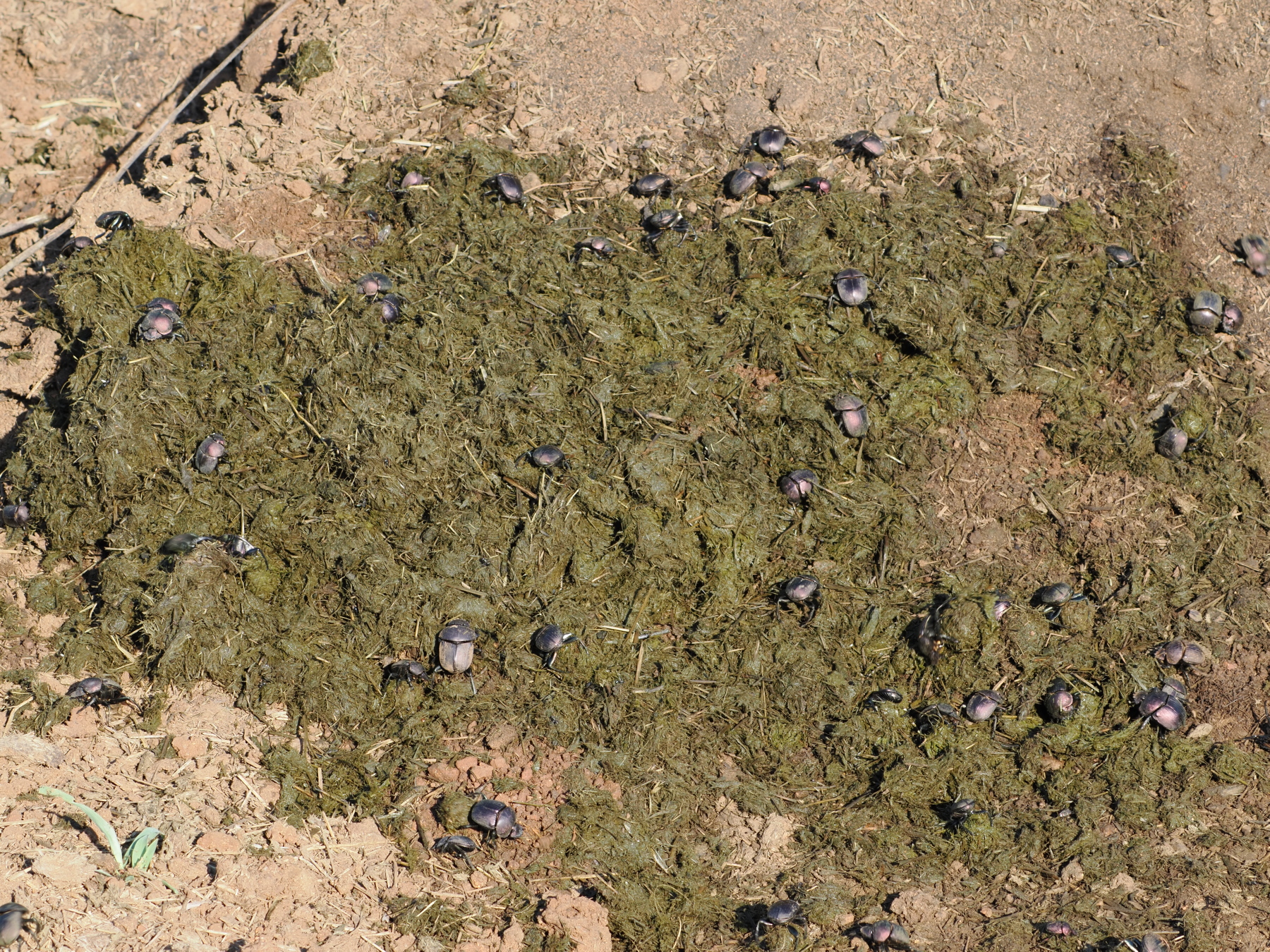
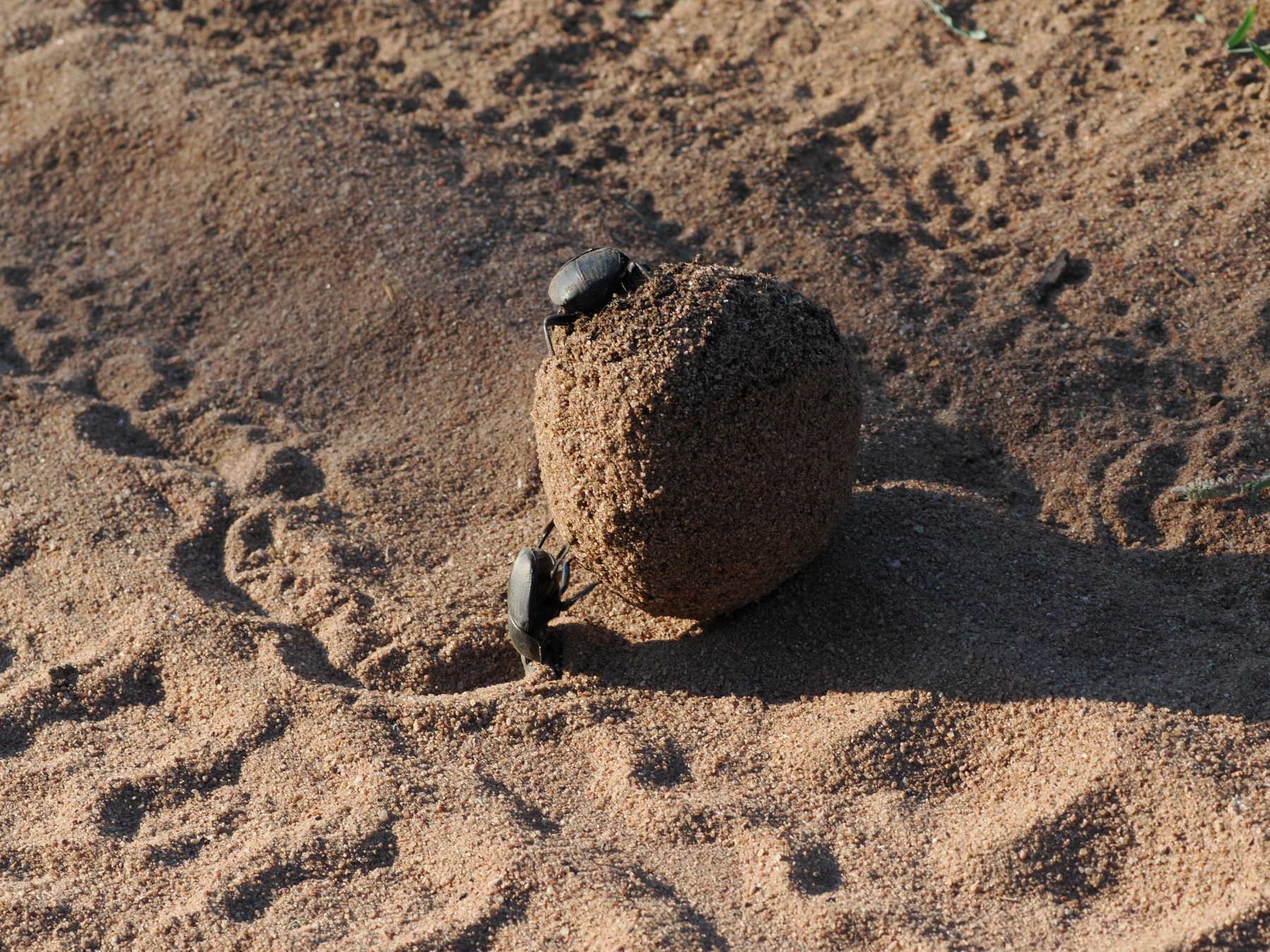
And of course, we are now re-acquainted with dung beetles – Heather’s favourite animal. The males find piles of elephant or rhino poop, roll the poop into a ball, and then roll it away. They attract a female that hangs onto the dung while its rolling. Larvae hatch and eat the dung, eventually turning into dung beetles again. Sarah took a video -note the male rolls the dung by pushing it upsidedown. i.e. its head is on the ground while its hind legs are rolling the ball of poop.
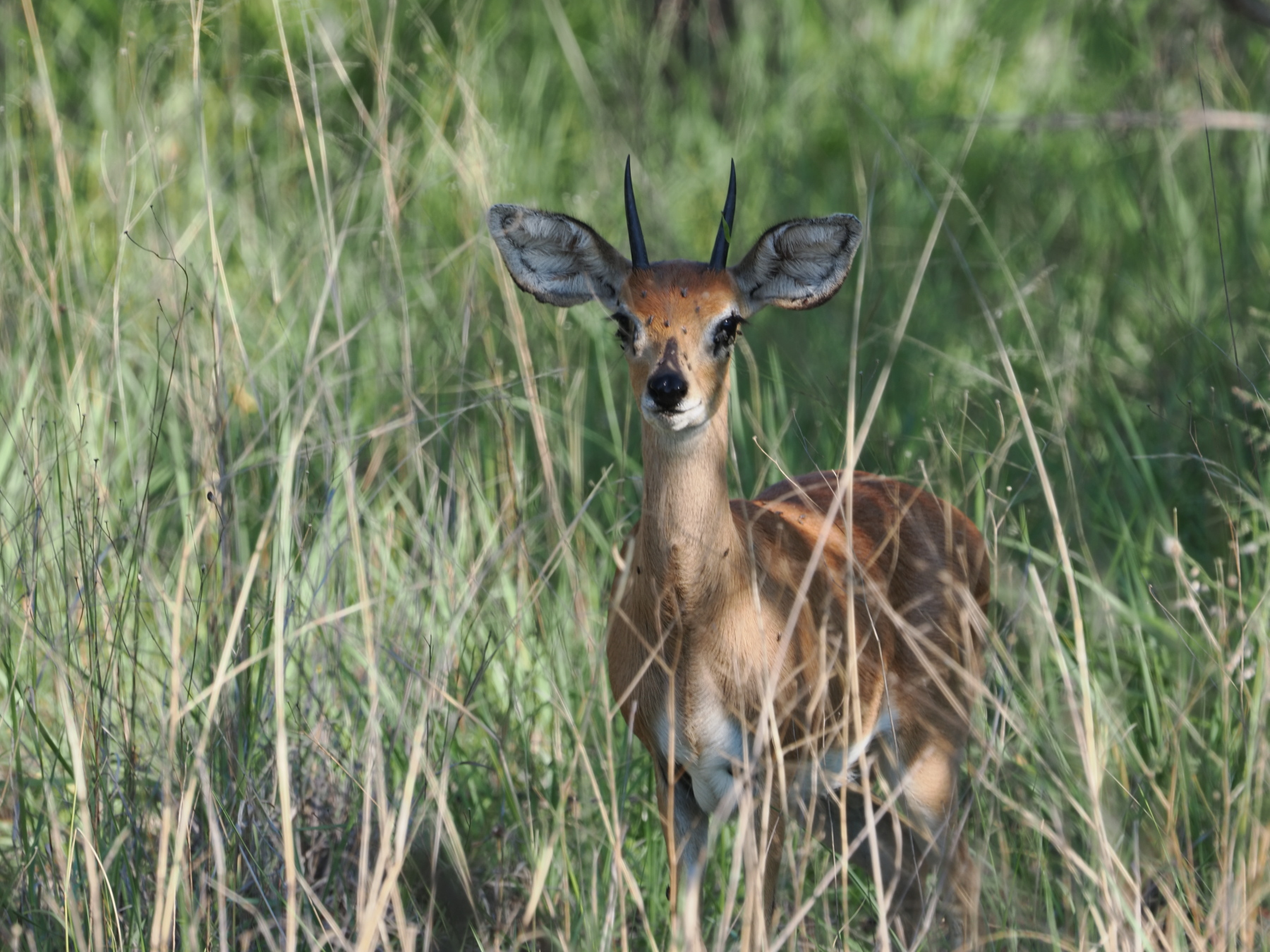
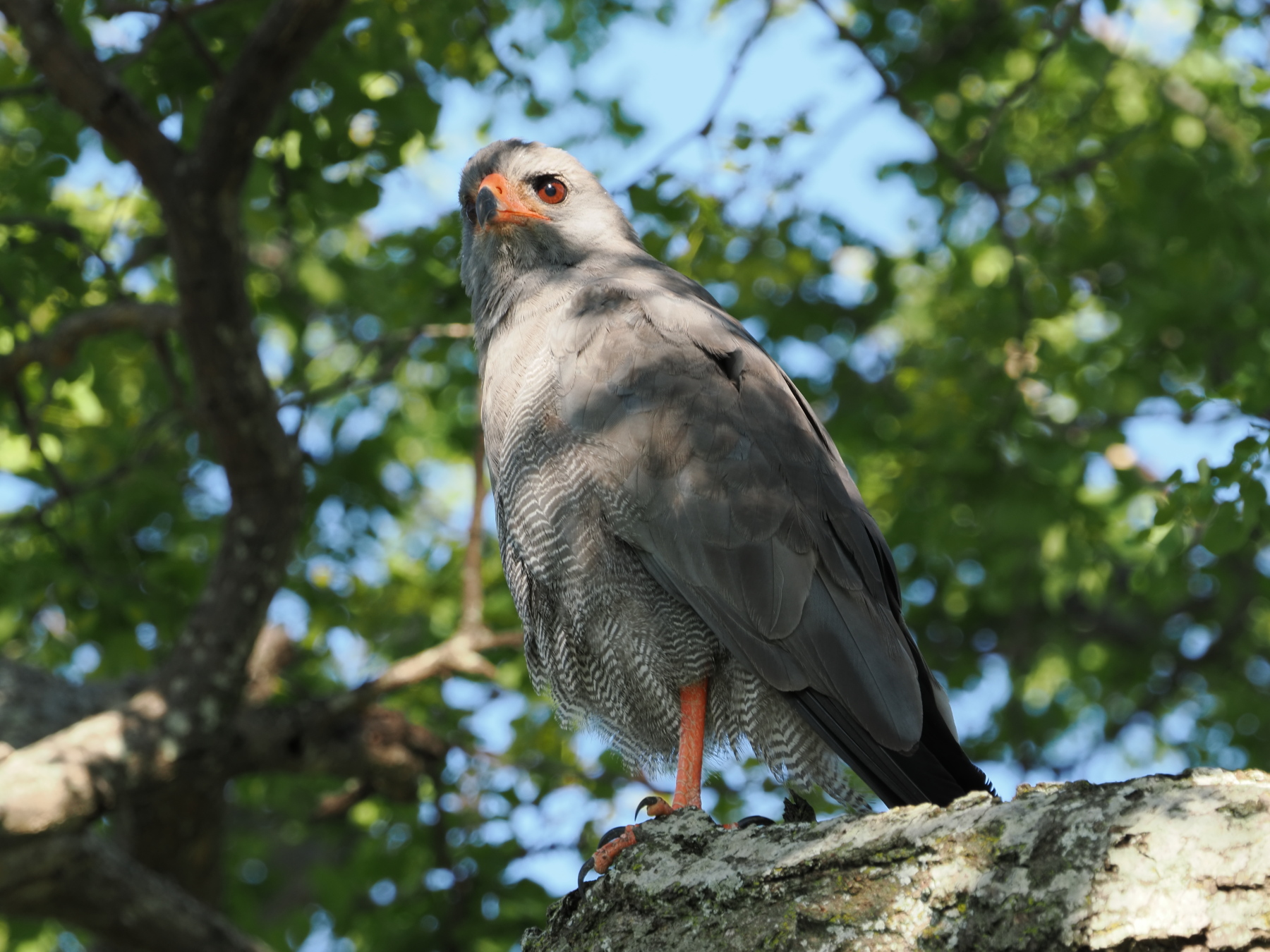
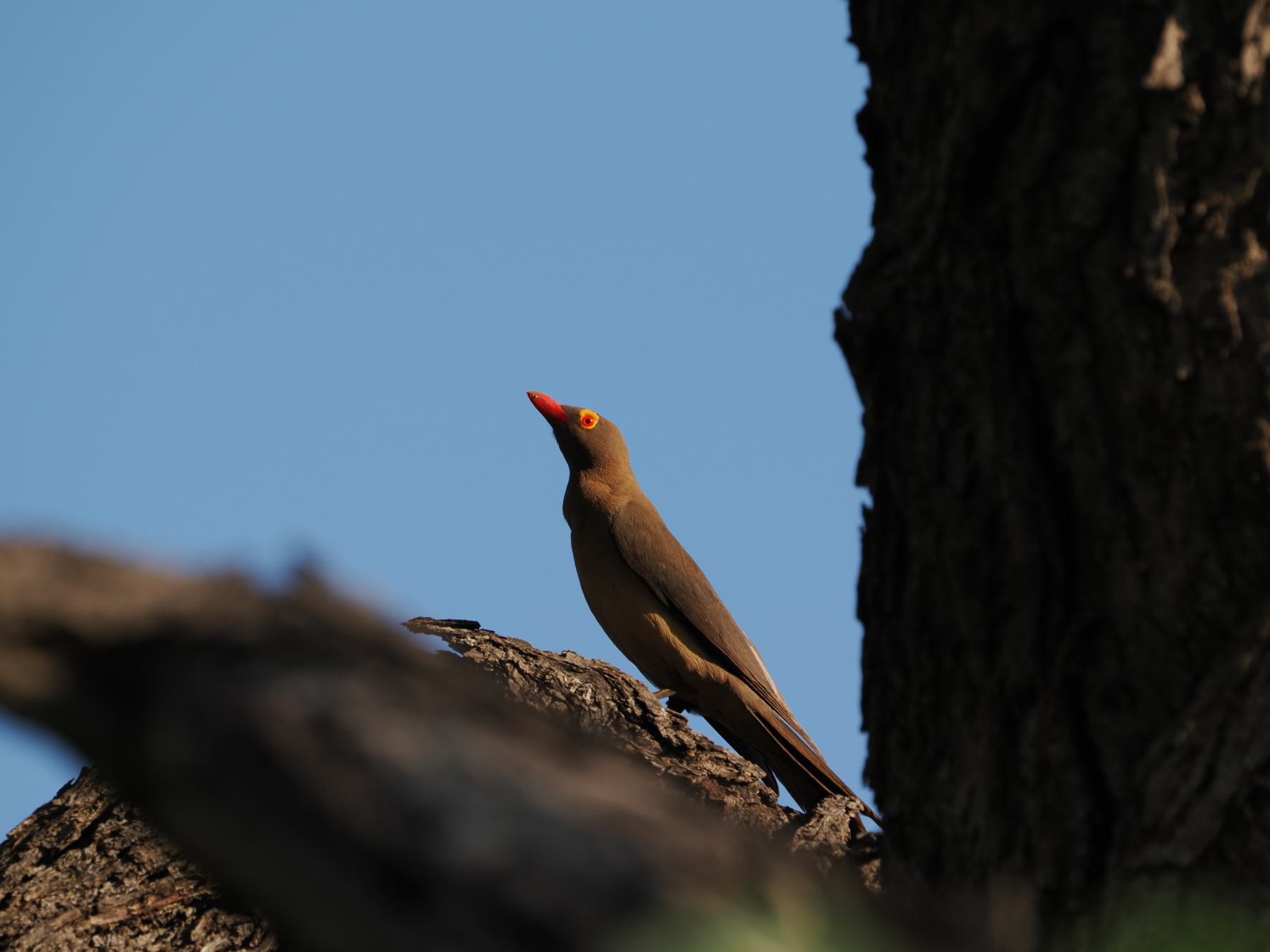
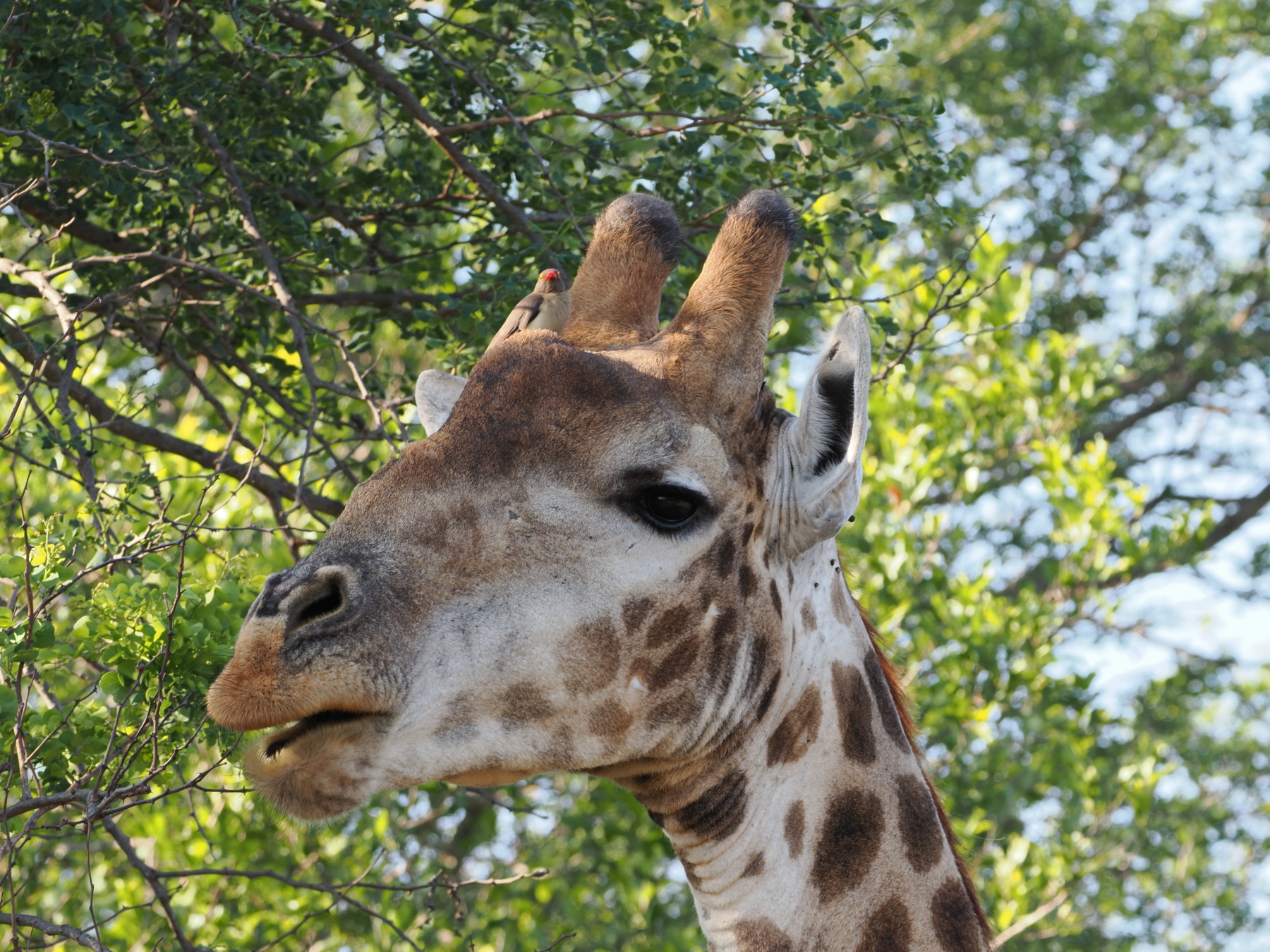
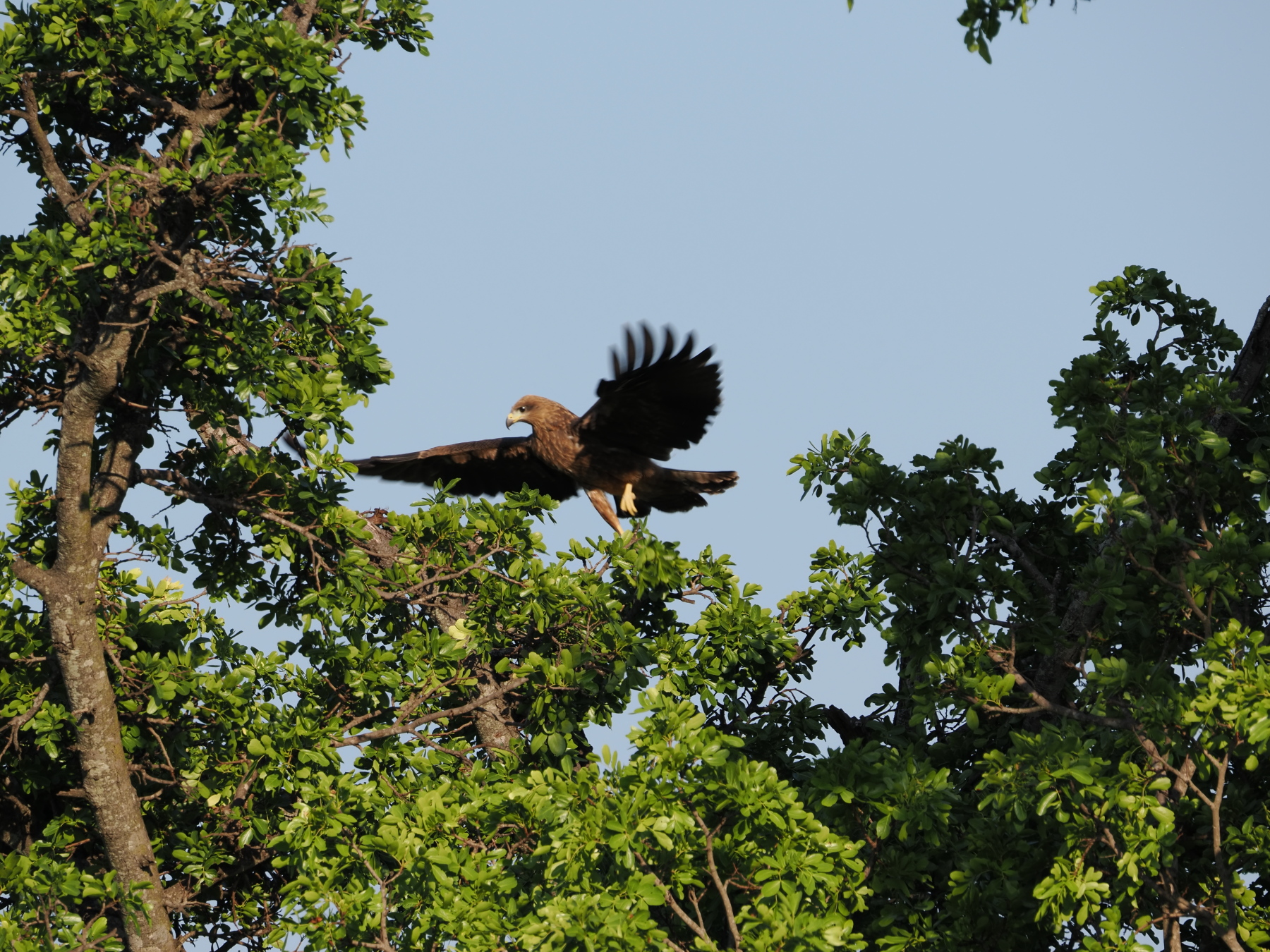
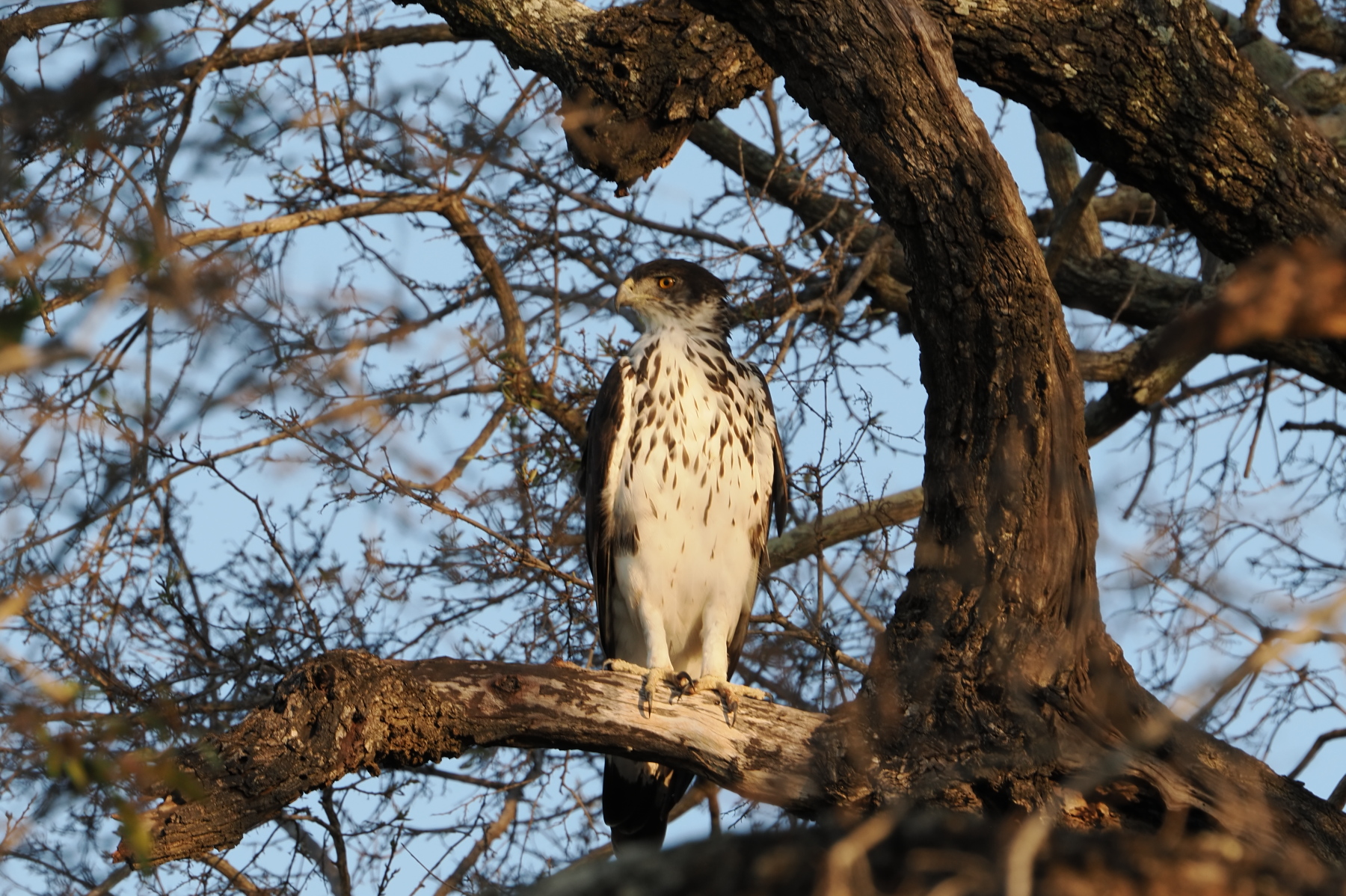
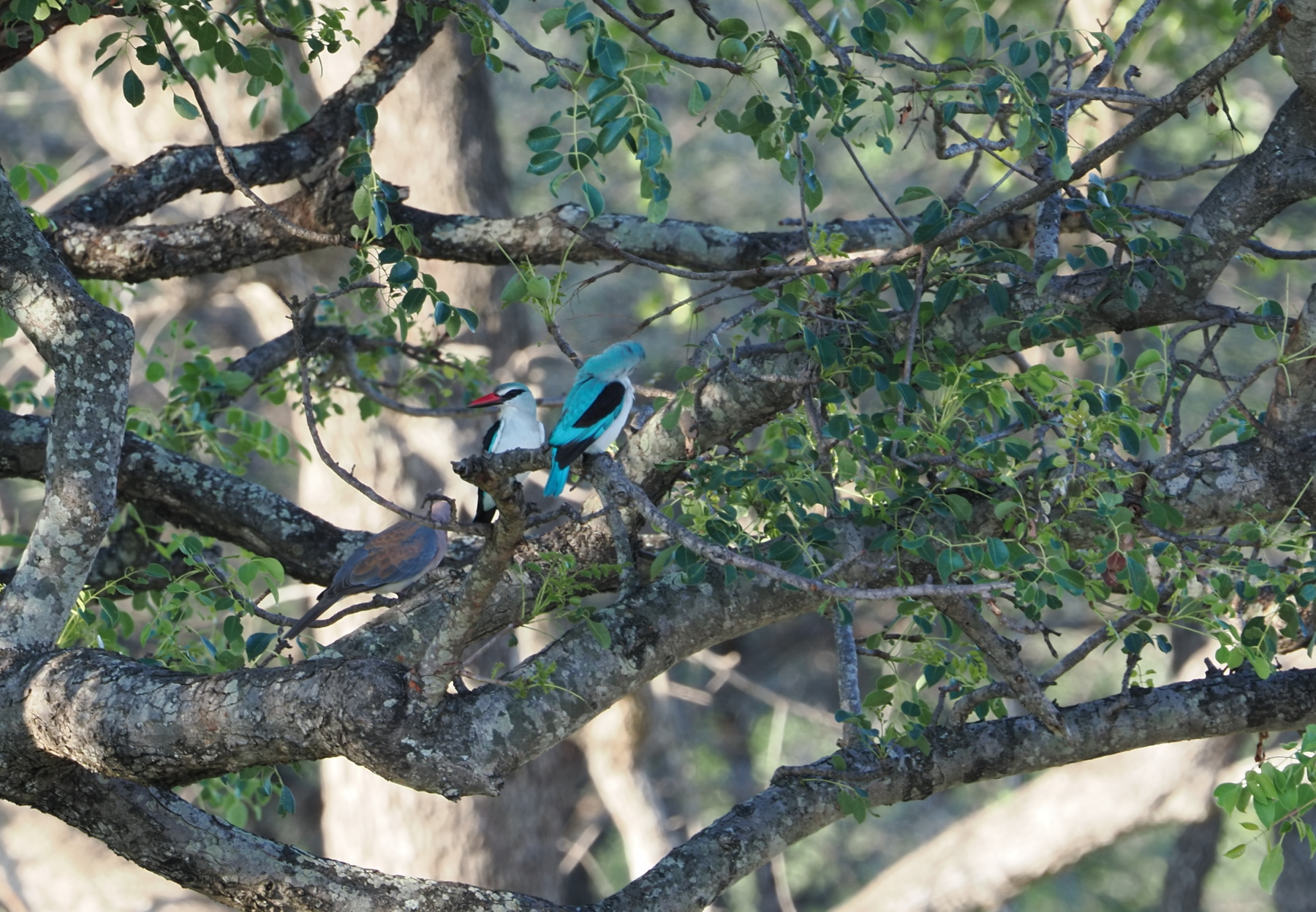
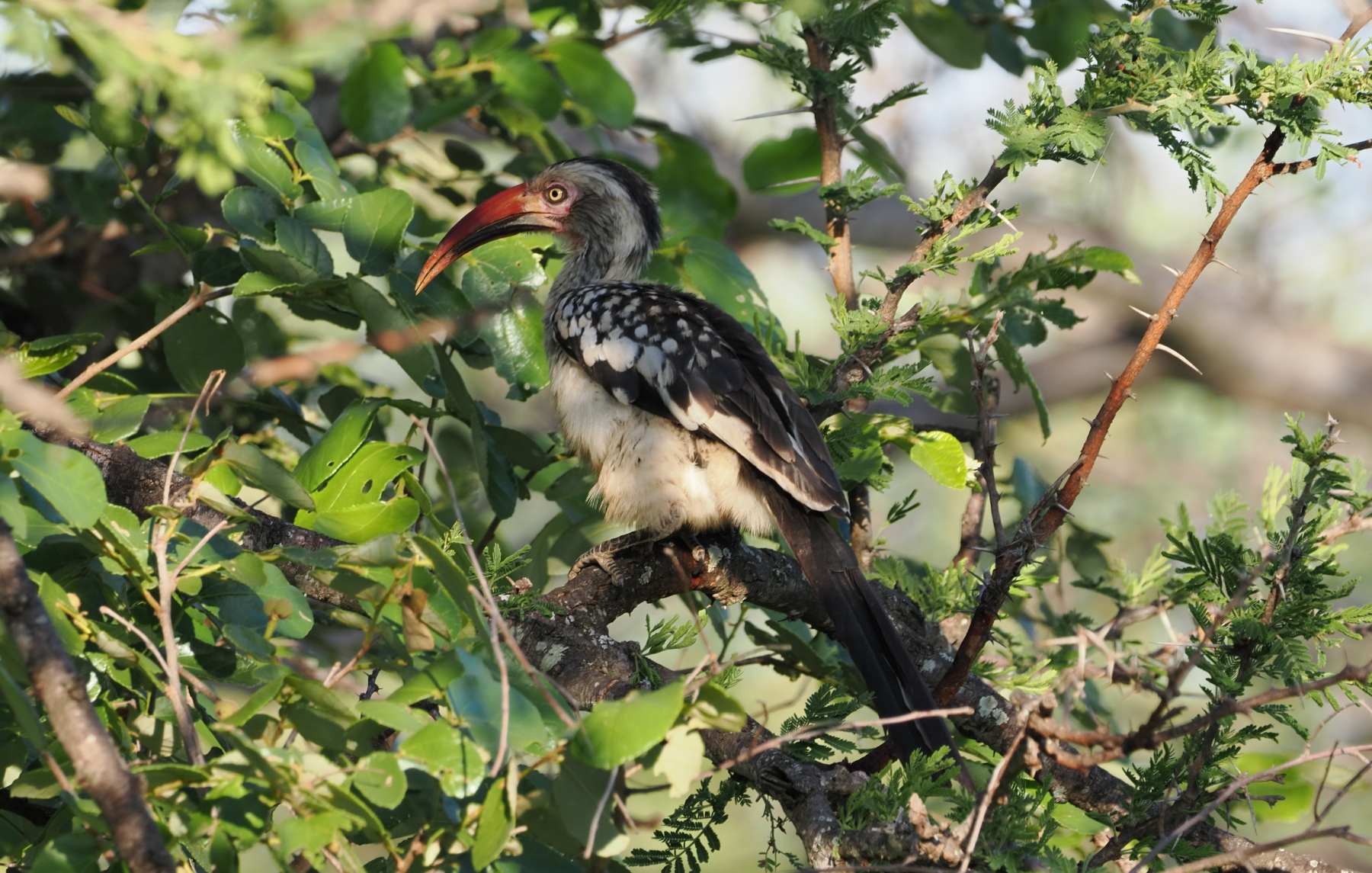
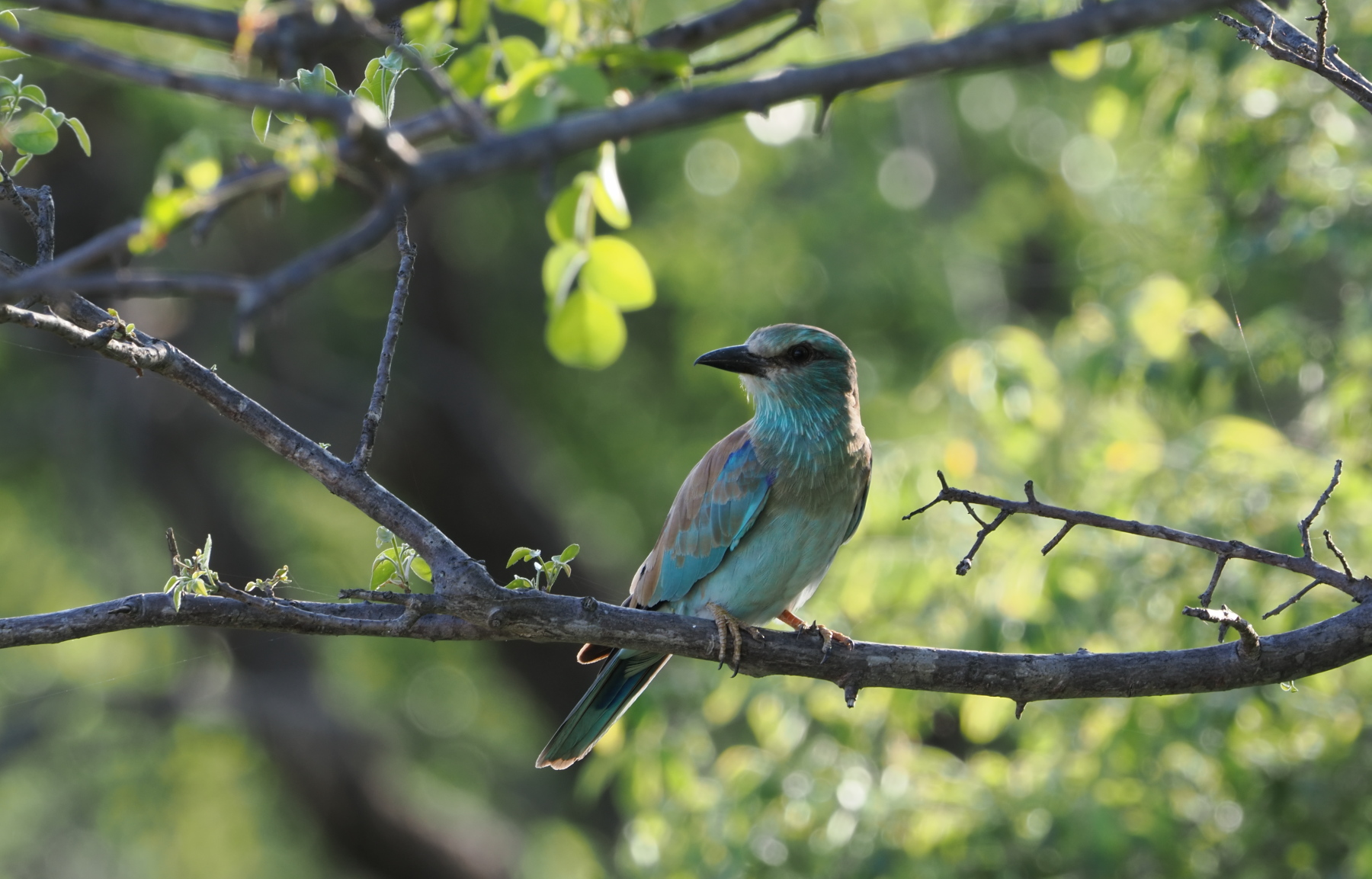
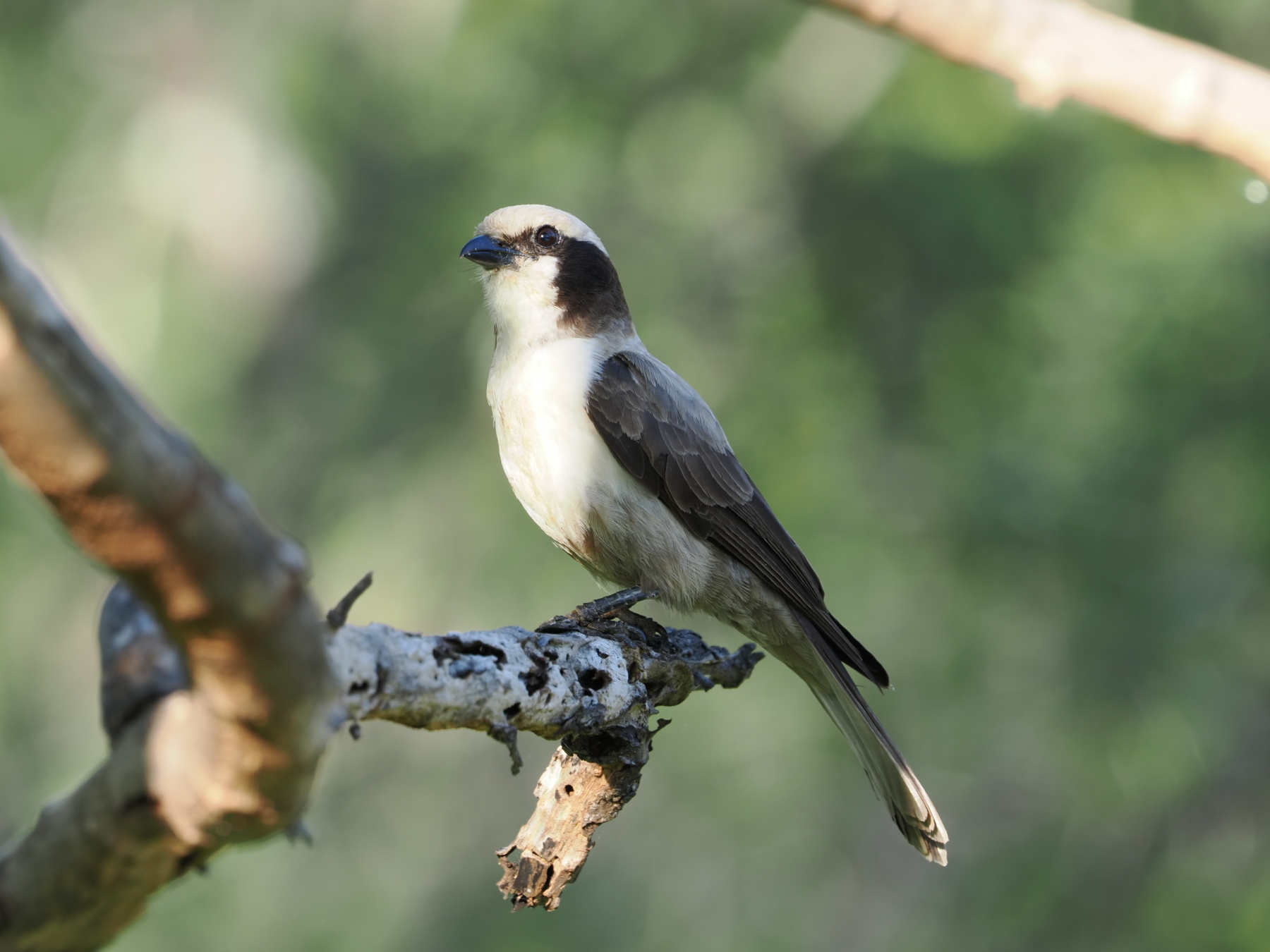
I’ve been getting lots of use out of my larger lens and I’m very happy with the results. There are many more detailed close-ups than I was able to take in our previous safaris, especially of birds. I’ve already forgotten all the bird’s names, but I’m sure google lens will be my saviour!
This will be the first of two posts from the Manor. We’re doing a boat tour of a canyon near Hoedspruit on Wednesday, then spending Thursday in Kruger National Park. We’ll wrap up with one more game drive Friday morning before flying back to Johannesburg. I’ll cover all of that in the second post.



Love that we can follow along! The commentary is great.
You must be on a pretrip to Kruger park, as we didn’t go there. Your pictures are awesome!
David, cheetahs are a favorite of mine though I’ve never seen one. I wrote a college paper comparing cheetah and patas monkey physiology so please send me a photo of a patas too! Thank you for letting me live vicariously.
We haven’t seen patas monkeys yet – just velvet