Big Makalolo Camp, Hwange National Park, Zimbabwe
14-17 December 2025
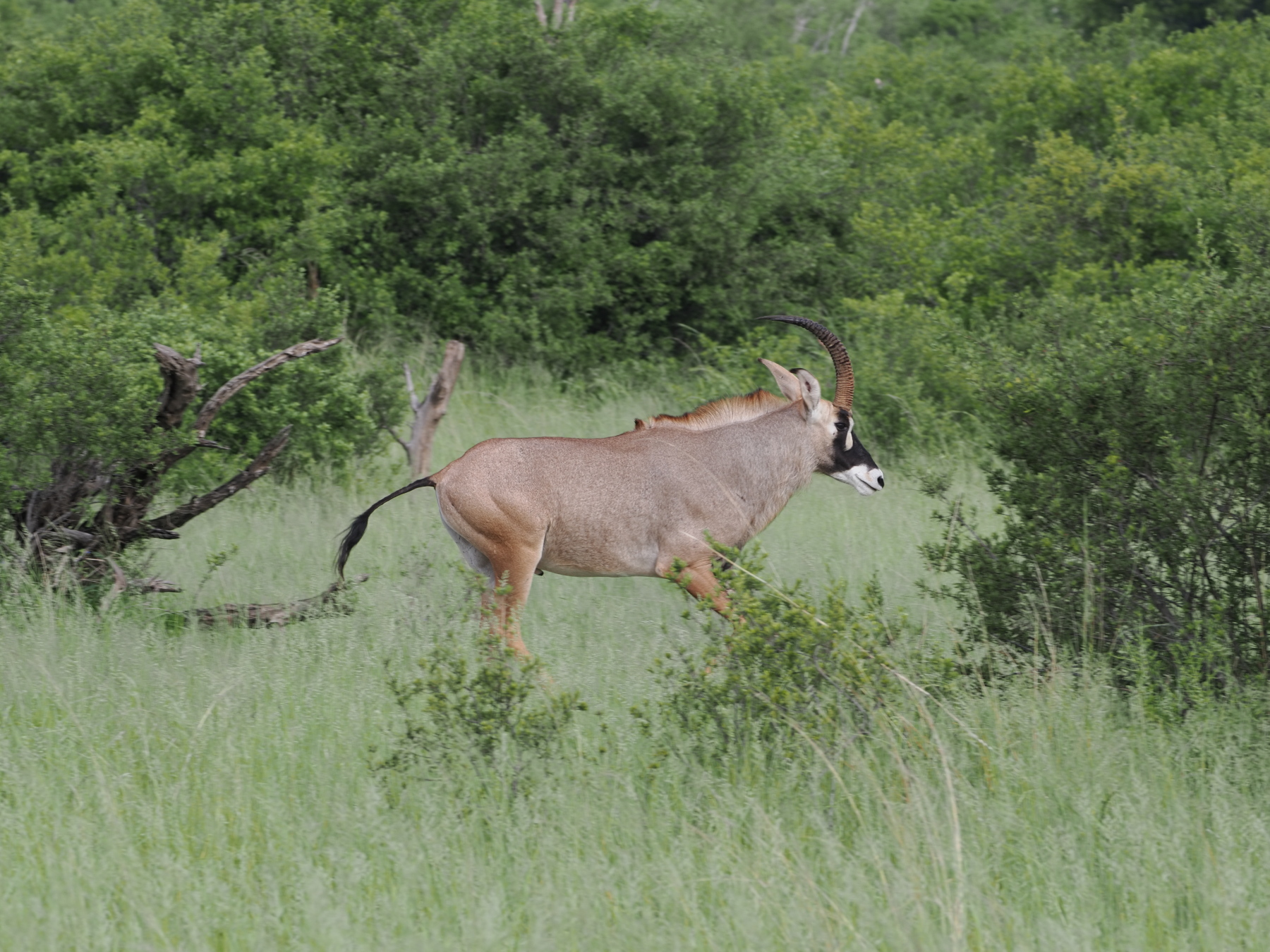
That is what you say on safari when you really need a pee break. Other acceptable variations include:
“I need to pick some flowers,”
“I need to raise the water table,” or simply,
“bushie bushie.”
So far, everyone has been postponing this necessity except for our driver, who has already “checked the tire pressure” once.
We left Pretoria on Sunday, 14 December, and flew to Victoria Falls, Zimbabwe. After landing, we met our trip leader, Mama G, and immediately set off on the long drive to Hwange National Park. For the next three nights, we are staying at Big Makalolo Camp, deep inside the park. It is glamping, with large solar powered tents, sun heated hot water, and unexpectedly what appears to be “towel art 2.0”. The wildlife is impressive, but the towel animals may be stealing the show. Sarah and I avoided showering so the towel elephants could survive another day.
On the way, we passed through Hwange, a coal mining town dominated by a 1,520 MW coal fired power plant and several nearby mines. Most, if not all, of the mines are owned by Chinese firms and produce coking coal for Chinese steel mills. Our guide explained that these companies employ relatively few local people and contribute little to the surrounding community.
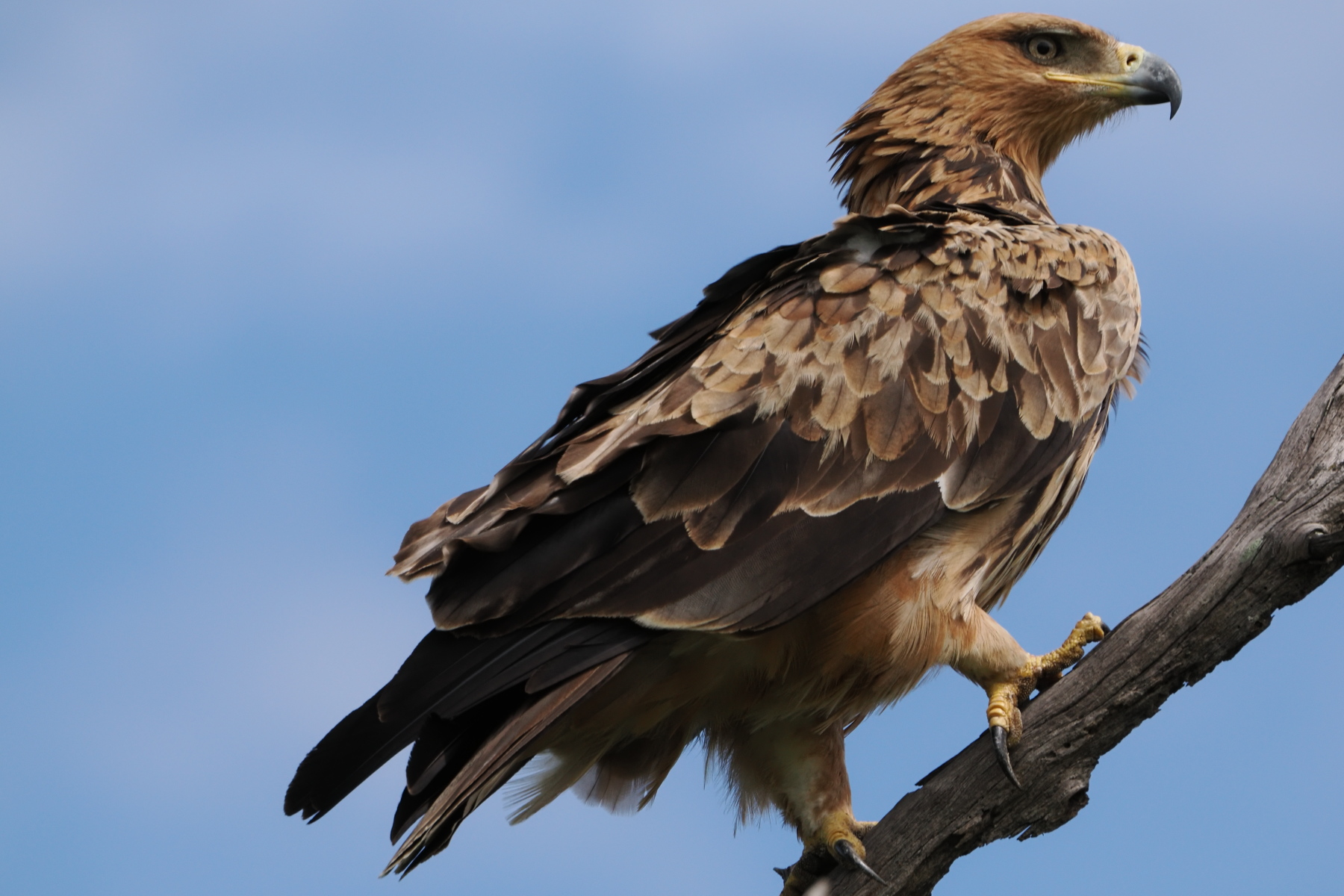
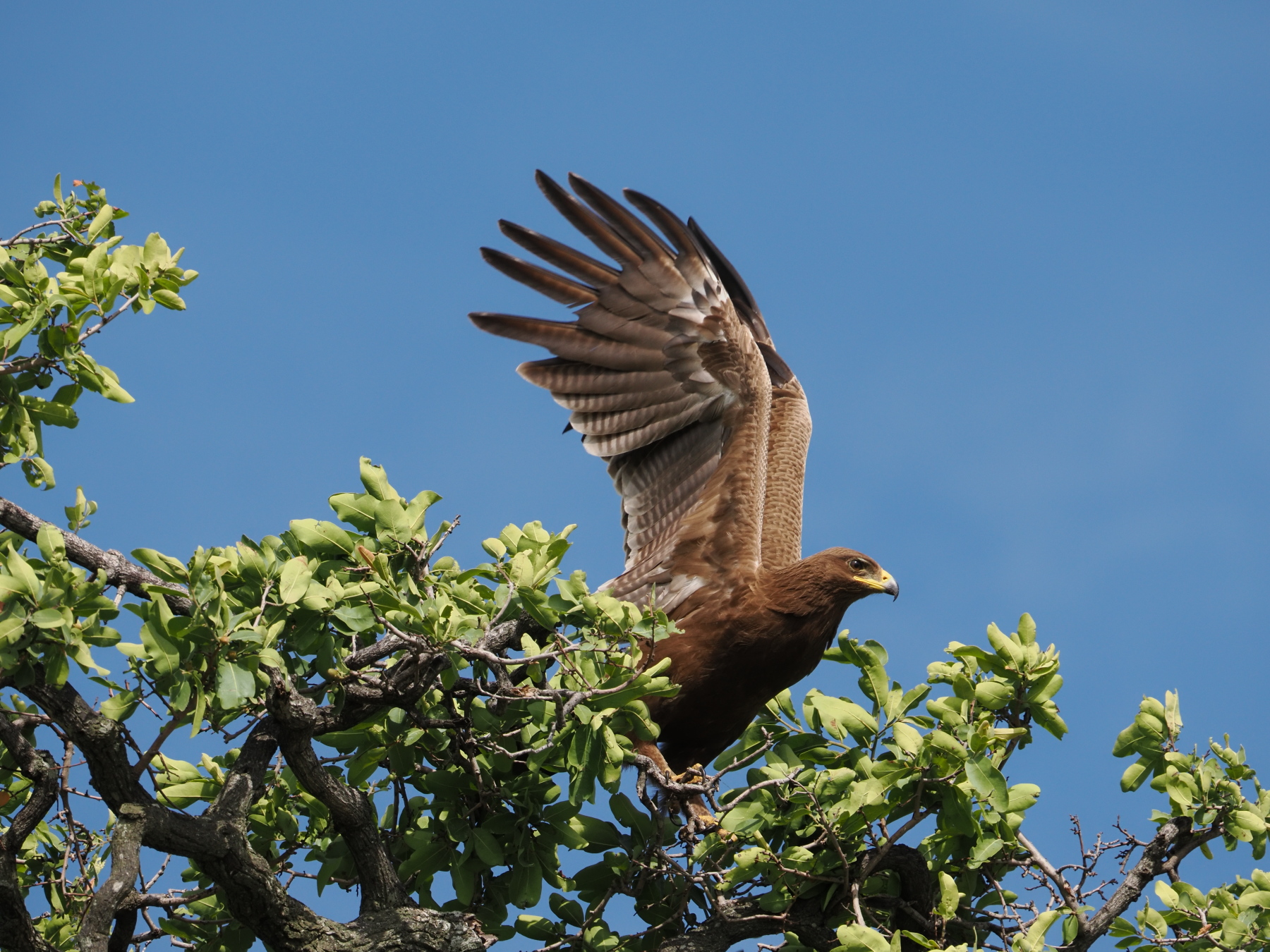
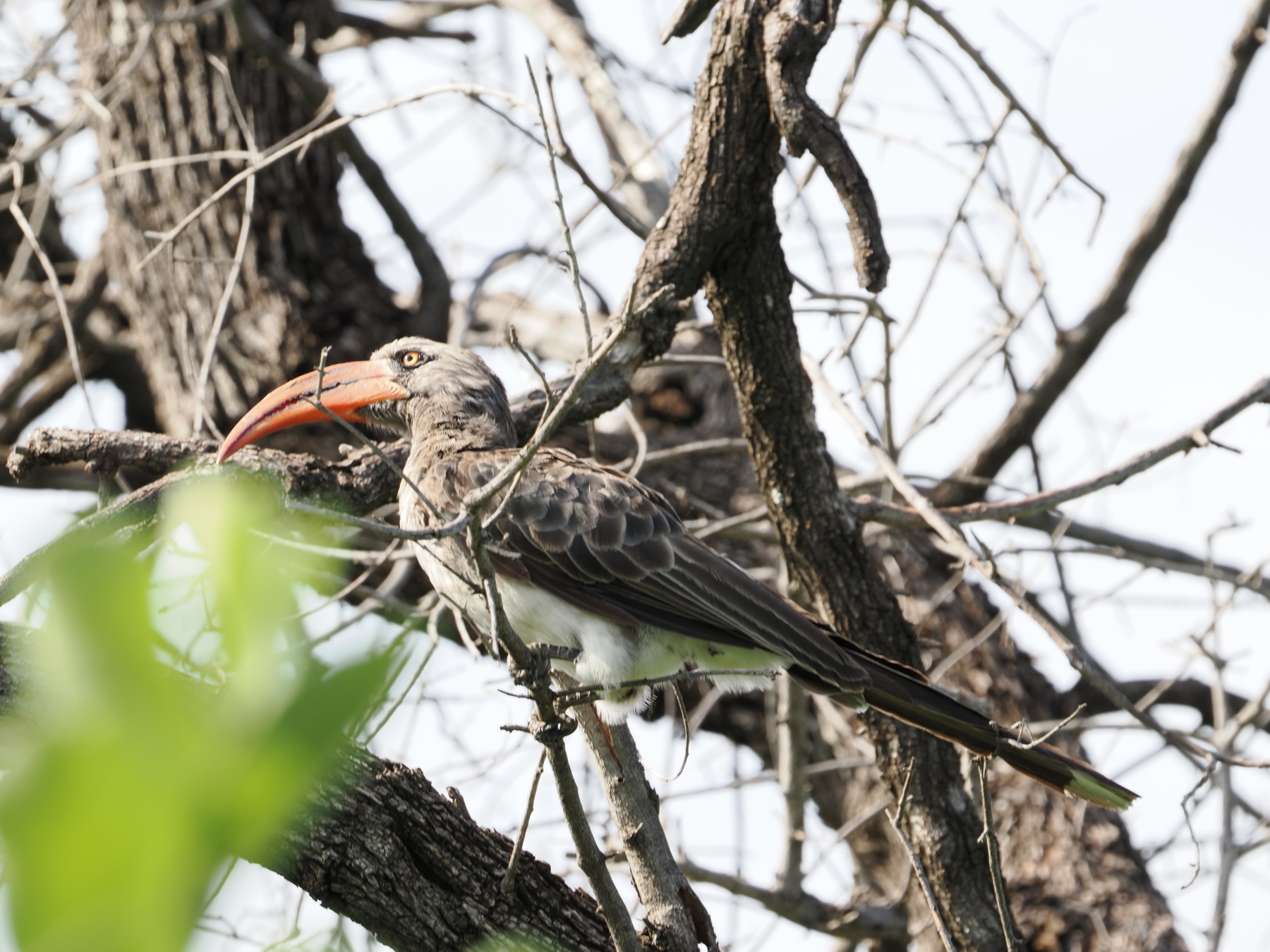
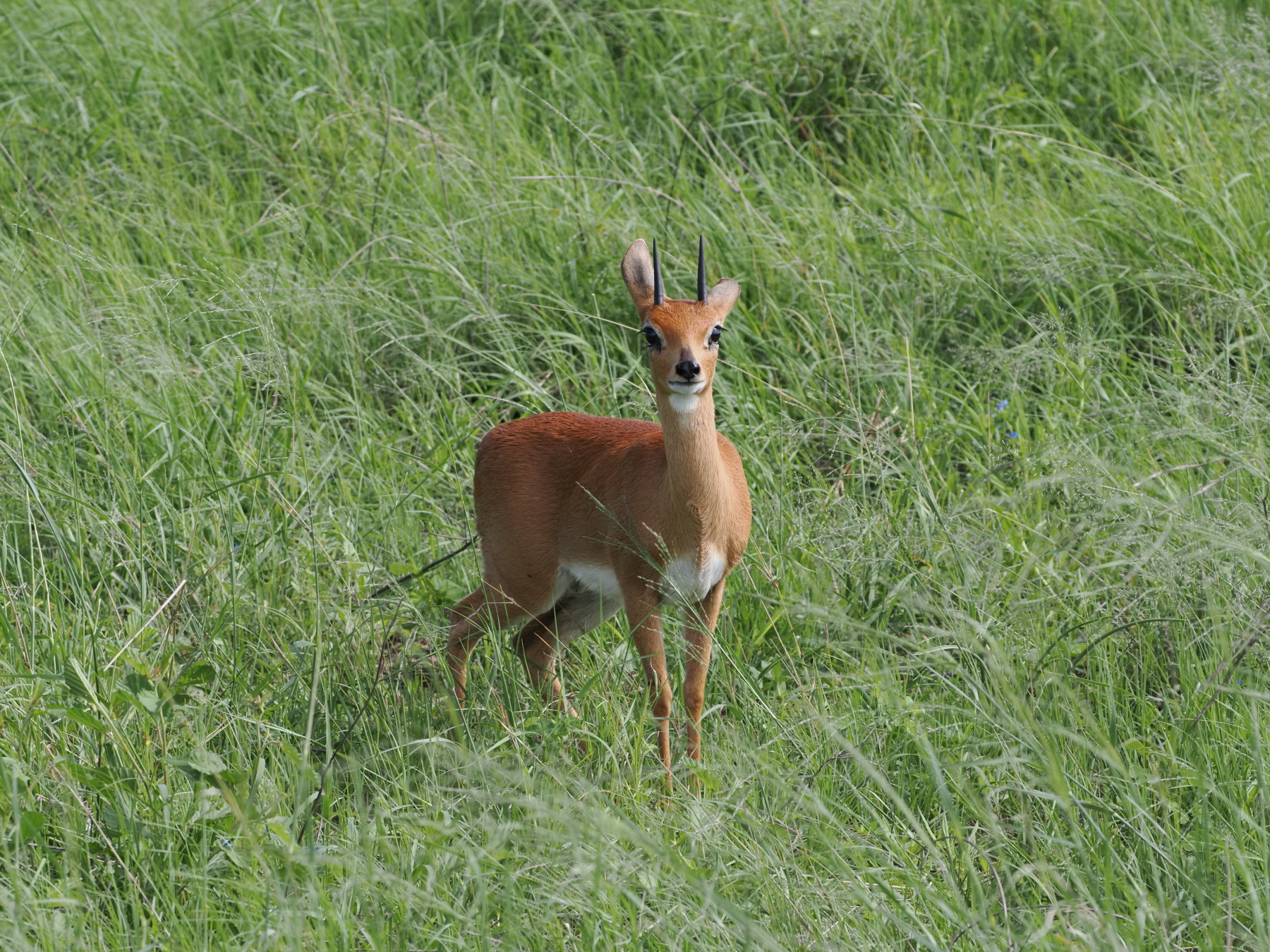
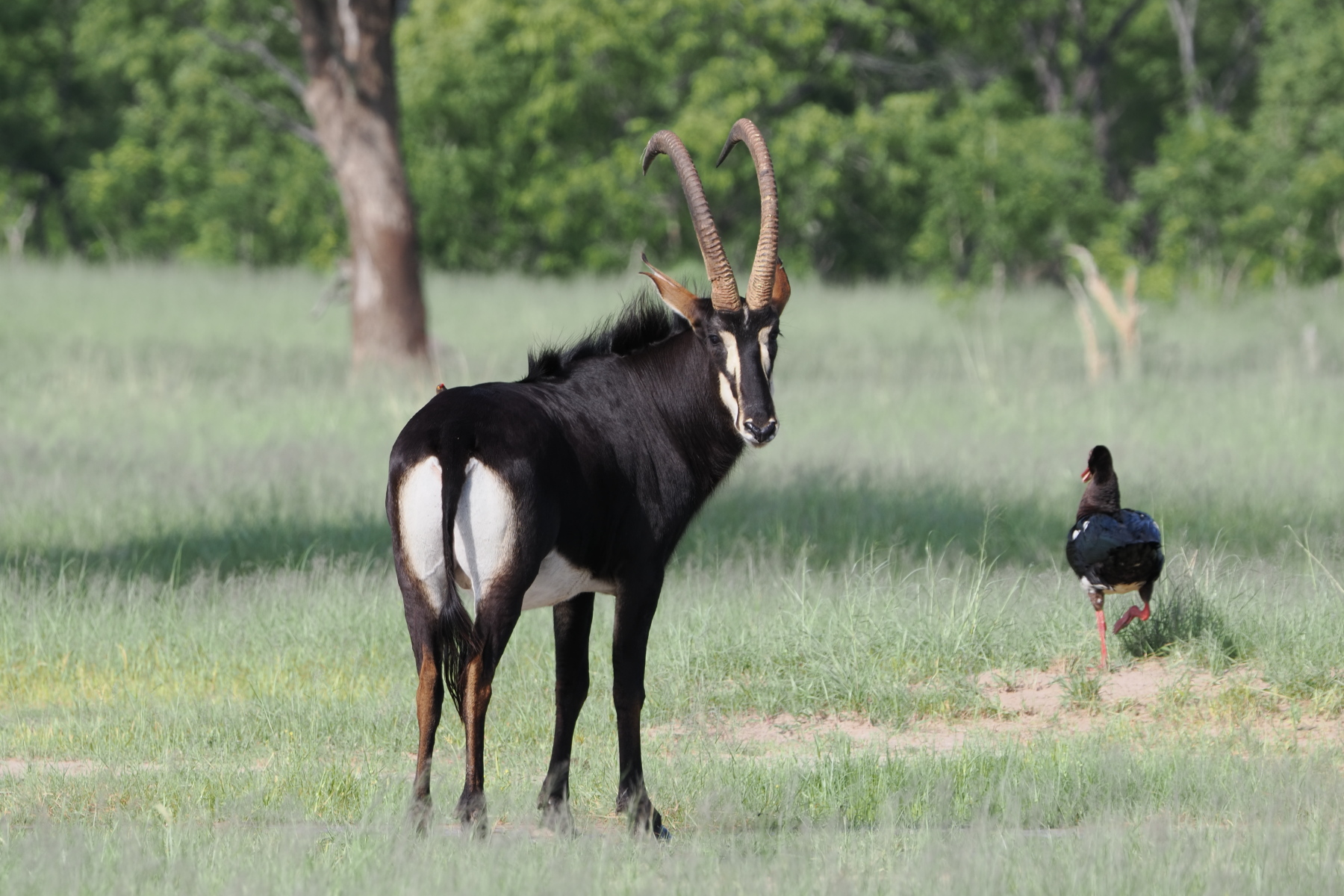
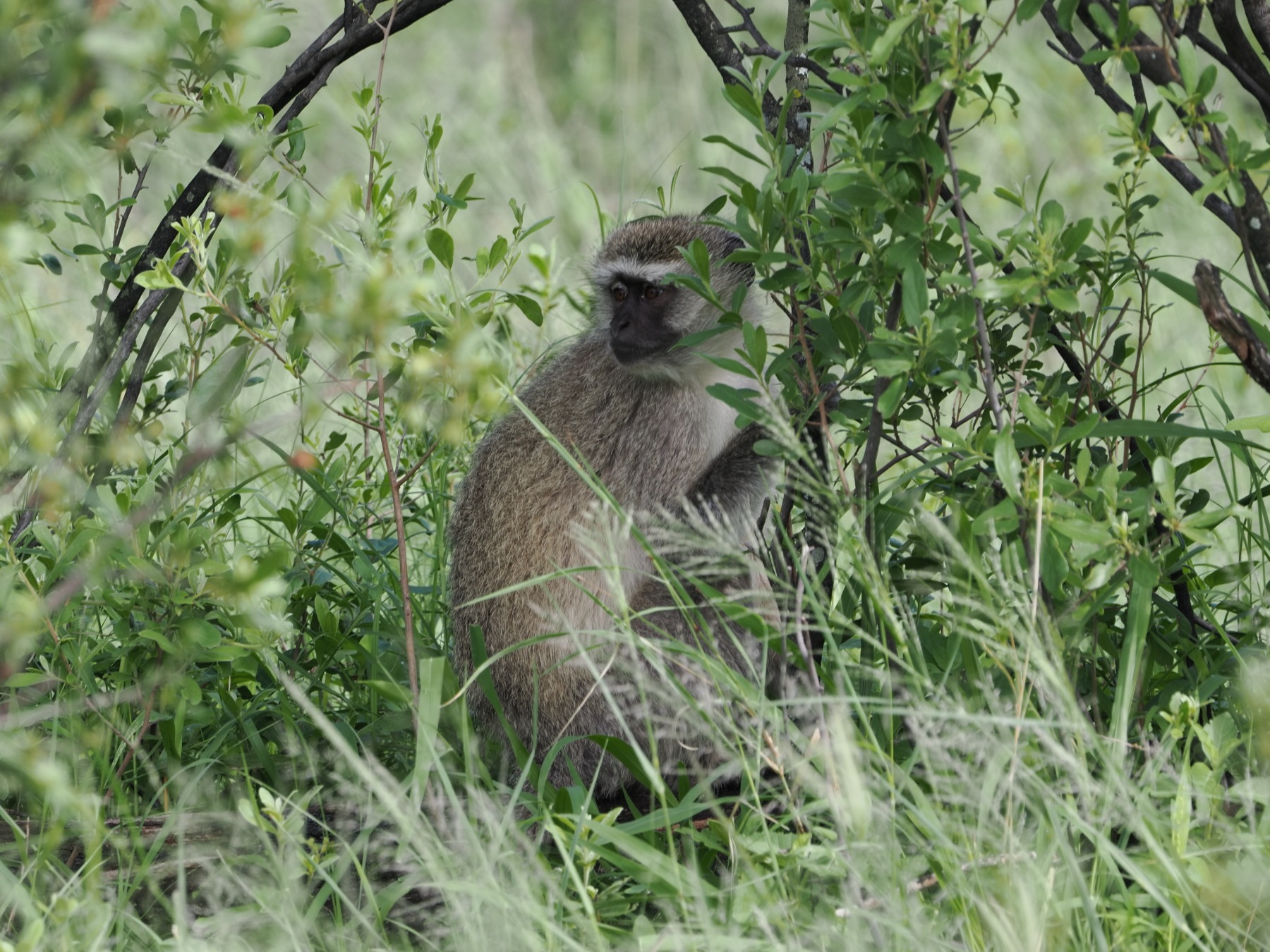
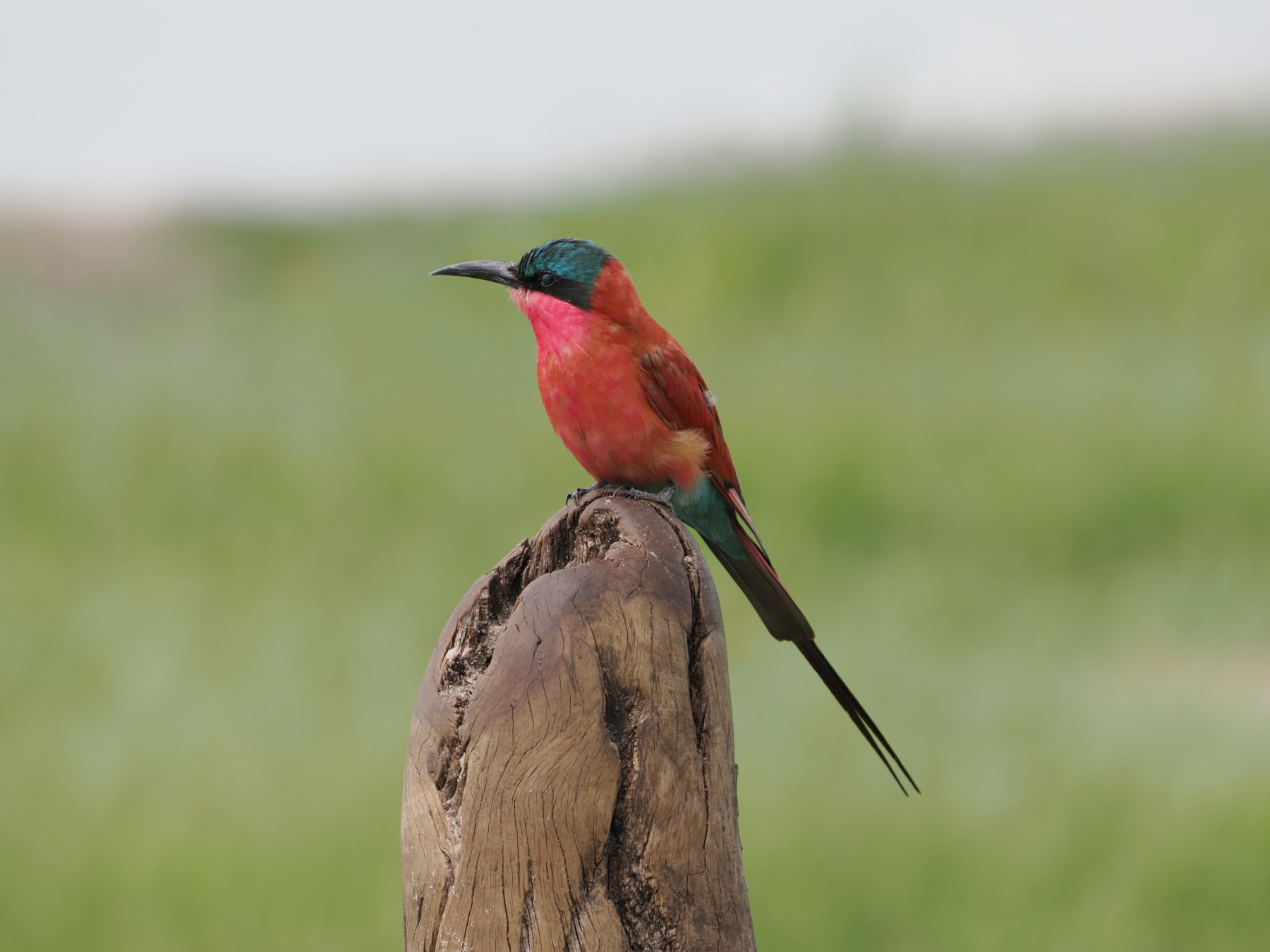
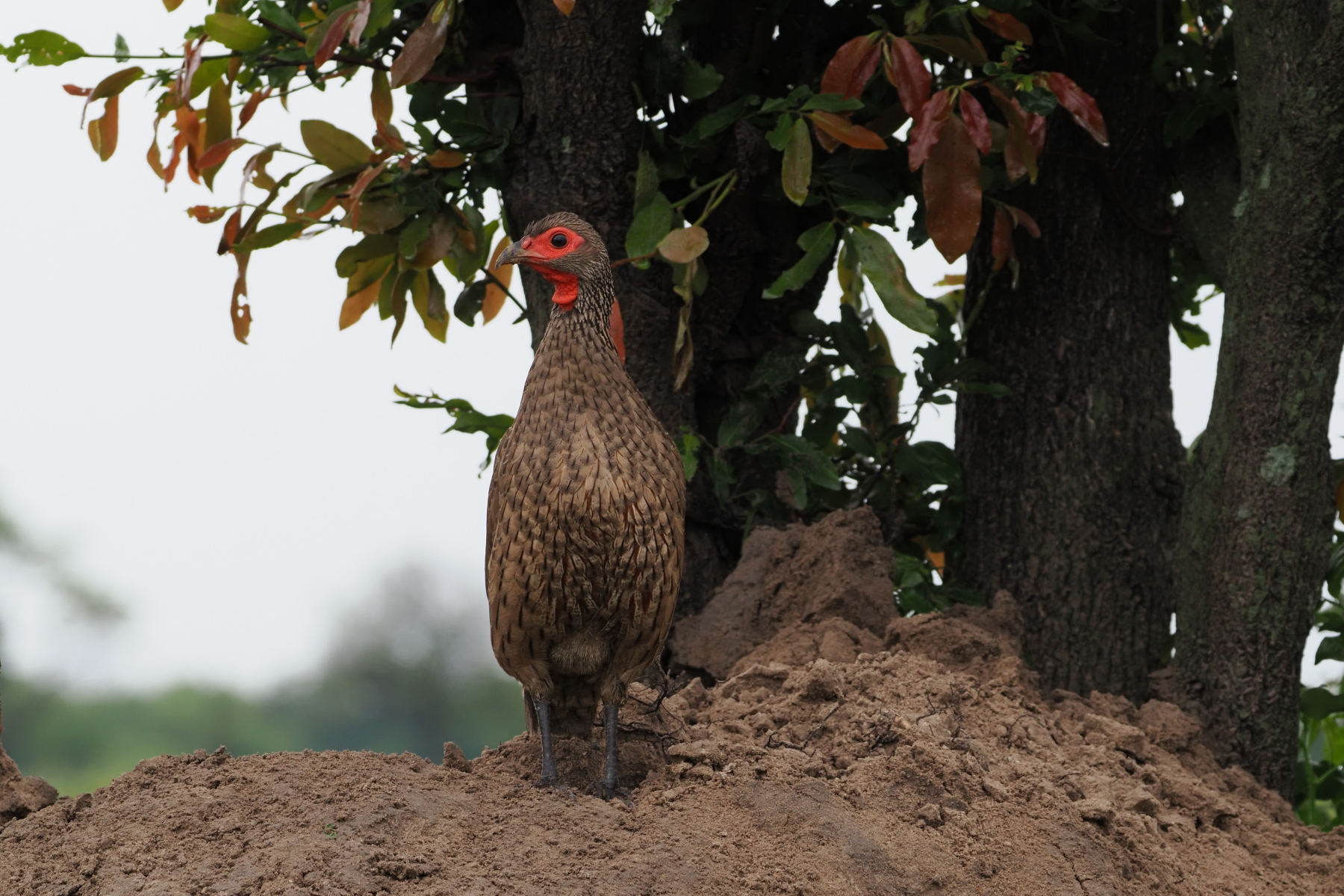
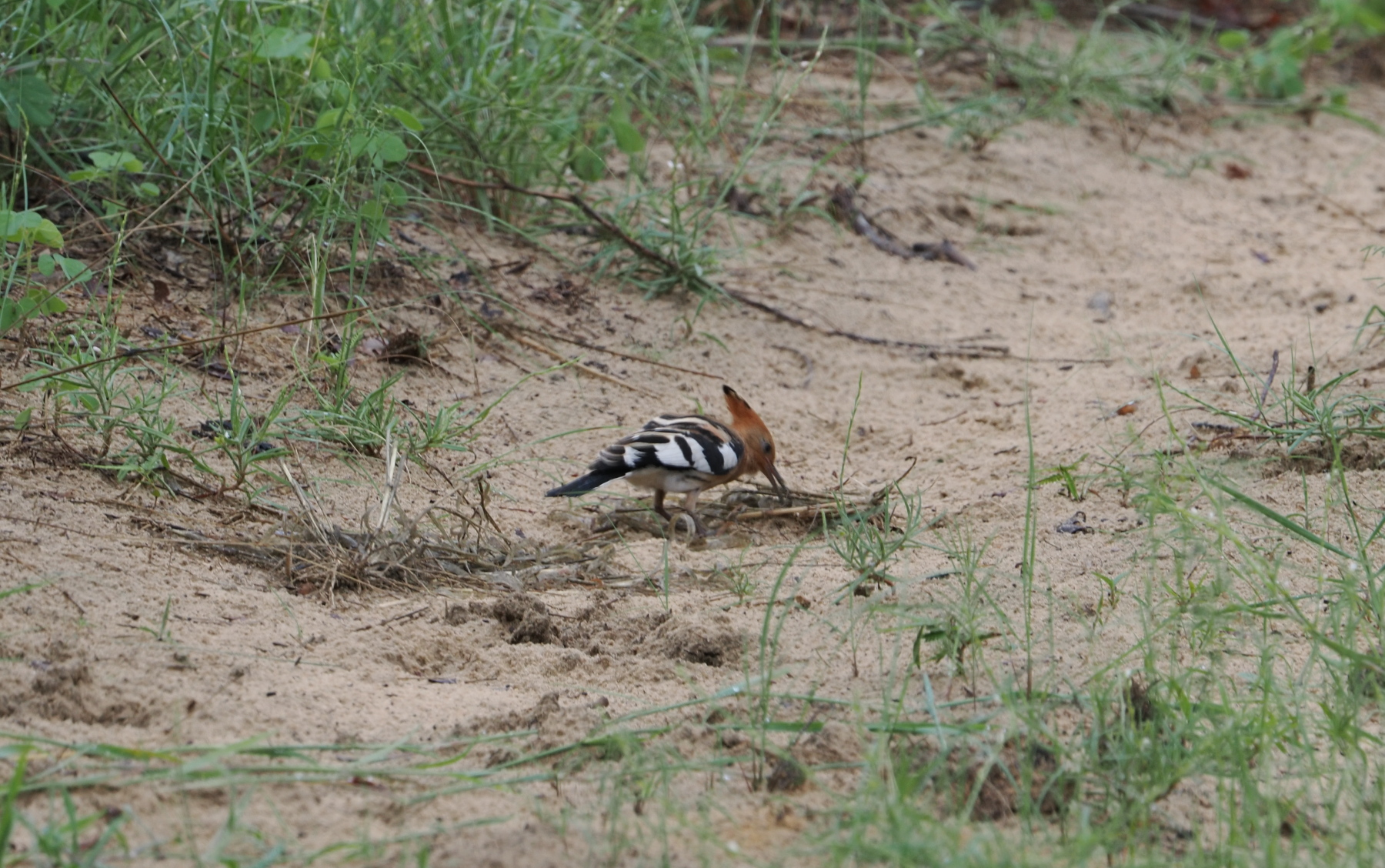
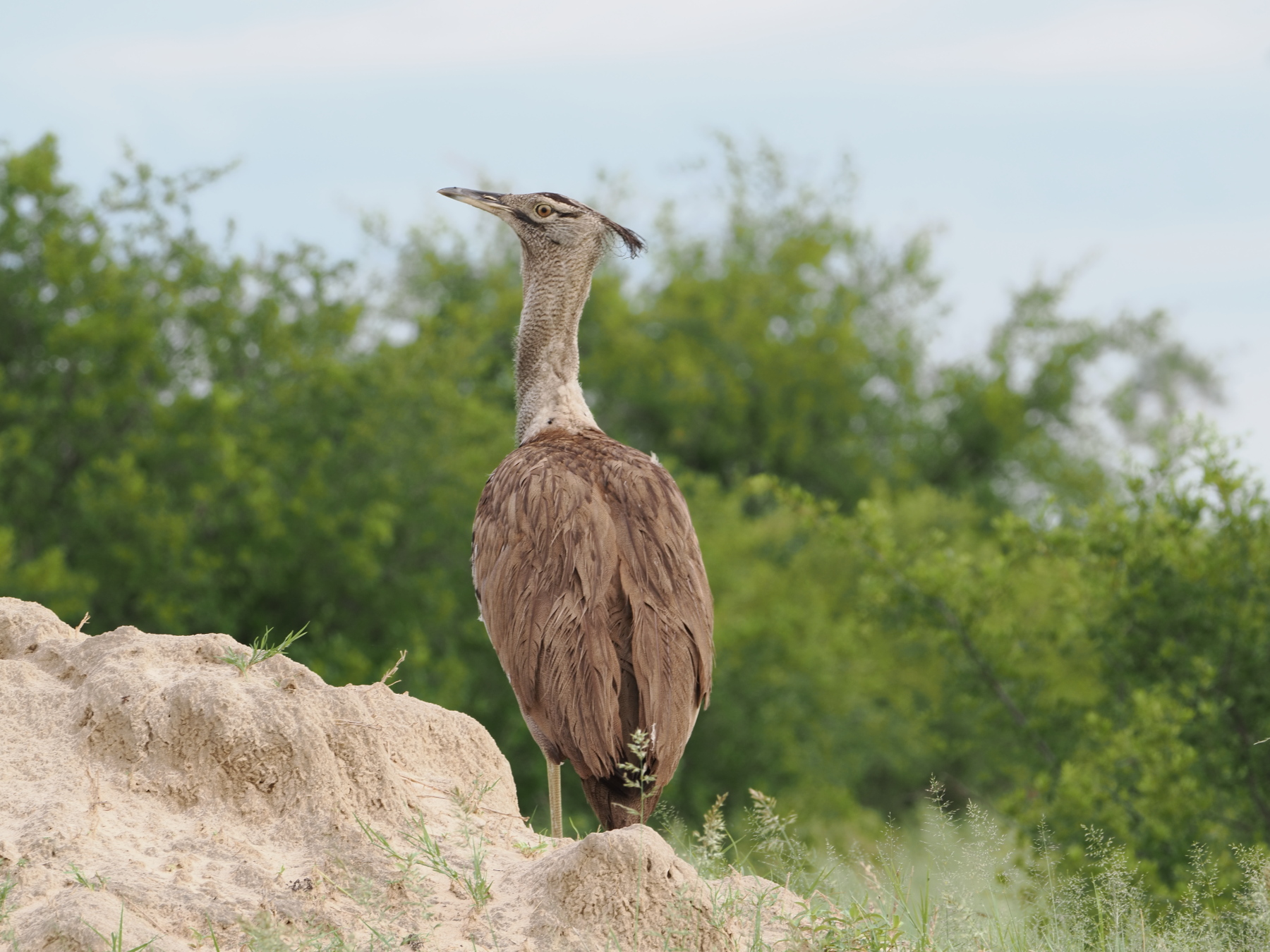
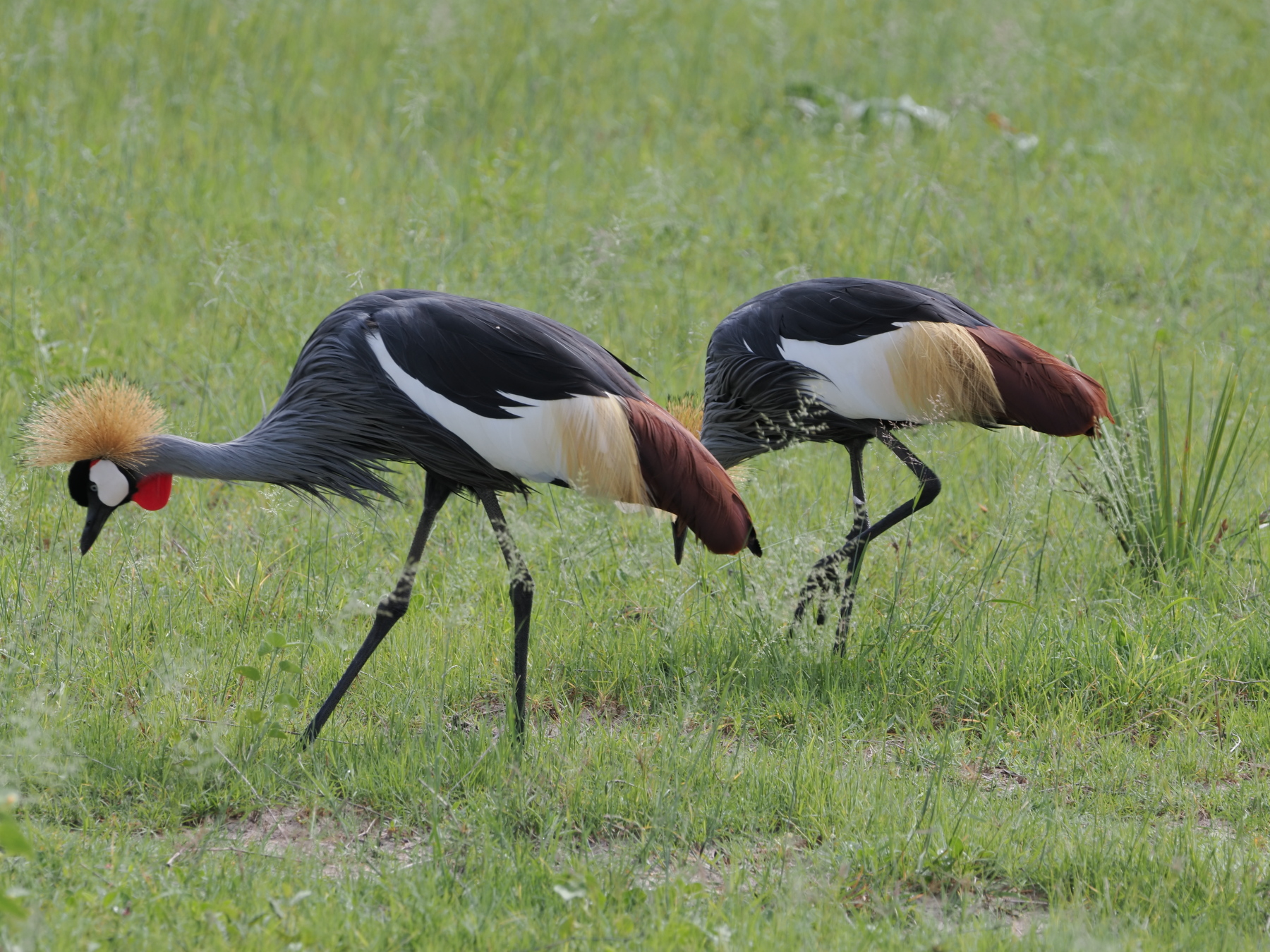
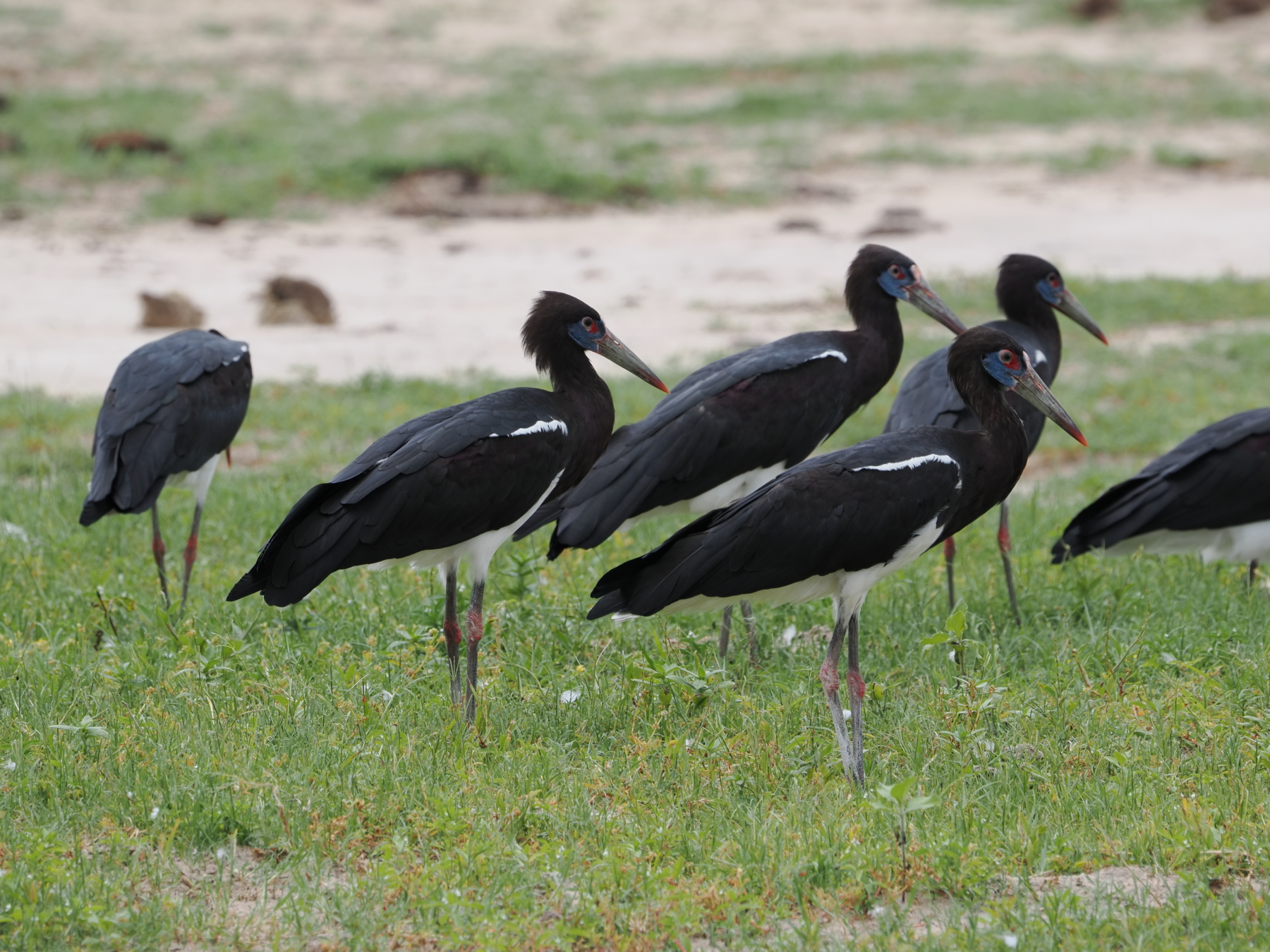
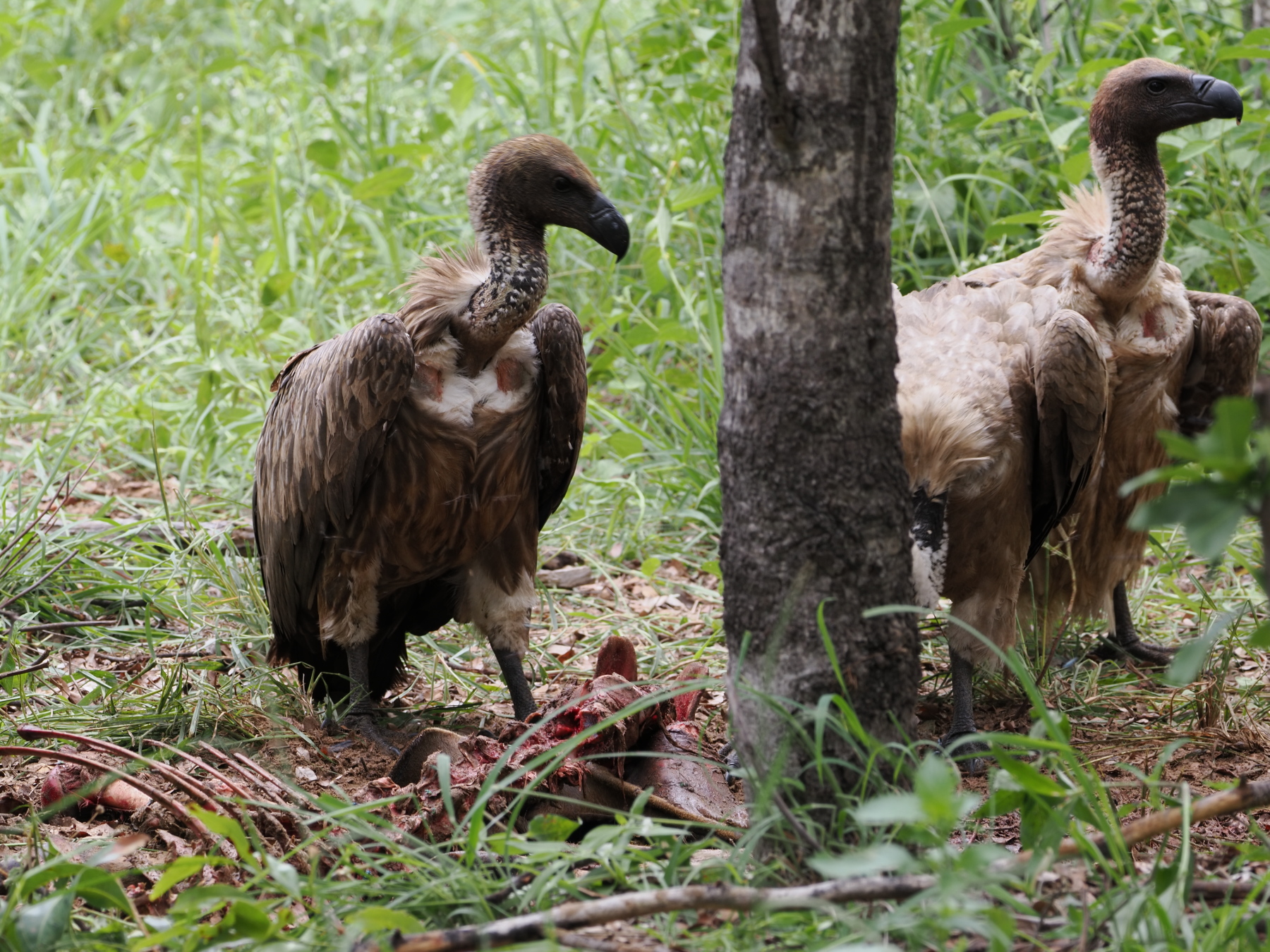
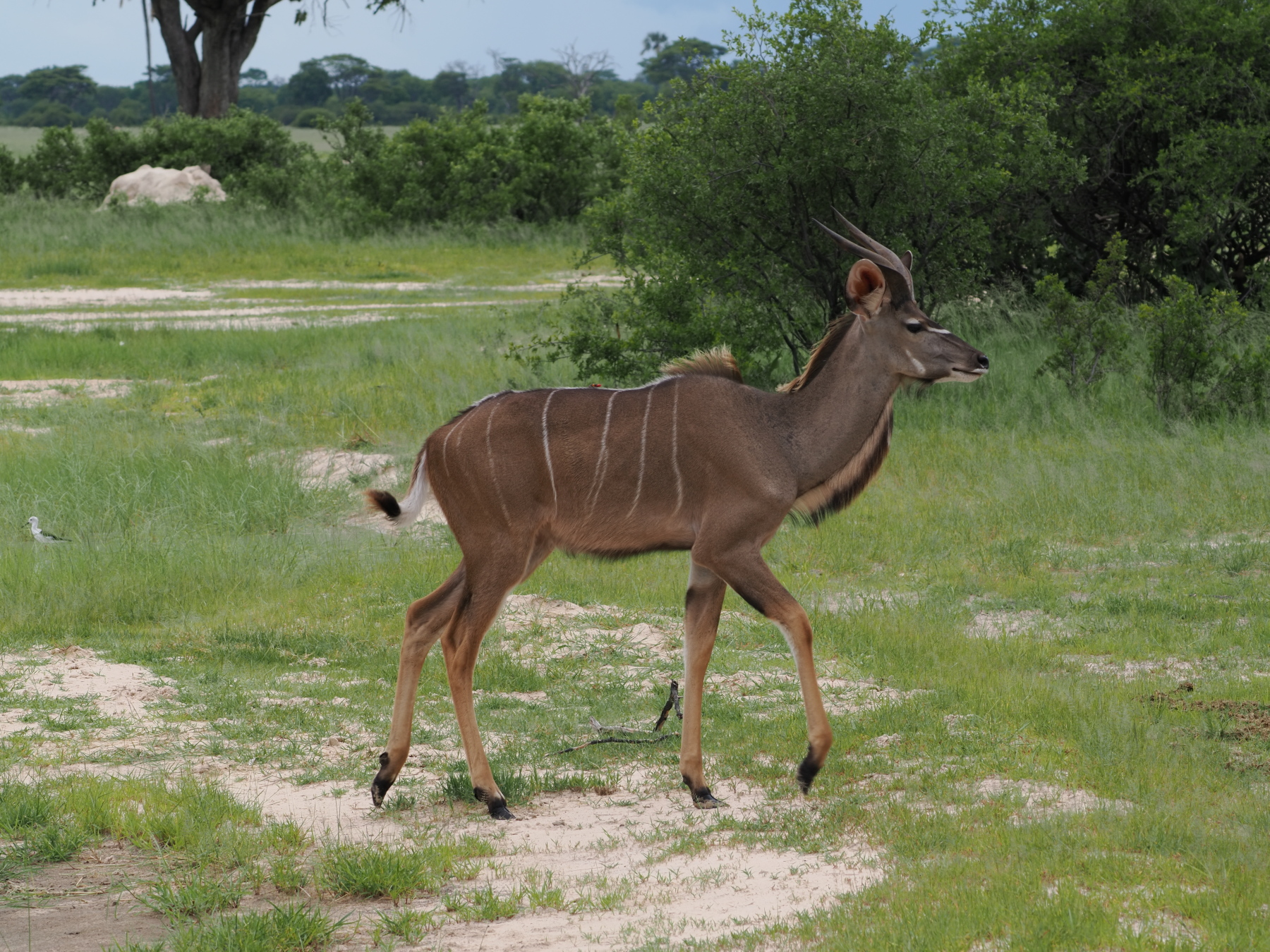
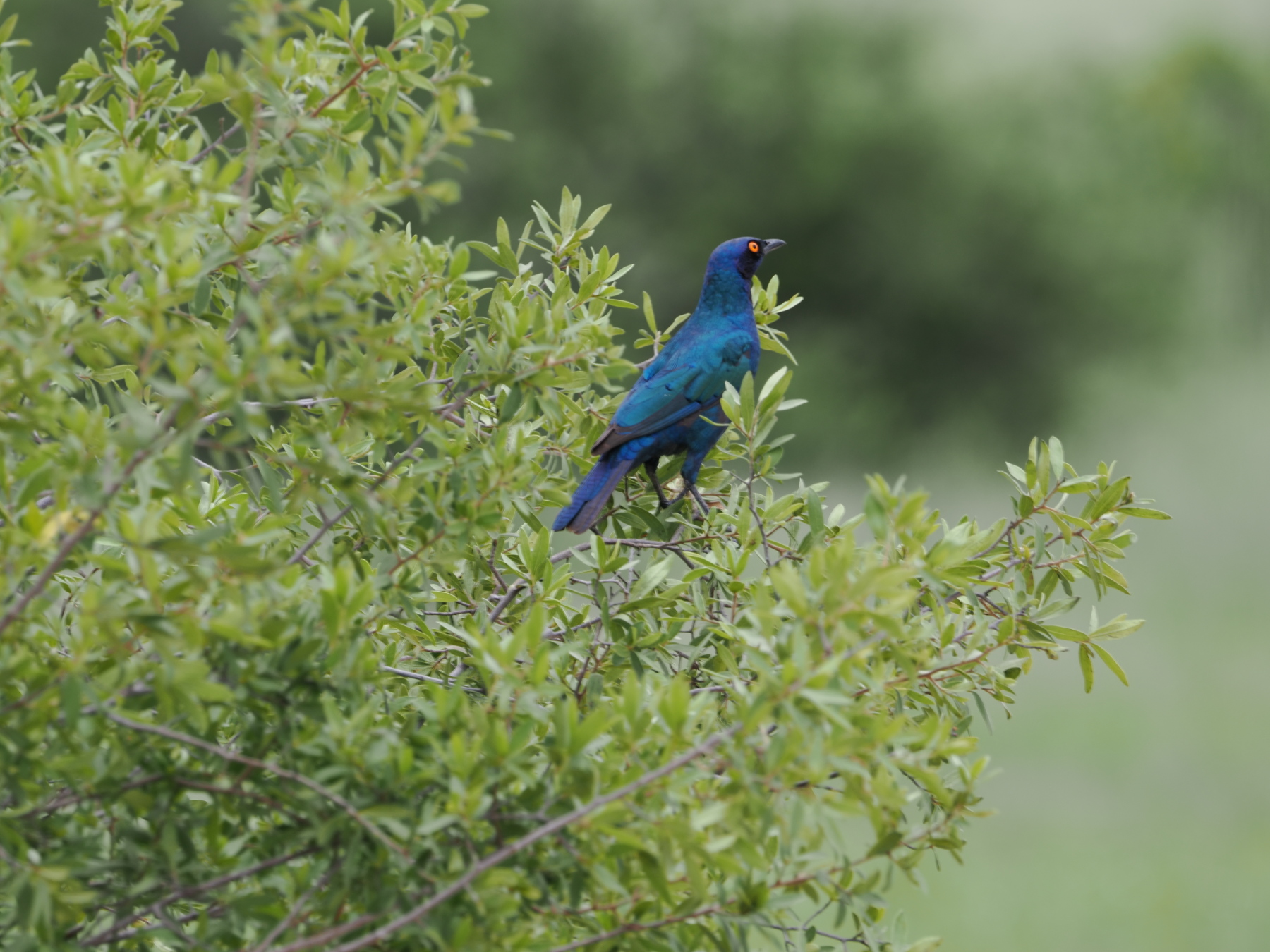
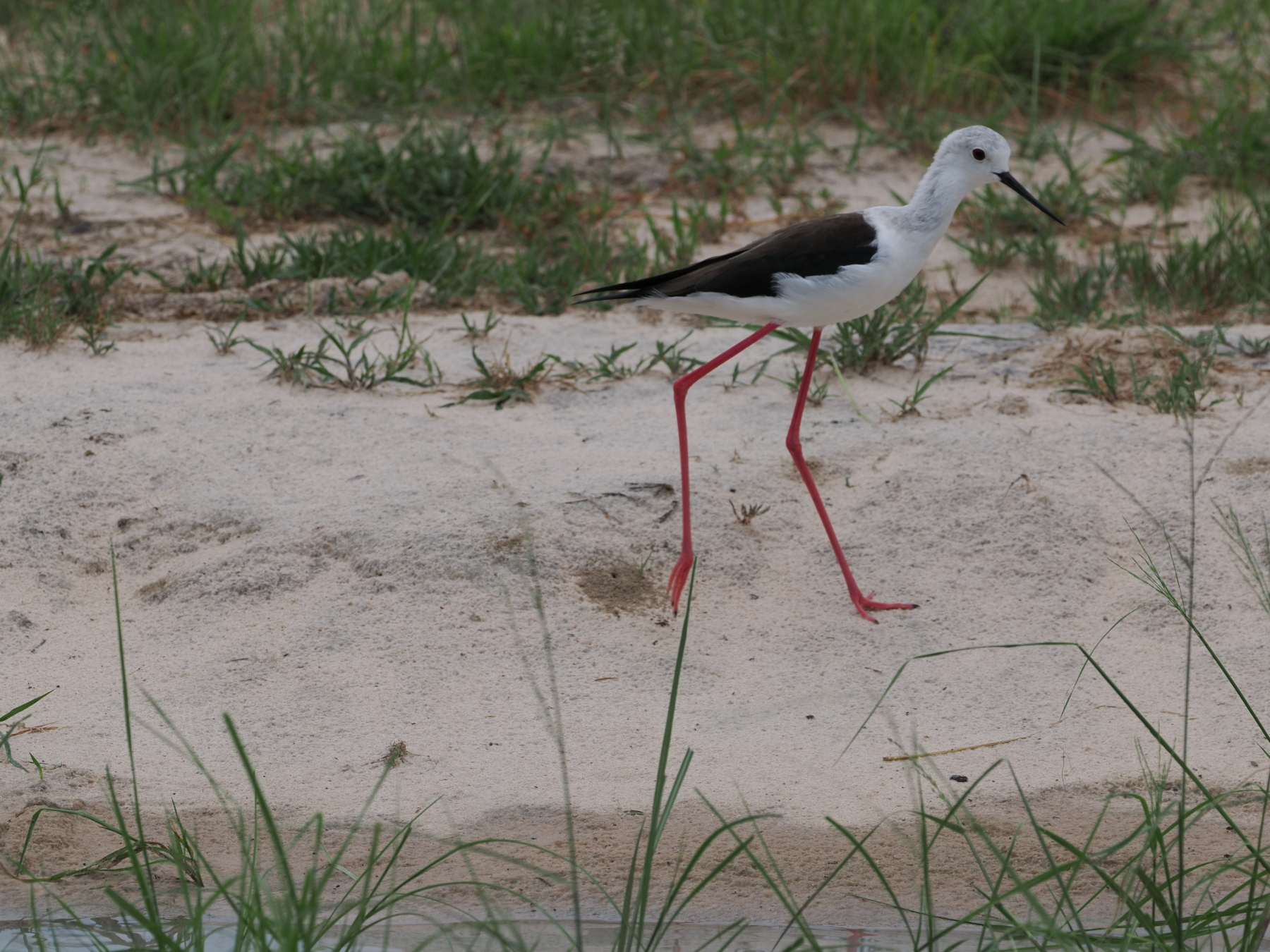
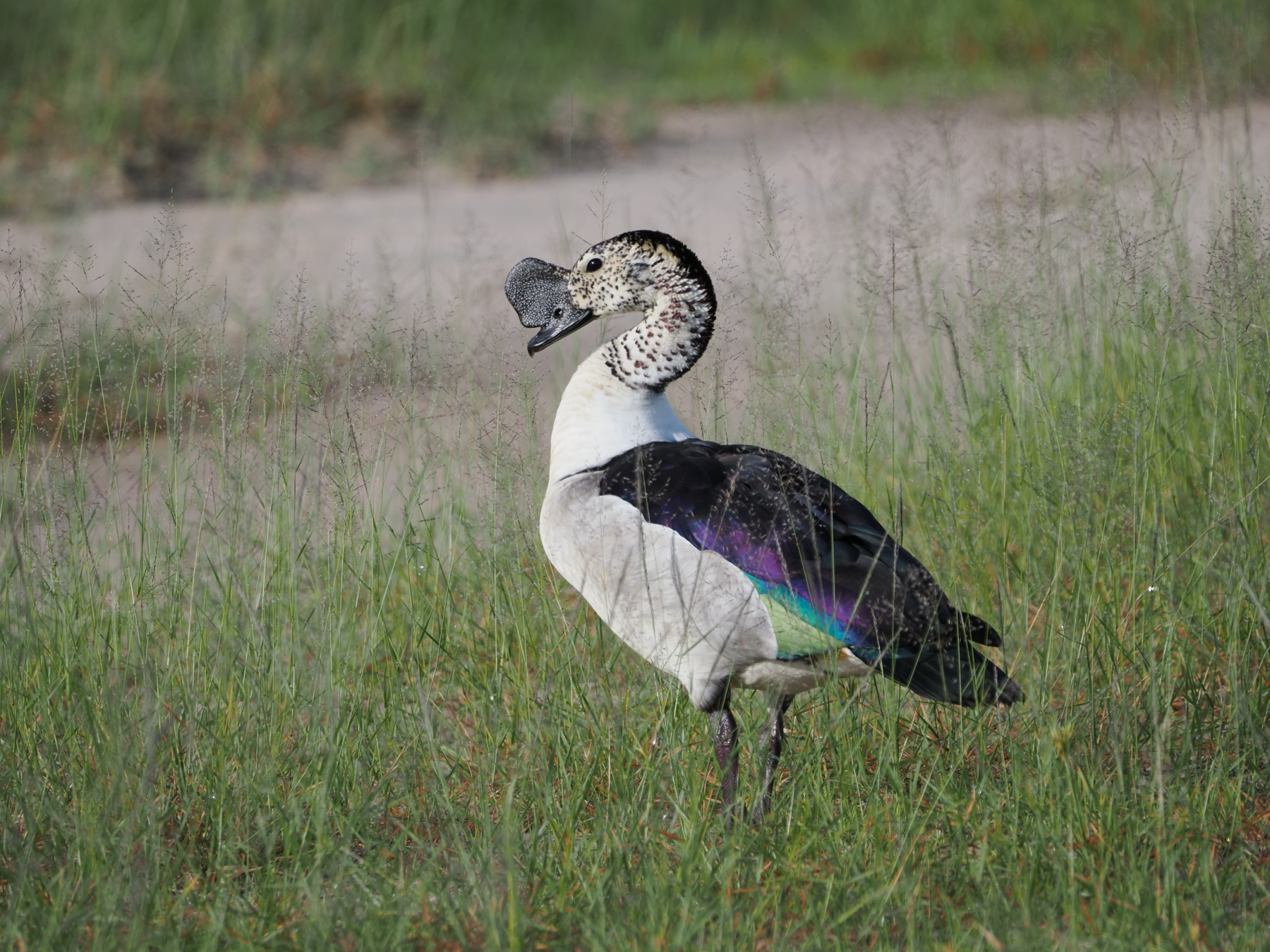
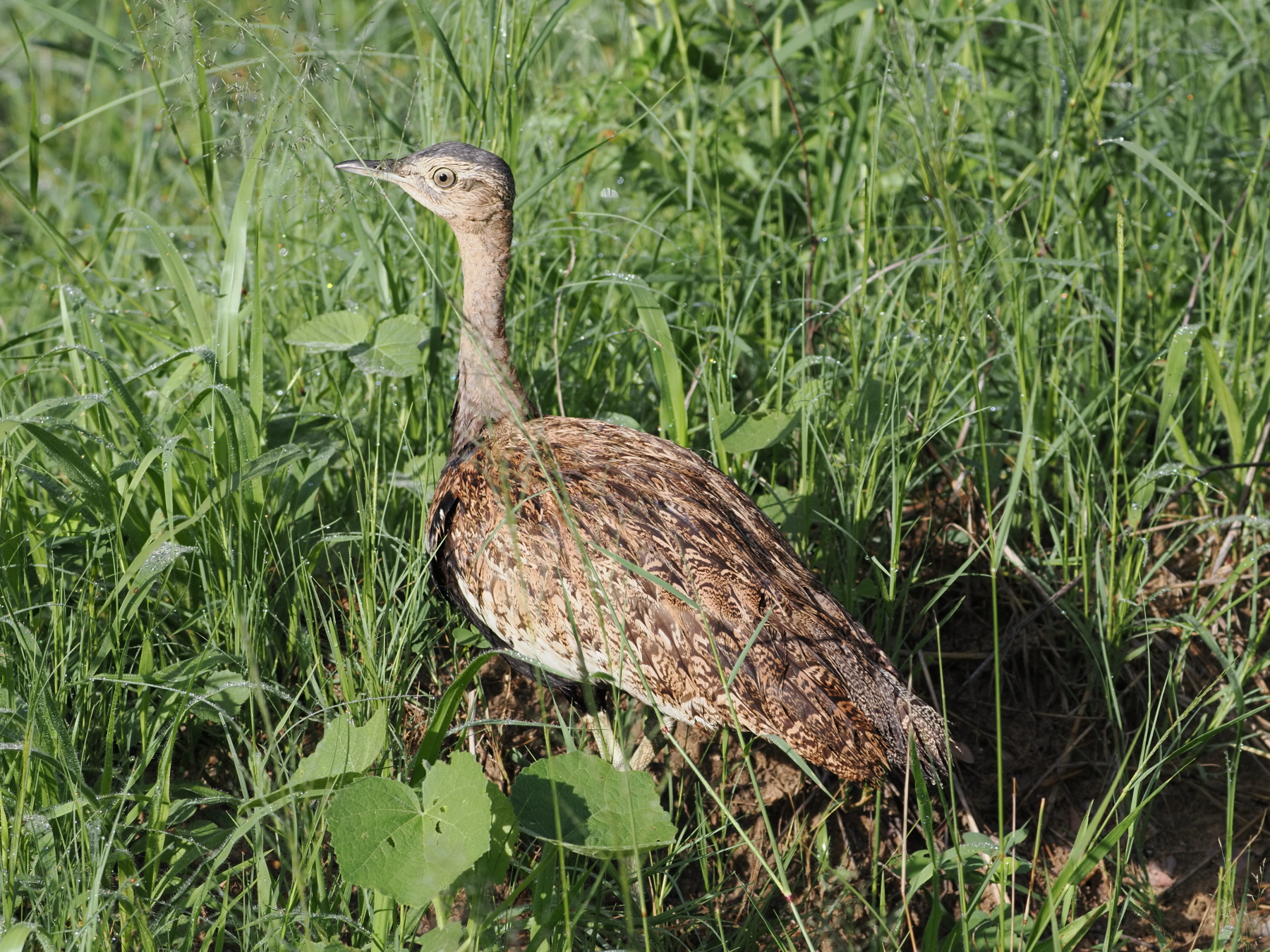
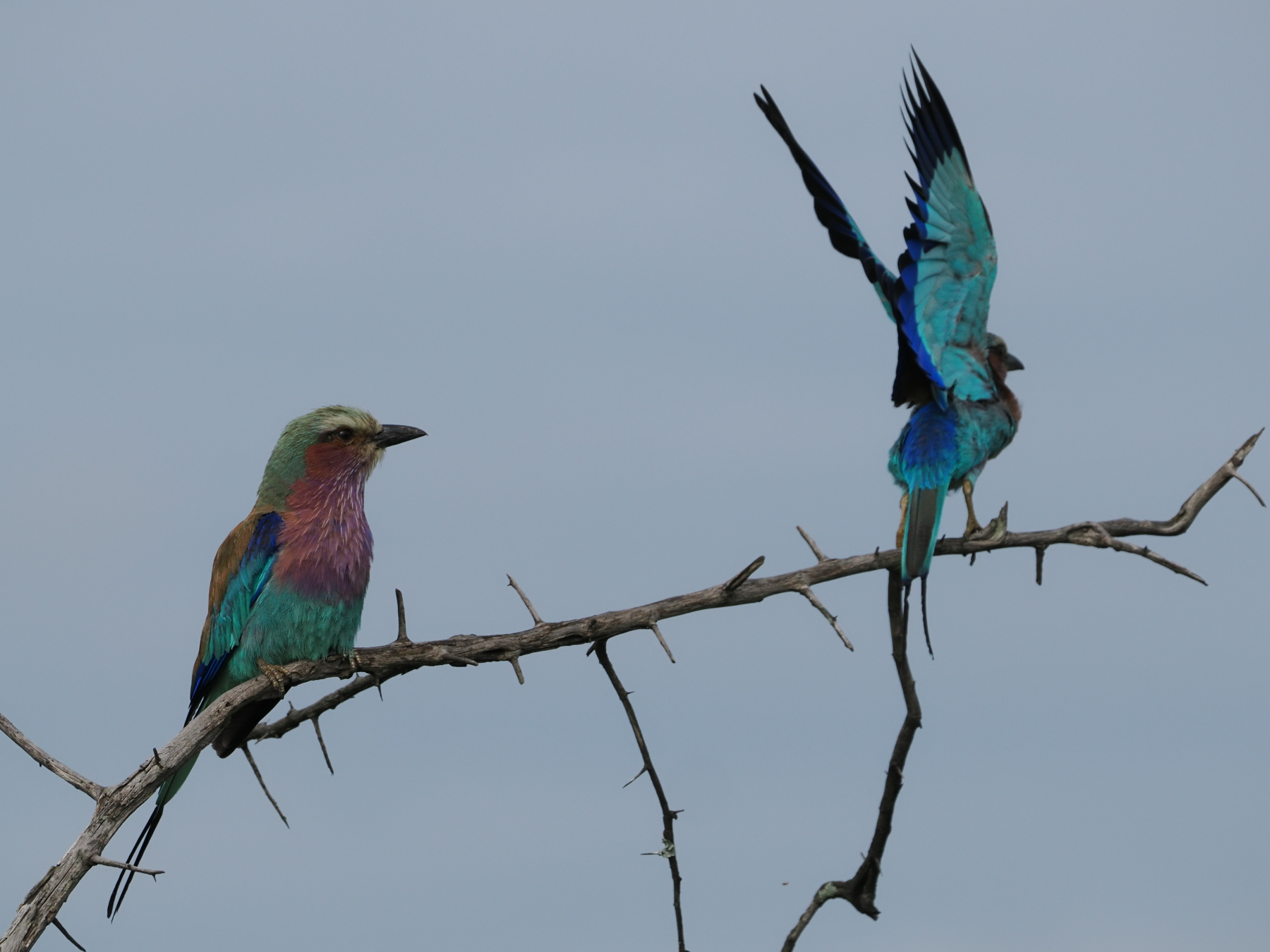
By my own calculation, I am about 55 percent nerd. Others may disagree. In any case, I have been tinkering with my camera again, this time experimenting with custom modes. I have set Custom Mode 1 ( C1) for single shot still photos of animals, while C2 is configured for 20 frames per second to capture animals or birds in motion. There is a lot more to it than that, but at only 55 percent nerd, I do not feel the need to gush about the details. If I am shooting stills, I turn the dial to C1. If a bird takes flight, I switch to C2. It saves a lot of fiddling.
You will not notice much difference in the still photos, but when a bird takes off, and if I manage to keep it in the frame, C2 gives me a decent chance of a sharp image as the camera adjusts autofocus for every shot.
Photographing birds in flight is much easier said than done. A large zoom lens at full extension makes tracking anything a challenge. And as one of five passengers in a safari vehicle, I cannot reasonably ask the driver to reposition for better light or have everyone wait patiently for a bird to cooperate. At 20 frames per second, I will admit to deleting many (many, many) photos with the bird only partially in the frame, or not in the frame at all. Good thing digital photos are free. But I am having fun.
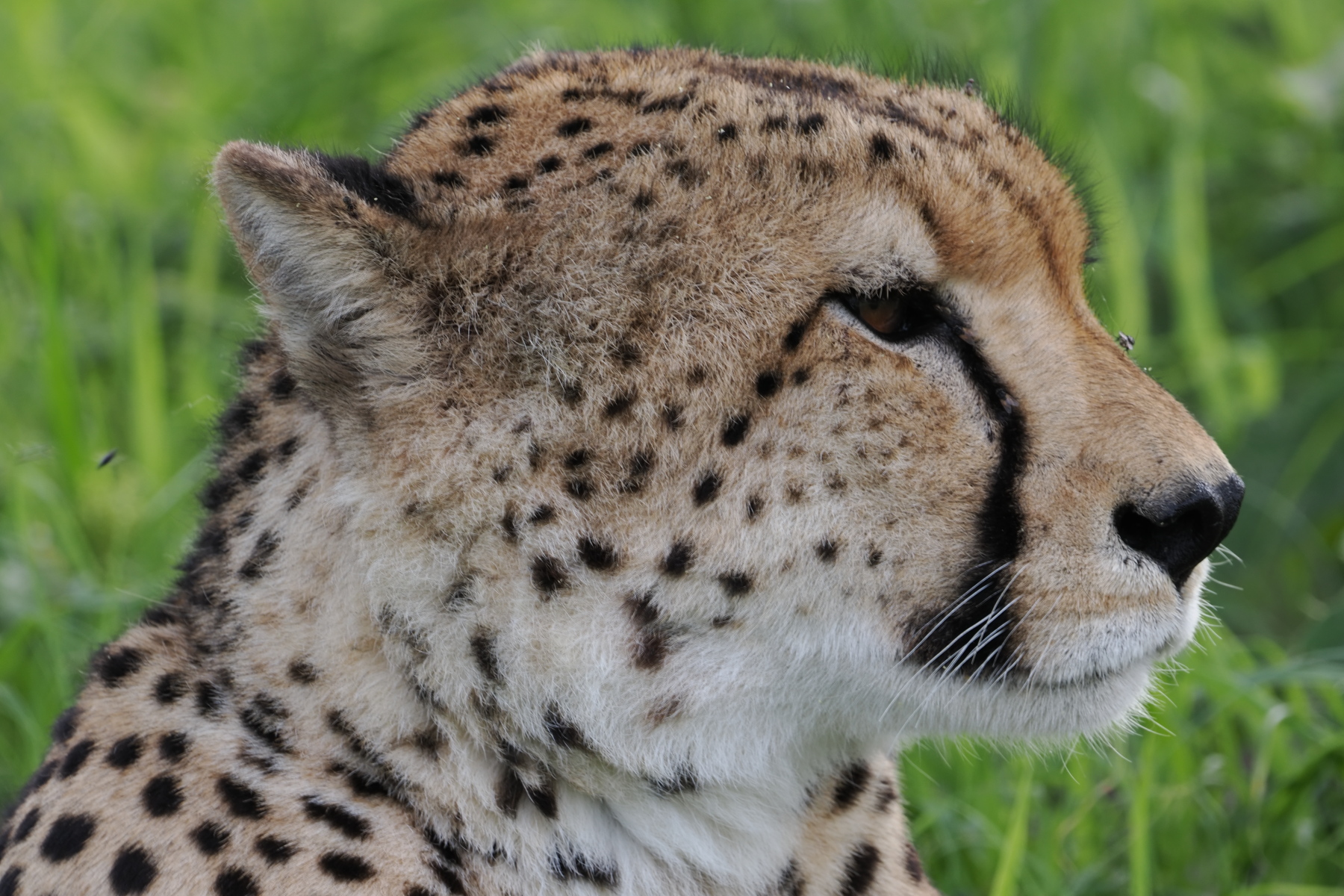
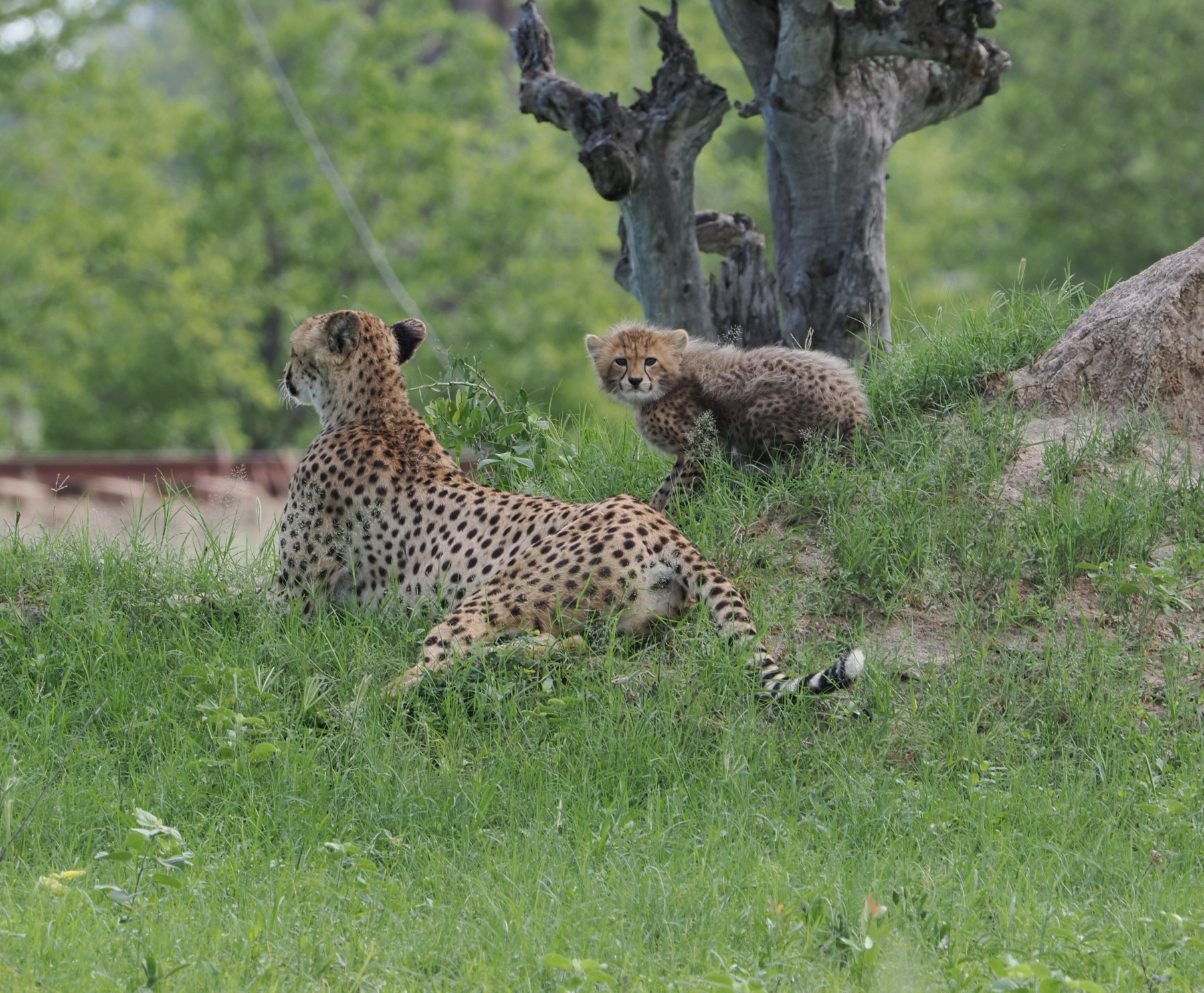
We had a disappointing game drive on Monday afternoon, followed by a very good one on Tuesday morning, including seeing a cheetah cub. The problem on Monday was our guide had heard that painted dogs were in a particular area of the park, so we headed there. By the time we arrived, the dogs were gone. The group in the other vehicle stayed behind to watch elephants instead of venturing off, and ended up surrounded by them. By the time we returned, we had missed everything. Oh well. As Mama G always says, “Safaris are like a box of chocolates. You never know what you are going to get.” Actually, she has not said that, as she has not seen the movie let alone much TV. But I will suggest it.
The real reason for our better game drive today could be that Mama G gave us a “nyami nyami“, a token worn around the neck representing the river god and meant to bring good luck. I had forgotten to wear it yesterday for the bad game drive, but remembered it today.
Sabona (hello!) . One of the special features of an OAT trip is a Day in the Life experience, offered once on each journey. You meet local residents and talk with them about what daily life is really like. After our morning game drive, we visited the town of Ngamo, population about 500. The community traces its roots to a group that split from the Zulus and moved north about 200 years ago. They speak ndebele, a click language and one of Zimbabwe’s 16 official languages.
Each family lives within a fenced area shared with goats and chickens. Zimbabwe is a country in transition, and places like Ngamo still follow many traditional practices, including a fairly strict following practises of respect and dress, arranged marriages, and the payment of a dowry, or bride price. Second wives are possible, though apparently becoming less common.
We met the matriarch of one family, along with one of her daughters, several granddaughters, and various cousins and neighbors. They have a compound with seperate bui;dings for kitchen, bathroom, sleeping area and meeting area. The houses are built from sand taken from a vacated termite mound, which forms a concrete like material when mixed with water. They are topped with a thatched roof. The floors are made of the same termite sand material, with leaves rubbed in to add color and reduce dust. They grow their own millet, sorghum, and corn in a fairly large garden, and have a mango tree in the yard. The mangos were spectacular. It is not quite subsistence farming. The small amount of cash they need comes from selling surplus crops or from money sent by relatives living in the city.
We sampled a typical meal, including fried mopane worms. The “worms” are actually caterpillars that feast on mopane tree leaves. They were slightly crunchy and salty, and did not taste like chicken. They’re a common source of protein in the traditional diet, and Mama G says she loves them. Another protein source are alates (winged termites looking for a new home) that swarmed us while we ate dinner at the camp. These are fried but we didn’t get to try them.
Zimbabwe’s current challenge is staggering unemployment, estimated at around 90 percent. Education will help, but only if there are jobs when students graduate. Mama G noted that many well educated Zimbabweans end up in South Africa driving for Uber. It is a difficult and deeply complex problem.
On Wednesday, 17 December, we leave for Toka Leya Camp near Livingstone, Zambia, with one final game drive on the way out of Hwange. We will stay at Toka Leya for three nights.
Ngiyabonga (thank you!)

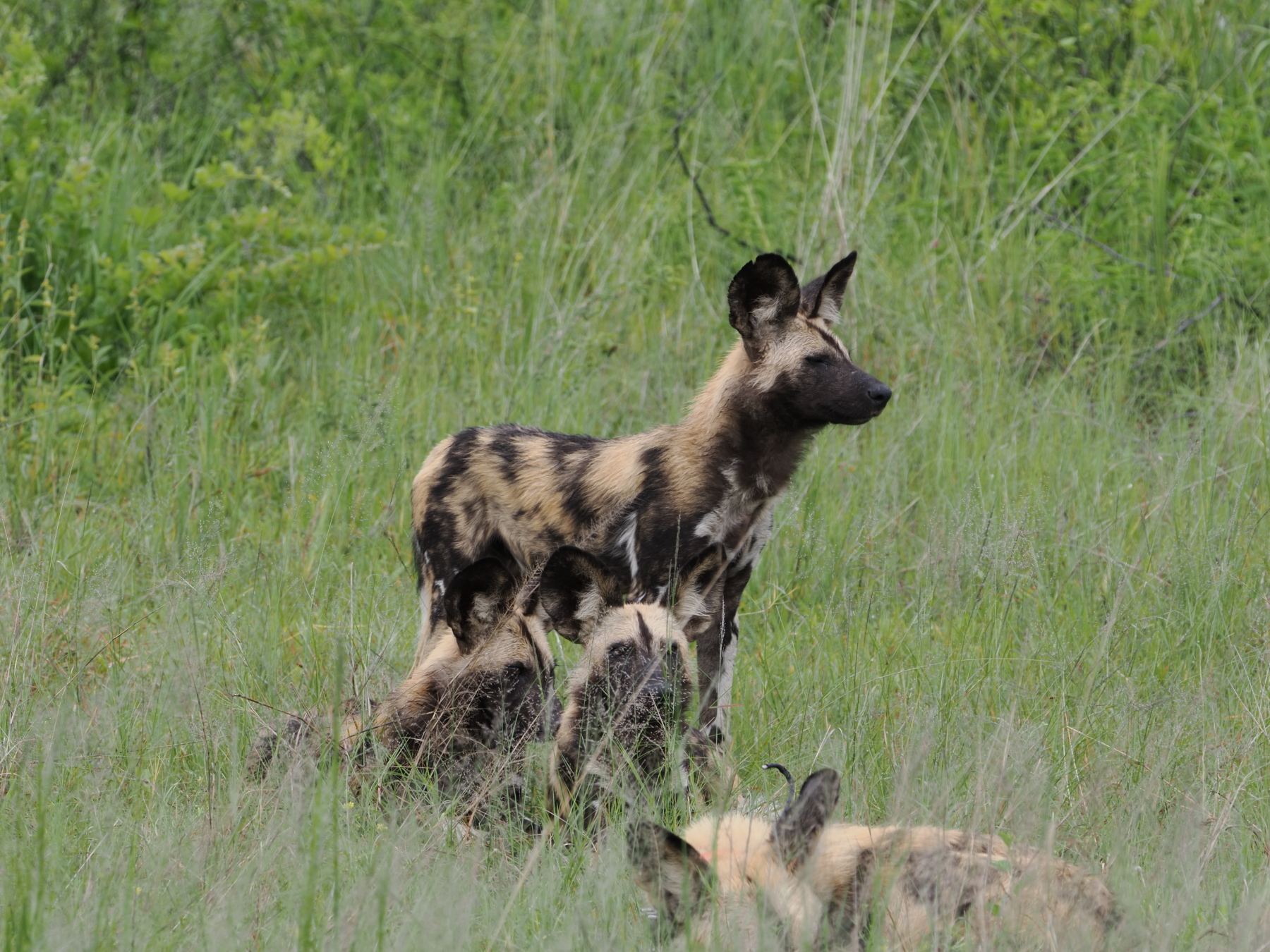










Sounds like a great start to your trip! We were lucky enough to see a pack of painted dogs, and the other guides all came rushing over to see them. They are beautiful animals. Hopefully you’ll see some before you leave!
I think unemployment is worse now than it was a few years ago! So sad. The Chinese service coal mine is so disturbing with little value to the community but extremely polluting.
Love you commentary, David!
Great writeup and photos! Thanks for sharing!