Category Archives: Southern Africa

trip to South Africa, Zimbabwe, Zambia and Botswana

Going on a lion hunt

Santawani Camp, near the Okavango Delta, Botswana
23-26 December 2025

We read Going on a Lion Hunt countless times to our kids when they were small. Now we’re living it. We have our binoculars, and we truly have been going over rivers and through grass.

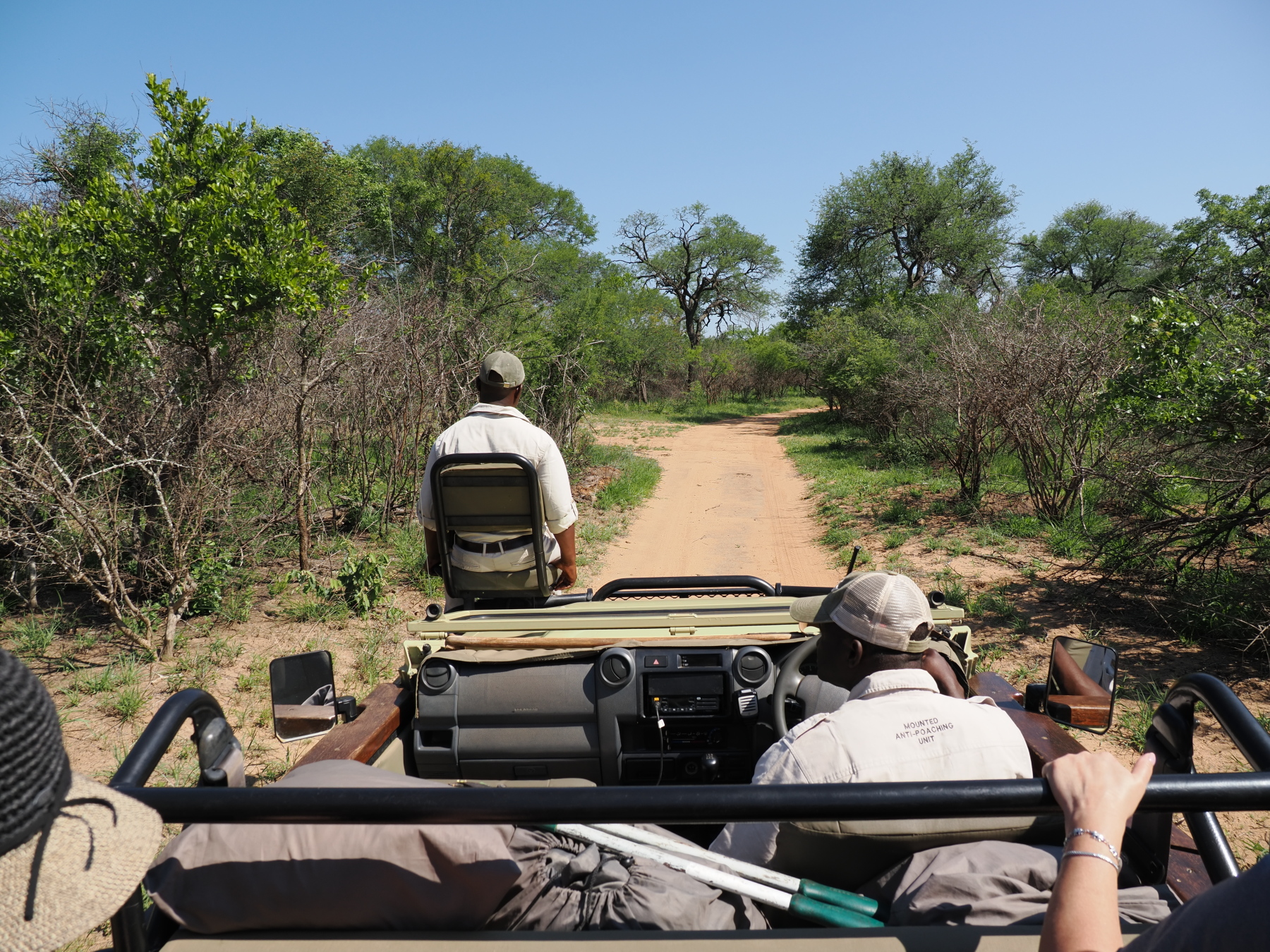
This camp is in a conservancy rather than a national park, which means very few vehicles and far more freedom. Our driver is technically supposed to leave the roads only when following a “high-value animal,” but we always seem to be following one, so about ninety percent of our driving has been off-road. Gully, our driver, reads the bush constantly, watching for signs of lions and leopards: multiple vultures perched in a single tree, vultures circling overhead, impalas standing rigid and staring in the same direction, footprints pressed into the sand.

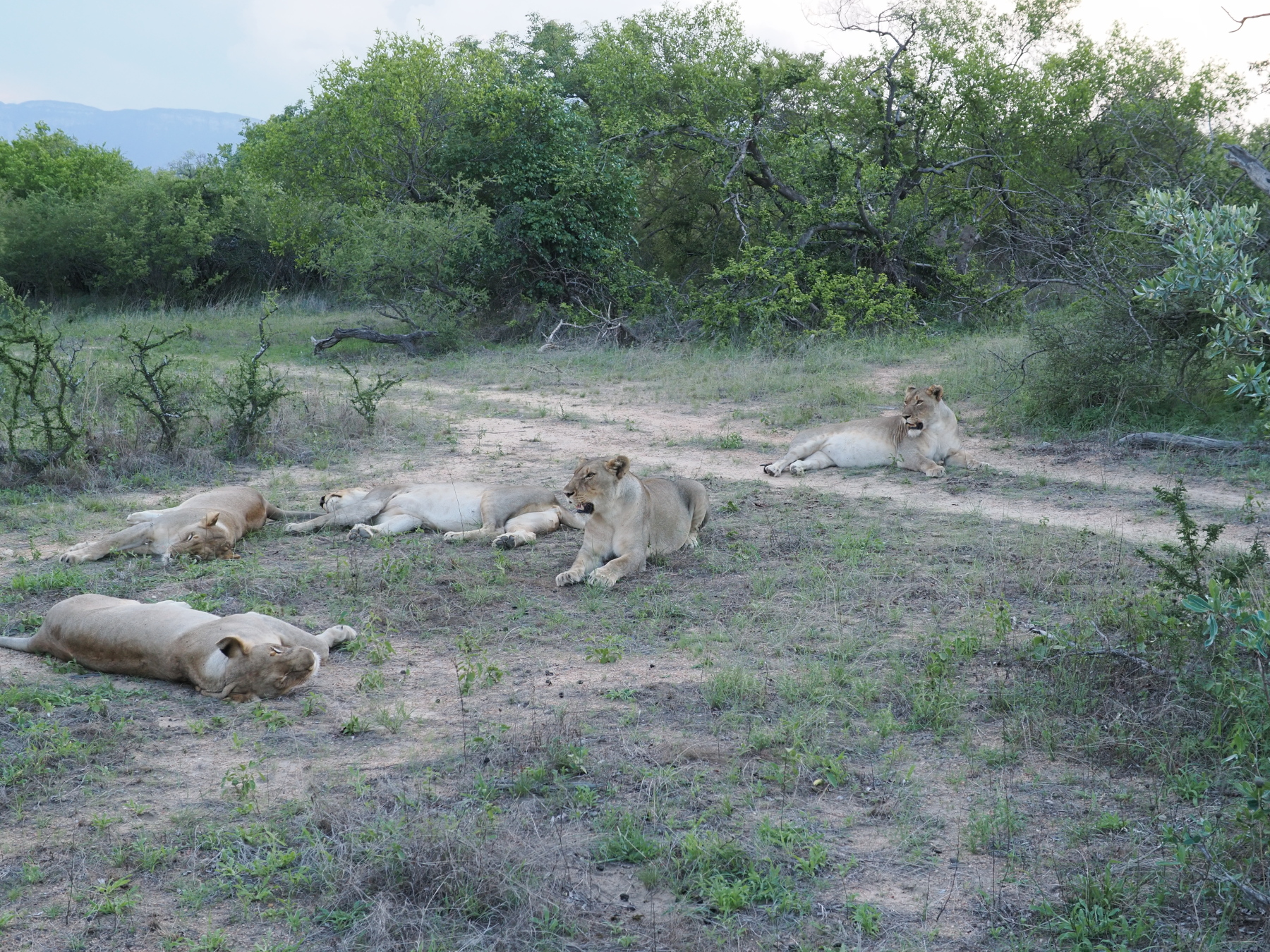
Tuesday, after it was already quite dark, we found five lionesses and a cub. Wednesday (24 December) we have been less successful so far, but the search itself has hardly felt like a disappointment. Along the way we’ve seen all the usual animals—kudu, elephants, giraffes, wildebeest, impalas, and a jackal—plus some new birds and four bat-eared foxes. Even when we’re not finding big cats, it never feels like we’re missing anything on these cross-country treks.

We flew here in a Cessna Grand Caravan (206B) from Kasane, landing on a small airstrip near the camp. Although we’ve been worrying about rain all week, we had a wonderful direct flight and touched down on a bone-dry runway. It poured overnight, but both last night’s and this morning’s game drives were dry.

Santawani is a tented camp, so we’re glamping in the same spirit as Big Makalolo in Hwange National Park. At the entrance to our tent were one-day-old lion footprints left from the night before. Walking from our tent to the main camp requires crossing an “elephant highway,” a well-worn path used by elephants and other grazing animals on their way to a nearby waterhole. We definitely have to be more alert here than in other places we’ve stayed. Perhaps this is how Sarah and I finally break the tie in our Survivor game from Chobe—but the stakes are higher than finding geckos.

Sarah is considering making a coffee-table book called Termite Mounds of Southern Africa. I think she’s joking, but they do come in an astonishing variety of sculptural shapes. Someone once said that if you give an infinite number of monkeys an infinite number of typewriters, one of them will eventually type the complete works of William Shakespeare. Sarah’s termite-mound corollary is that if you give a lot of termite colonies enough space, one of them will eventually produce a replica of a Henry Moore sculpture. We’ve seen some very strong contenders.

The Okavango Delta is a “backwards” delta. There isn’t a major river spreading into a delta and then flowing to the ocean. Instead, a river fans out as it flows into the Kalahari Desert. There is no significant river leaving the delta, so almost all the inflow evaporates across its huge area. This fresh water supports abundant vegetation and wildlife, but there is concern about climate change and human encroachment.

Merry Christmas! Thursday we went on a mokoro (dugout canoe) ride in the delta, with a guide poling us through a swampy inlet about three feet (one meter) deep. We learned about the medicinal uses of various plants and spotted an Angolan reed frog. I kind of wish we’d gone out into the main channel by motorboat to see what wildlife we might have encountered there, but I understand those tours are being discouraged due to the environmental damage.
On the way back from the makoro, we saw another leopard. The leopard was resting in a tree, having just killed and partly eaten an impala before dragging it up into the branches. Victoria then spotted another half-eaten impala in a nearby tree, likely within the same leopard’s territory. Shortly afterward, we passed a large herd of impala. I’m starting to think leopards are really just farmers, raising impala within their own territory for their own consumption. It’s a good gig.

Just before our afternoon game drive, we helped the camp staff plant a new baobab tree. There are no baobabs in the area… and in 20 years we hope this will be the first of many to reach maturity. There is even a plaque near the tree that each of us signed.

Unfortunately, unlike in the book, we didn’t find a lion. Still, we had a wonderful time here. The staff concluded our stay by singing traditional songs and serving a traditional meal — a perfect way to end our final safari in Africa.

Tomorrow we fly to Victoria Falls for two nights, then head to Cape Town for a week to finish our trip.

Late breaking news -we did find the 5 lionesses and cub on the way to the airstrip!

Gully our guide looking for traces of lion passage
Lion paw prints. They passed after last night's rain
Leopard -I did not want ot take a pic of the impala kill
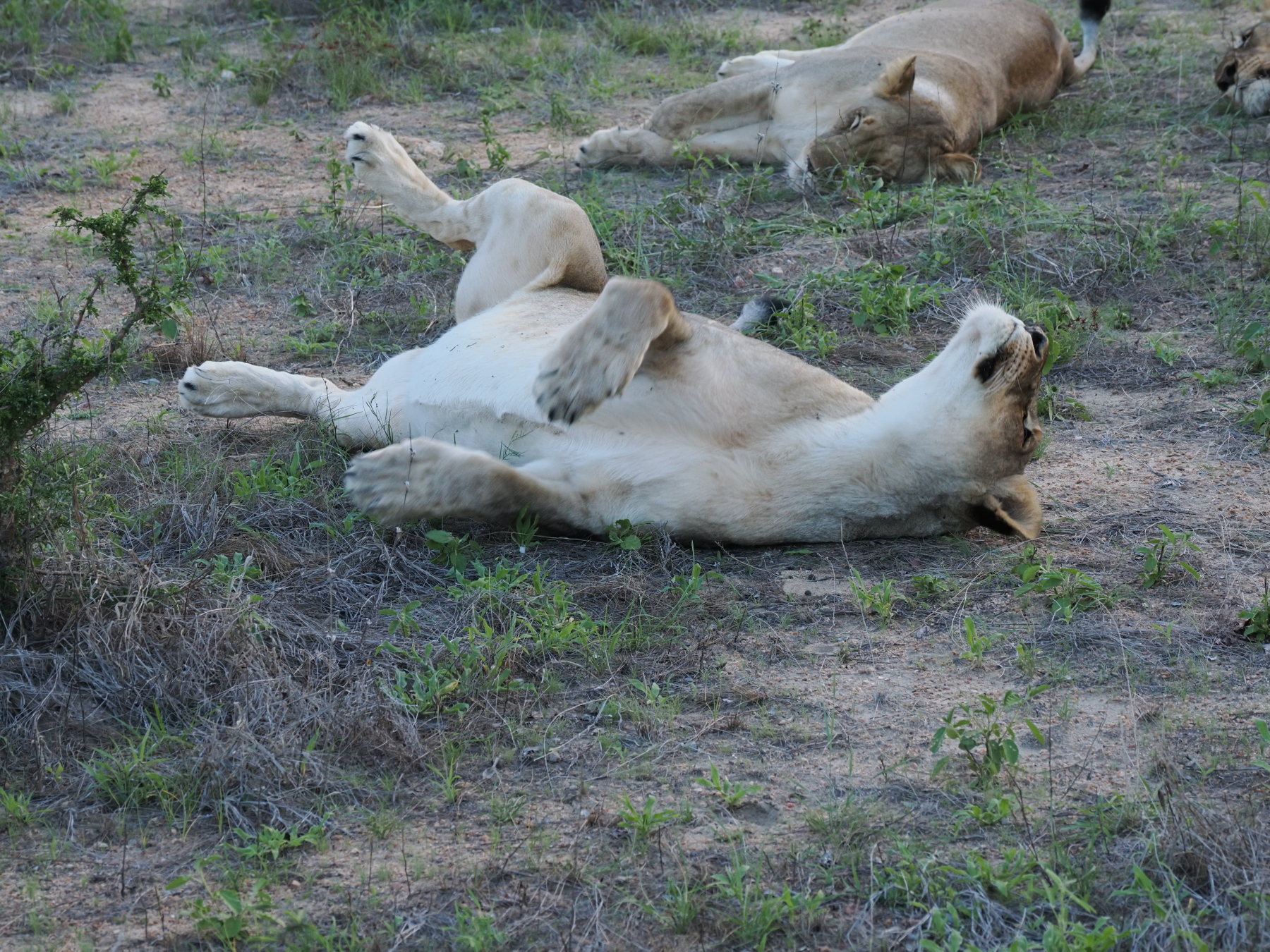
She looks comfortable and uncomfortable at the same time
A water lily necklace
island in the okvango delta
Angolan reed frog - this little guy is maybe 3cm long
poling down the okavango delta
Red Lechwe are similar to but a bit larger than an impala. THey are adapted to waterside living.
Oxpeckers discussing their cleaning plan
Tsessabe - s new antelope for us but similar to the Topi we saw in Kenya
Saddle billed stork
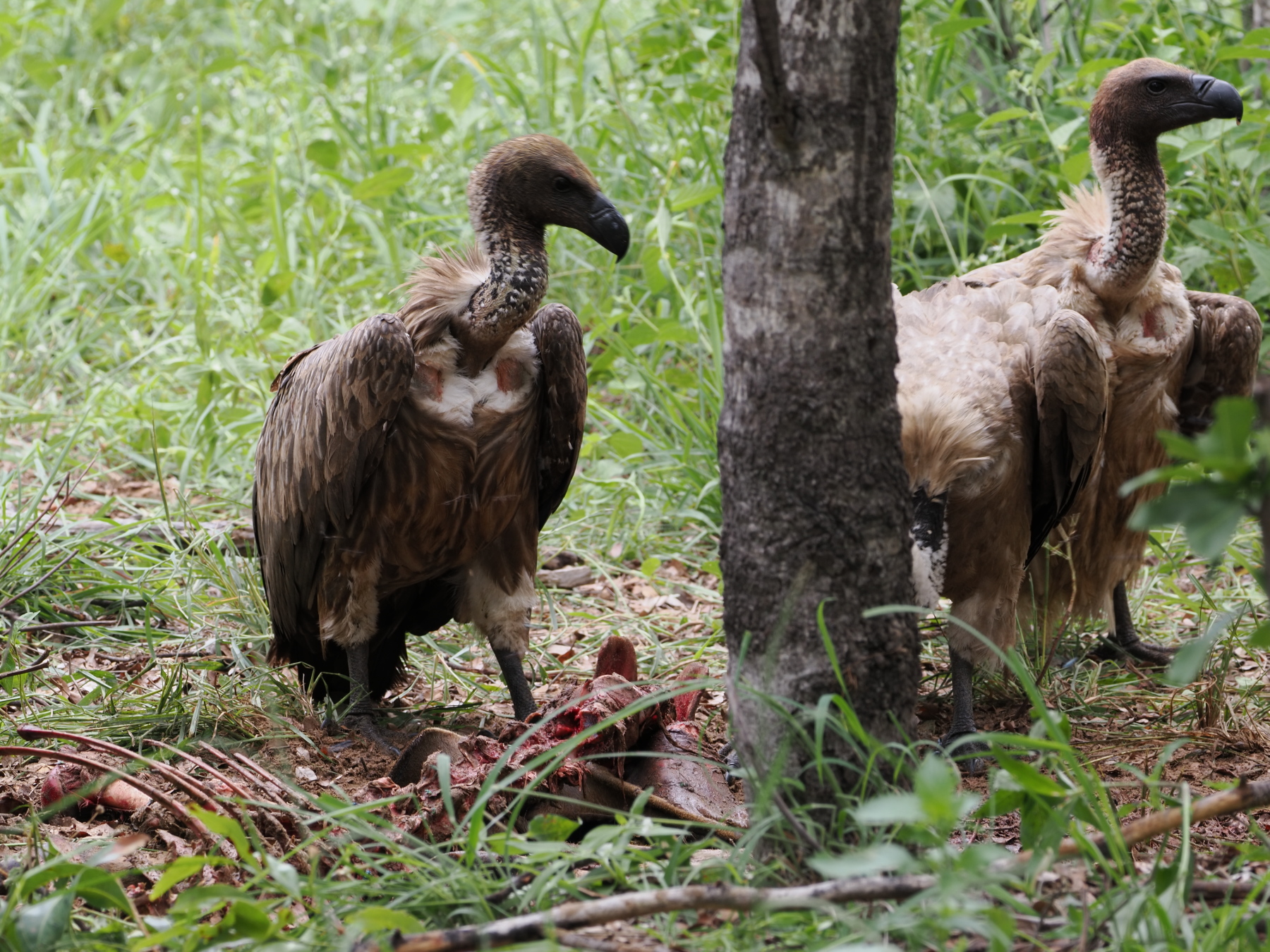
lappet faced vulture
lappet faced vulture - this is a big bird: 1m wingspan?
Coppery tailed Coucal. I don't make this stuff up! Also called the rain bird because of the sound of its call
Black backed jackal - he was snapping at flies to eat
Bat eared foxes
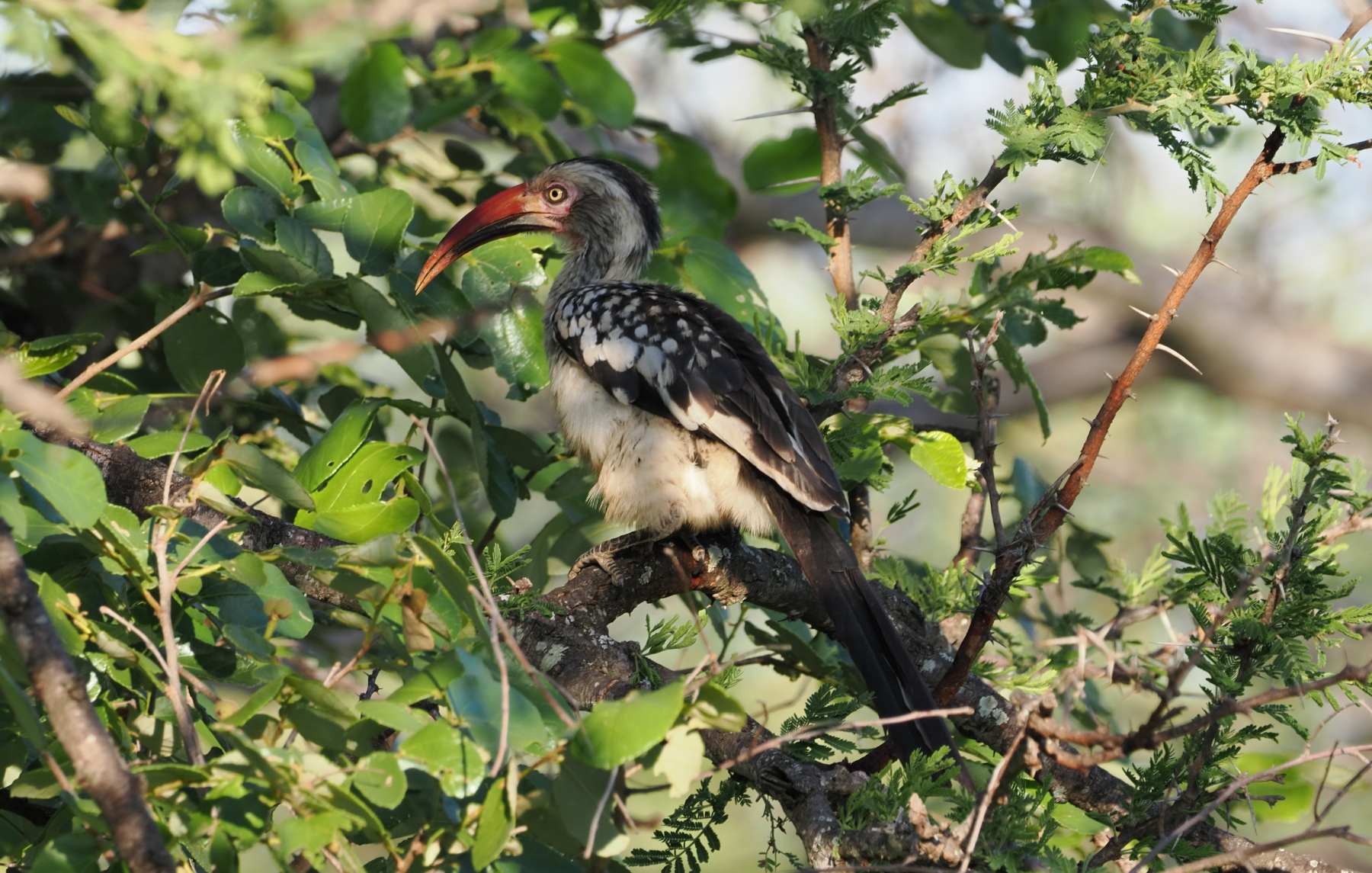
Red billed hornbill (the flying chili pepper) surveying the world from a termite mound
Southern Masked Weaver
Tsessebe and baby
The african salute (ie. butts to camera) by the whole herd
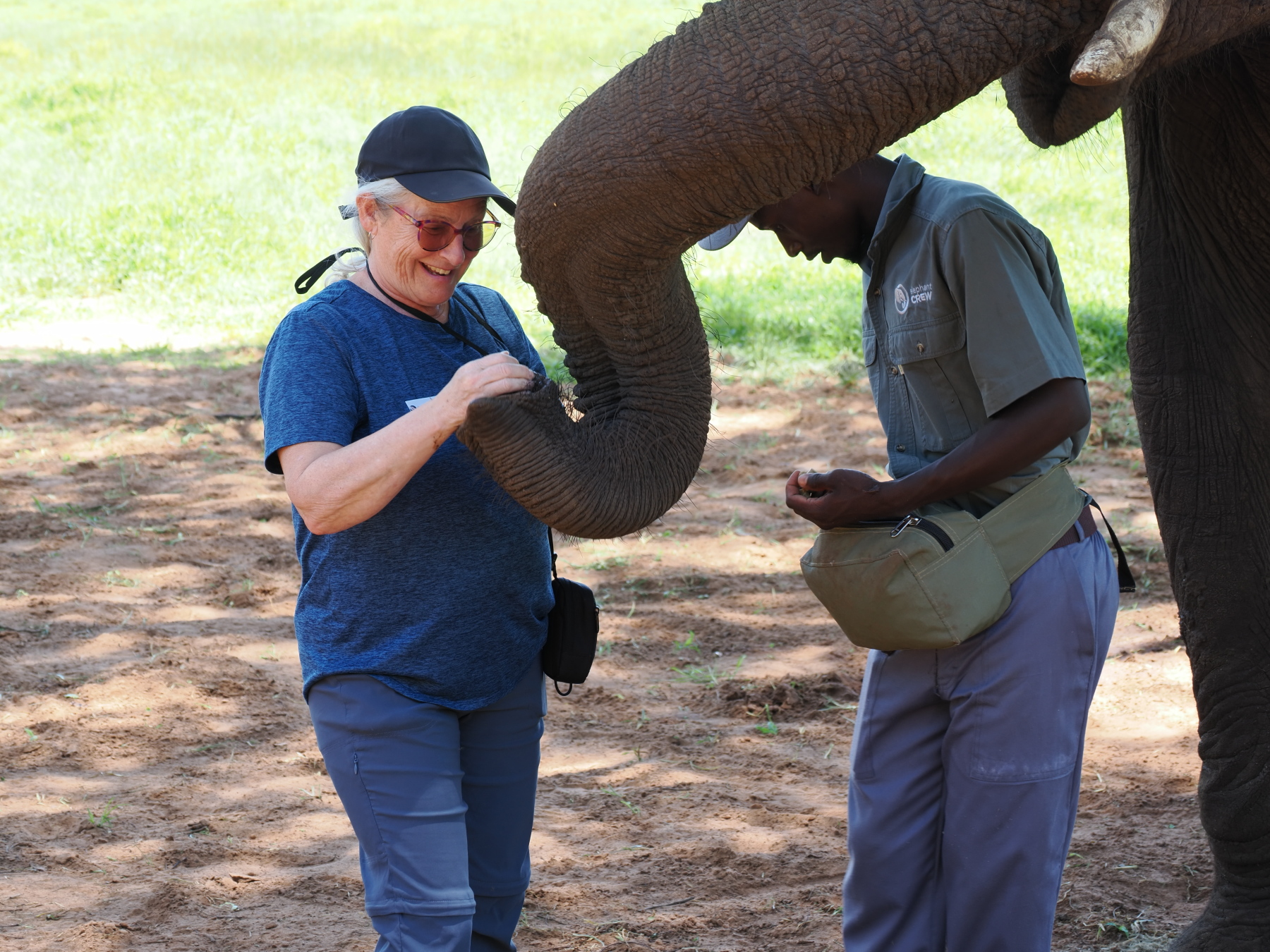
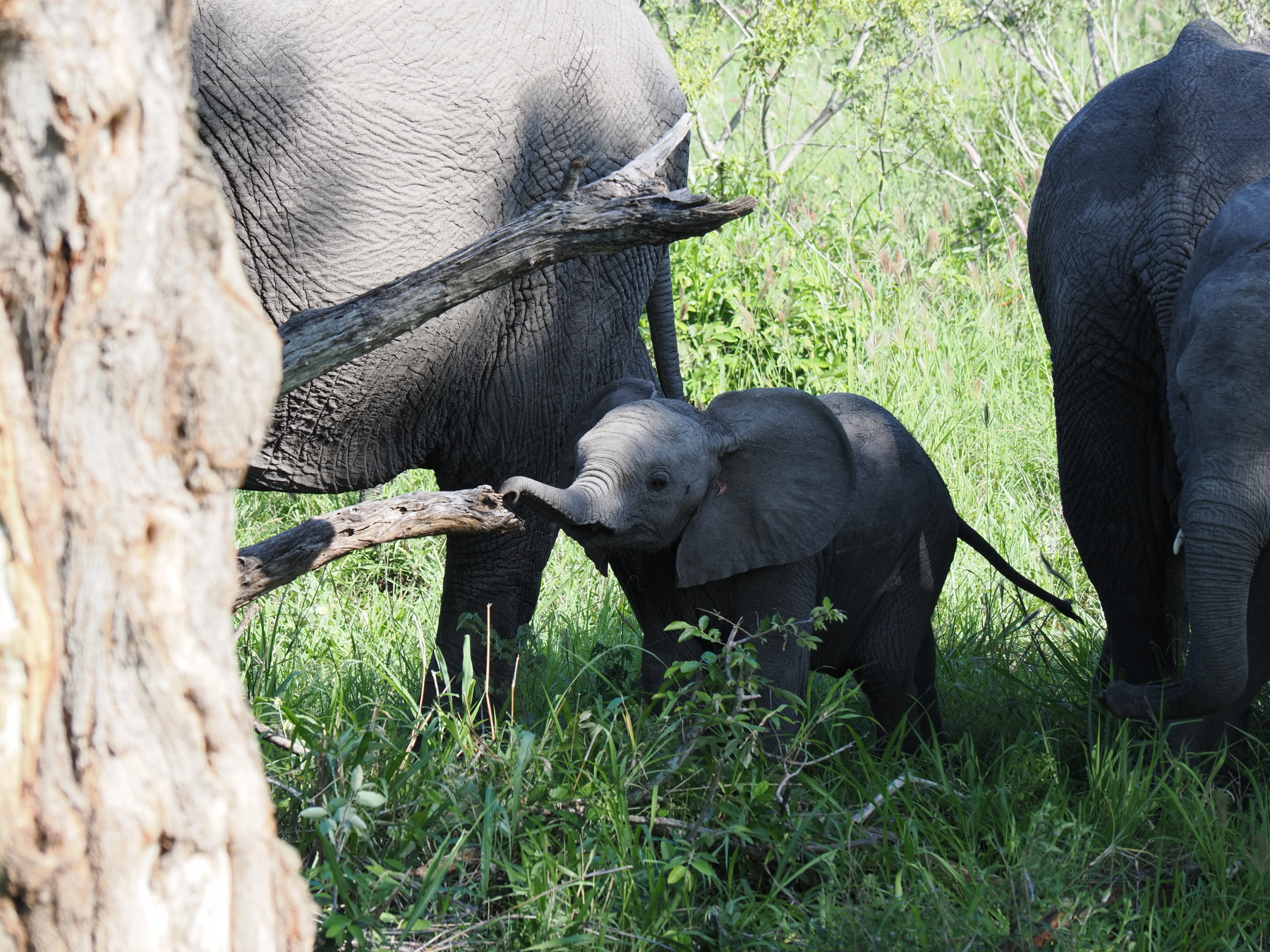
This baby elephant had some damage on his trunk - likely from a croc.
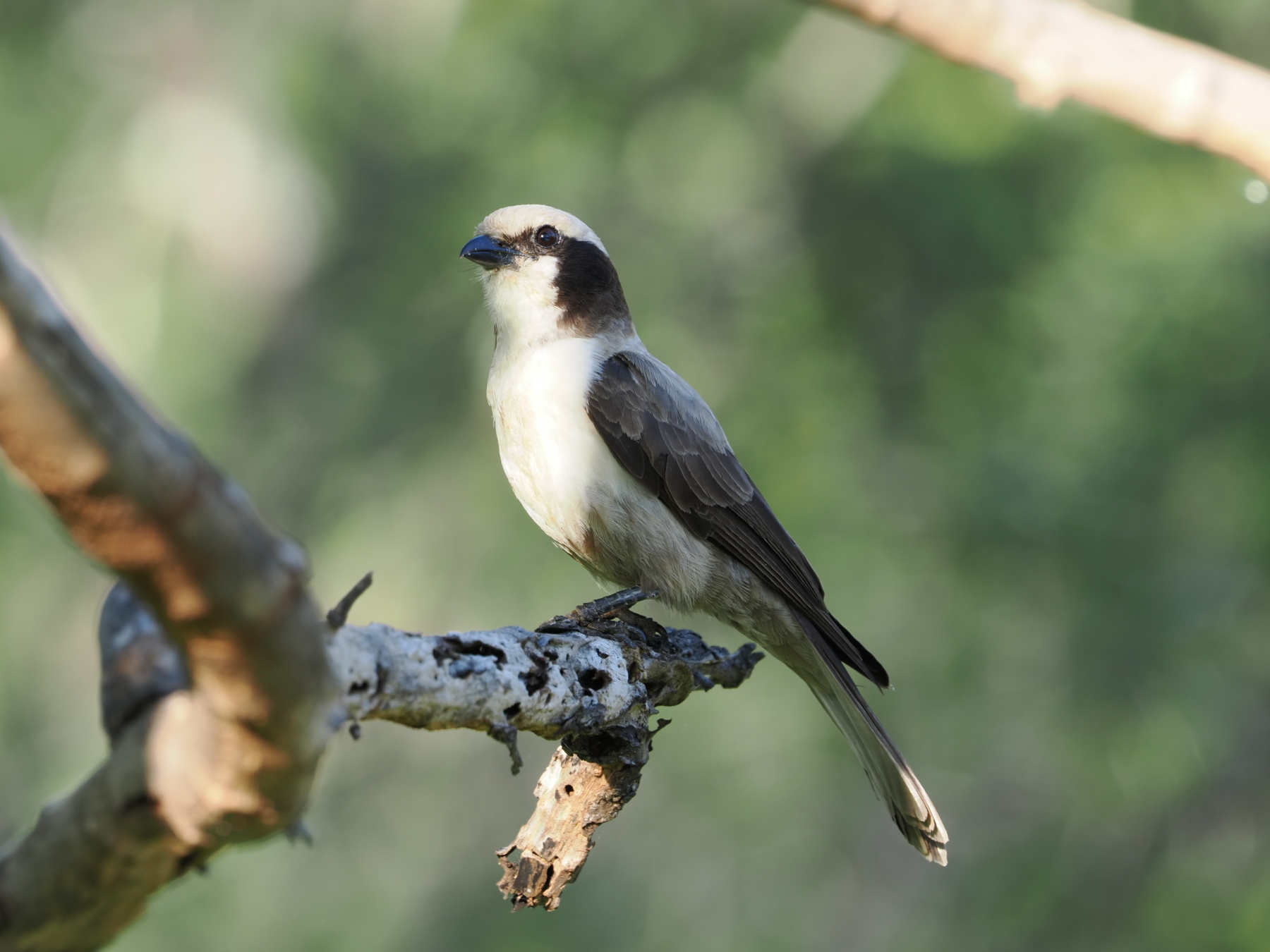
Crimson breasted shrike
Cessna Grand Caravan . There was a warning sign in the cockpit:  don't take off witih ice on the wings. Good to know.
Sarah, Victoria and I inside a baobab tree in Kasane. This used to be a temporary jail for prisoners before transfer to the big city
Baobab tree planting turned in to a gardening session for Sarah
I didn't know cubs had super long lashes
Getting some milk from Mum
huh -my lens fogged up in the humidity, I'll have to be careful of that
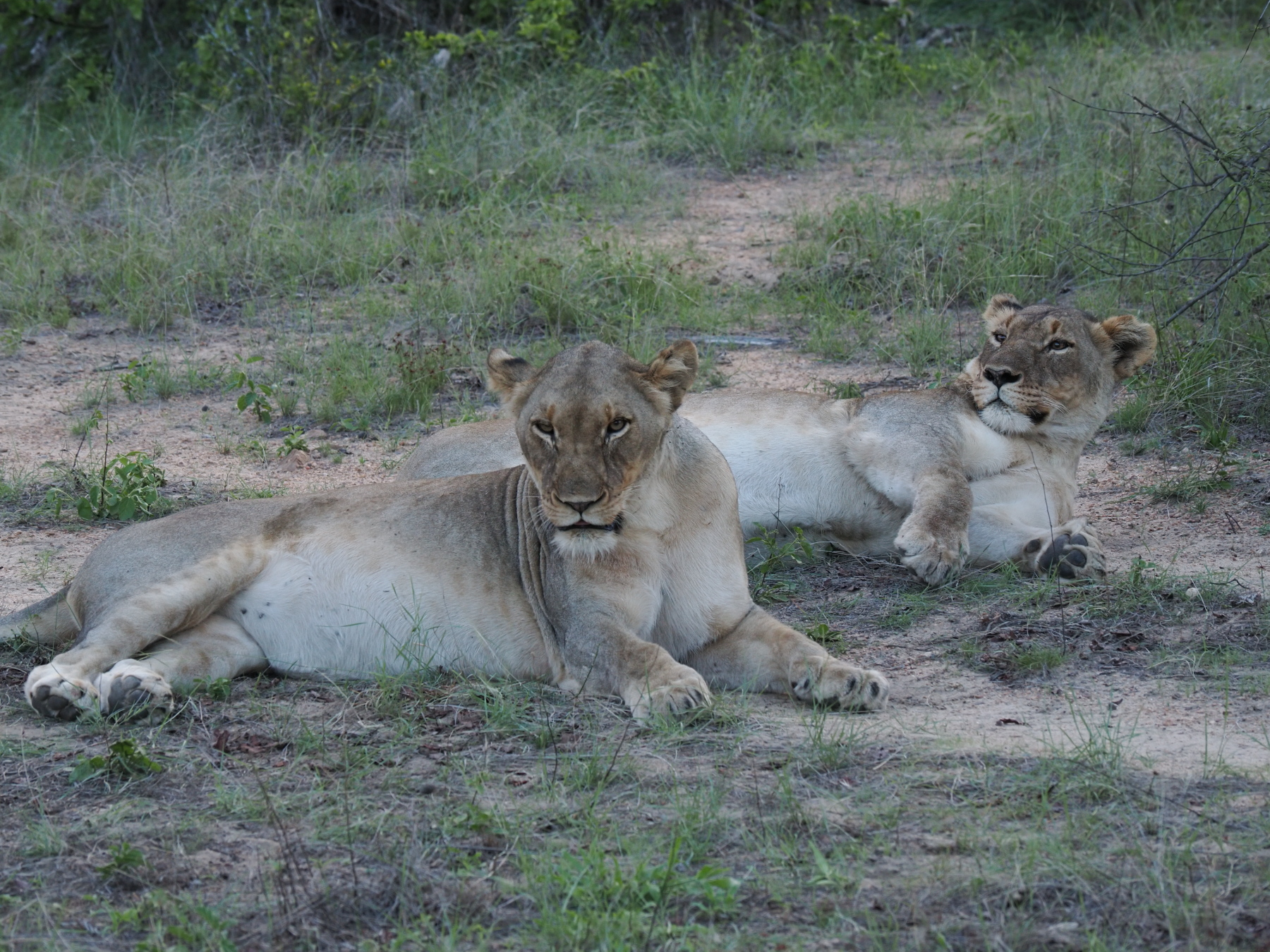
one of the lionesses. Apparently they all take care of the pup.
Glorious sunsets from the dining room table
A typical toddler = he's not interested in moving any more.
amother fish eagle
Its hard to take the stare of a cape buffalo seriously when there's a bird in its nose.
sole male
THis is the view from the main washroom in the central area. Yes, there is no window there.
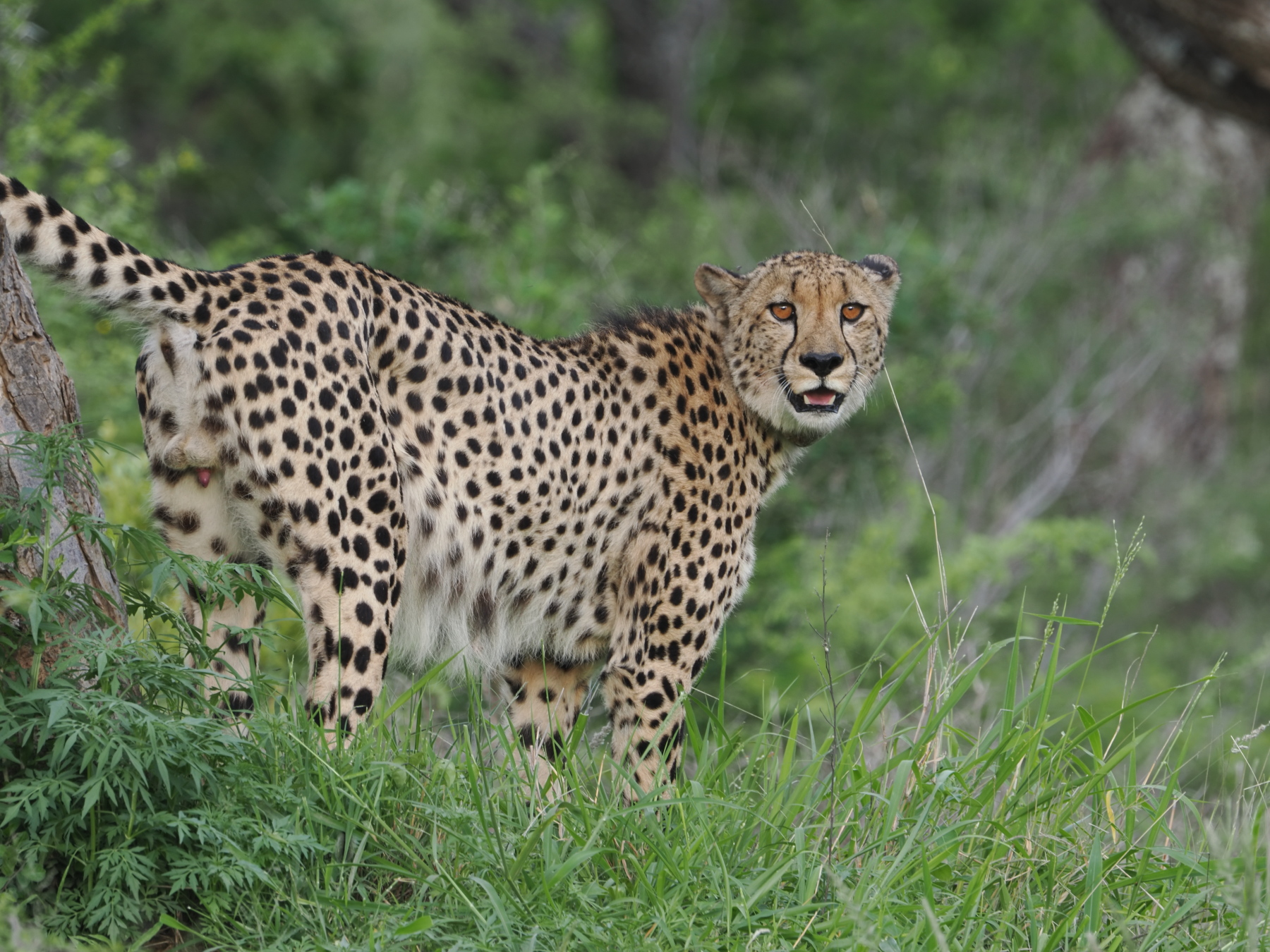
f you want to know if a leopard or cheetah is pouncing on you, look for the black tear colours under the eyes. Leopards do not have them.
previous arrow
next arrow
Gully our guide looking for traces of lion passage
previous arrow
next arrow
 

Did I mention it was rainy season?

Baobab 1 Safari Camp, just outside Chobe National Park, Botswana
(it’s pronounced Bootswana!)

We went to Kenya and Tanzania at the same time of year seven years ago, during what they called the “little rains.” Back then, it usually rained overnight, so it didn’t really affect our plans. Based on that experience, we didn’t think the rainy season would be much of an issue this time either.

Well… it is the rainy season here. There has been thunderstorms and heavy rain passing through. Today there was a huge storm with two bolts of lighning that struck very close the the camp: the flash and the thunder could not have been more than a few seconds apart.

It absolutely poured during our first game drive. One vehicle got stuck in the mud, so everyone piled into the remaining vehicle for the ride back. Today’s game drive was much drier, and we saw lots of birds and grazing animals. The OAT travelers still haven’t seen lions or leopards, so we’re very glad we saw lions earlier in the South African part of the trip, before joining the OAT tour.

The camp here is pretty rustic: no air conditioning, no fridge, and probably closer to a two-star hotel. But it’s comfortable and clean, it just needs some work. The view from the main lodge is incredible, looking out over the plains along the Chobe River between Botswana and Namibia. I took a series of panorama shots with my good camera, but I’ll have to stitch them together when I get home. This photo is from my Samsung phone.

I suggest making the photo full size by clicking the square in the bottom right corner. Then you can scroll around with your mouse. Press “Esc” when you’re done. It’s only a 180-degree view, so it loops back to the beginning and keeps scrolling, which makes it look like a full 360.

It’s hard to see, but there are waterbuck, giraffes, and impala in the picture—and even some cows from Namibia that wade over the shallow river to graze.

We had a game drive along the Chobe River yesterday evening, followed by an eight-hour game drive today that took us much farther into the park. Both drives had periods of rain, but we persevered and were rewarded with seeing a lion yesterday and a leopard walking along the highway today. We’ve also never seen such large herds of impala or such large towers of giraffes as here in Chobe.

Sarah and I are playing a real life game of Survivor: outwit, outplay, outlast. There is a family of 5 geckoes living in our tent and they seem to have made a home behind the bathroom mirror. The most adventurous of the bunch, who I’ve named Gordon, was missing his tail. Perhaps Gordon was a bit too adventurous. Sarah and I are at the age where making it through the night without a bathroom visit is unlikely. I slyly outwitted and outwaited Sarah in the middle of our second night, so she had to run the gauntlet of geckos first. She survived, didn’t step on any gecko appendages so the path was safe and clear for me to go. Pheuw. But last night, I couldn’t wait, so had to go first. Mission accomplished, but we’ll have to figure out how to break the tie.

The visit ended with a traditional Botswana meal, and then the staff entertained us with song – the typical african music of a lead singer amd chorus. It was wonderful.

We’re scheduled to fly to the Okavango Delta today. The groups ahead of us were each delayed by a day getting to the next camp in the Okavango Delta because the airport runway was too muddy. I hope we can move on successfully!

We stopped at a small village in Zambia on the way to Chobe,
Another lilac breaster roller. The guide says this is the most photographed bird on the safari drive
Lilac breasted roller - apparantly the colours attract the bugs that it eats
White faced whistling ducks
African fish eagle
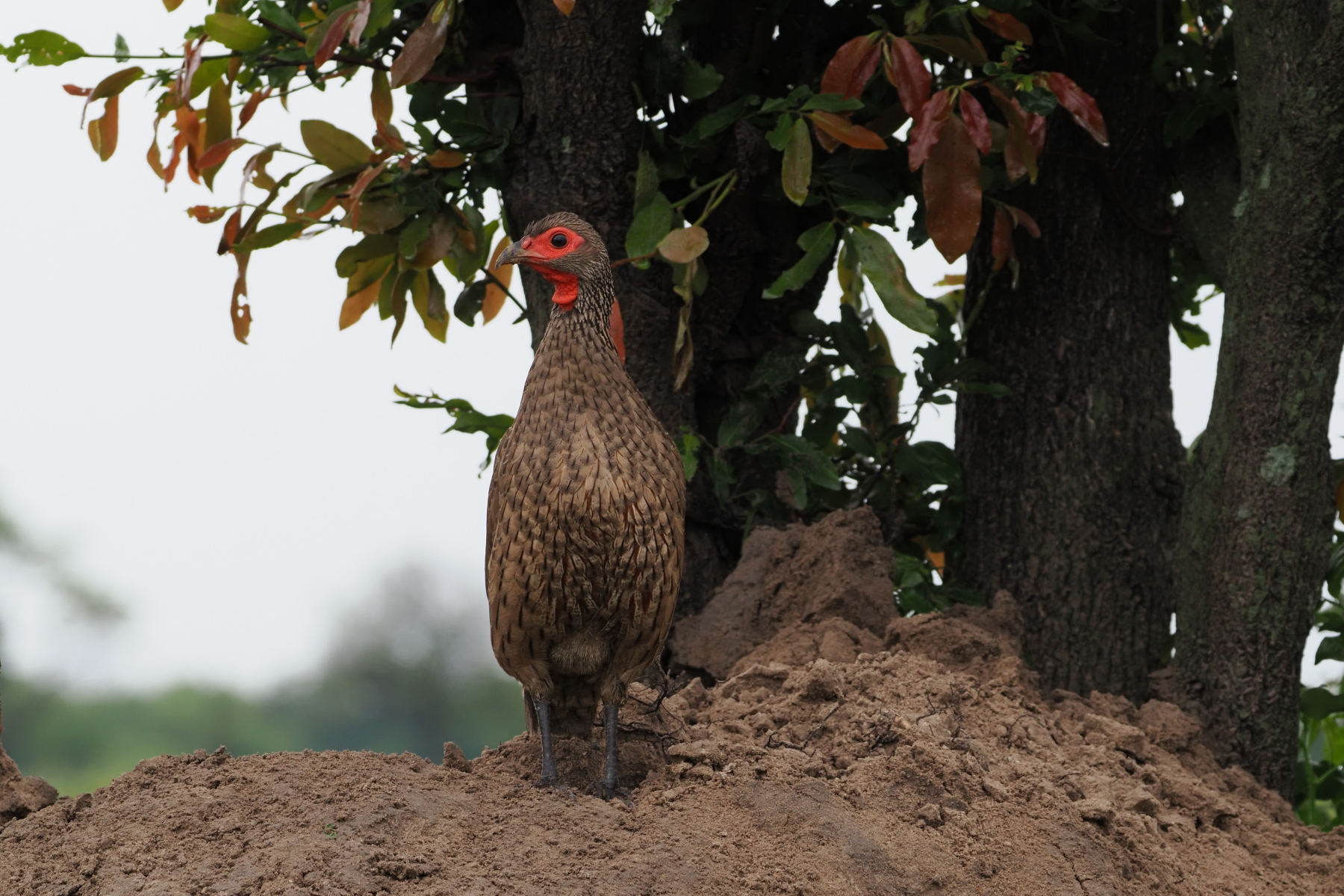
Red billed spurfowl -hiding from us.
Namibian fisherman in a dugout canoe
Prancing baby impalas
African open bill stork
Marabou Stork - one of the ugly 5
Marabou Stork - his one leg (the black one) was badly infected
Chacma baboons
Southern ground hornbill... with a snack in its mouth
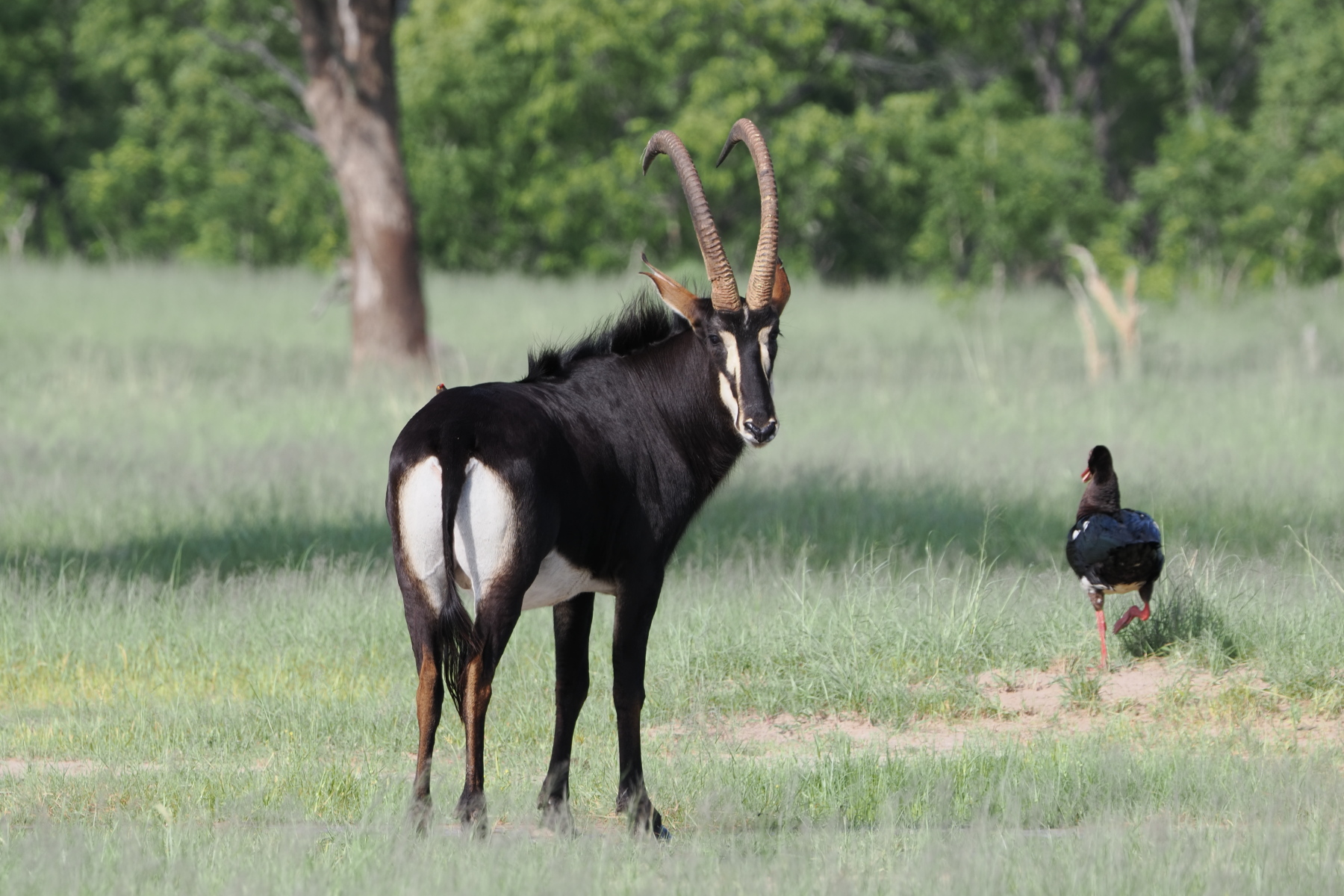
Sable Antelope
Q, the former bushman and now a camp employee, starting a fire
Chacma baboons checking out the tourists
A little annoyed - the wide ears singla aggresion/ worry
Yes, it's a lion
a very big yawn
African shot
After all our hard looking, this one was walking beside the highway at the start of the game drive
leopard
leopard
Cape Starling - you only see the iridescent colours at certain sunlight angles
Osprey - doesn't look like the ones back home
Black backed jackal - about the size of a big fox
lots of wildlife
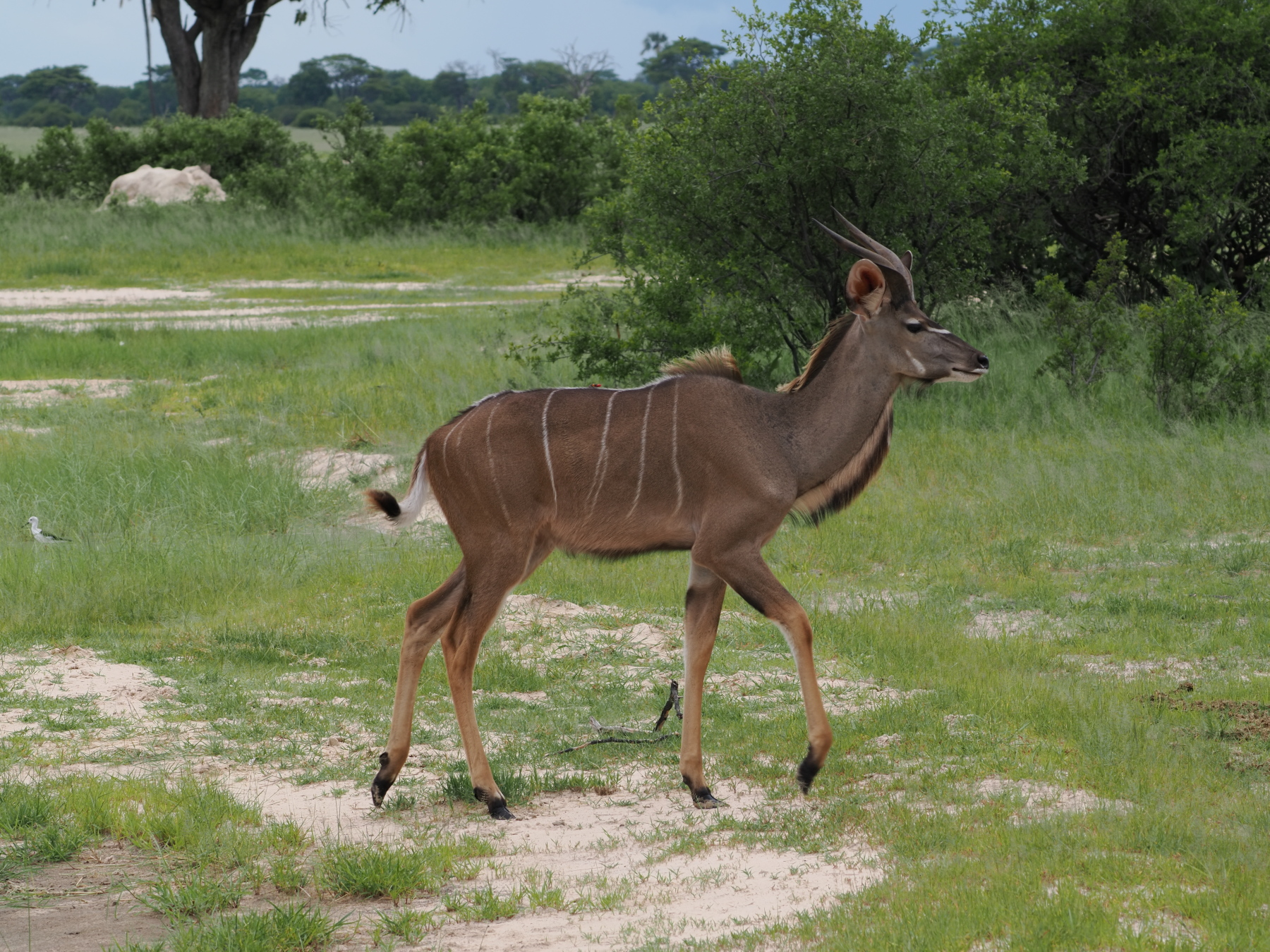
female kudu - never knew they had pink ears
Snake bird - due to the shape of its neck
Snake bird again. The entire body is underwater. The head periscopes up for air and then it goes back underwater for fishing
Meet Gordon Gecko
previous arrow
next arrow
We stopped at a small village in Zambia on the way to Chobe,
previous arrow
next arrow
 

There is no towel art here

Toka Leya Camp, Mosi oa Tunya National park near Livingstone, Zambia

But we have air conditioning, a fridge, and Wi Fi in our “tent.” There is a spectacular view of the Zambezi River looking across to Zimbabwe, a mosquito net contraption that completely encloses our king bed at night, and staff who somehow knew our names the moment we checked in. These are like suites in a nice hotel, but with canvas wall coverings that allow us to pretend we are camping while enjoying every possible comfort.

Incidentally, I have been mispronouncing the Zambezi River my entire life. It is Zam-bay-zi, not Zam-bee-zi. We are still arguing with Mama G over whether it is Zee-bra, with a long E like “meet,” or ze-bra, with a short E like “met.” So far the tour group is firmly in the Zee-bra camp, except for Mama G. Both sides now have entrenched positions, although Sarah and Victoria seem to be returning to their English roots and siding with Mama G.

We are here for three nights. In the dry season the tour would normally have continued on to Kafue National Park, but this is the rainy season. That park is flooded and tours do not operate at this time of year. Instead, we are forced to remain in our air conditioned tents, enjoying a few relaxed days and, as the Barenaked Ladies advise, to “open the fridge and stuff”.

From our room we have seen zebras (Zee-bras!) and bushbucks. I have also been followed very closely (really, I was chased) along the elevated walkways by velvet monkeys who were after the mangoes I was carrying back to the room. I should have hidden them in my pockets instead of carrying them so obviously in my hands.

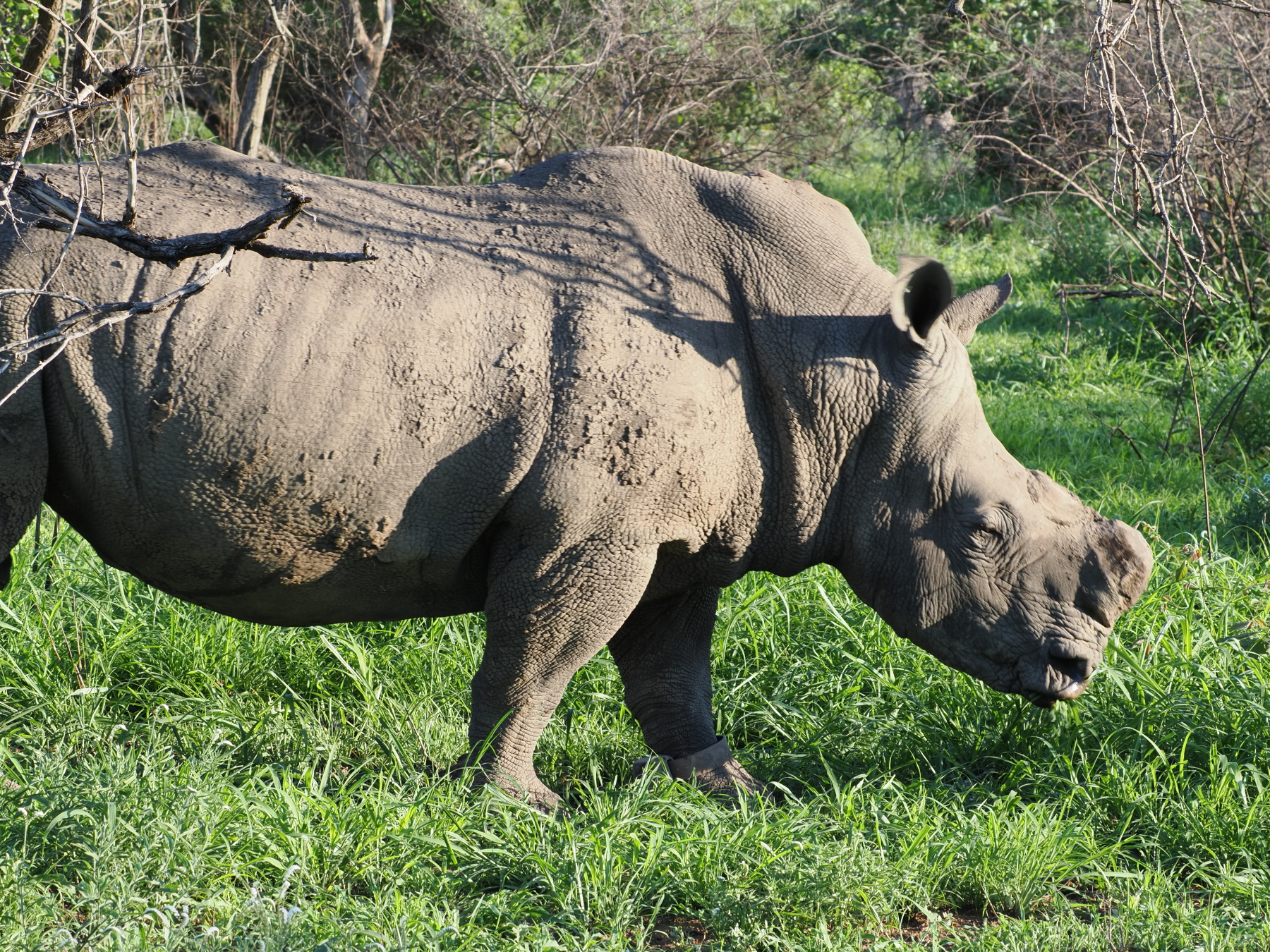
Toka Leya Camp is in Mosi oa Tunya National Park. At just 66 square kilometres, it is one of the smallest parks in Zambia. Its main claim to fame is its population of white rhinos, all of which are followed by armed guards 24 hours a day. This makes the rhinos remarkably easy to find. Our guides simply call the guards and ask where they are. The term white rhino comes from a mis-translation of the Afrikaans word “weit,” which is pronounced ‘white’ but means ‘wide’. That refers to their wide mouths for grazing. Black rhinos have more pointed mouths for eating leaves. There are other minor differences, but both rhinos are the same colour, which is grey. Unlike the rhinos we saw in South Africa, these still have their horns, so they look like proper textbook rhinos.

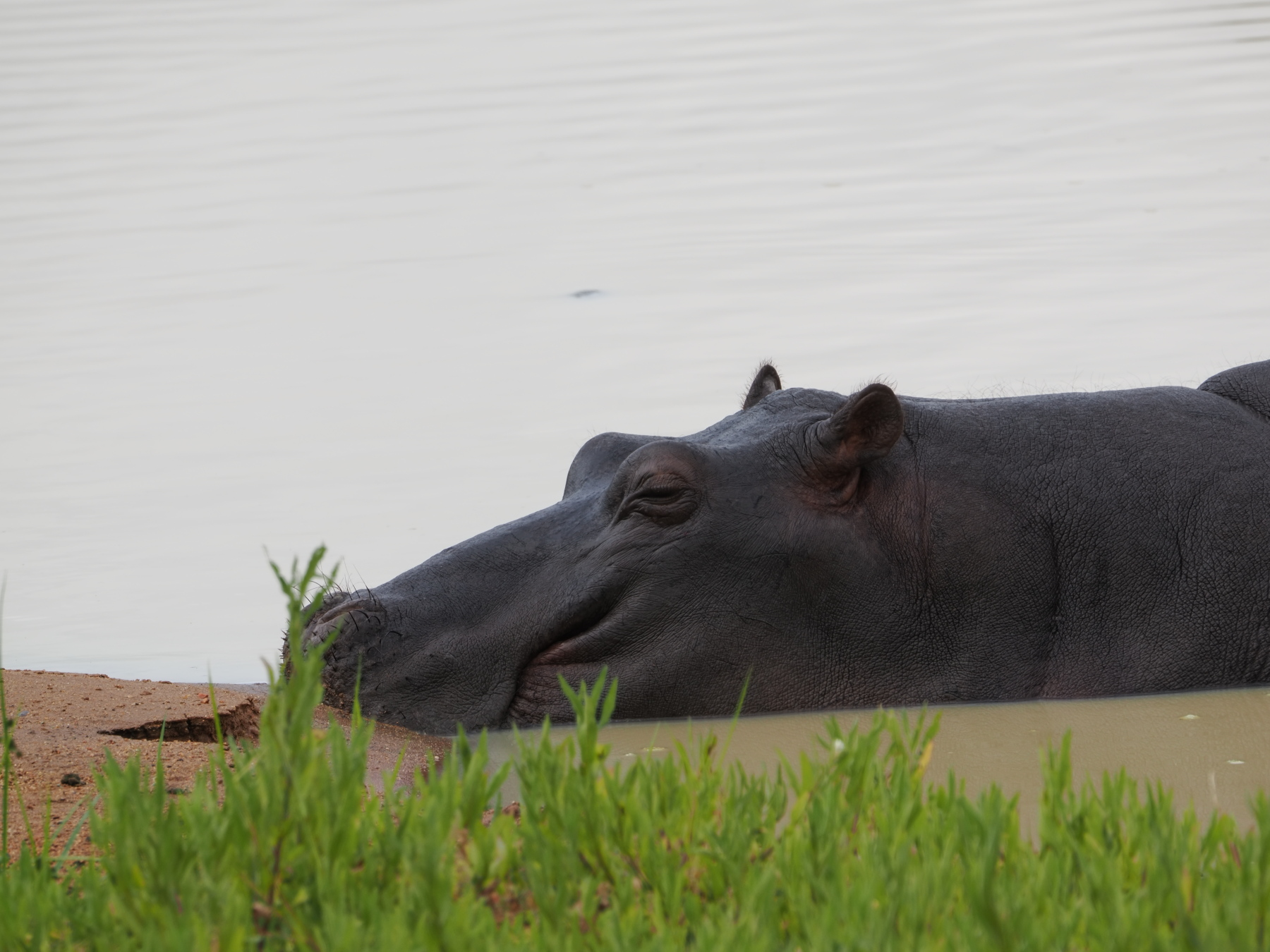
On our first evening we took a river cruise in small boats and saw hippos, crocodiles, and an impressive variety of birds. We also took a game drive through the park and spotted a small crocodile living in a puddle on one of the park roads, and a group of wildebeest yougsters playing “chasie-chasie” in the field. I have to be less afraid to increase the ISO on my camera because the shutter speed I used only captured blurred action.

Sarah and the ladies on the tour learned from Nono, the camp manager, just how versatile the chitenge is. The chitenge is the 2m piece of material that Mama G gave the ladies on the way to Hwange National park. It can be a covering, head-dress, and baby carrier. Depending how you wear it, it can also signify whether you are married or single. Almost every women we saw in the market had one.

Mosi oa Tunya means the smoke that thunders, a reference to the constant mist rising from the falls. There was a movement to rename Sarah’s sister Victoria to Mosi oa Tunya. I do not think it will stick, even though this is what locals call Victoria Falls, and Victoria does indeed smoke.

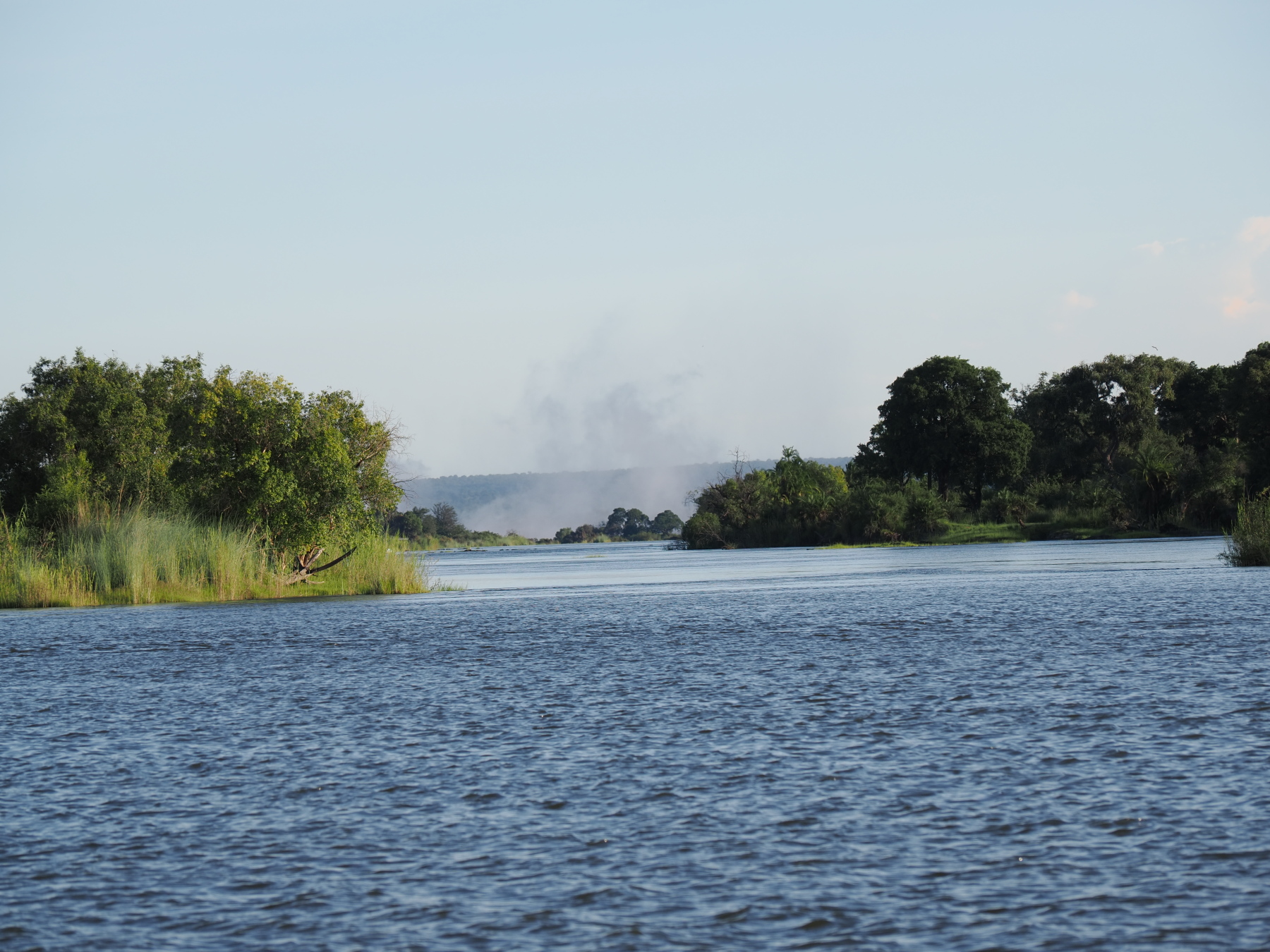
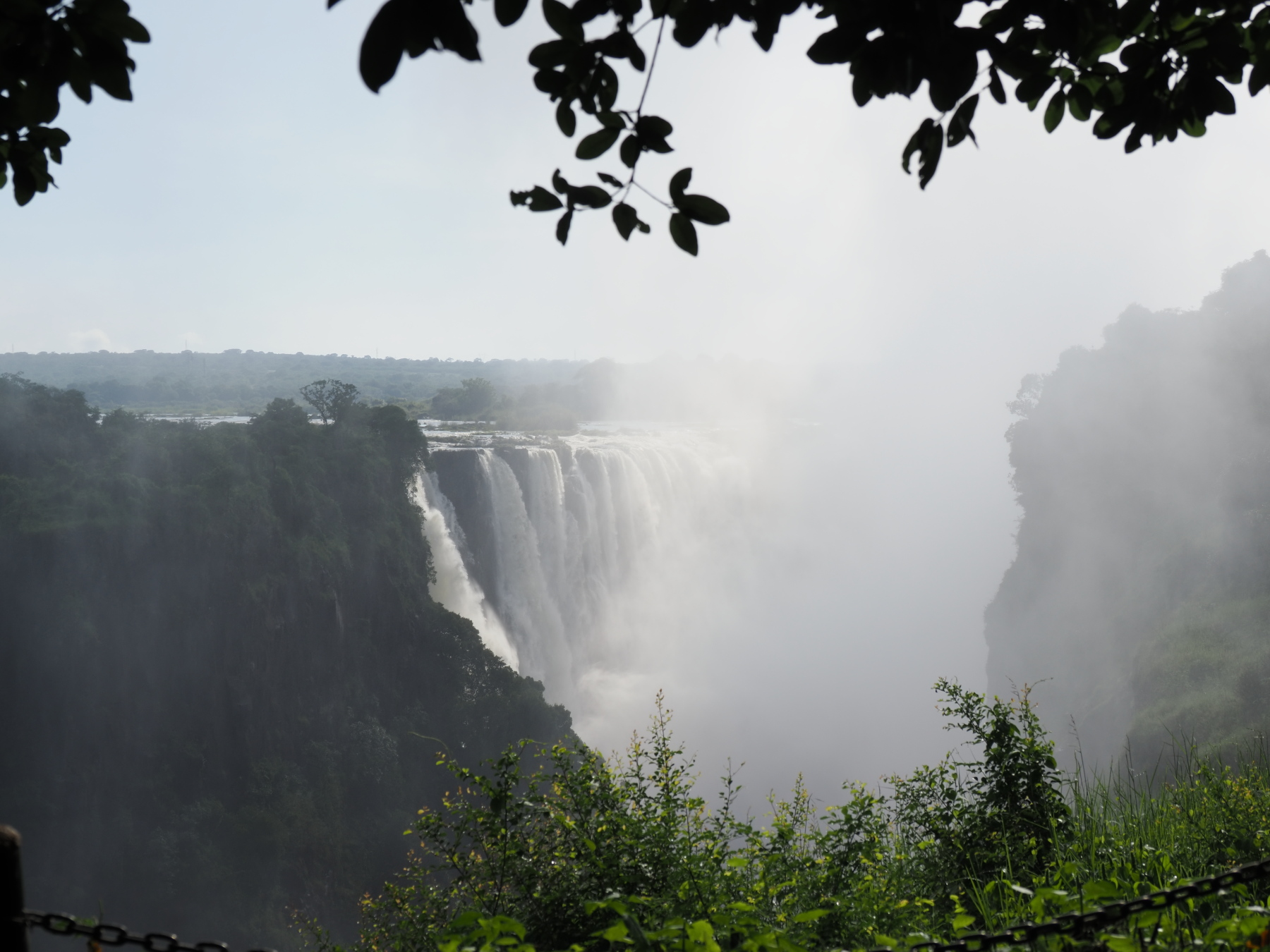
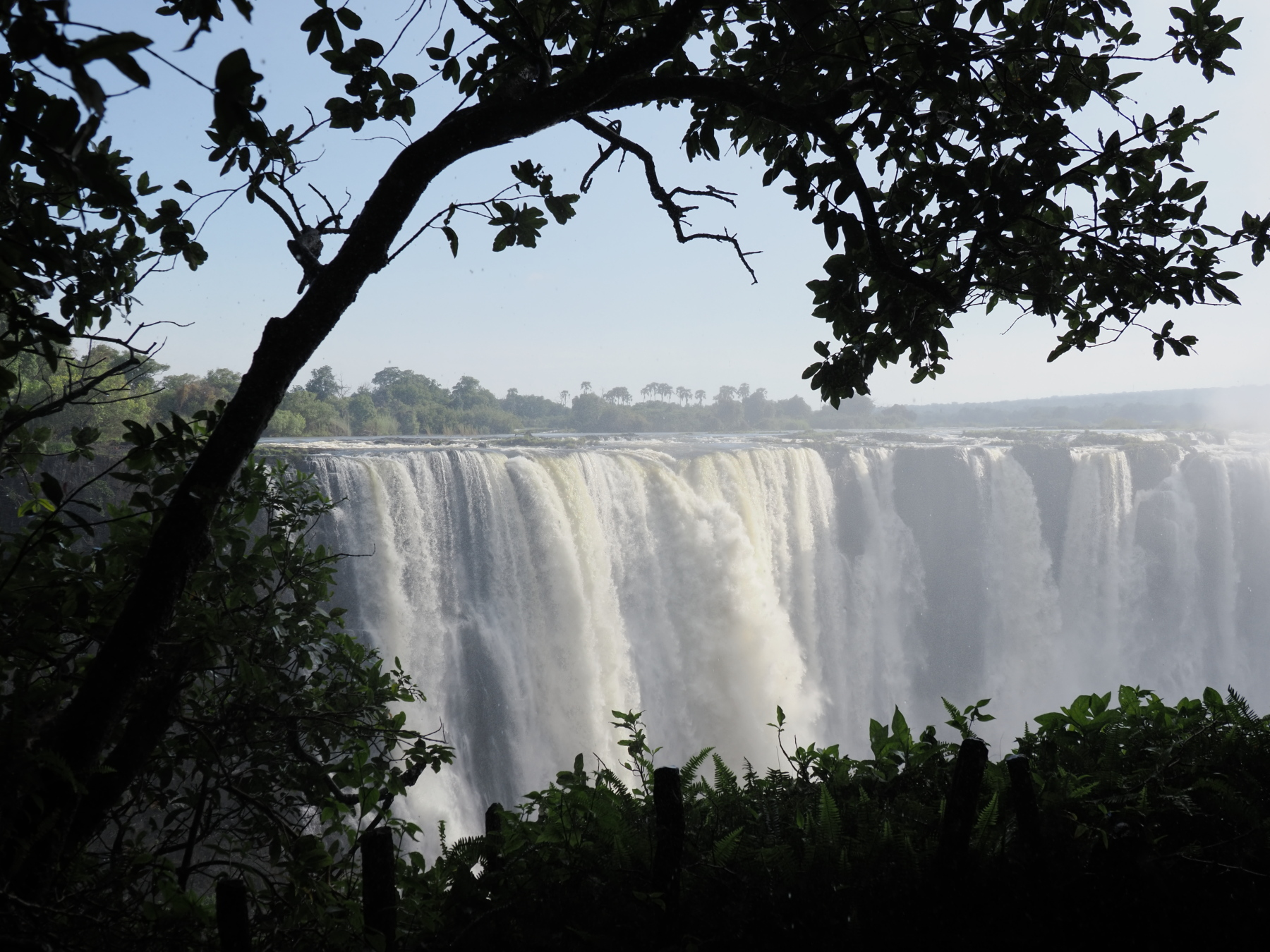
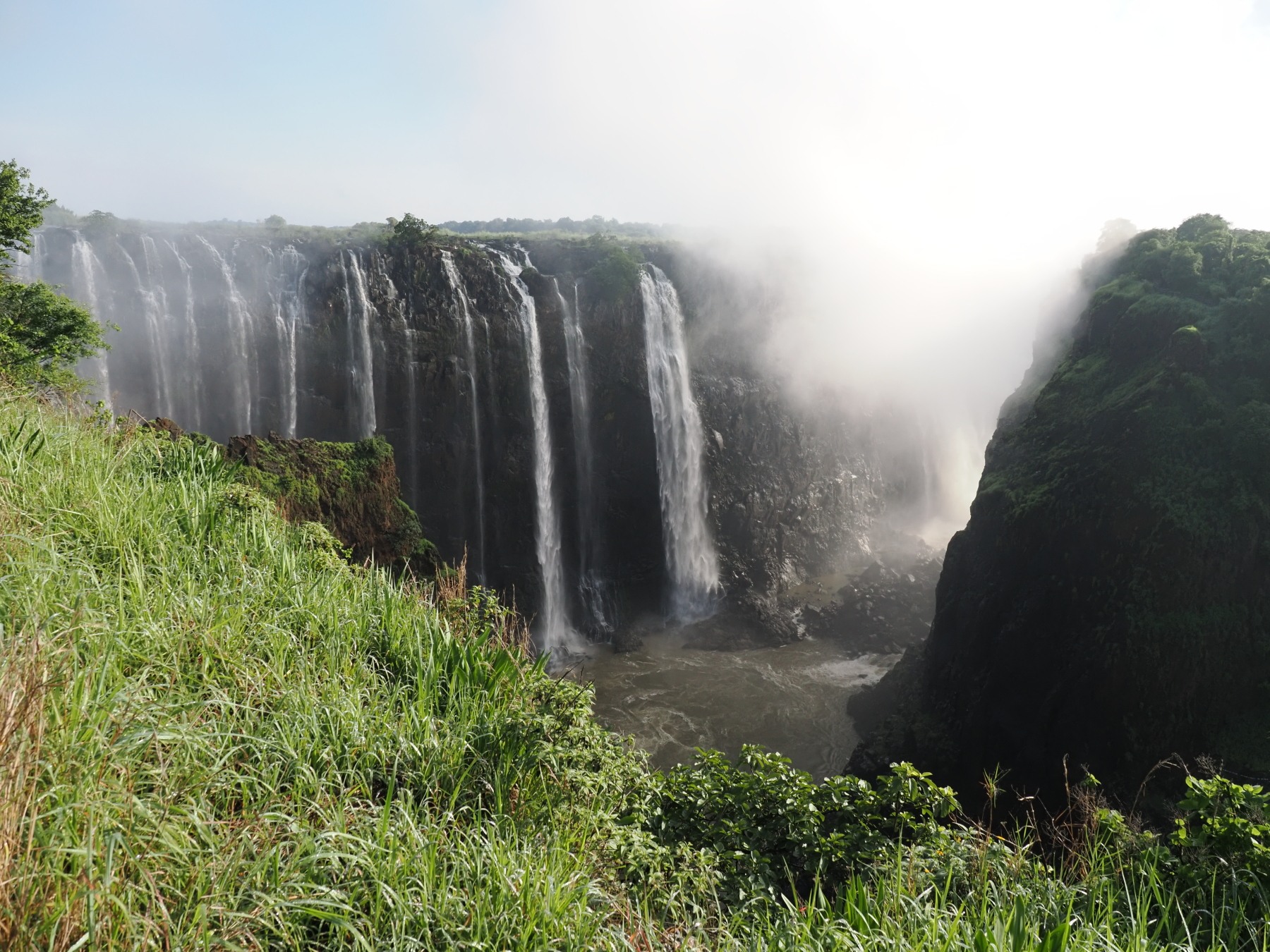
The falls themselves were not what I expected. They are about 500 metres wider than Niagara Falls and more than twice as high. During high flow periods, the water can form a solid curtain 1.7 kilometres wide. The flow is relatively low right now, which surprised me given the rainfall we have had. Presumably much of the river’s volume comes from farther upstream. The most surprising feature is that the falls empty into a gorge about 1.7 kilometres long that is only around 100 metres wide, followed by a single outlet that is also only about 100 metres wide. You can see the historical path of the falls carved into the landscape downstream. A picture really is worth a thousand words and it helps explain what I am trying to describe. The formation is the result of interesting geology. As I understand it, volcanic basalt flows solidified and later developed fissures running east to west. These fissures filled with sediment, and the resulting sedimentary rock eroded over millennia, exposing one fissure after another. We viewed the falls from the Zambian side today and will see them from the Zimbabwean side after our upcoming week in Botswana.

We also visited the Dr. David Livingstone Museum, which covers the full history of Zambia. Livingstone seems to be one of the rare early explorers who did the right thing in his lifetime and continues to be genuinely respected in the countries he visited. A walk through the downtown market in Livingstone was equally pleasant and notably free of aggressive attempts to sell us copper bracelets.

To coax us to eat more, a number of the staff said at mealtimes that “if you lose weight, I will get fired.” This is part of their strategy to make sure we suffer the Fat 5 I mentioned earlier. We got our revenge at our last dinner by giving the staff a tin of Quality Street chocolates for Christmas. Since they are making us gain weight, we decided to give them cavities. The group devoured them like a fresh kill. I’m happy to report that we did not lose weight, so the staff will survive to the next tour group. Perhaps they deserve a raise, because collectively we all gained weight.

On Saturday, December 20, we leave for Botswana for three days in Chobe, followed by three days in the Okavango Delta, and then return to Victoria Falls in Zimbabwe for a few more days.

The view from our room.
This is Victoria's 'tent'
Ignore the windows. If it has canvas sides, it must be a tent
measuring sour milk for sale at the market
Chitenge in use as a baby carrier. We saw lots of these
Helping Mum go to the market
Bike repair shop
woodworking done here
There was a complete alley of hairdressers in the market. Braiding extra long braids into hair is all the rage at the moment.
traditionally, corn/ millet were pounded using a mortar and pestle. Grinders are available in the market.
white rhino
the male is the larger one
Not a yawn - this hippo is displaying his territorial warning.
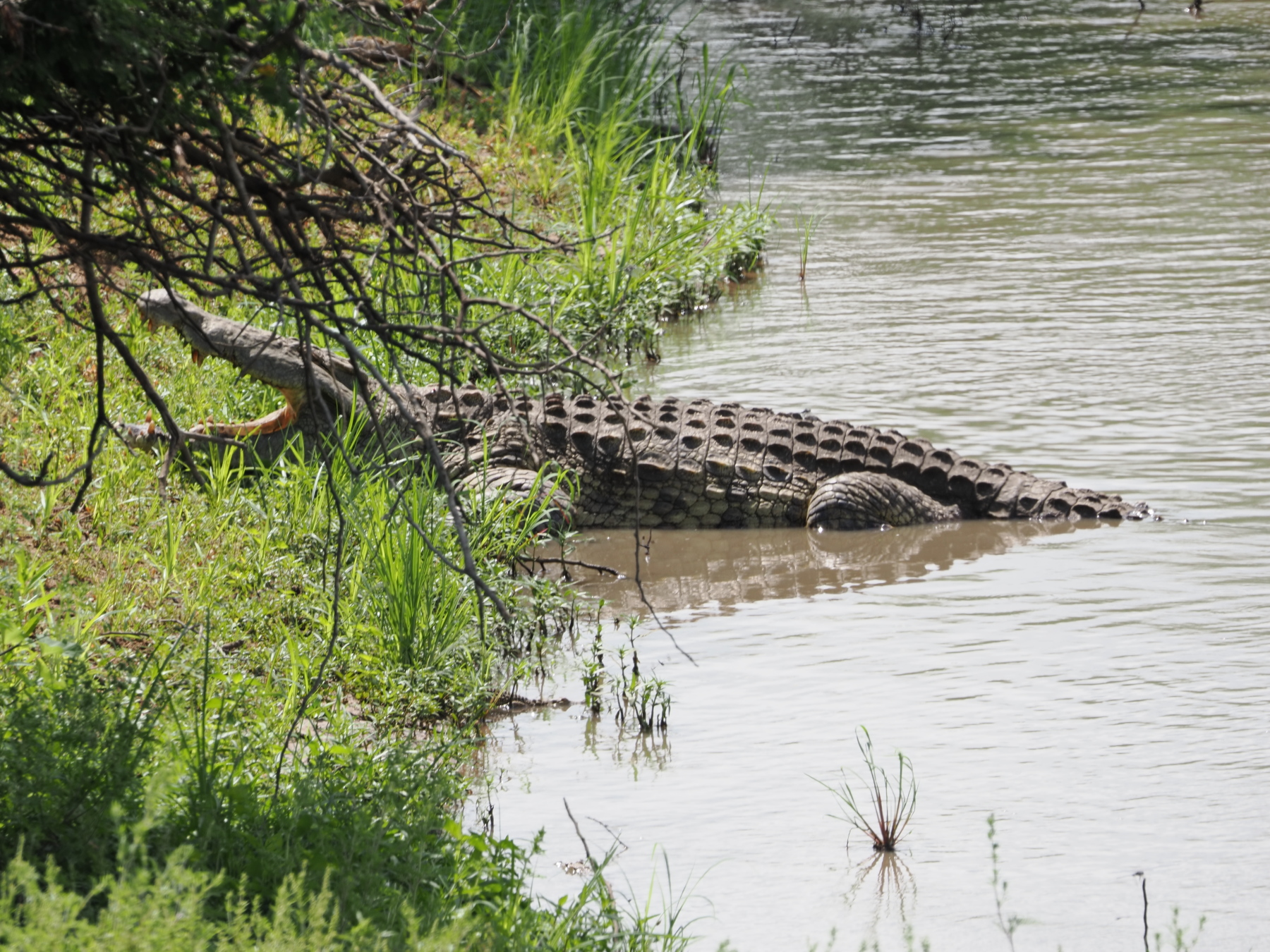
This large croc seems to be missing part of its tail
2m (6') Croc in a puddle on a park road
Wildebeest calf taking a break from playing 'chasie-chasie'
Black heron doing canopy feeding. Internet aficionados will recognize this as a 'night time.... day time!!!'  bird
Cattle Egret
Rock Pratincole on the banks of the Zambezi
Vic Falls from the Zambian side
The bridge connecting Zambia and Zimbabwe - Zambia on the left.  Bungee jumps available!
Vic Falls from the Zambian side.
previous arrow
next arrow
The view from our room.
previous arrow
next arrow
 

“I have to check the tire pressure”

Big Makalolo Camp, Hwange National Park, Zimbabwe
14-17 December 2025

That is what you say on safari when you really need a pee break. Other acceptable variations include:
“I need to pick some pretty flowers,”
“I need to raise the water table,” or simply,
“bushie bushie.”

So far, everyone has been postponing this necessity except for our driver, who has already “checked the tire pressure” once.

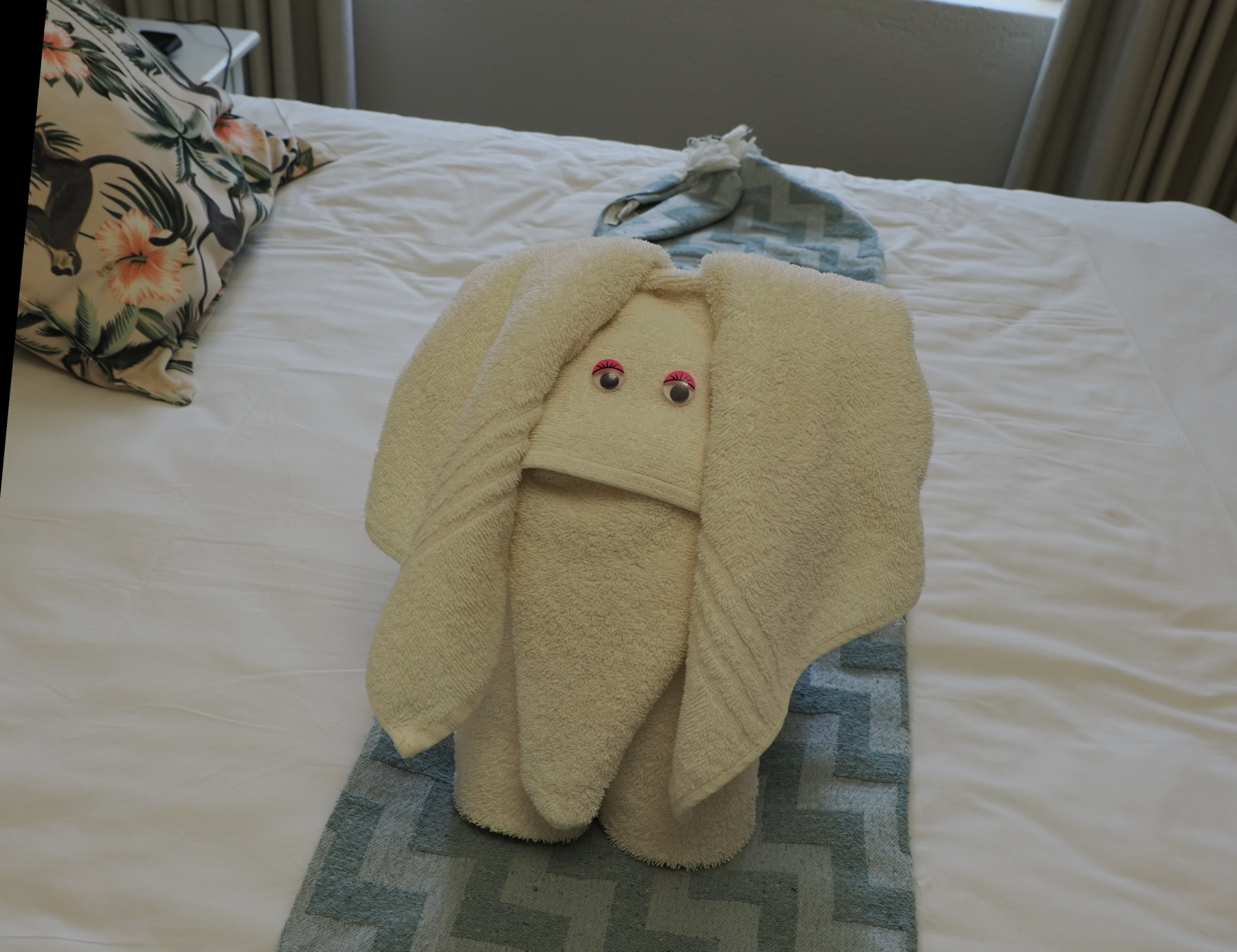
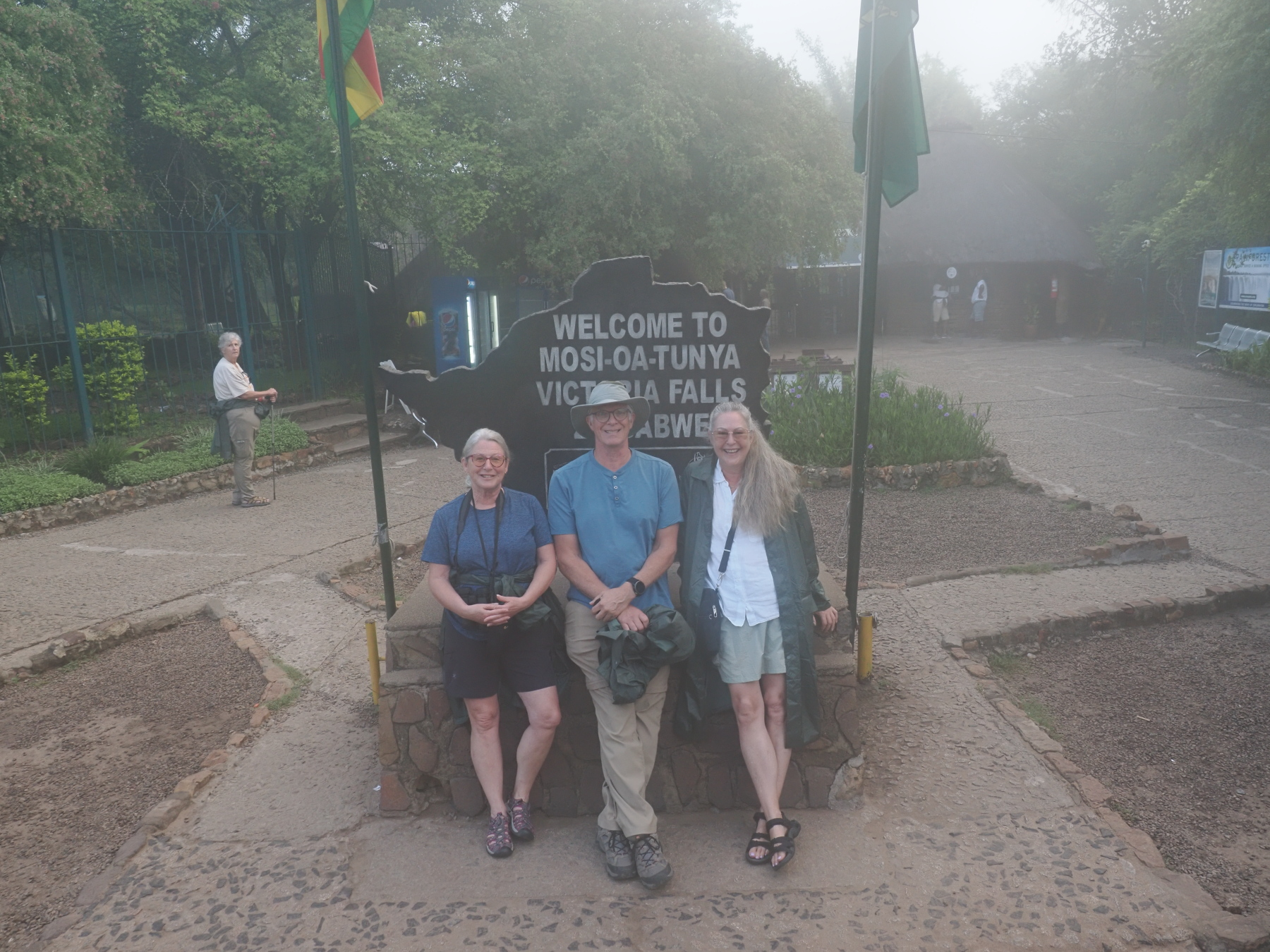
We left Pretoria on Sunday, 14 December, and flew to Victoria Falls, Zimbabwe. After landing, we met our trip leader, Mama G, and immediately set off on the long drive to Hwange National Park. For the next three nights, we are staying at Big Makalolo Camp, deep inside the park. It is glamping, with large solar powered tents, sun heated hot water, and unexpectedly what appears to be “towel art 2.0”. The wildlife is impressive, but the towel animals may be stealing the show. Sarah and I avoided showering so the towel elephants could survive another day.

On the way, we passed through Hwange, a coal mining town dominated by a 1,520 MW coal fired power plant and several nearby mines. Most, if not all, of the mines are owned by Chinese firms and produce coking coal for Chinese steel mills. Our guide explained that these companies employ relatively few local people and contribute little to the surrounding community.

By my own calculation, I am about 55 percent nerd. Others may disagree. In any case, I have been tinkering with my camera again, this time experimenting with custom modes. I have set Custom Mode 1 ( C1) for single shot still photos of animals, while C2 is configured for 20 frames per second to capture animals or birds in motion. There is a lot more to it than that, but at only 55 percent nerd, I will spare you the details. If I am shooting stills, I turn the dial to C1. If a bird takes flight, I switch to C2. It saves a lot of fiddling.

You will not notice much difference in the still photos, but when a bird takes off, and if I manage to keep it in the frame, C2 gives me a decent chance of a sharp image as the camera adjusts autofocus for every shot.

Photographing birds in flight is much easier said than done. A large zoom lens at full extension makes tracking anything a challenge. And as one of five passengers in a safari vehicle, I cannot reasonably ask the driver to reposition for better light or have everyone wait patiently for a bird to cooperate. At 20 frames per second, I will admit to deleting many photos with the bird only partially in the frame, or not in the frame at all. Good thing digital photos are free. But I am having fun.
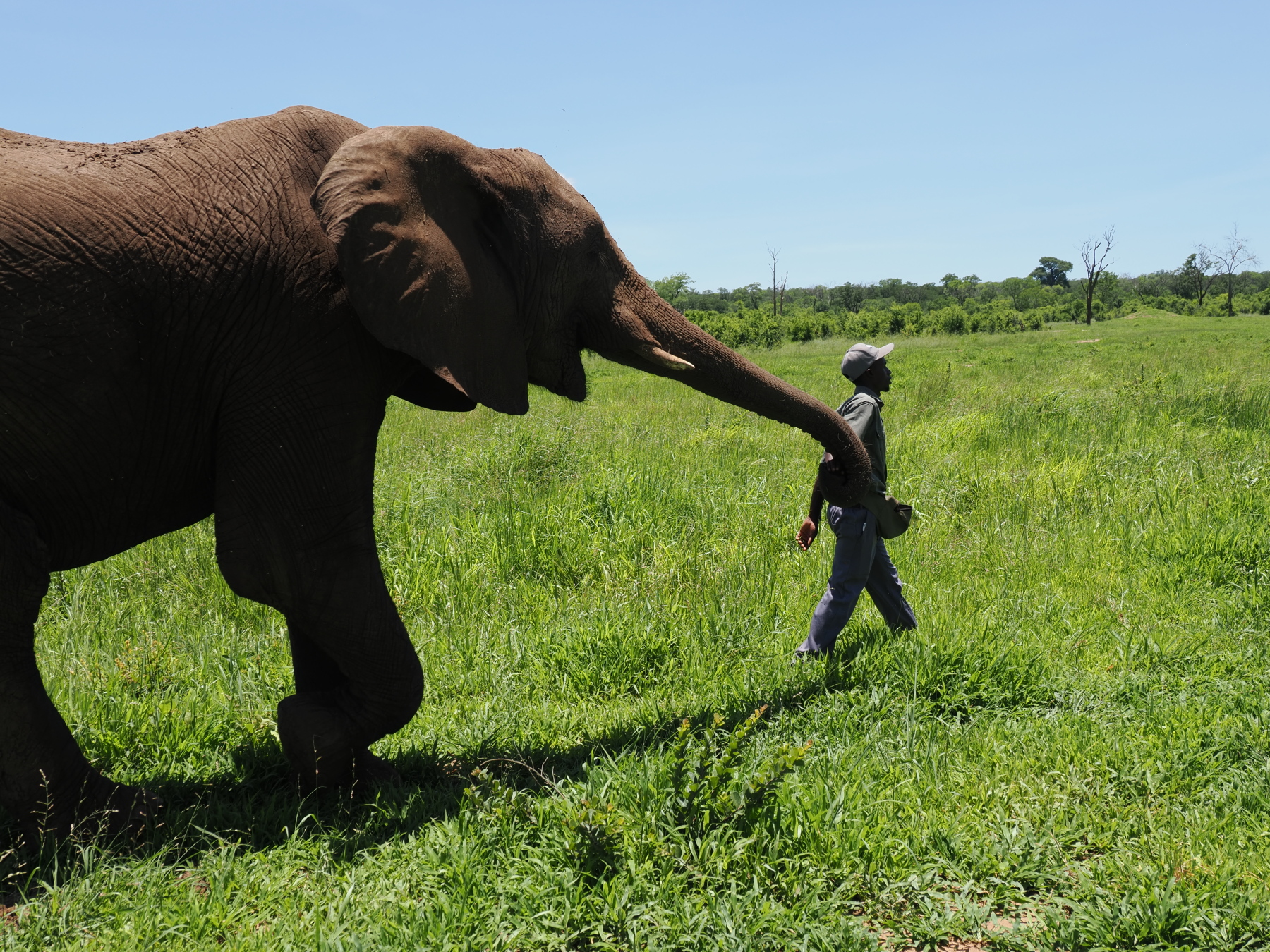
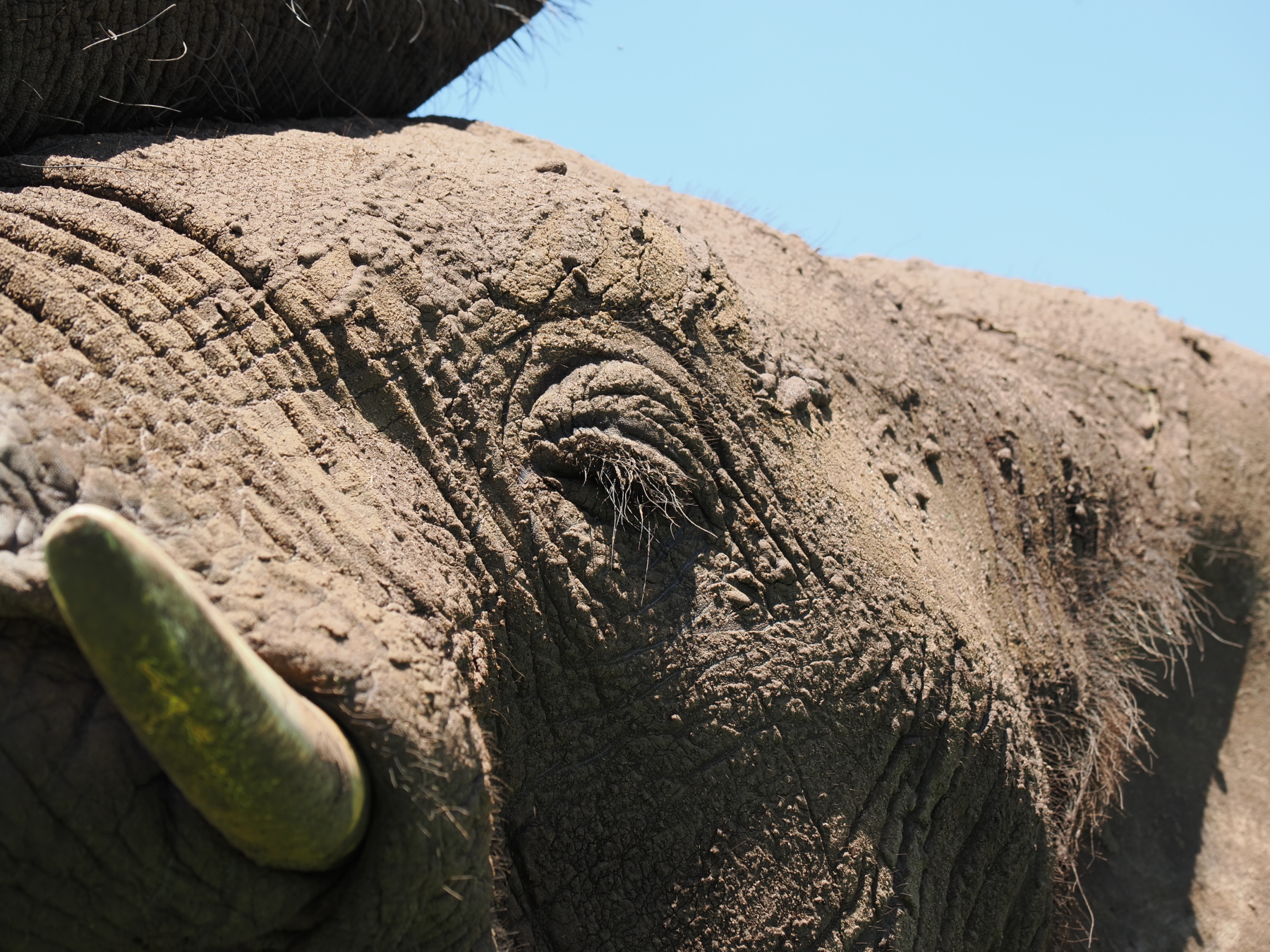
We had a disappointing game drive on Monday afternoon, followed by a very good one on Tuesday morning, including seeing a cheetah cub. The problem on Monday was our guide had heard that painted dogs were in a particular area of the park, so we headed there. By the time we arrived, the dogs were gone. The group in the other vehicle stayed behind to watch elephants instead of venturing off, and ended up surrounded by them. By the time we returned, we had missed everything. Oh well. As Mama G always says, “Safaris are like a box of chocolates. You never know what you are going to get.” Actually, she has not said that, as she has not seen the movie let alone much TV. But I will suggest it.

The real reason for our better game drive today could be that Mama G gave us a “nyami nyami“, a token worn around the neck representing the river god and meant to bring good luck. I had forgotten to wear it yesterday for the bad game drive, but remembered it today.

Sabona (hello!) . One of the special features of an OAT trip is a Day in the Life experience, offered once on each journey. You meet local residents and talk with them about what daily life is really like. After our morning game drive, we visited the town of Ngamo, population about 500. The community traces its roots to a group that split from the Zulus and moved north about 200 years ago. They speak ndebele, a click language and one of Zimbabwe’s 16 official languages.

Each family lives within a fenced area shared with goats and chickens. Zimbabwe is a country in transition, and places like Ngamo still follow many traditional practices, including a fairly strict following practises of respect and dress, arranged marriages, and the payment of a dowry, or bride price. Second wives are possible, though apparently becoming less common.

We met the matriarch of one family, along with one of her daughters, several granddaughters, and various cousins and neighbors. They have a compound with seperate bui;dings for kitchen, bathroom, sleeping area and meeting area. The houses are built from sand taken from a vacated termite mound, which forms a concrete like material when mixed with water. They are topped with a thatched roof. The floors are made of the same termite sand material, with leaves rubbed in to add color and reduce dust. They grow their own millet, sorghum, and corn in a fairly large garden, and have a mango tree in the yard. The mangos were spectacular. It is not quite subsistence farming. The small amount of cash they need comes from selling surplus crops or from money sent by relatives living in the city.

We sampled a typical meal, including fried mopane worms. The “worms” are actually caterpillars that feast on mopane tree leaves. They were slightly crunchy and salty, and did not taste like chicken. They’re a common source of protein in the traditional diet, and Mama G says she loves them. She also enjoys the fried bugs that swarmed us while we ate dinner. While she has not yet been to north america, she is not interested in trying escargot, shrimp, or mussels, which are among my favourites. I suppose that makes sense, in its own way.

Zimbabwe’s current challenge is staggering unemployment, estimated at around 90 percent. Education will help, but only if there are jobs when students graduate. Mama G noted that many well educated Zimbabweans end up in South Africa driving for Uber. It is a difficult and deeply complex problem.

On Wednesday, 17 December, we leave for Toka Leya Camp near Livingstone, Zambia, with one final game drive on the way out of Hwange. We will stay at Toka Leya for three nights.

Ngiyabonga (thank you!)

Towel art 2.0
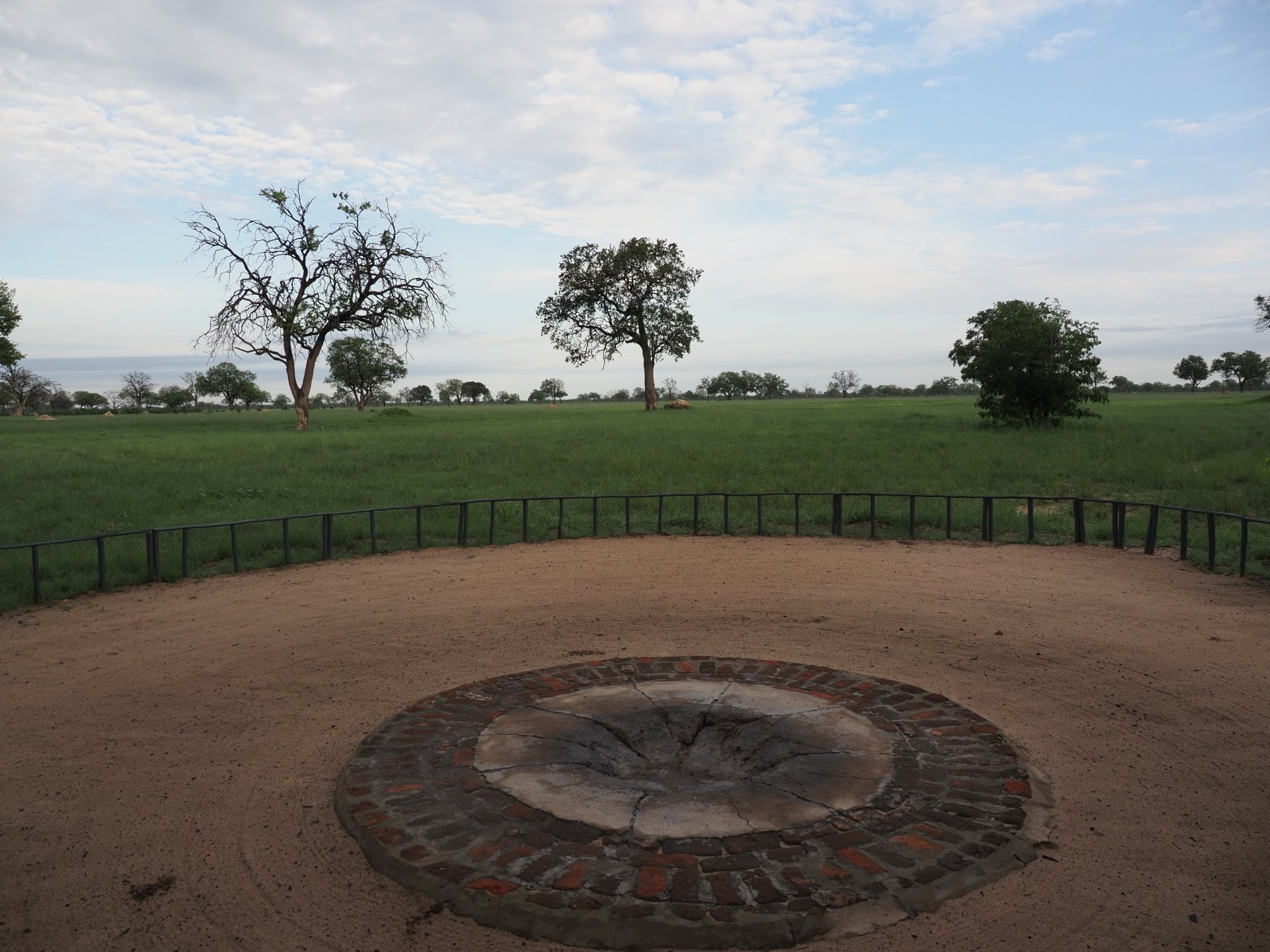
View from Big Makalolo main area
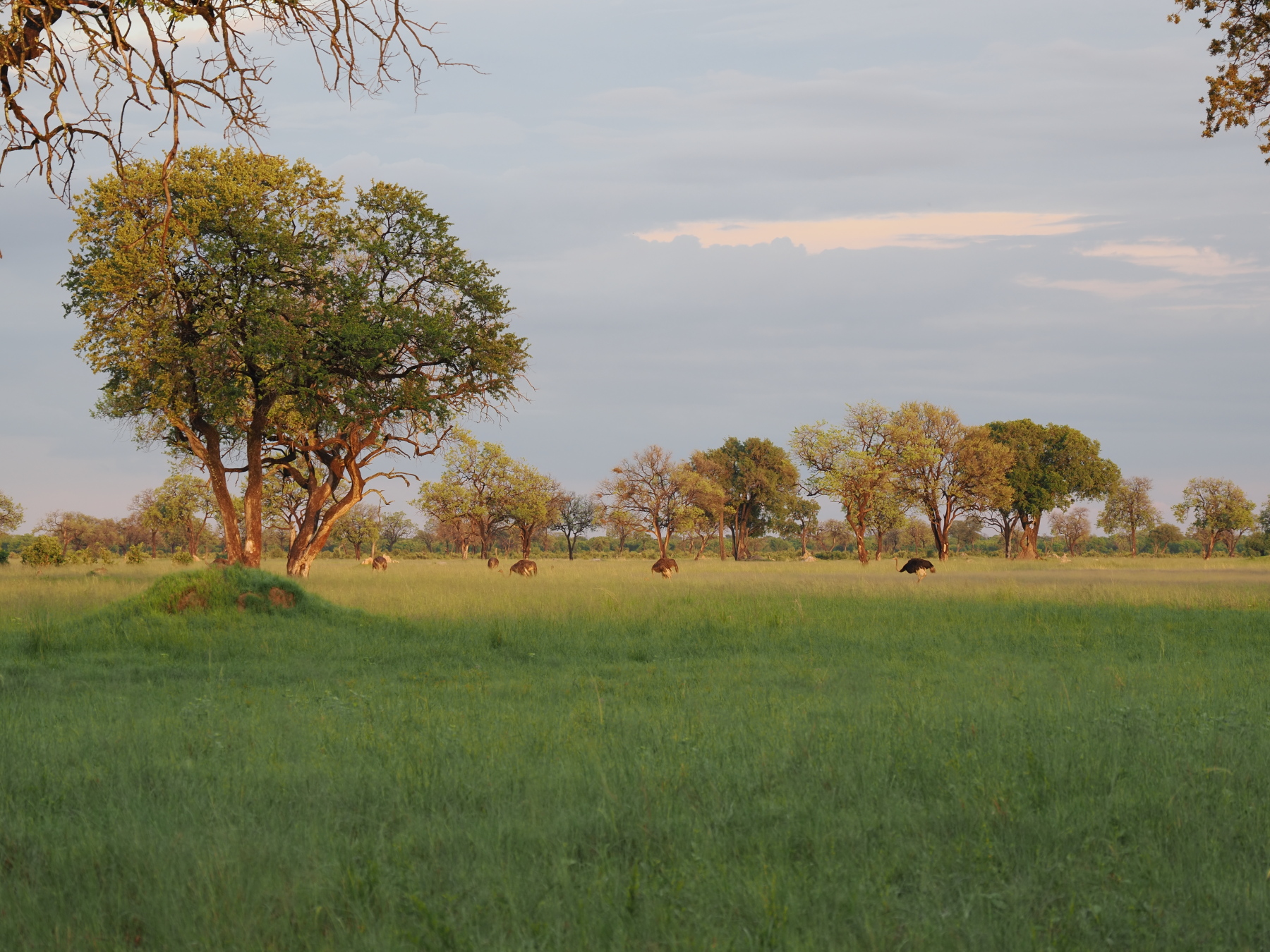
View from the Big Makalolo main area - with ostriches
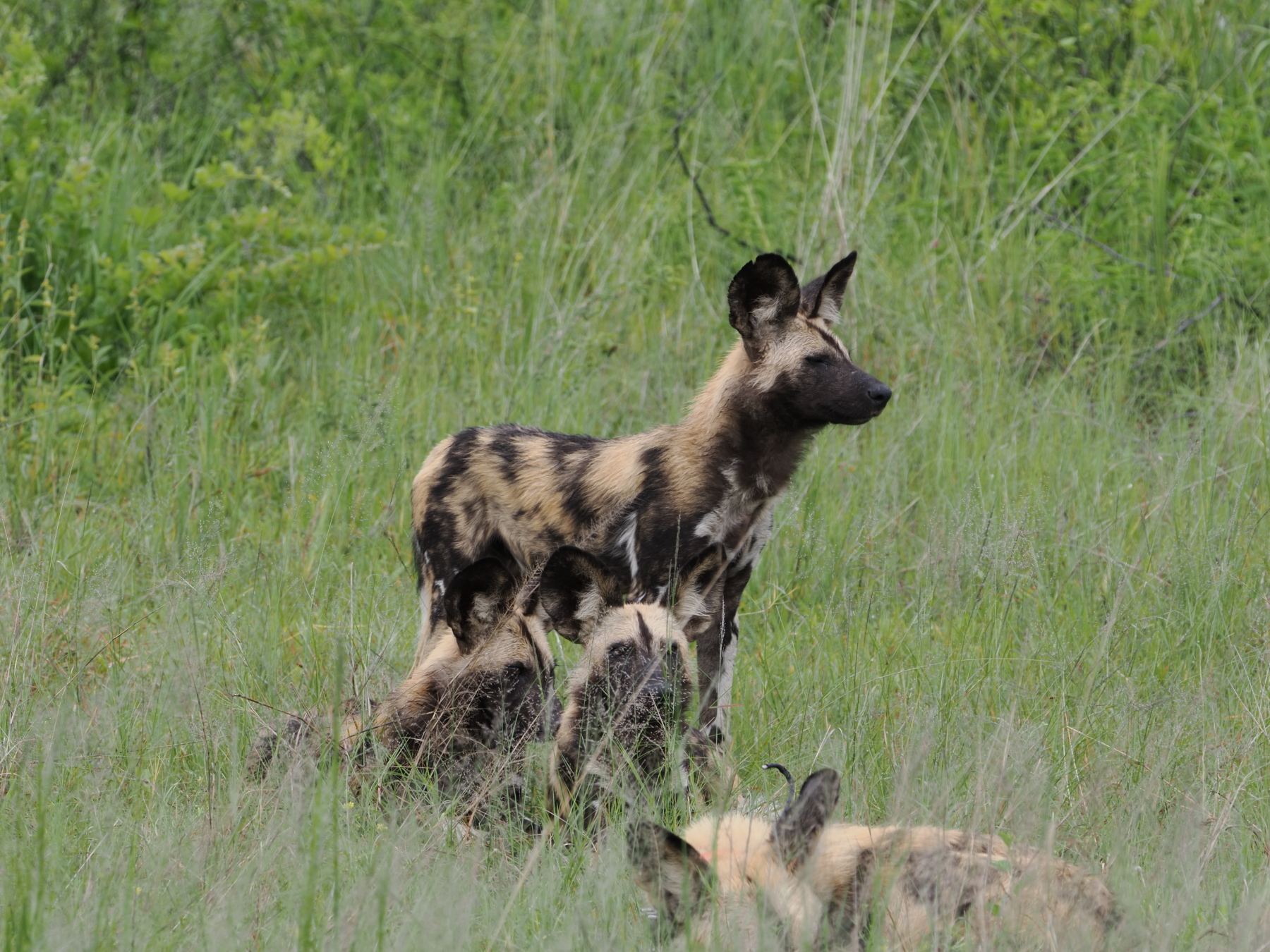
African painted dogs. We're not suppored to call them wild dogs any more.
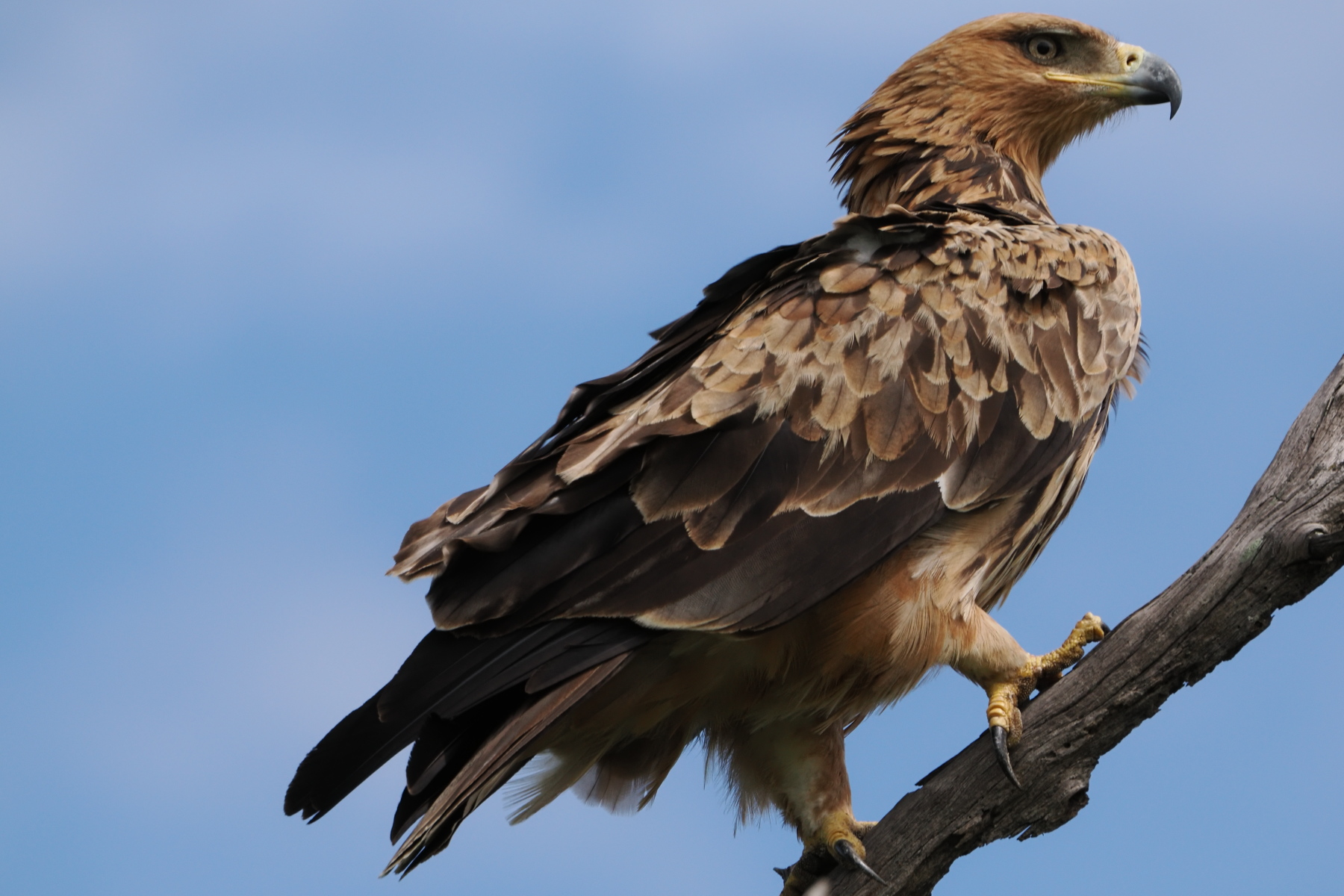
Tawny eagle
Google lens say Steppe Eagle. I'm not so sure
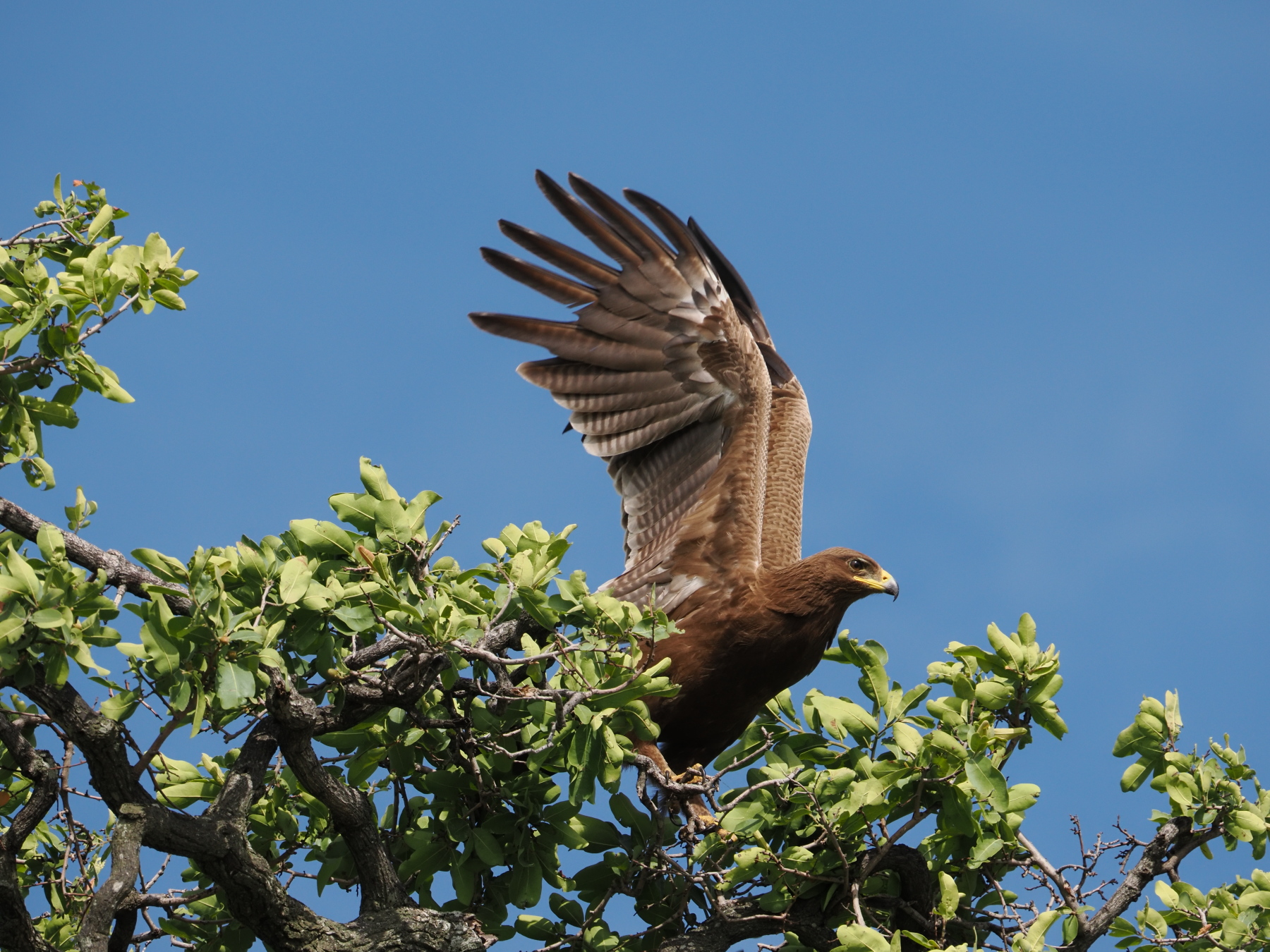
google lens says Steppe Eagle. I'm not sure.
Lesser spotted eagle?
One of two cheetah brothers
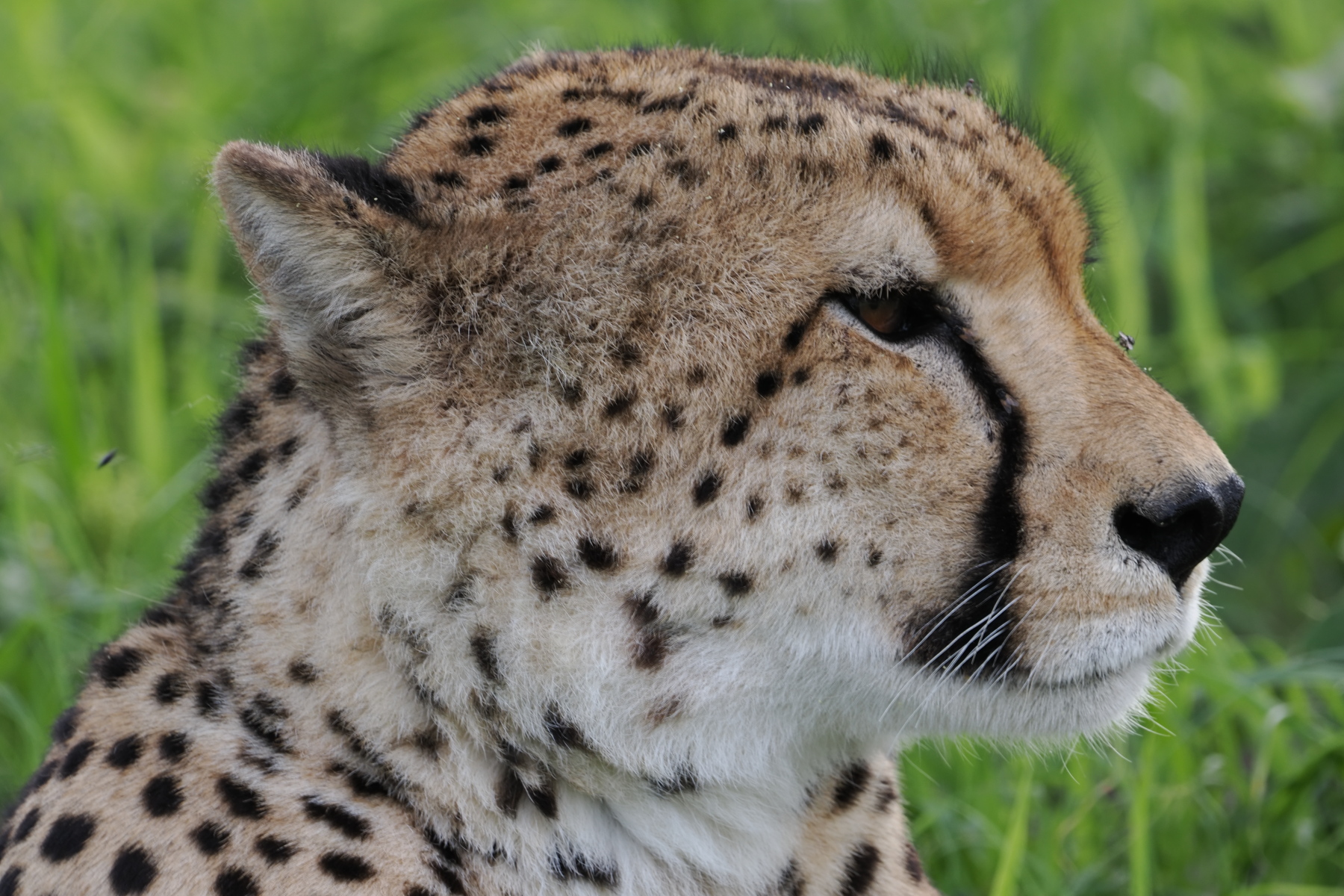
mug shots
poor guy had flies buzzing all around
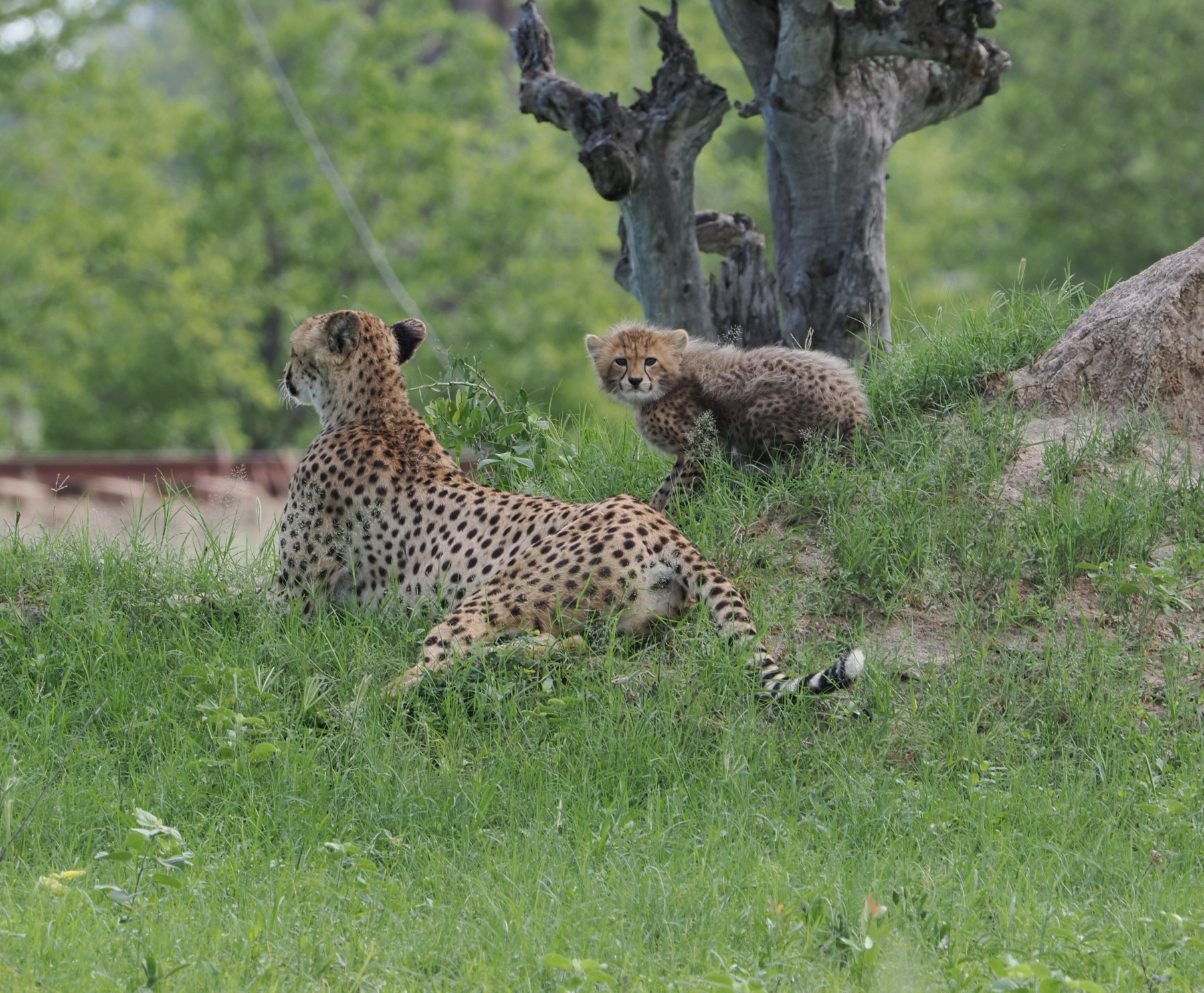
Cheetah cub
cheetah cub
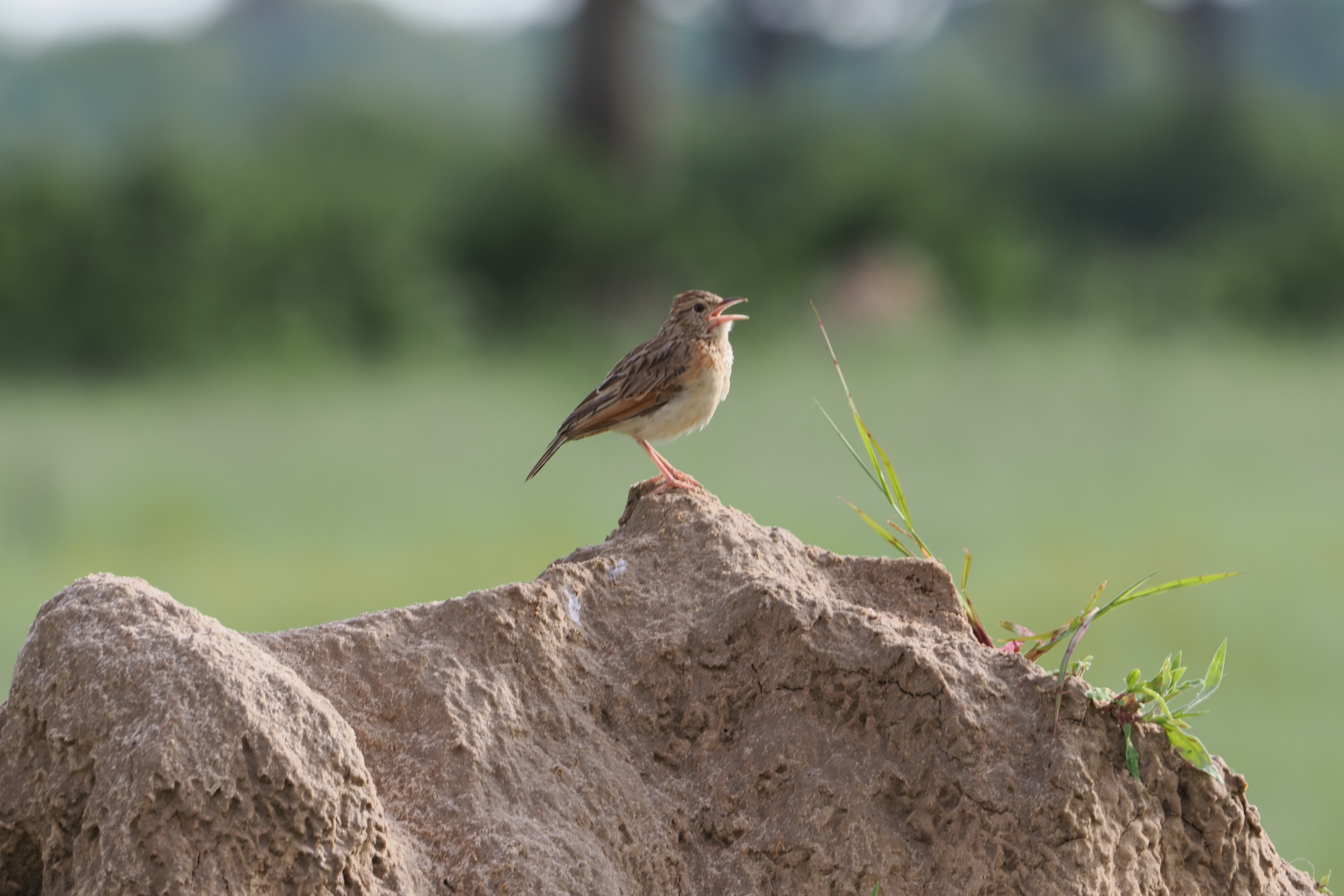
Lark
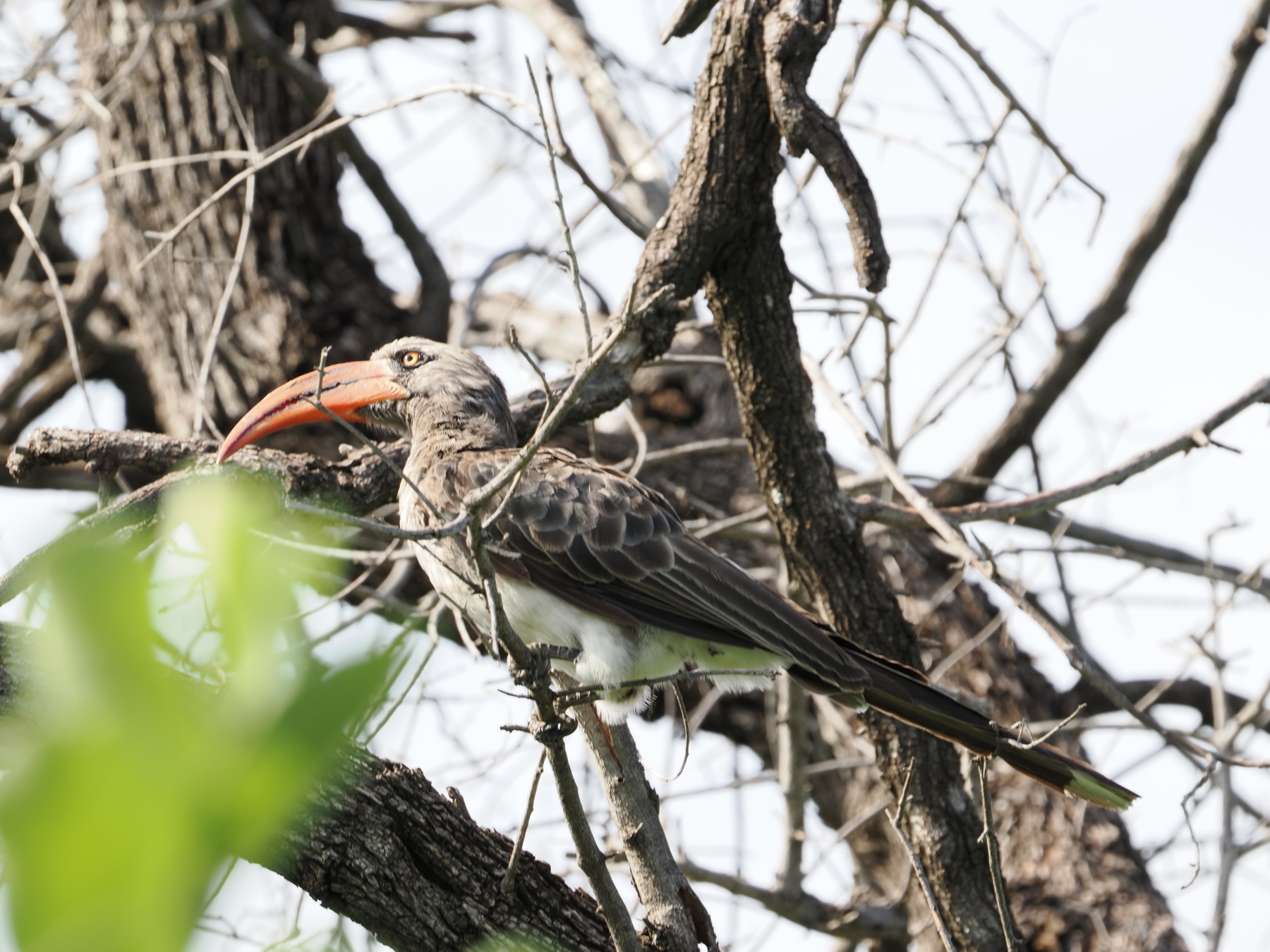
Bradfield's hornbill
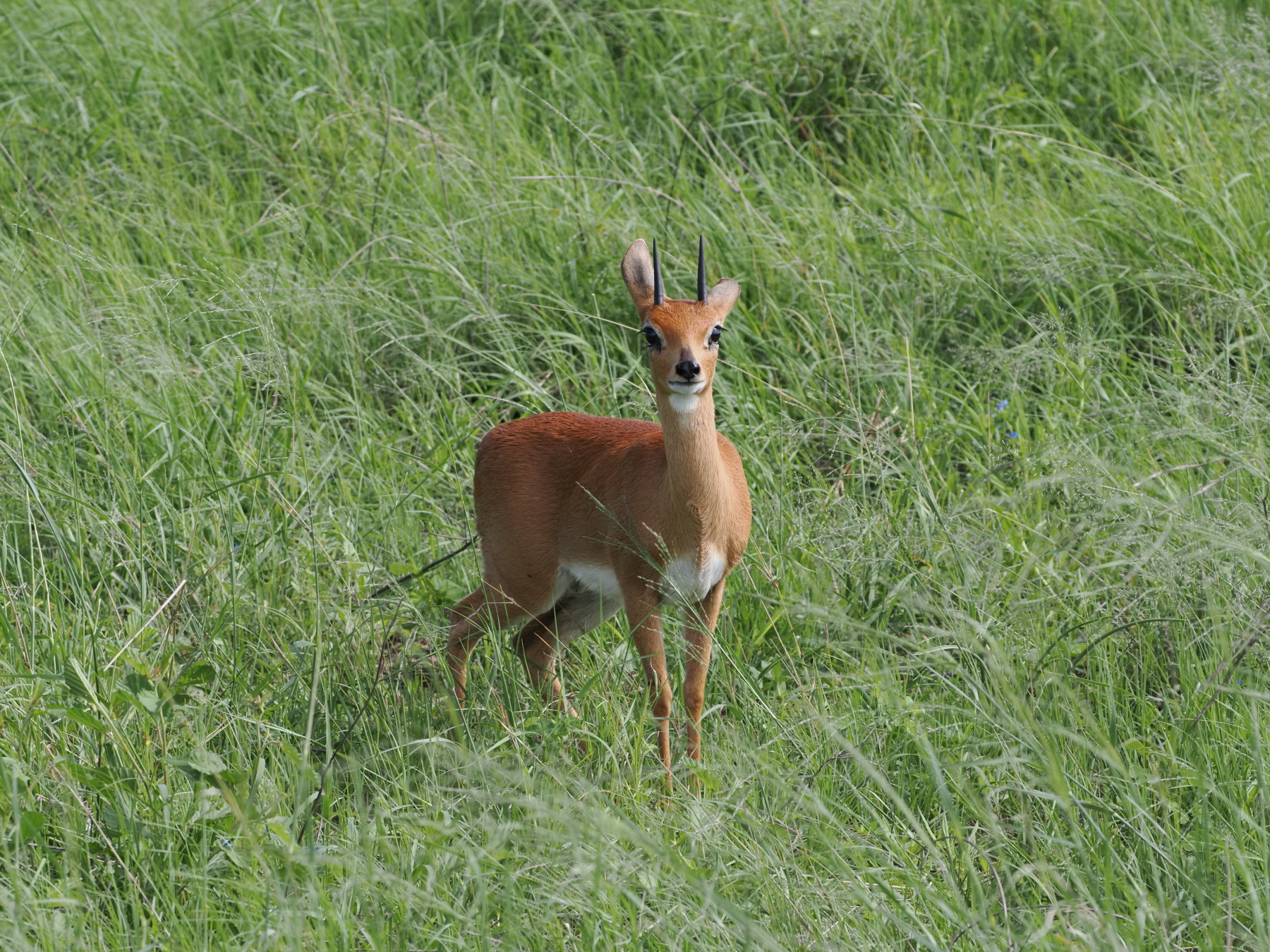
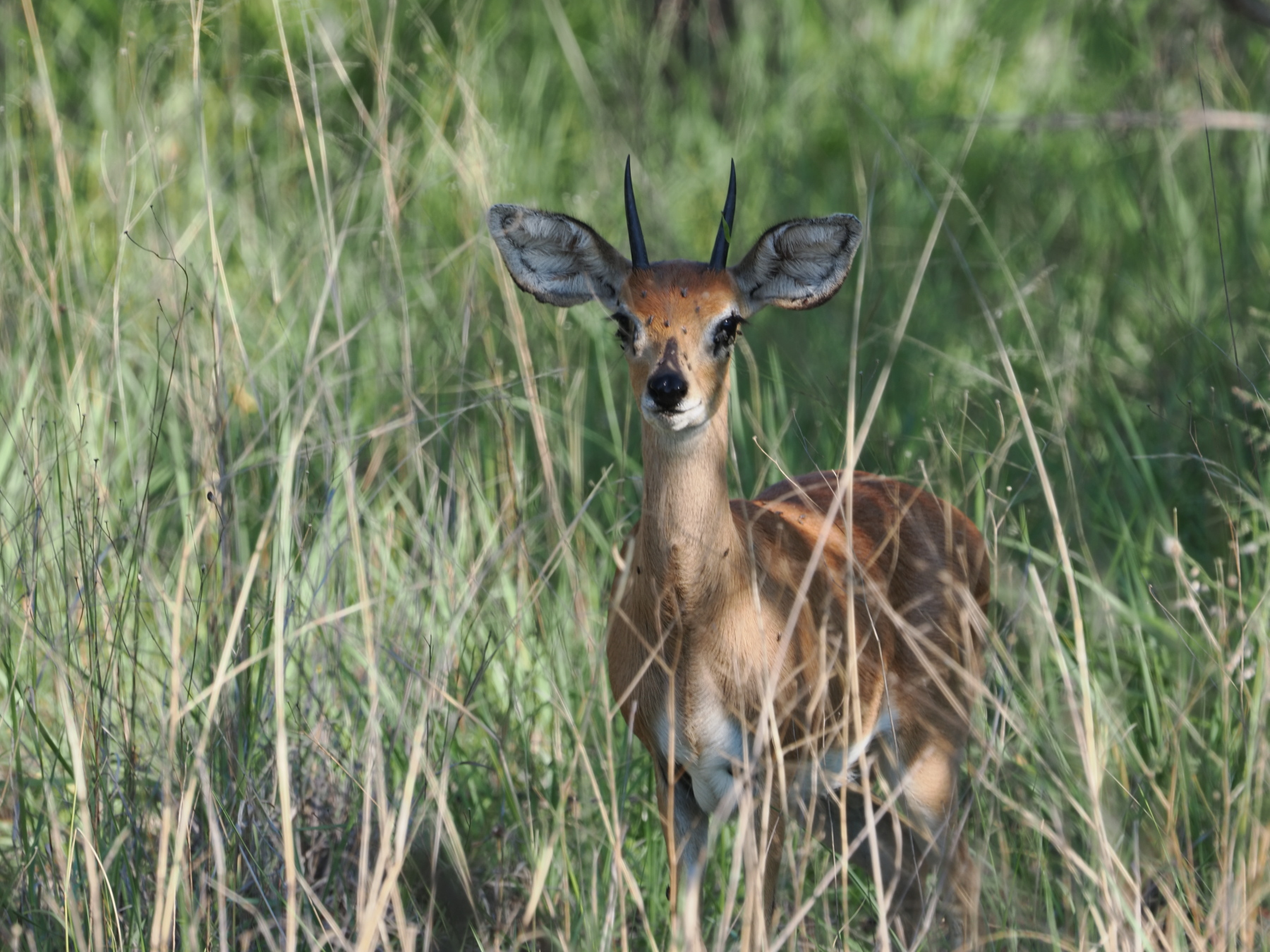
Fully grown male steenbok. They are a little bigger than the dik-dik's we saw in Tanzania
Sable Antelope checking to make sure we saw his 'african salute'.
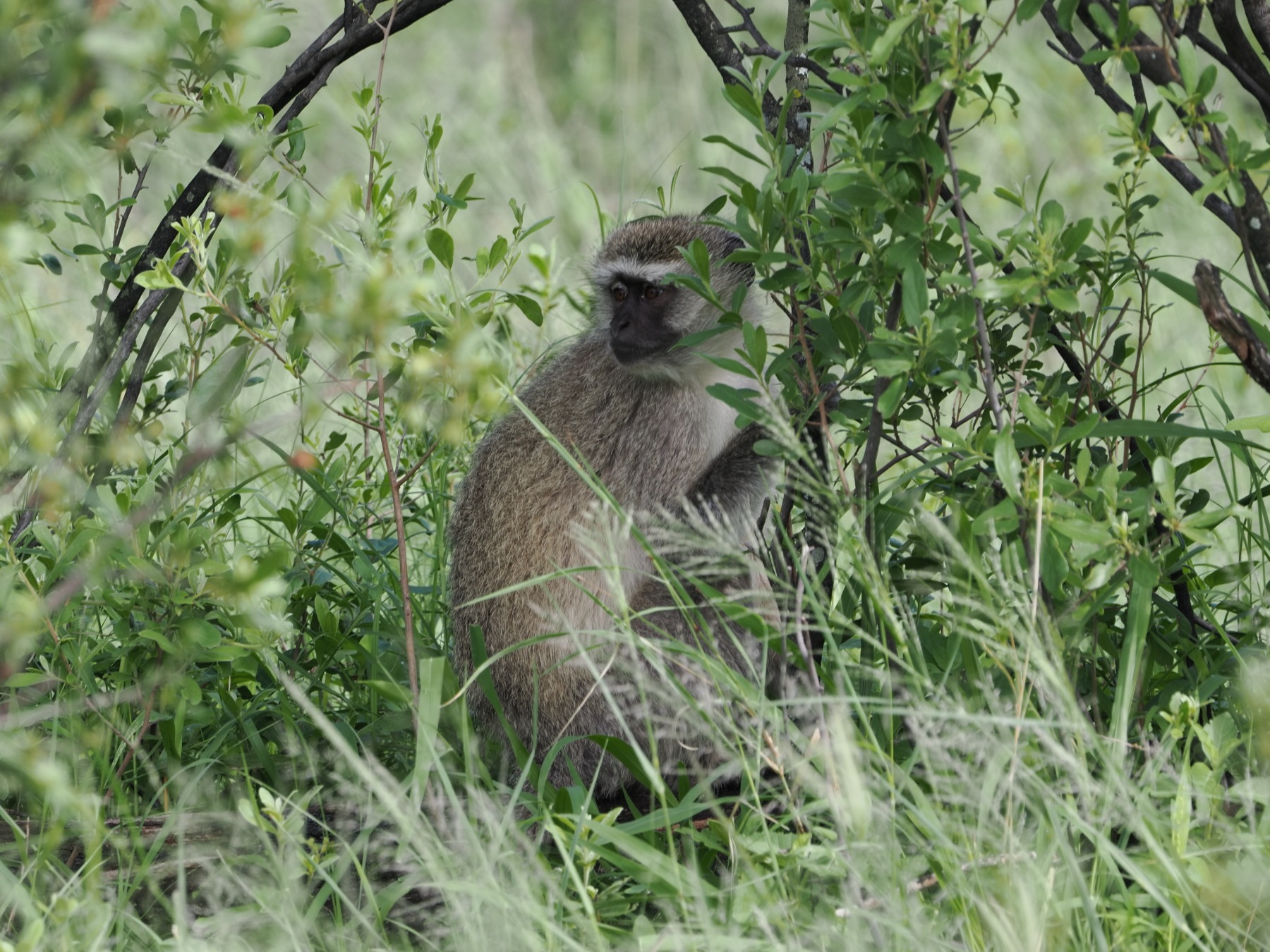
Velvet monkey
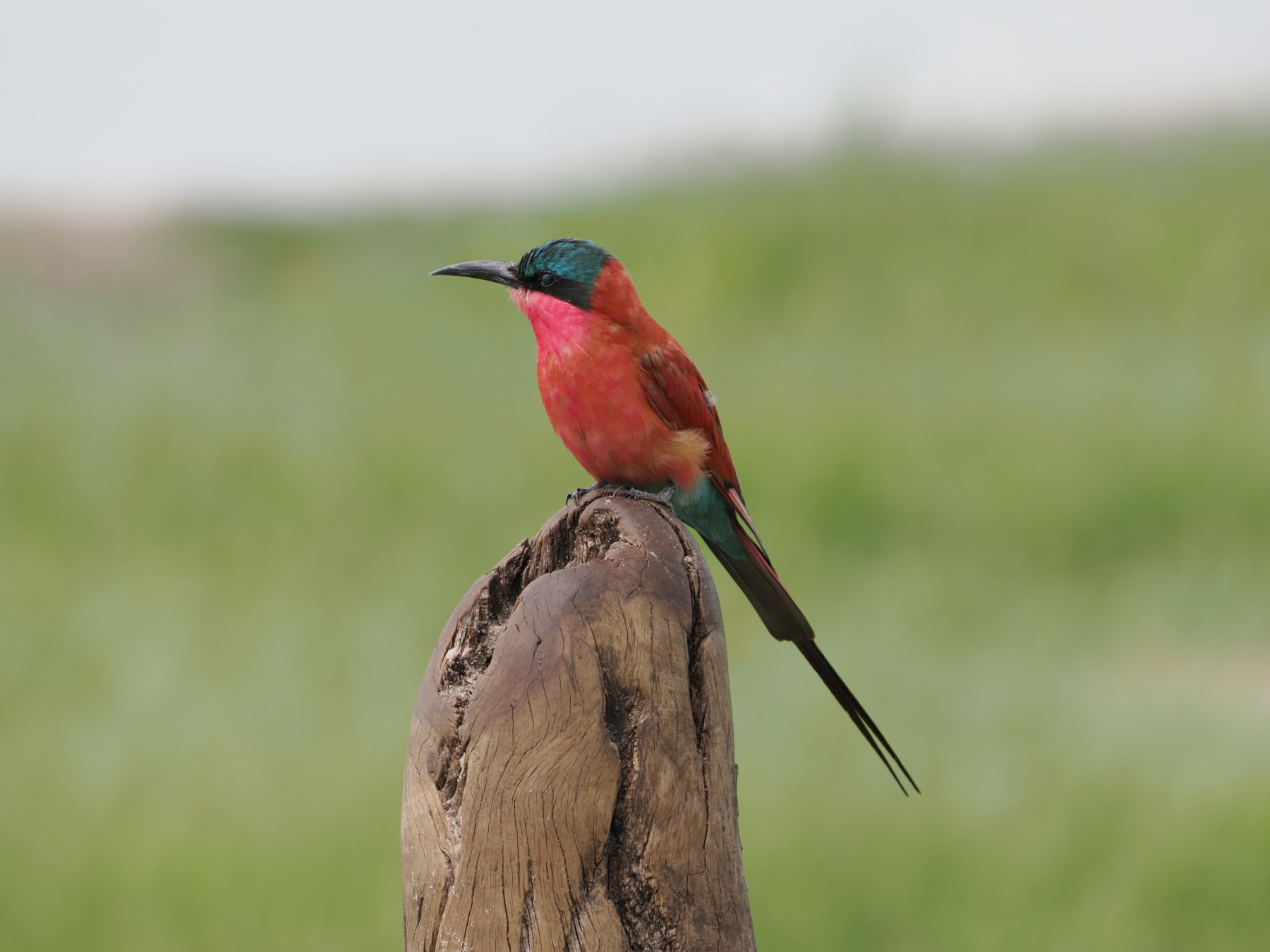
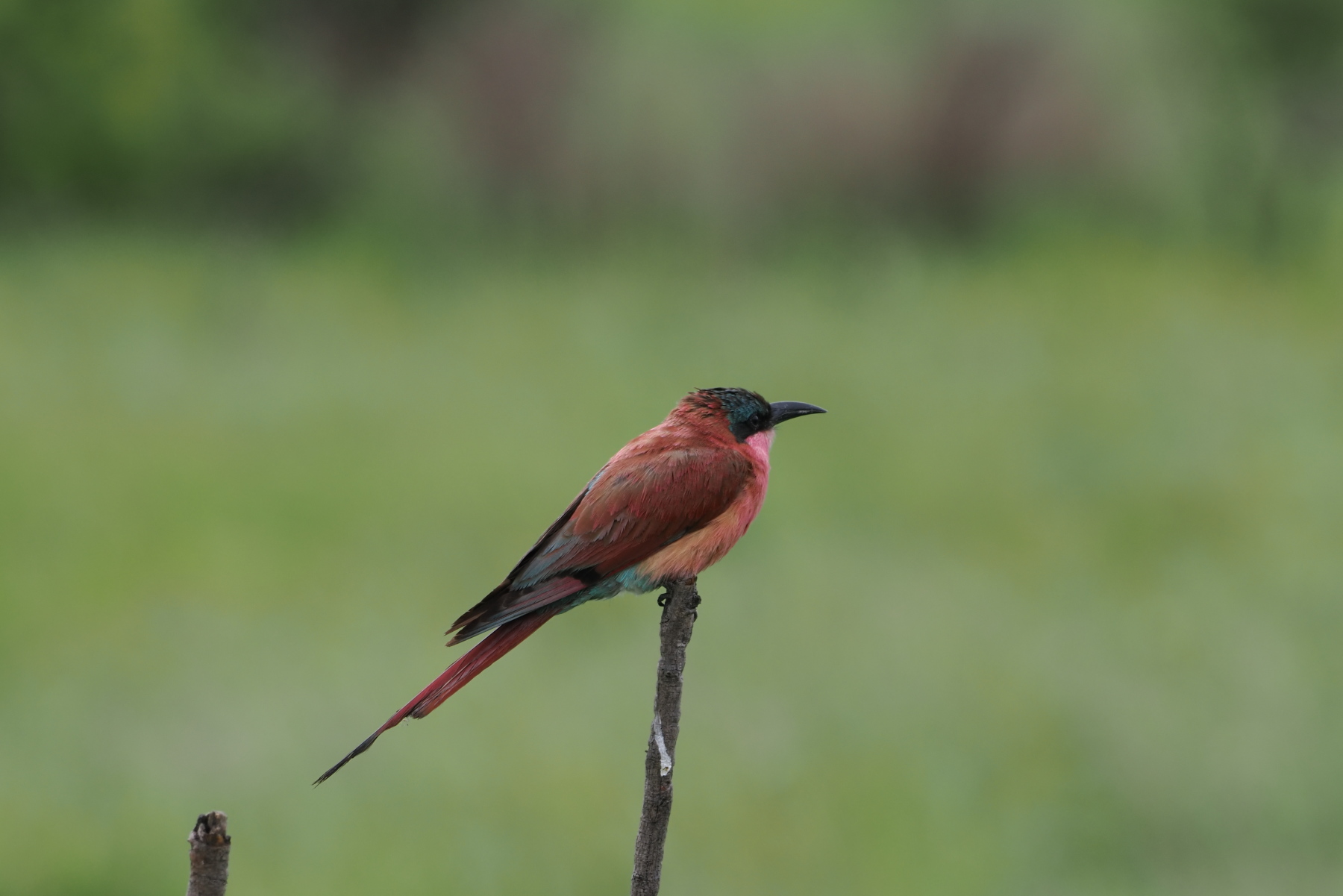
Southern Carmine Bee-eater
Swainson's Francolin
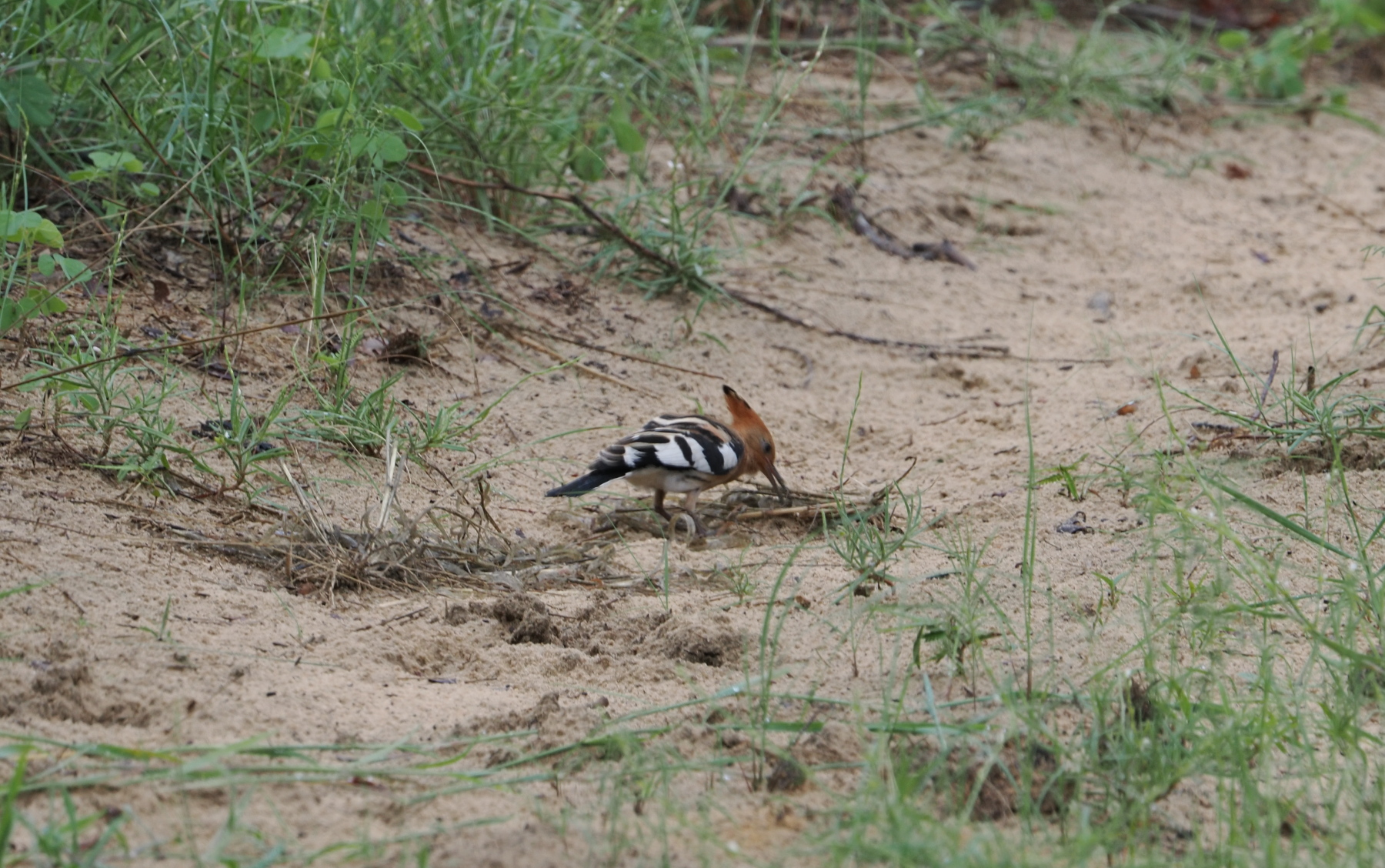
African Hoopoe
Baby ostriches. The guide said they are easy prey - each time he sees them there is one less.
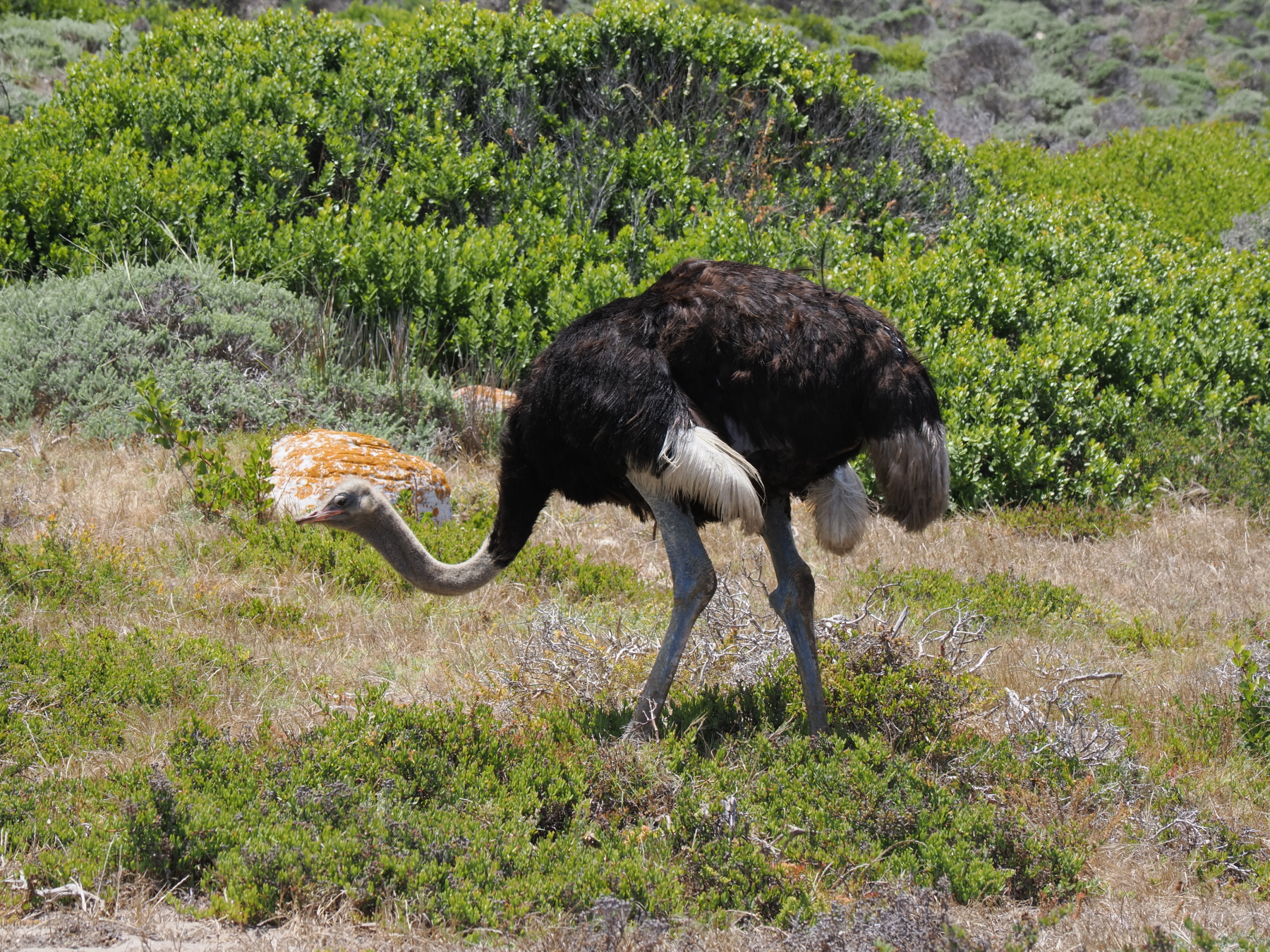
Male ostrich
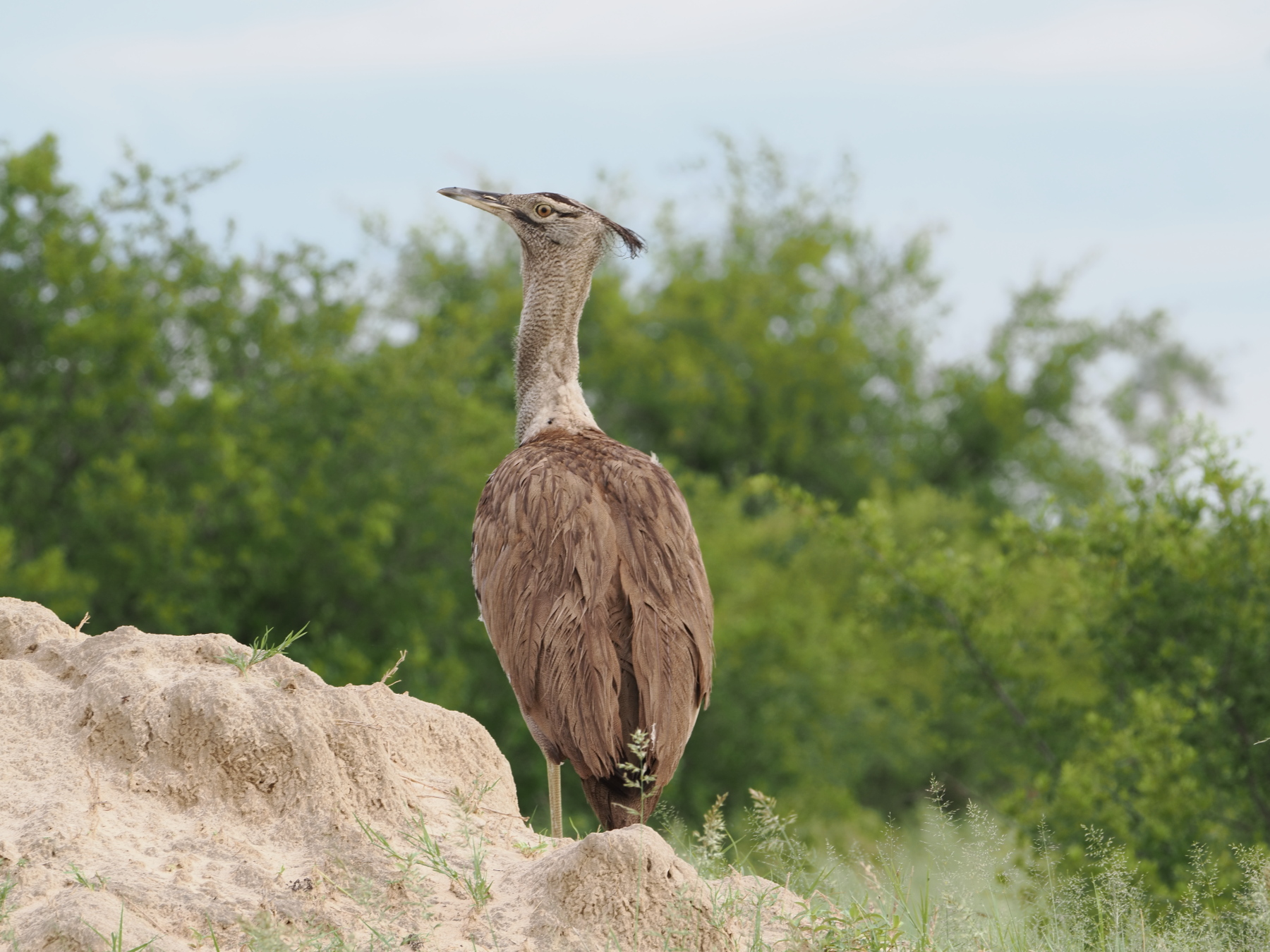
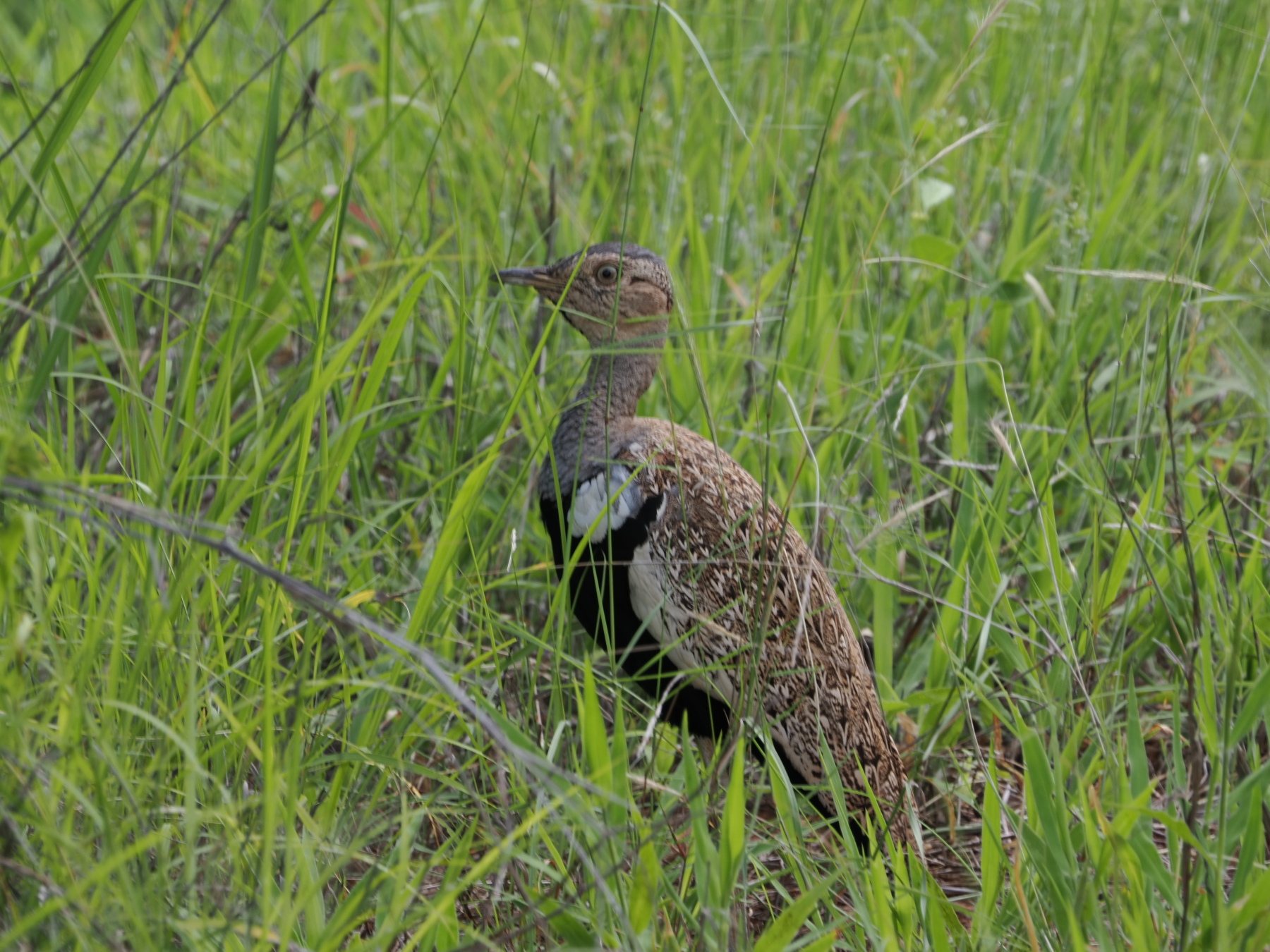
Kori bustard
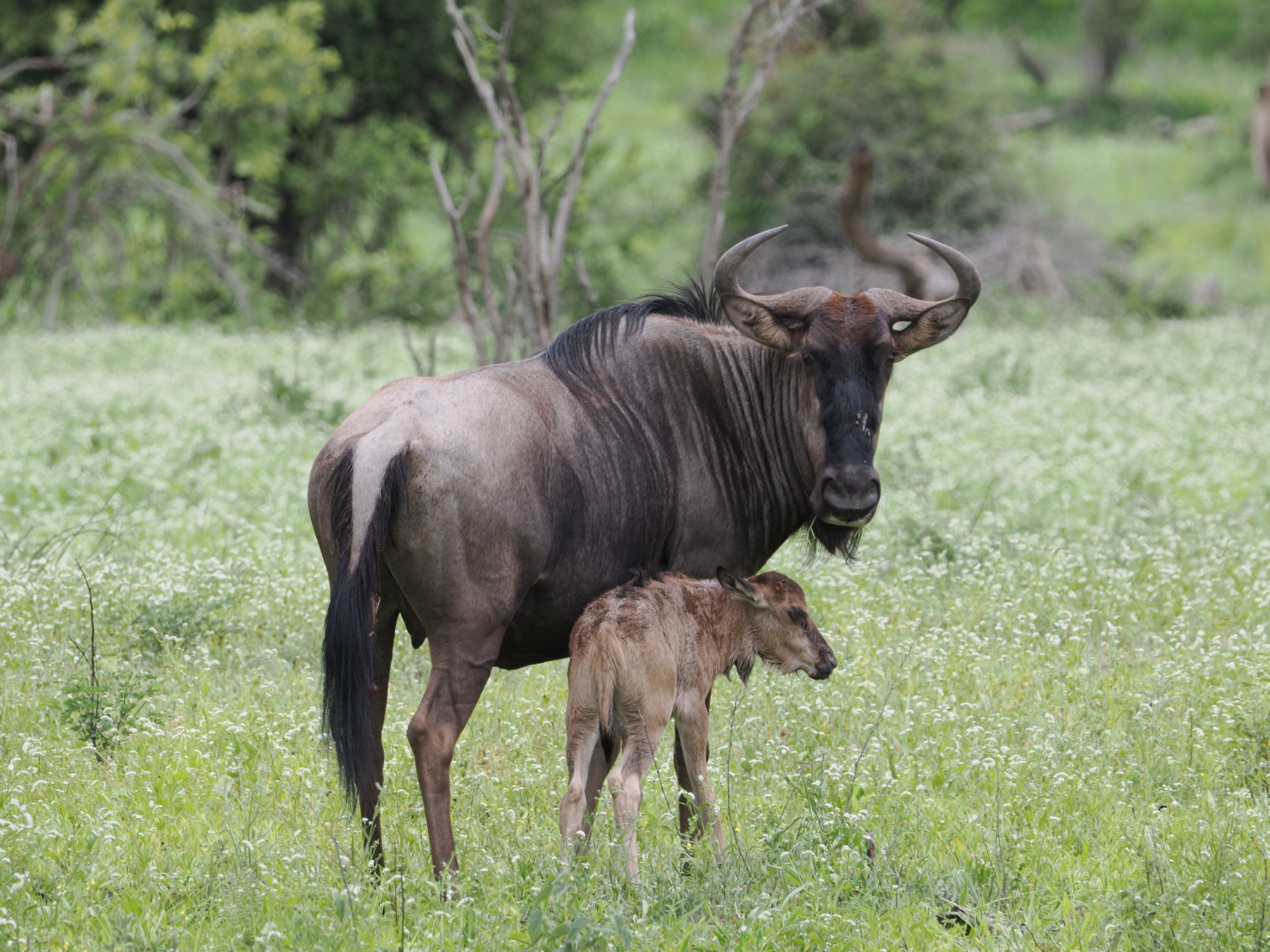
They say they are built from spare parts.The wildebeest has the horns of a cape buffalo, stripes and legs of a zebra and sloped back of a hyena
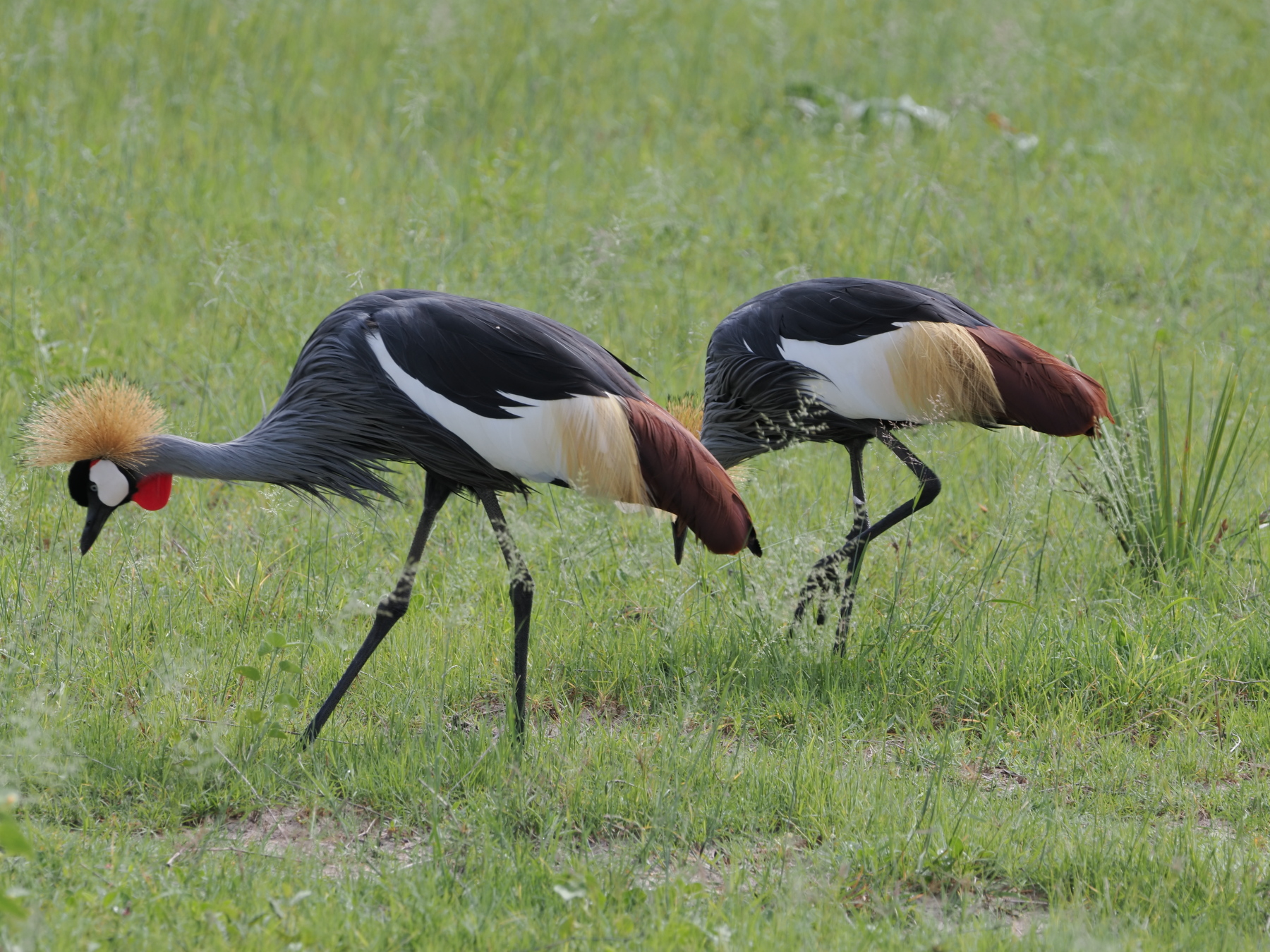
Grey crowned cranes
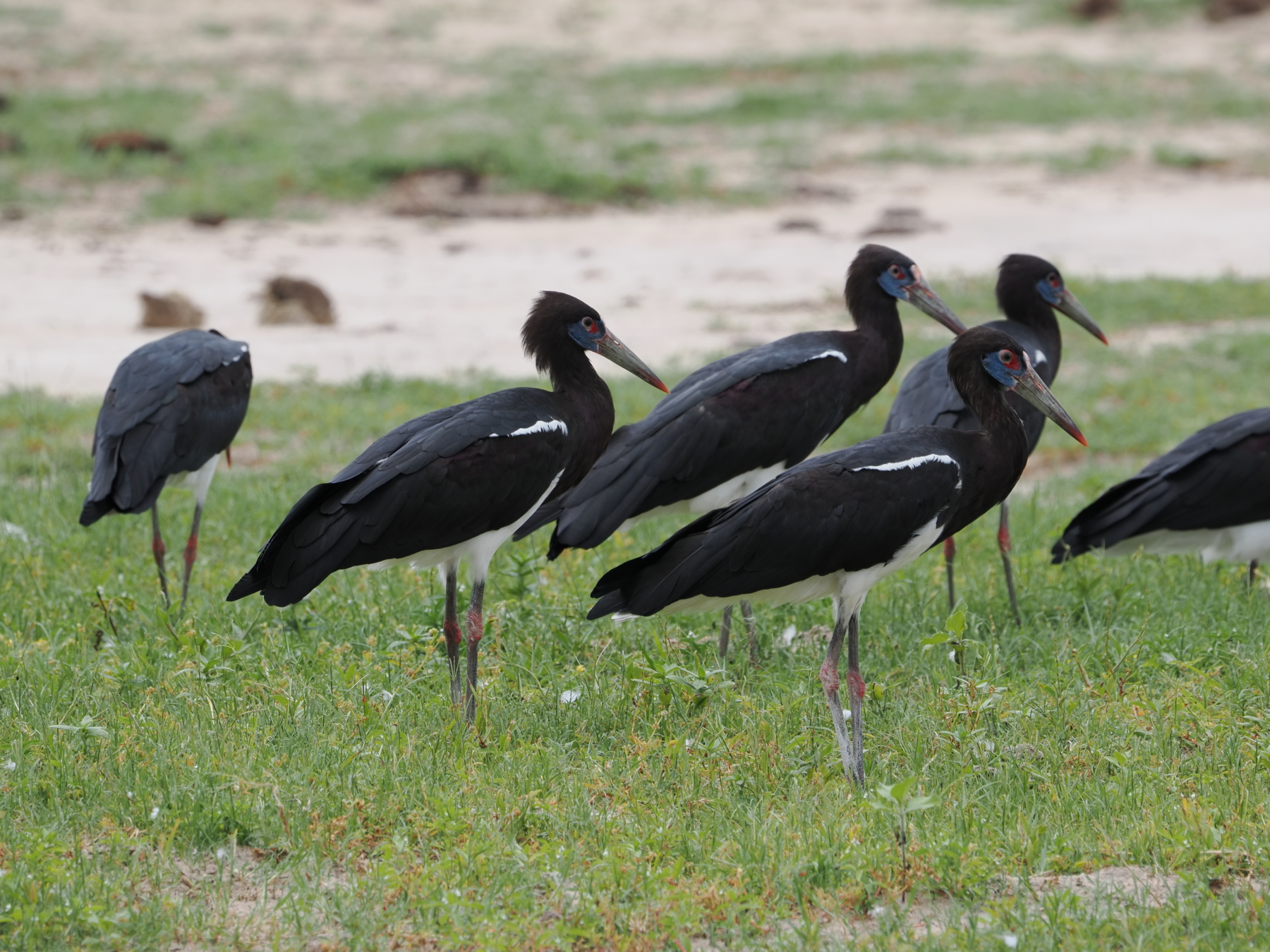
White bellied storks
The vultures turn at a Kudu
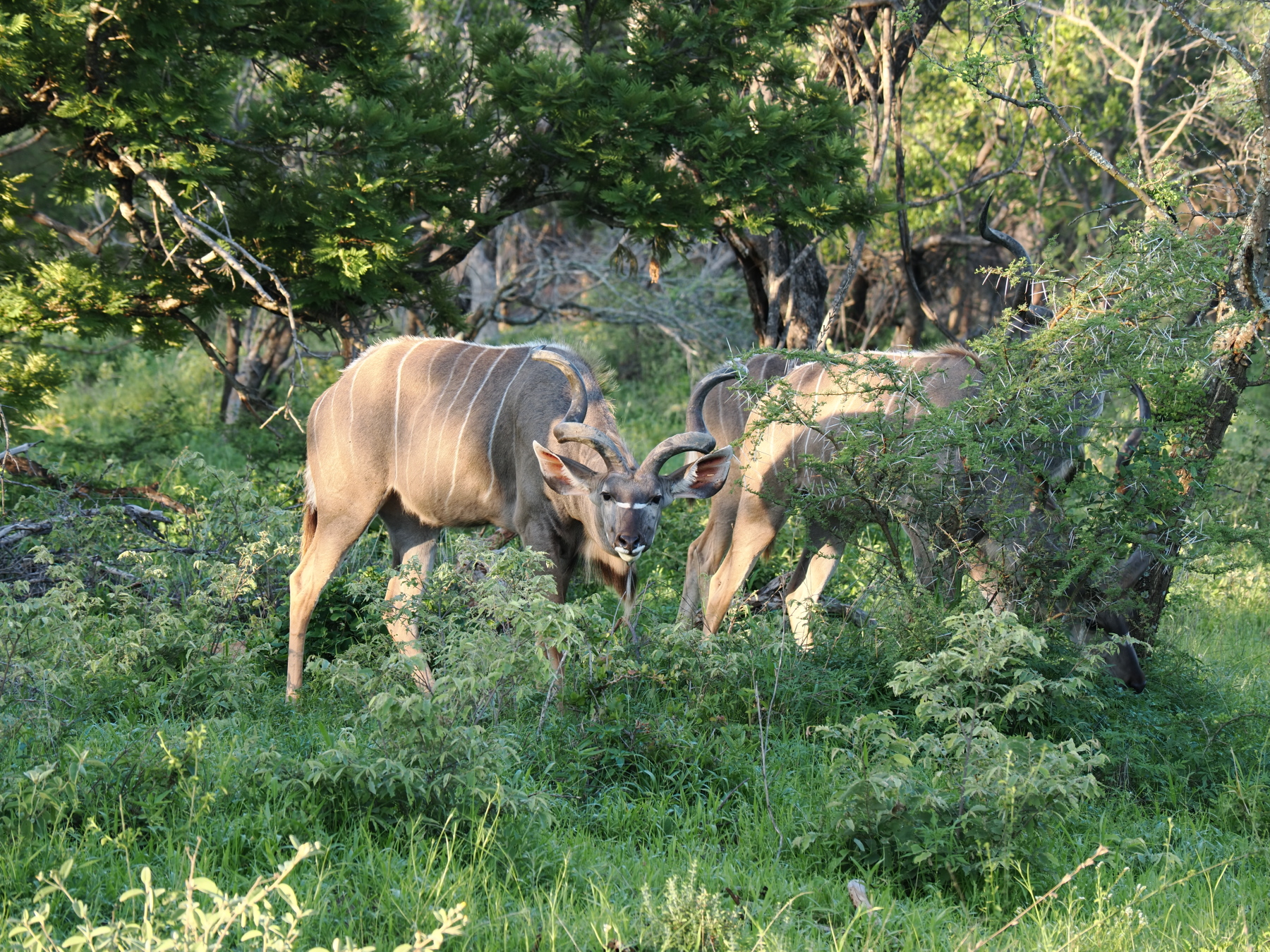
Greater kudu
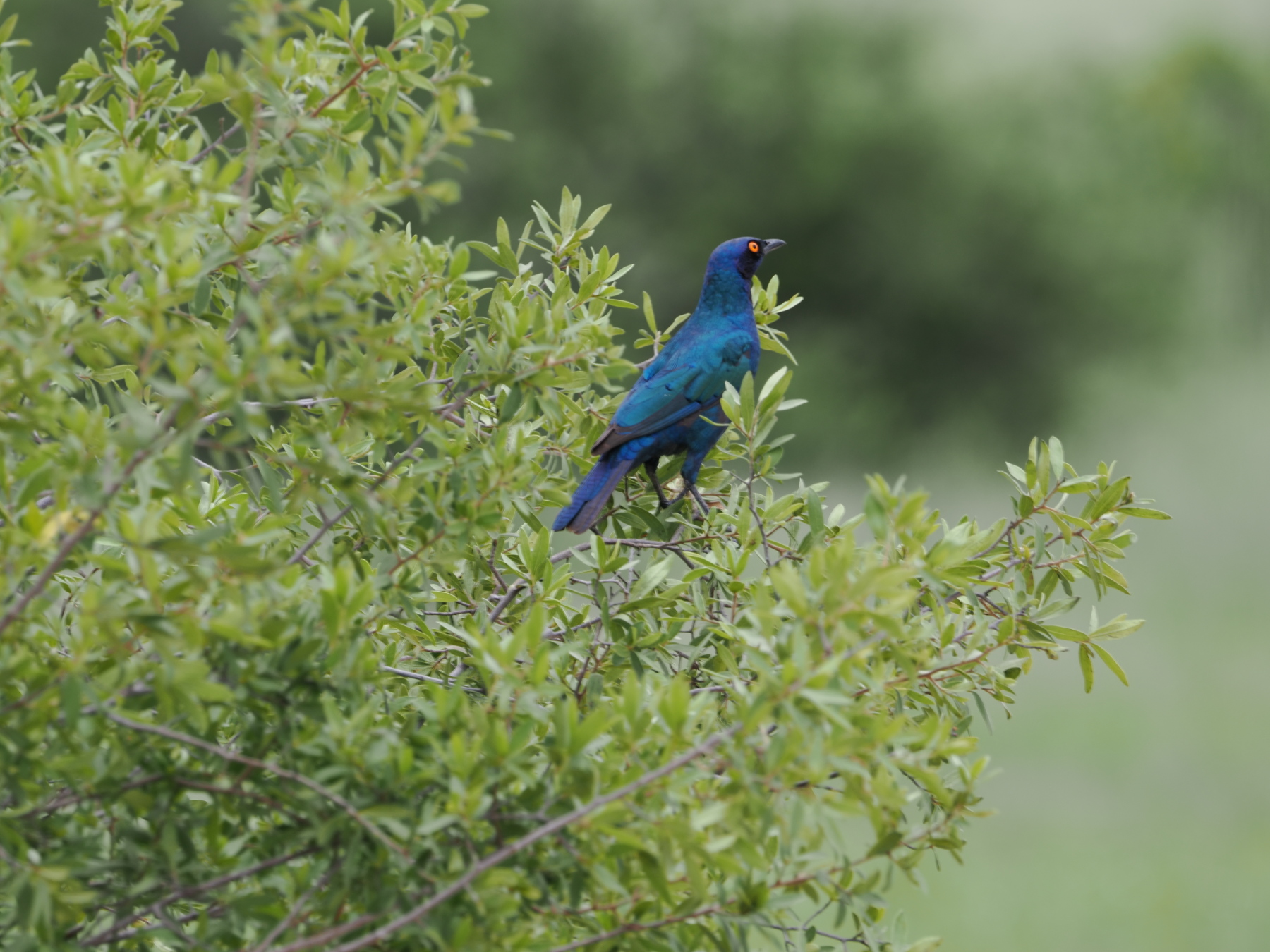
Greater blue eared starling
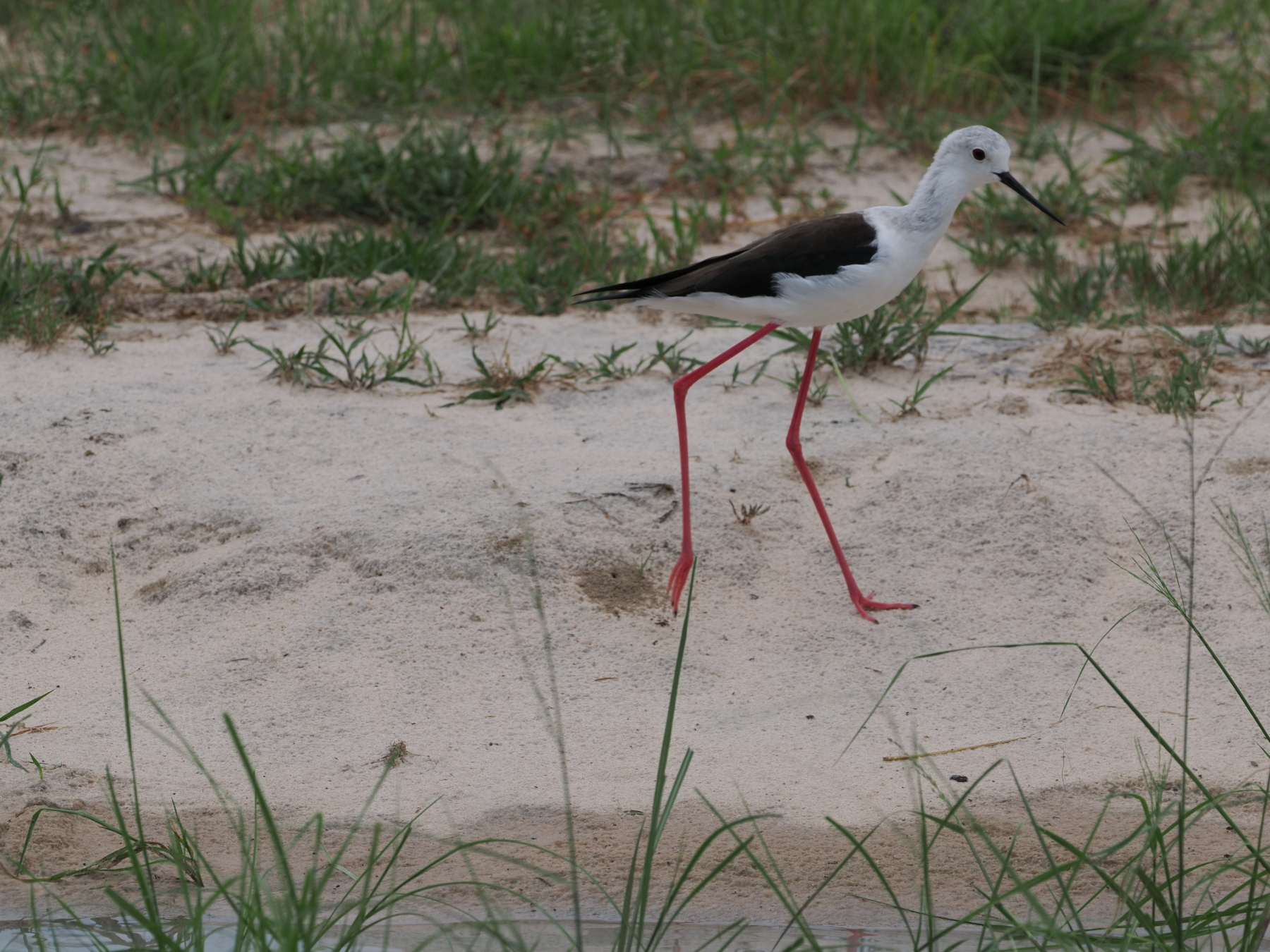
the appropriately named black winged stilt
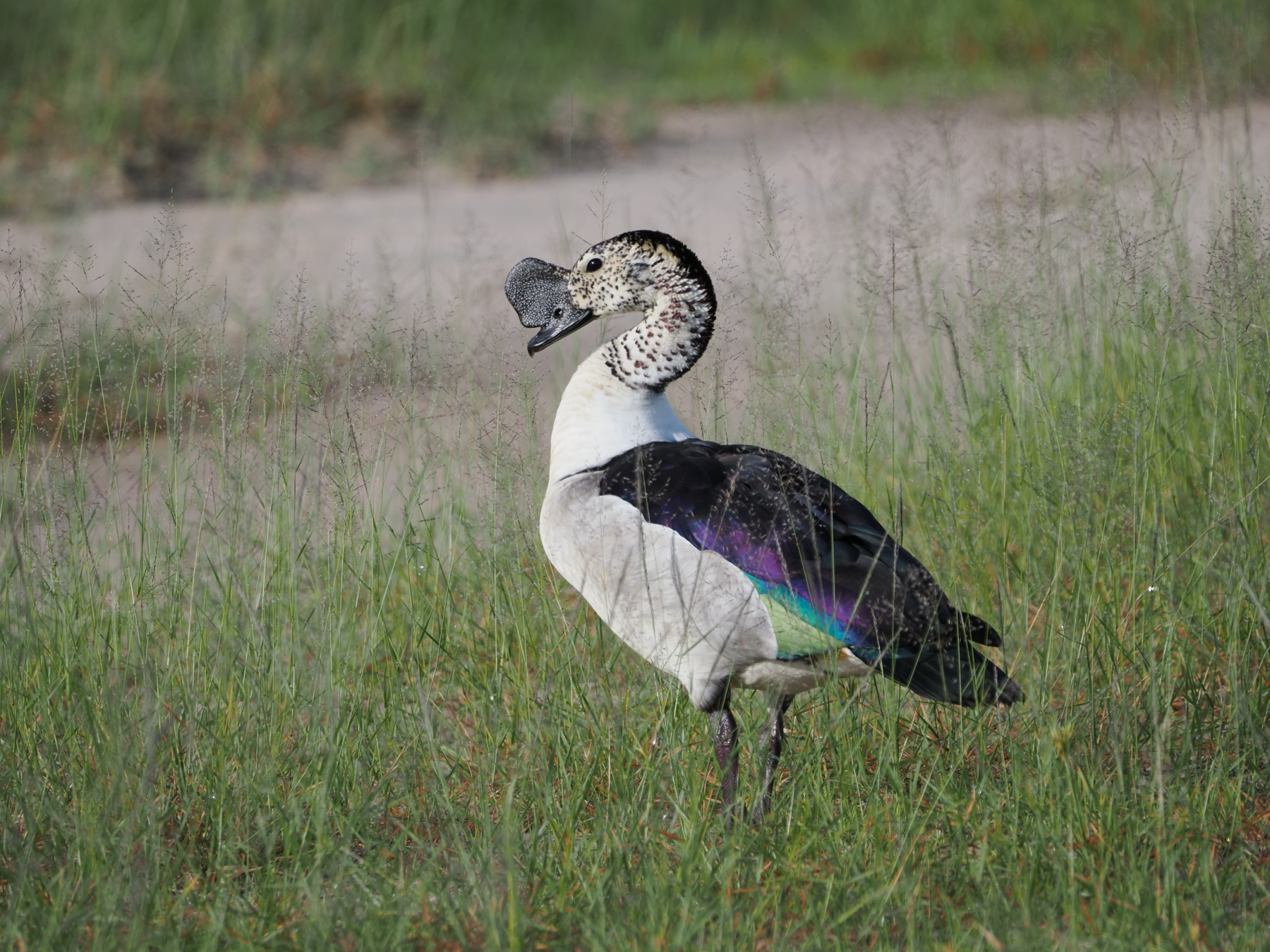
Knob billed duck. It needs to stand a certain angle to show the blue wing tips
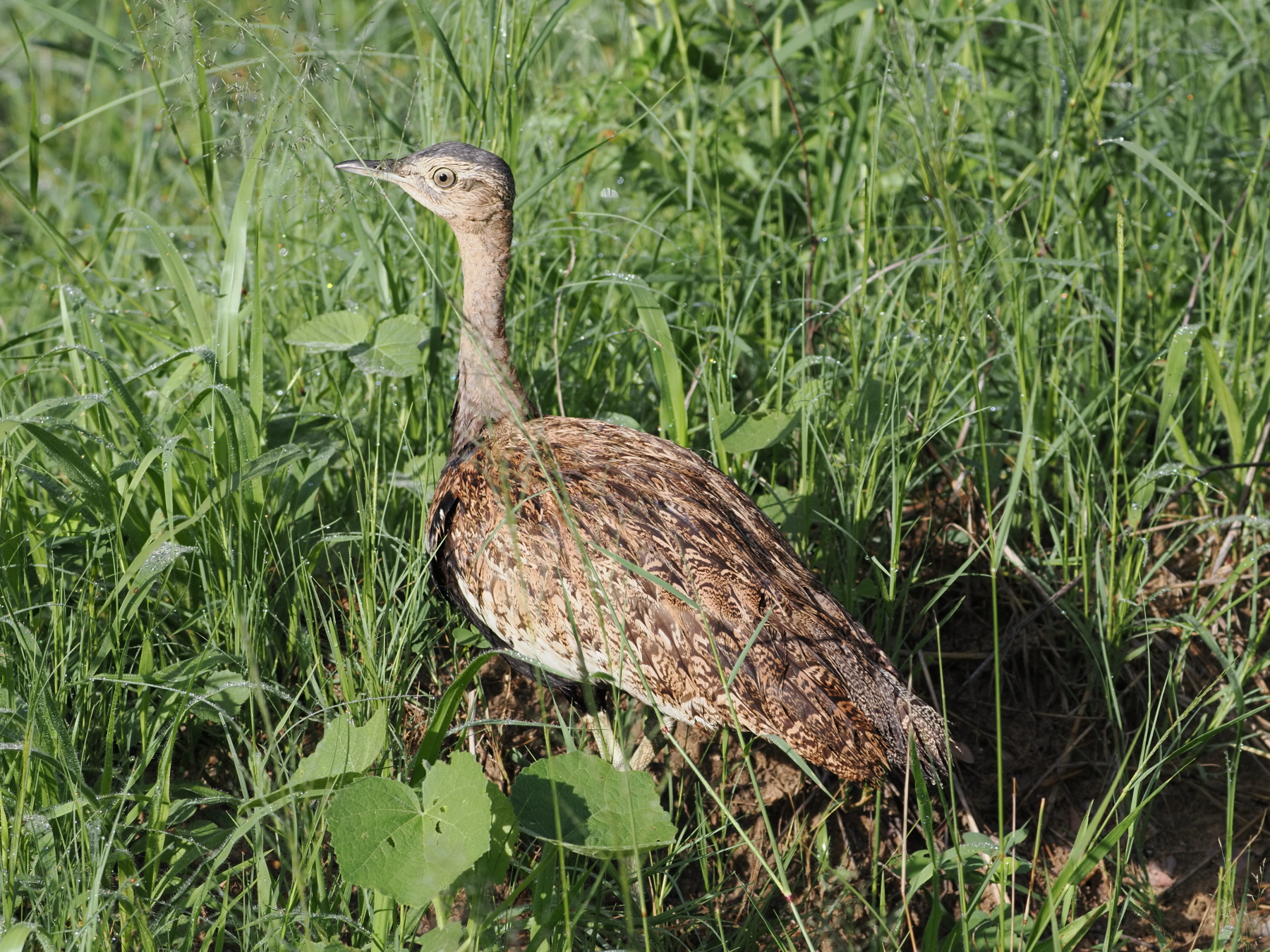
Red crested korhaan (suicide bird)
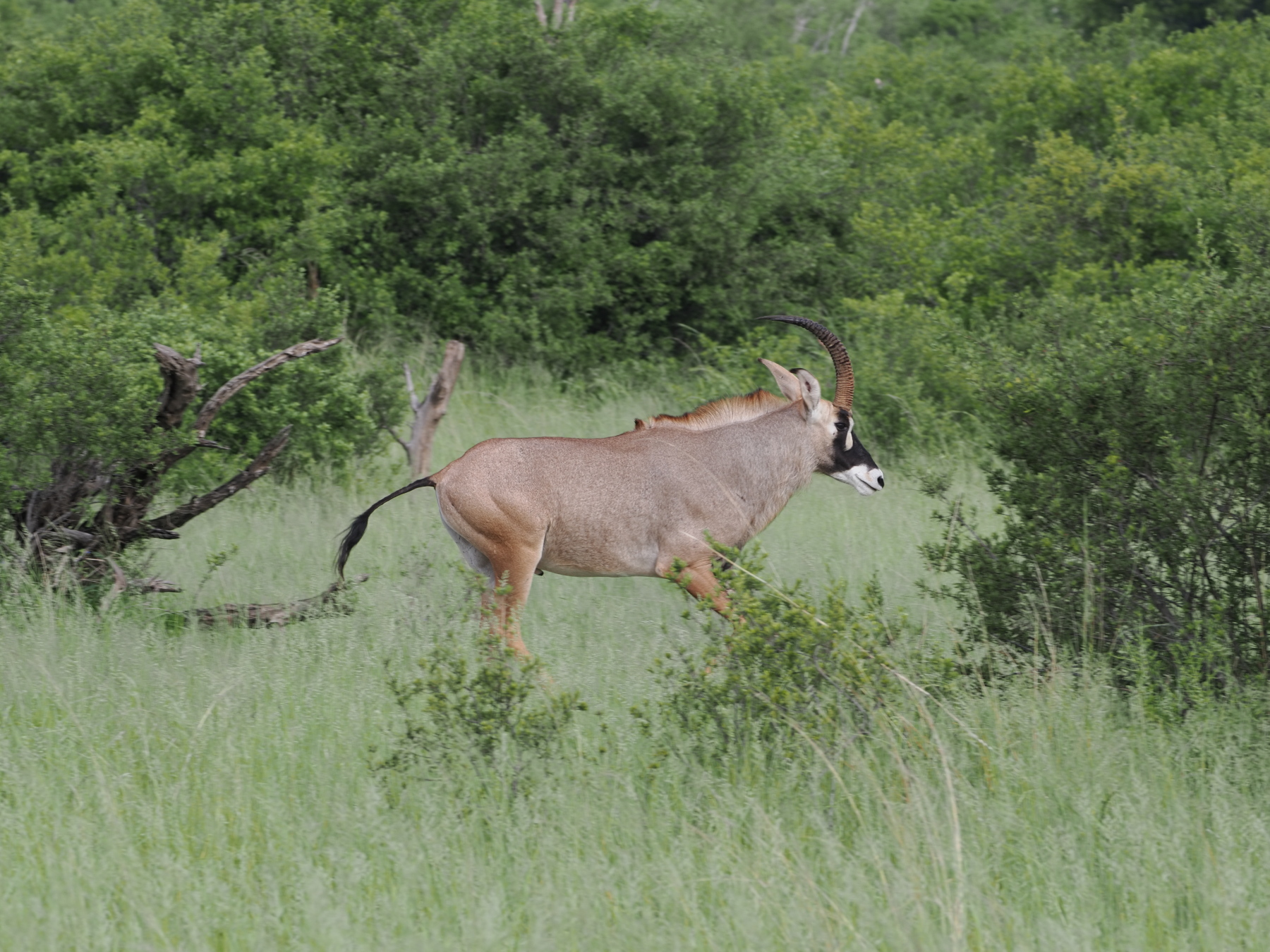
Roan Antelope (endangered)
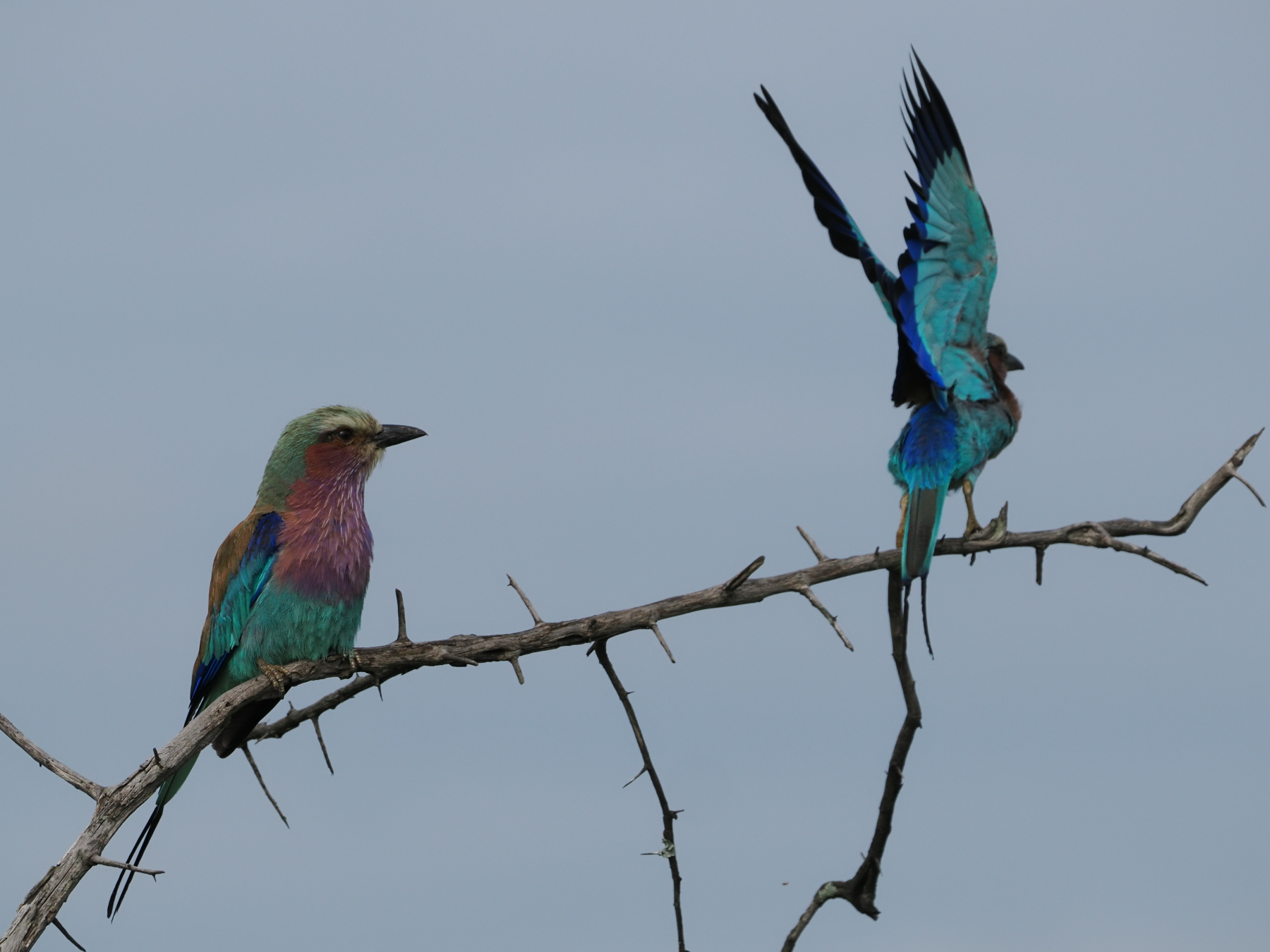
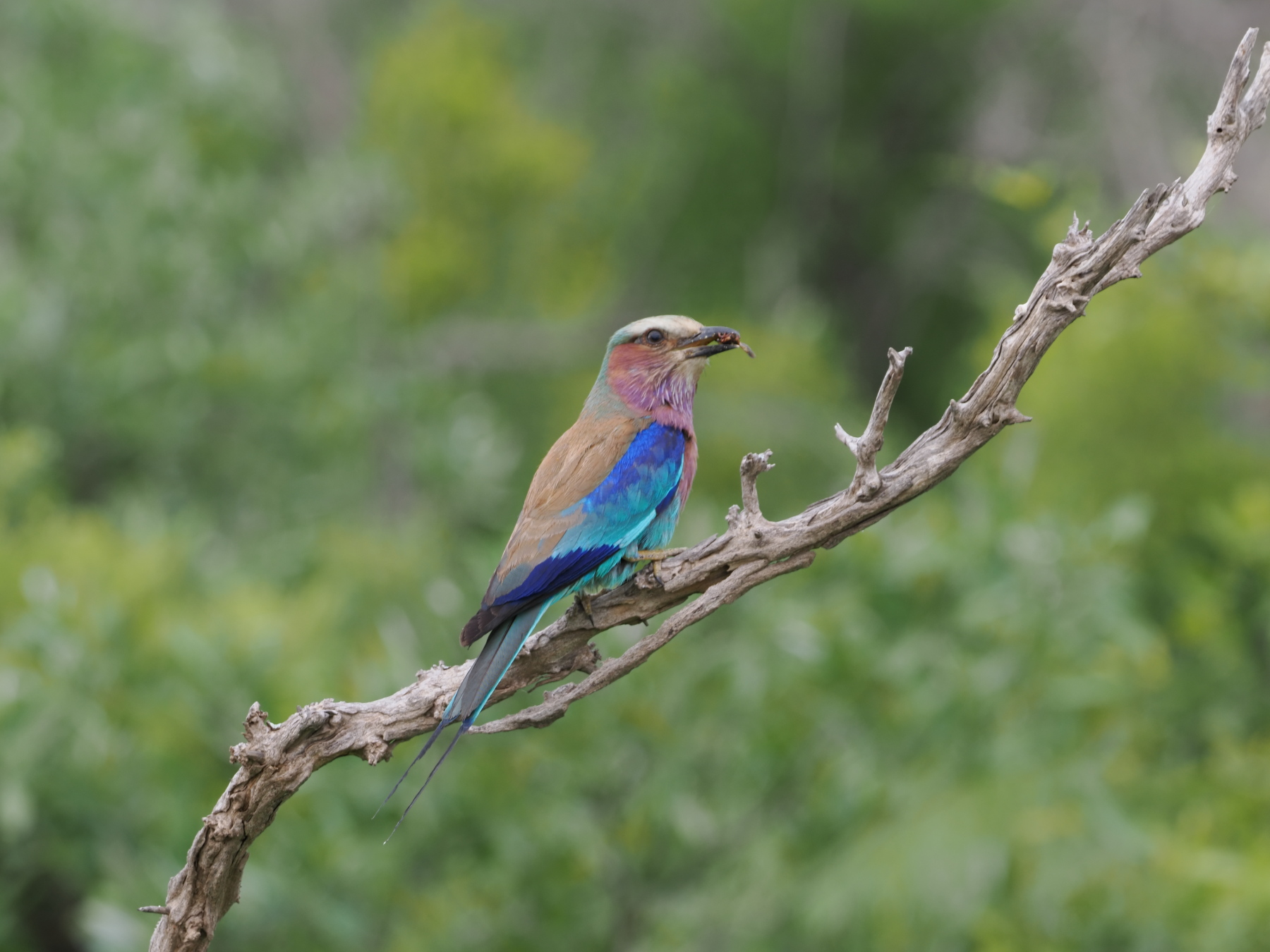
Lilac-breasted roller
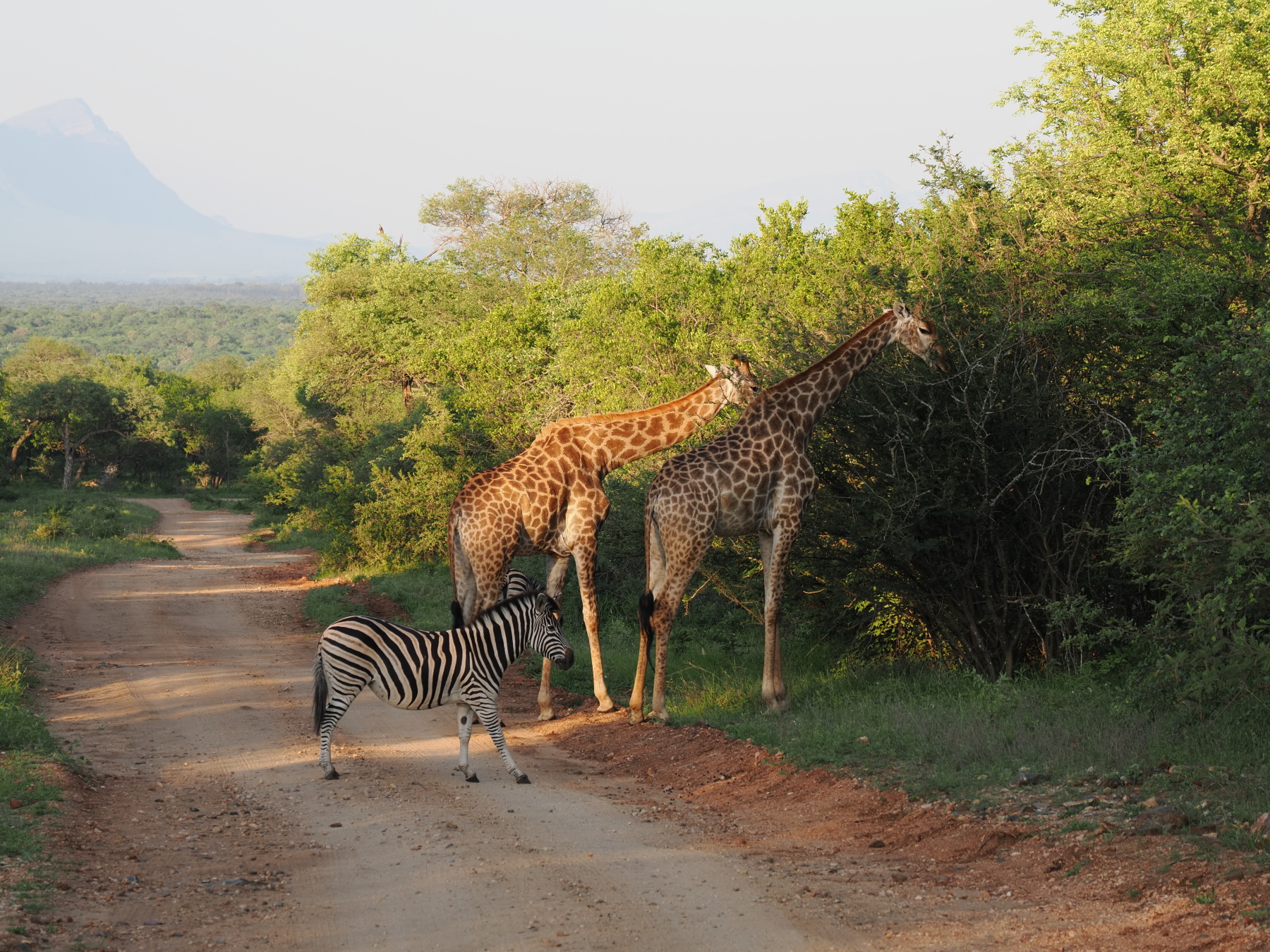
Southern giraffe
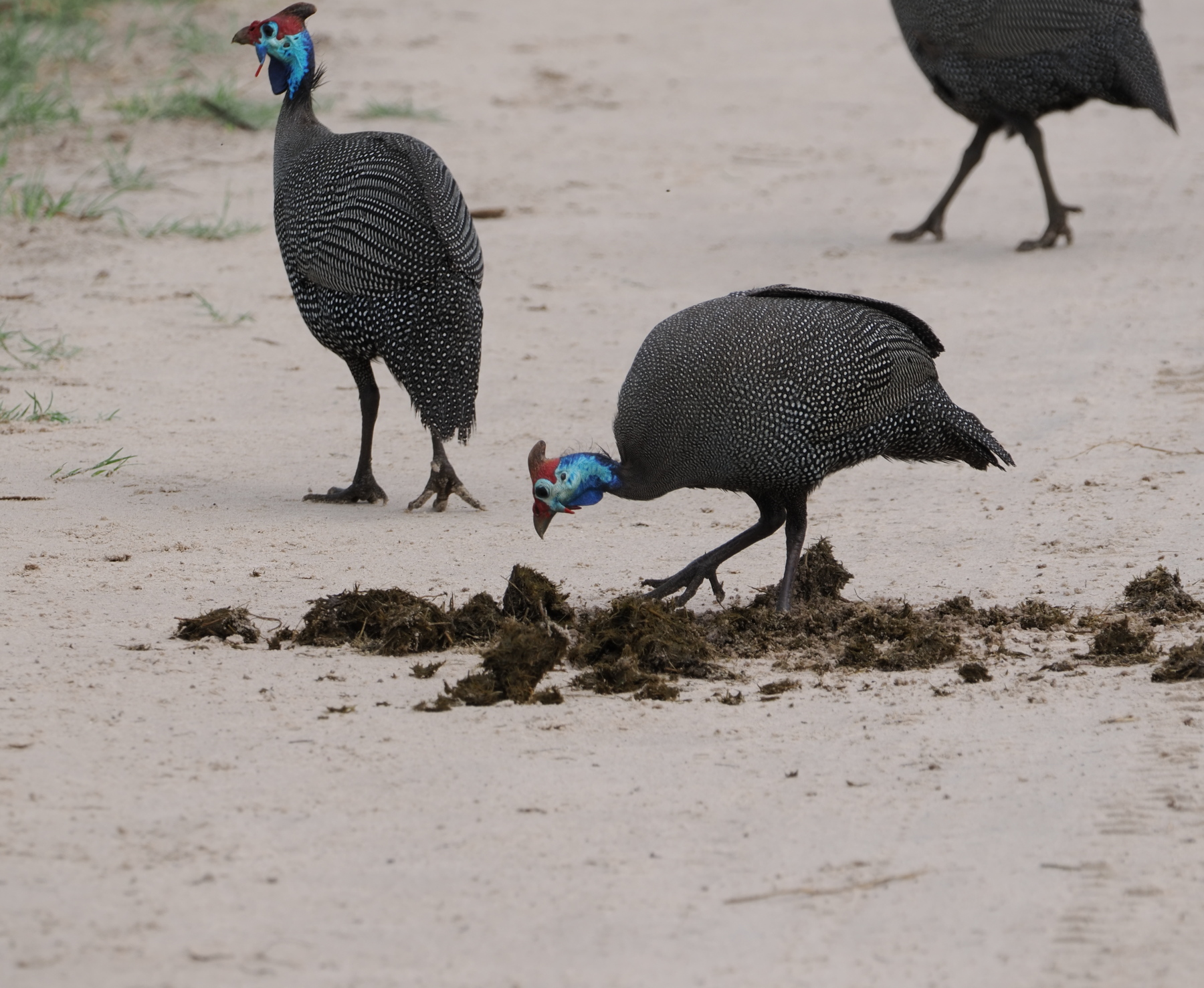
Helmeted guinea fowl looking for seeds in the elephant poop
previous arrow
next arrow
Towel art 2.0
previous arrow
next arrow
 

Kruger National park … and some other stuff

Since my last post, we’ve taken a boat tour through Blyde River Canyon, spent a day in Kruger National Park, and enjoyed our final game drive at the lodge.

I feel like the “Fat Five” has begun to make its appearance. The food here has been exceptional, and every meal ends with dessert. Refusing would feel almost rude. So, as visitors to this country, and for the sake of diplomacy, we’ve eaten everything set before us. It seems only right. As experienced safari people, Sarah & I ‘get it’, Victoria, the safari newbie, does not quite grasp the concept and usually orders half portions. She should get with the program because I’m sure staff are talking about us behind our backs.

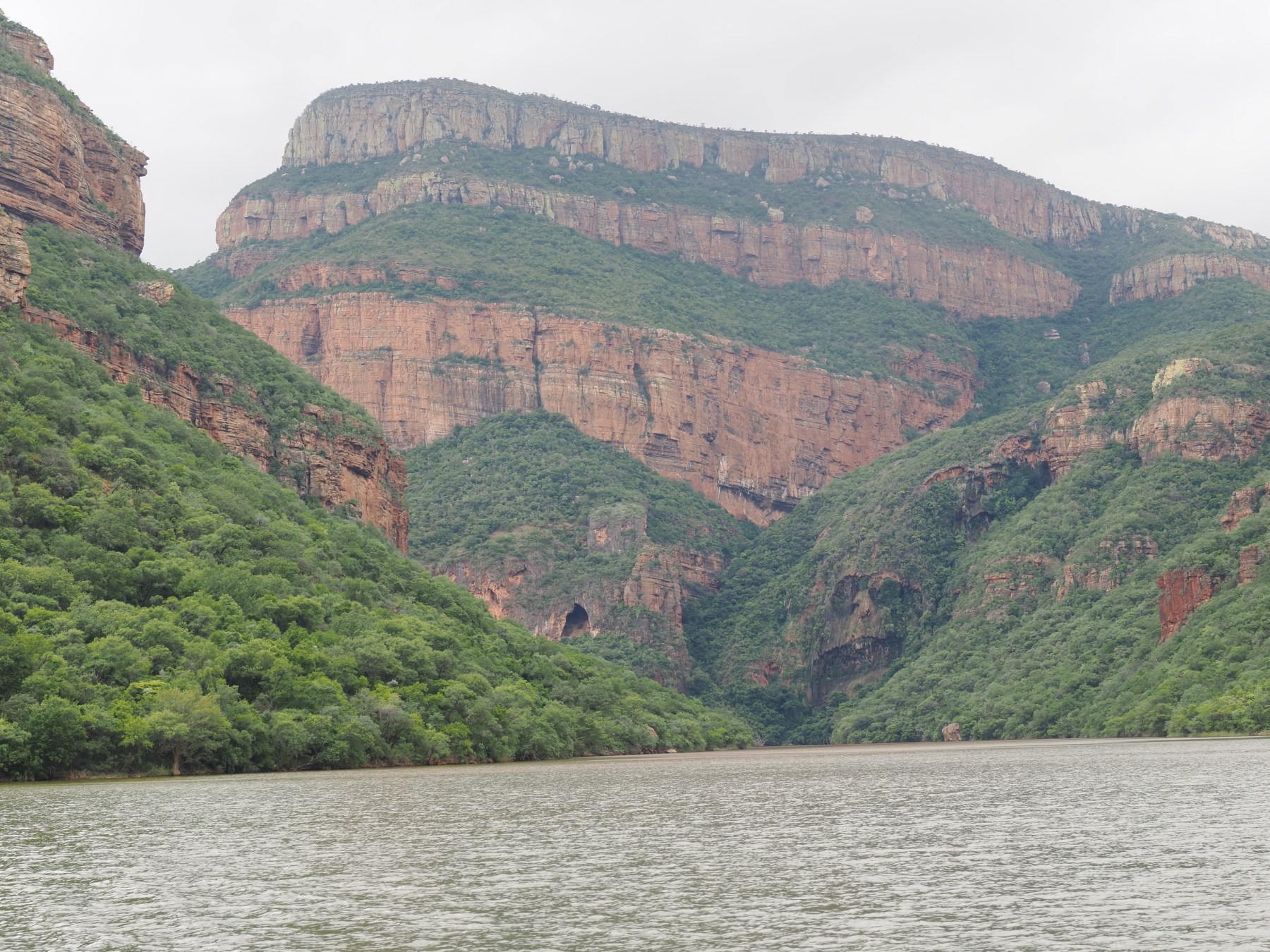
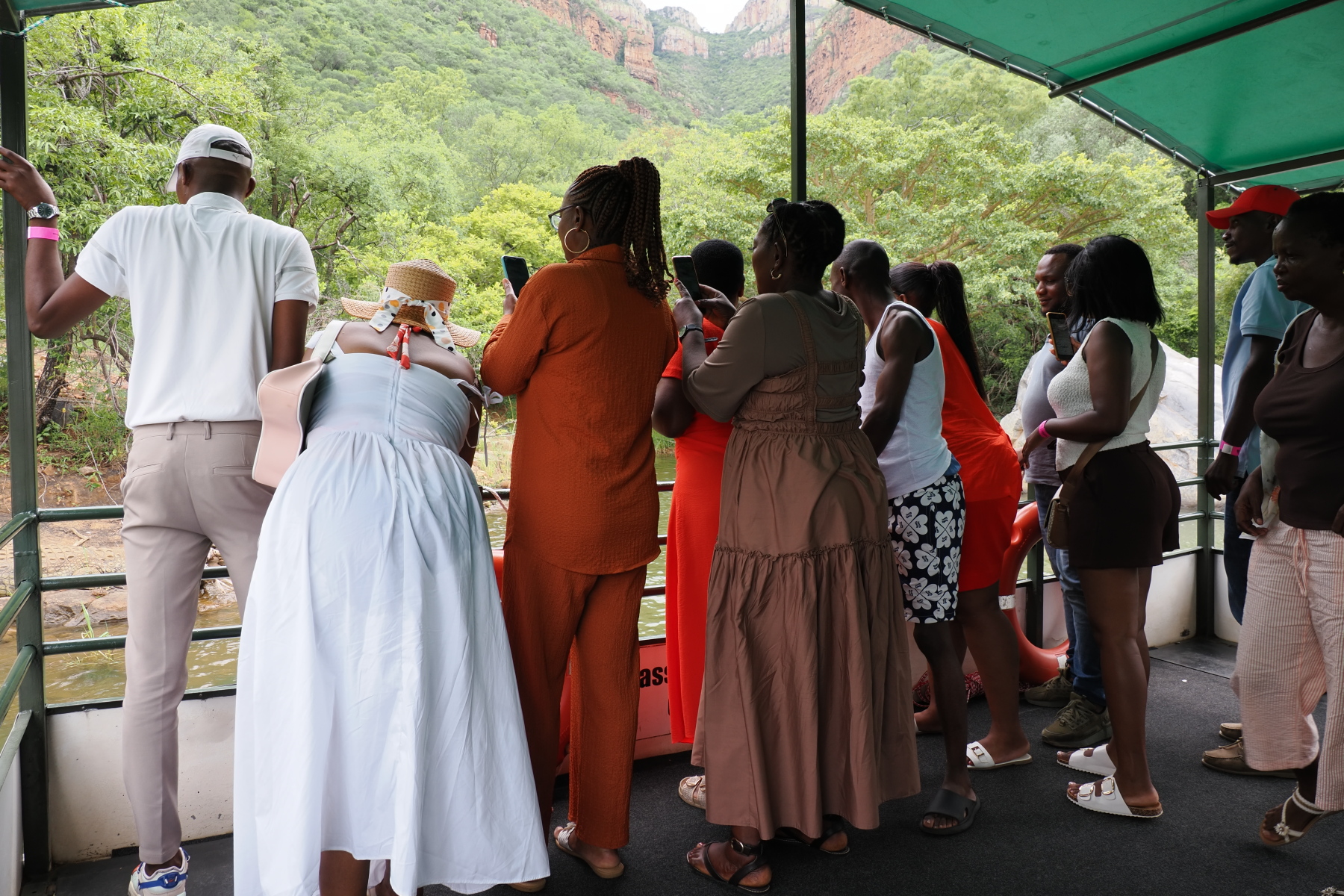
It’s always a pleasure to be out on the water. The Blyde River Canyon tour was a relaxed hour-and-a-half boat ride. We seemed to get on the “party boat”. I’m not sure what the occasion was, but the many locals on the tour were having a raucous time.

The dam at the outlet stands 71 metres high. The resulting reservoir isn’t used for power generation, but instead provides steady irrigation for the many citrus and mango farms we passed during the hour-and-a-half drive from the lodge. The landscape in the gorge was striking: red rock and green vegetation reminiscent of Sedona, combined with the scale and height of the Grand Canyon. Interesting to see, though truth be told, we would have preferred another safari.

Our day in Kruger National Park was spectacular, punctuated by light drizzle and occasional rain. I wrote earlier that our lodge was adjacent to Kruger. In fact, it took Mike, our guide, an hour to drive there at highway speeds… so not that close afterall! On our drive, we spotted a cape buffalo, and a pack of african wild dogs making quick work of an impala.

Kruger National Park covers 19,500 square kilometres—roughly three times the size of Banff National Park, just under three times the size of Algonquin park, or just slightly smaller than the state of New Jersey – pick the analogy that works for you. The area around our lodge is more heavily forested, with a few tall trees and dense clusters of smaller trees and bushes. By contrast, the section of Kruger we explored was much more open: the occasional large tree, scattered shrubs, and small trees set amid wide grassy expanses. This openness made wildlife easier to spot, and the game seemed correspondingly more abundant.

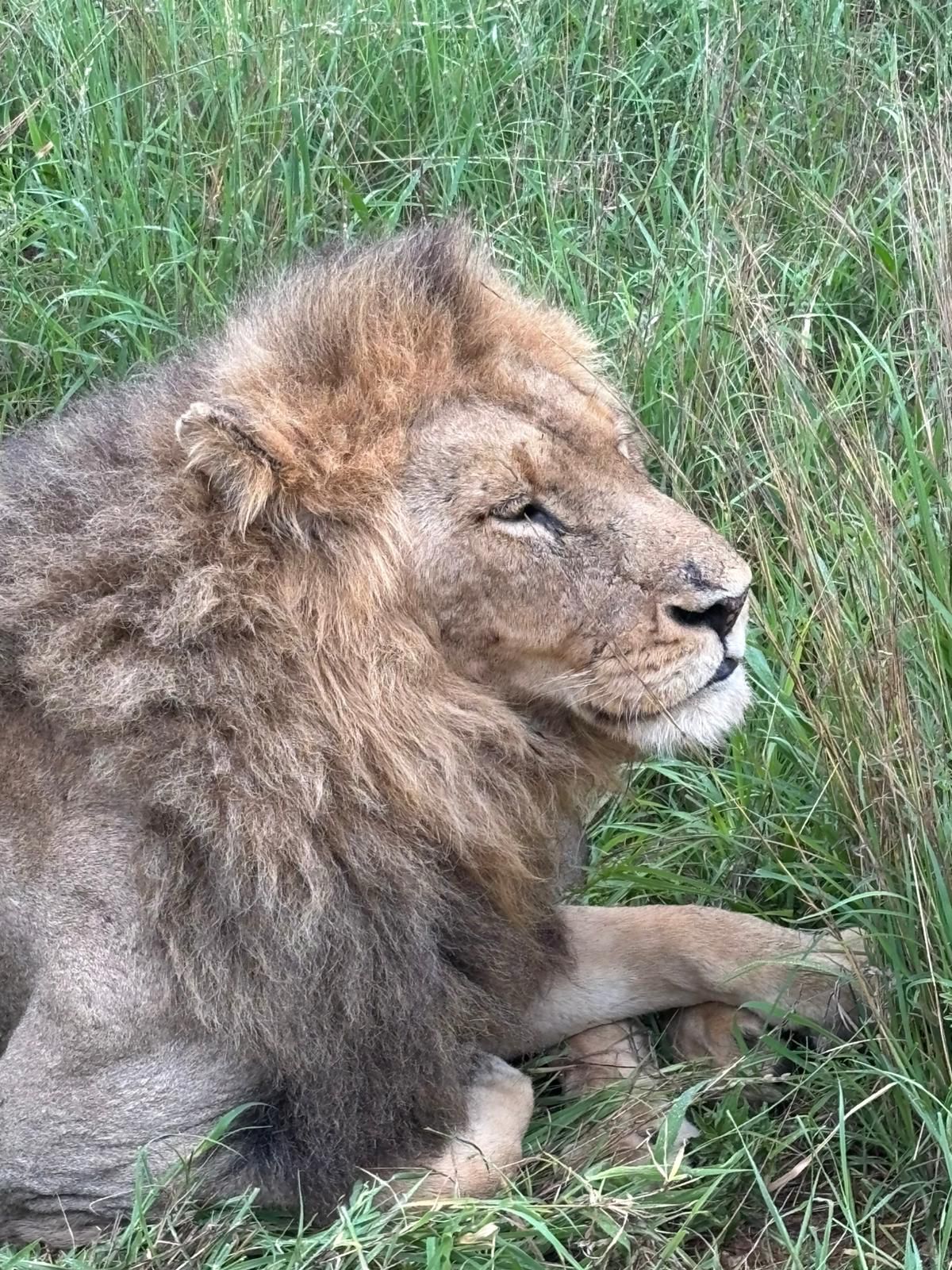
At one point we passed within a few metres of a pair of male lions lying beside the road. The photo below was taken on Vic’s iPhone; I had my large zoom lens mounted at the time. Yes, I should have switched to my other lens instead of ending up with a close-up of eyes and nose. But there was a long line of cars waiting for their turn, and for some unknown reason, I did not think ahead while we were waiting.

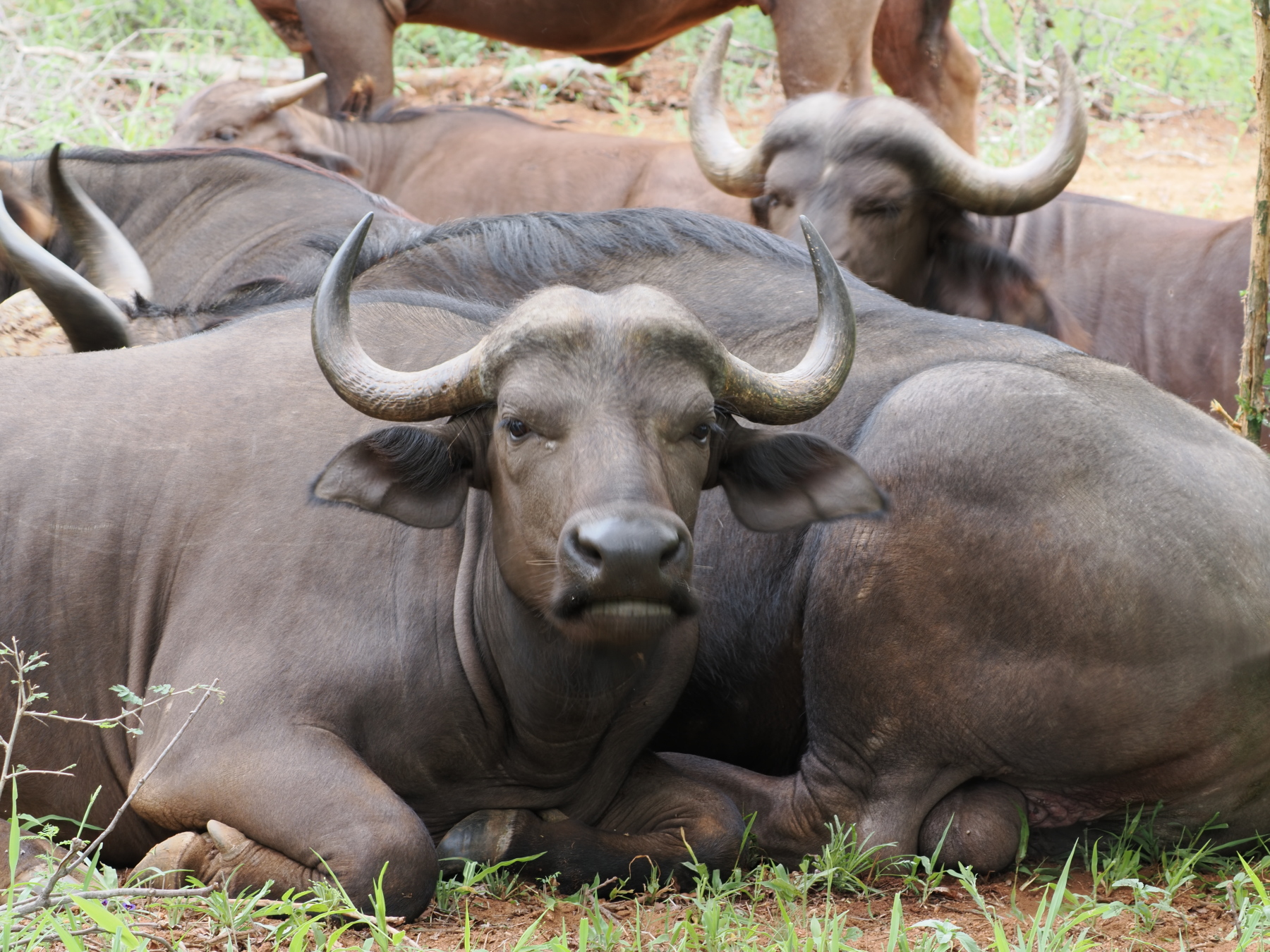
We hadn’t fully appreciated how lucky we were at the lodge to have private game drives with just the three of us plus Sammy and Vusi, our driver and spotter. On our final lodge drive, there were nine guests in the vehicle. They were all very pleasant, so we have no complaints. But it was quite a change. We did find the rhinos again and the cheetah still hanging around the electric fence. We also visited a separately fenced area where a small herd of Cape buffalo is being raised. Apparently, there are potential health issues for buffalo on the Kruger side of the main road, so this group has been kept separate. Once their numbers increase, they’ll be released into the rest of the reserve. With only 15 buffalo and no experience with predators, releasing them too soon would almost certainly end badly: the lions would make short work of them before the buffalo learned how to survive in an area with predators.

Overall, we enjoyed our stay here. There was one weird thing: the lodge has some questionable art and coffee table books: they were slightly risqué and seemed inappropriate and out of place. We also felt overcharged on the tickets to the boat tour that we bought through the lodge – but shame on us though for not looking elsewhere first. Victoria really enjoyed the on-reserve game drives. That’s not surprizing as this was her first safari. It was nice for Sarah and I to get reacquainted with safaris, but we know there are much better safaris to come. We are all looking forward to those.

We left the lodge on Friday just before lunch and spent about an hour at Bosveld Village on the way to Hoedspruit Airport. Unfortunately, Vic sprained her ankle on an unmarked step. Hopefully there is a speedy recovery in her near future. From Bosveld, it was a 15 minute ride to the airport, a one-hour flight to Joburg, a 46 minute ride on the Gautrain to Pretoria, and a painful (for Victoria) 9 minute walk to get to the ANEW Centurion Hotel. We have today to ourselves, and tomorrow (Sunday) we join the OAT tour group for 17 days of safaris in Zimbabwe, Botswana and Zambia.

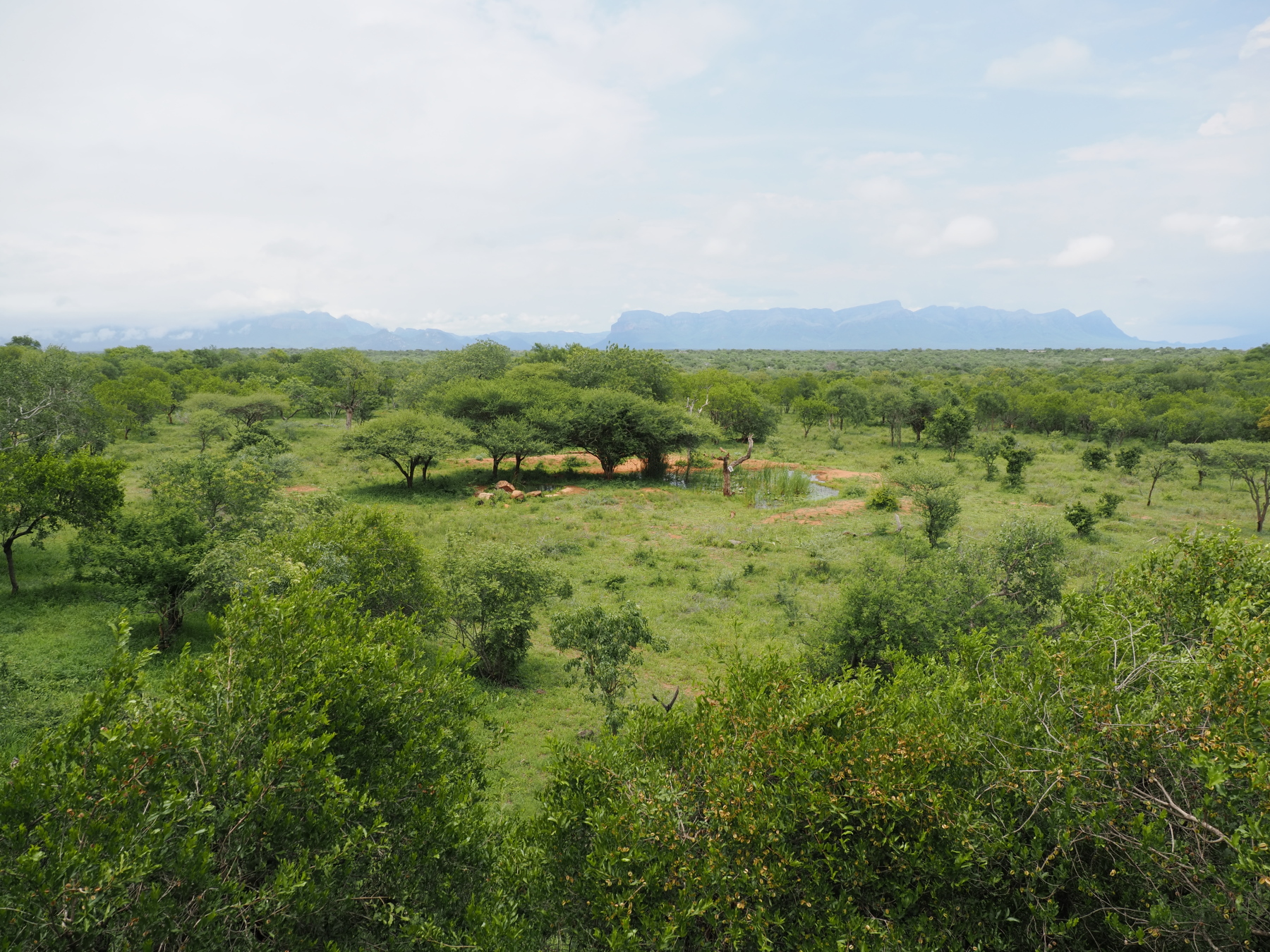
view from the lodge
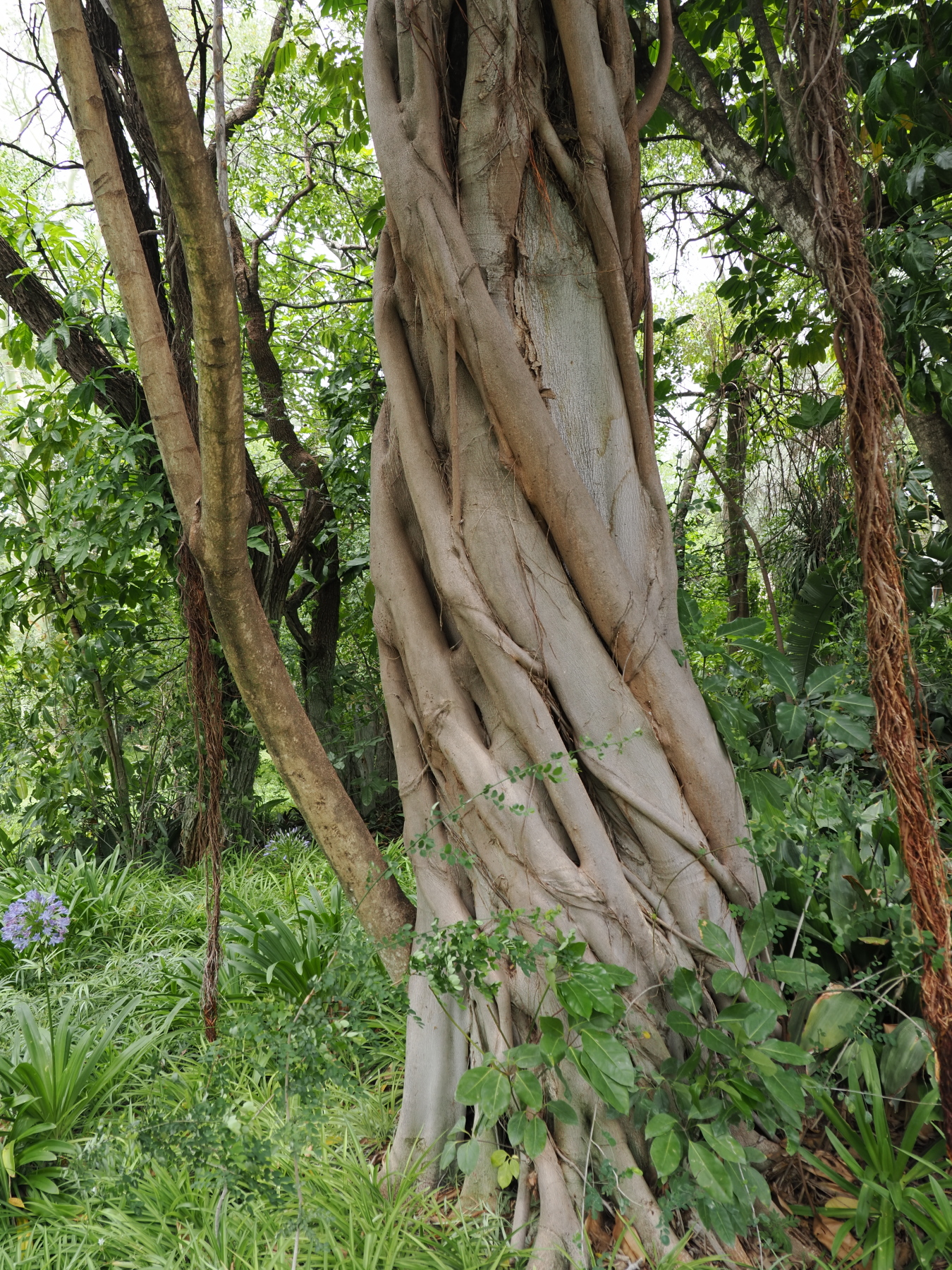
Strangling fig tree on the lodge grounds
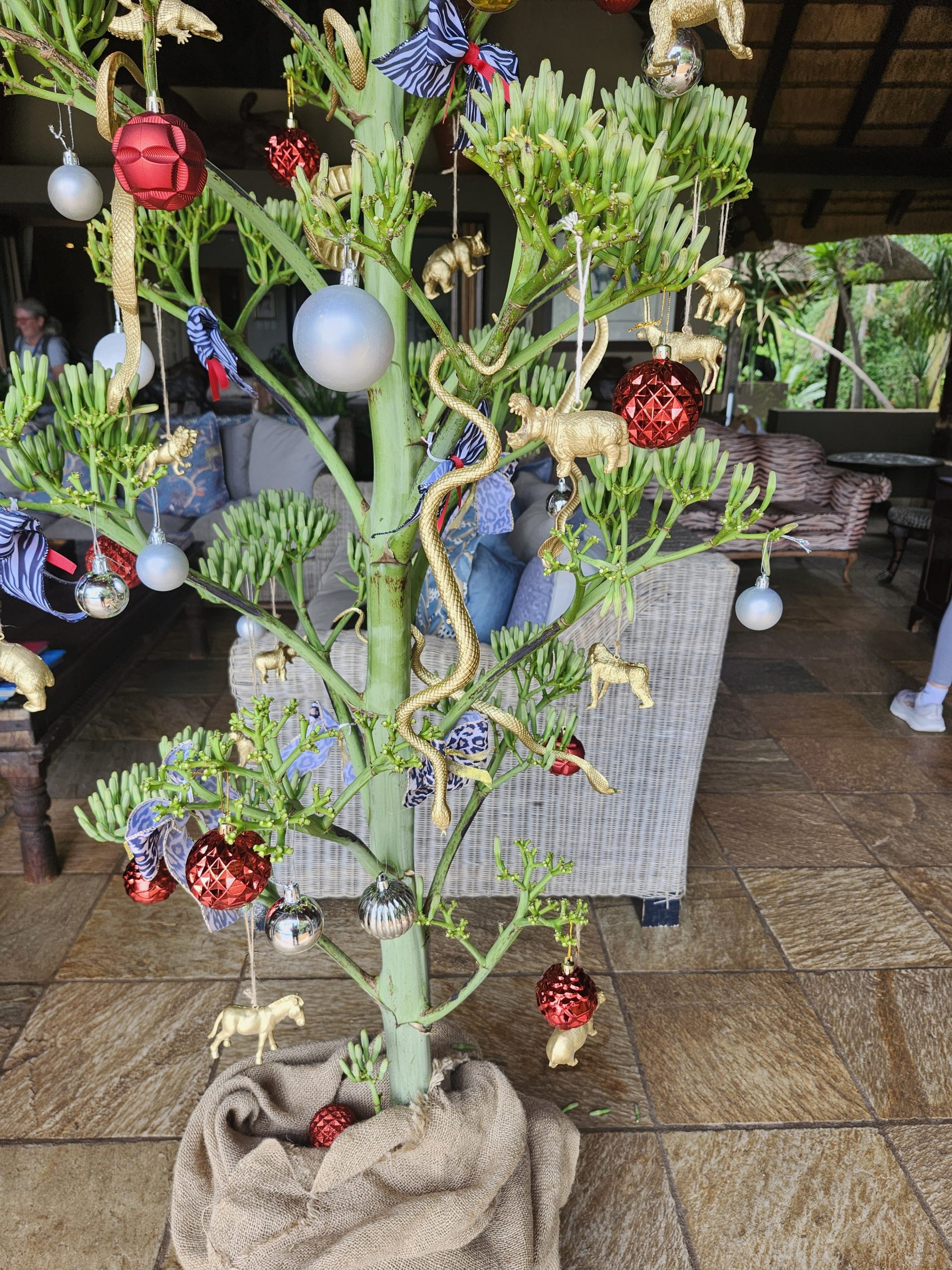
Apparantly you need snake decorations on your christmas tree
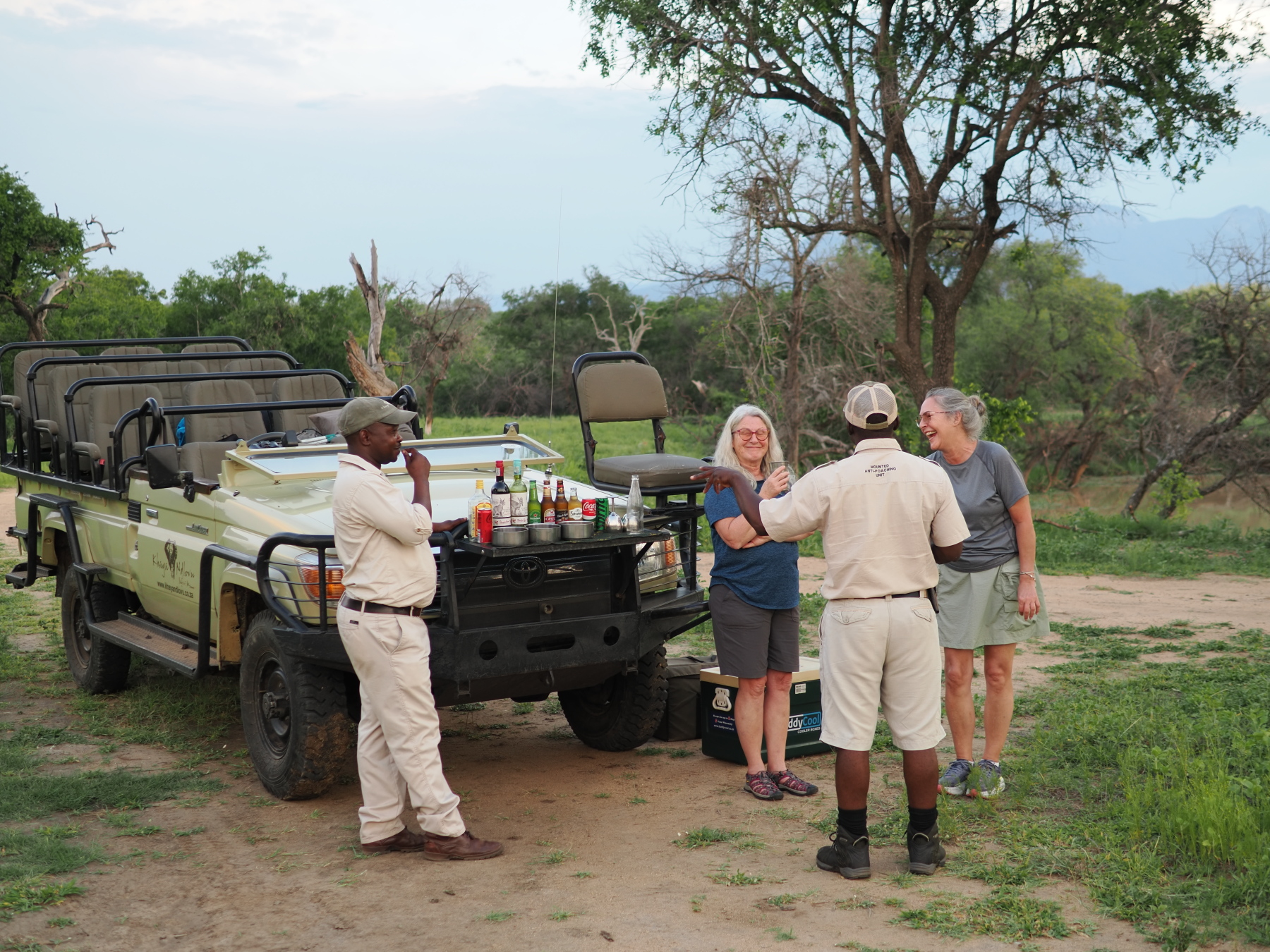
Sundowner with Sammy and Vusi
Blyde river canyon
It's a party!
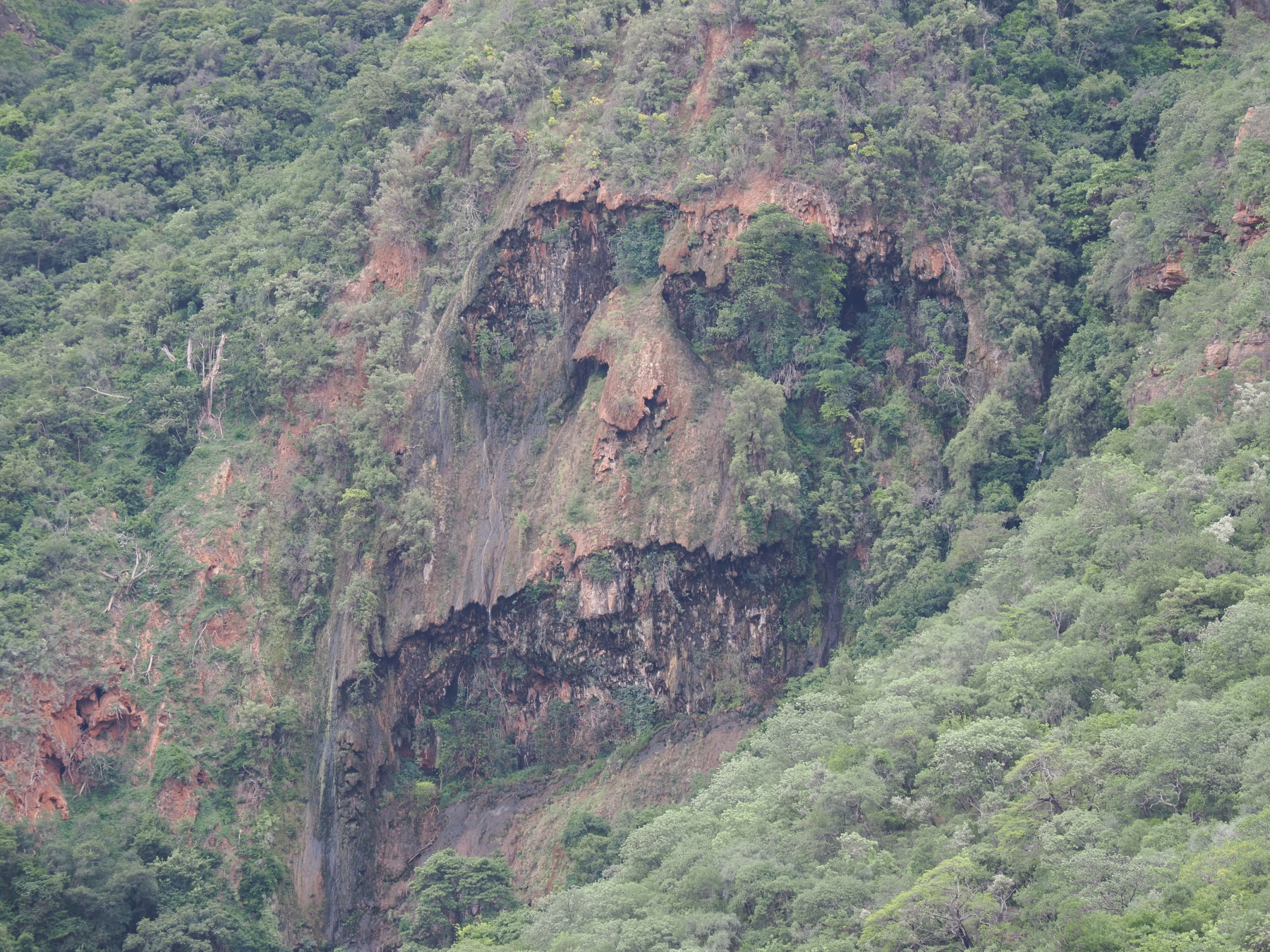
The "weeping face of nature"
African wild dogs with a former impala
Here we are
Taken with her iPhone
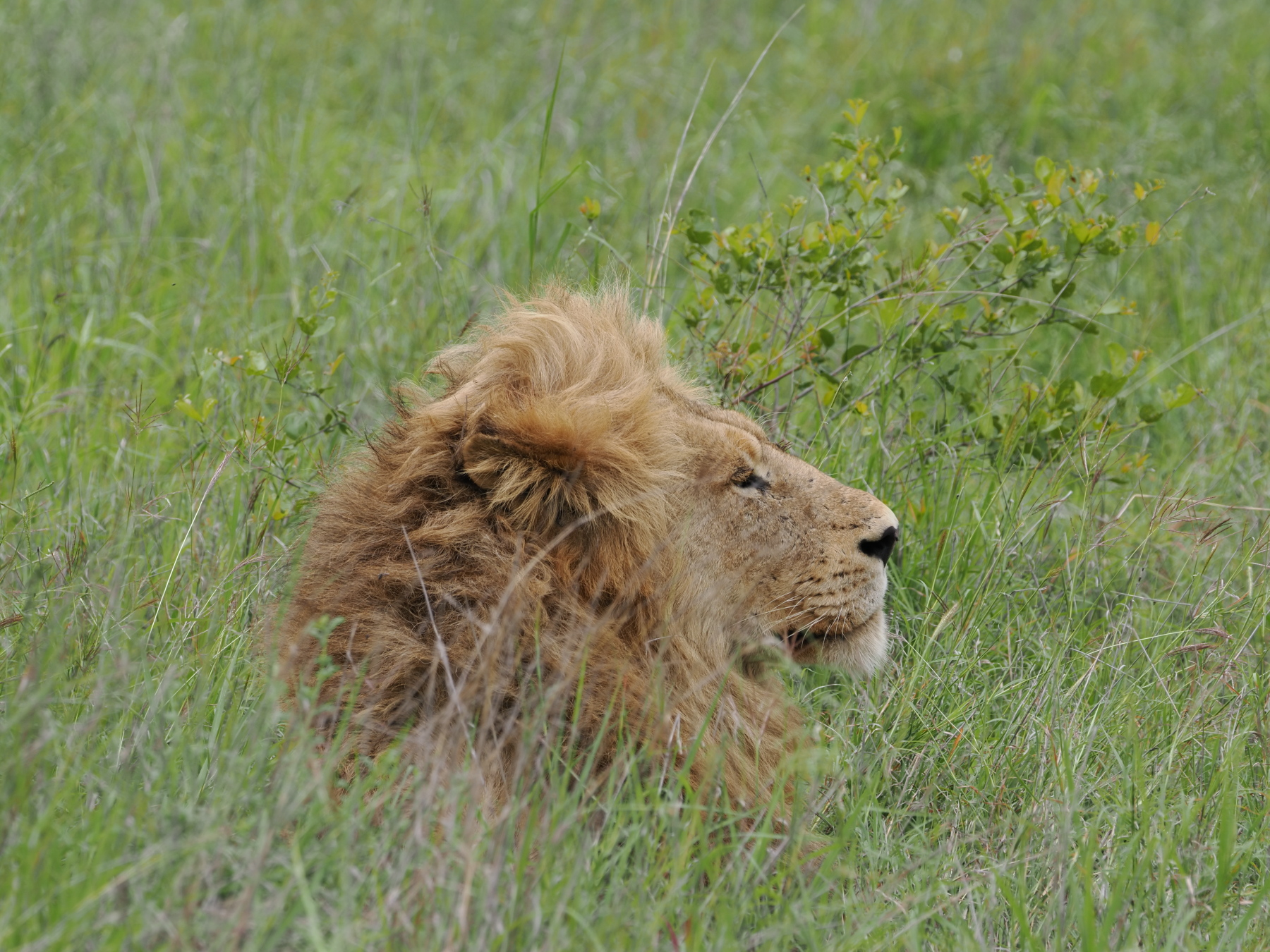
lion in the grass
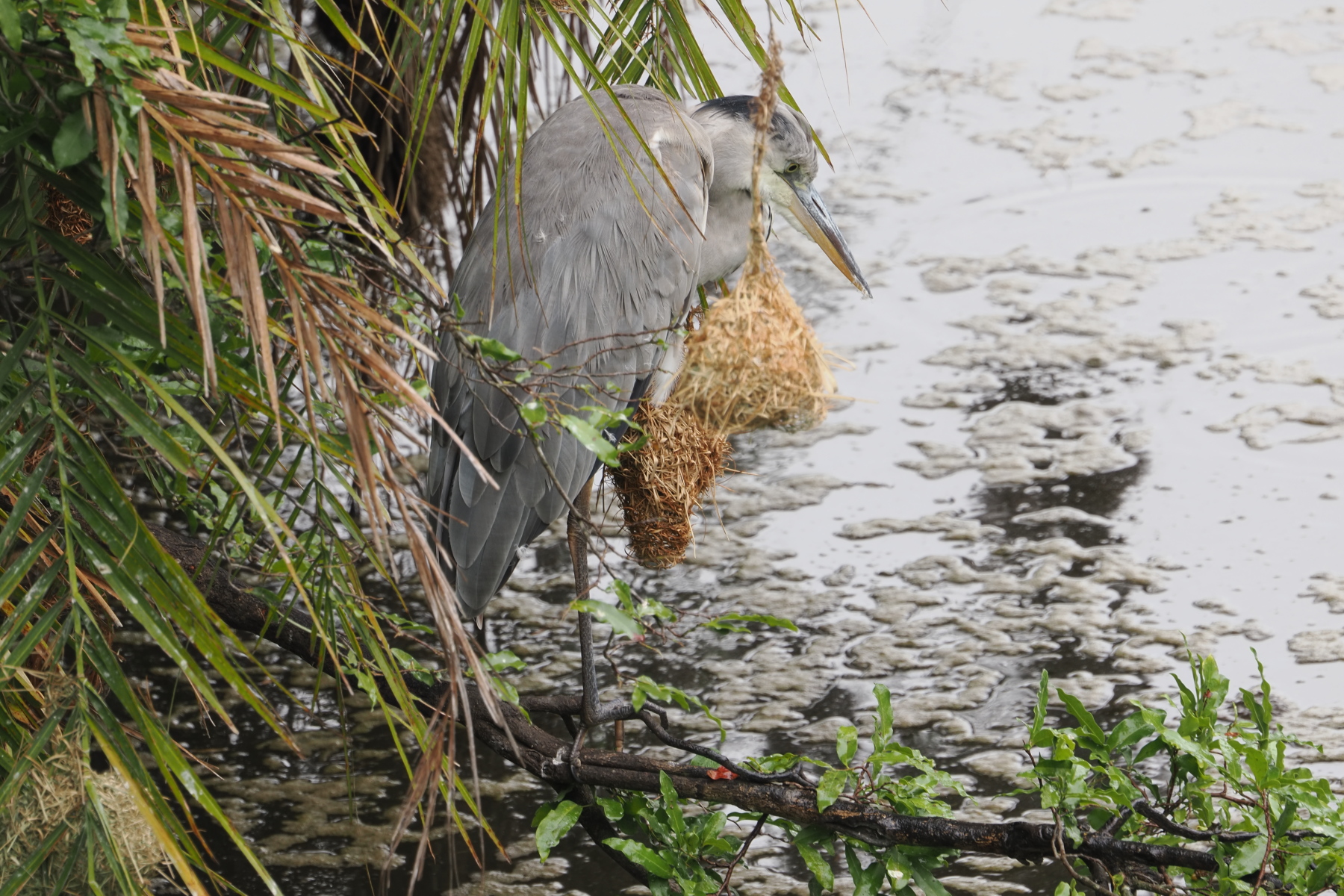
Grey Heron
Lilac-breasted roller
Southern Carmine Bee-eater
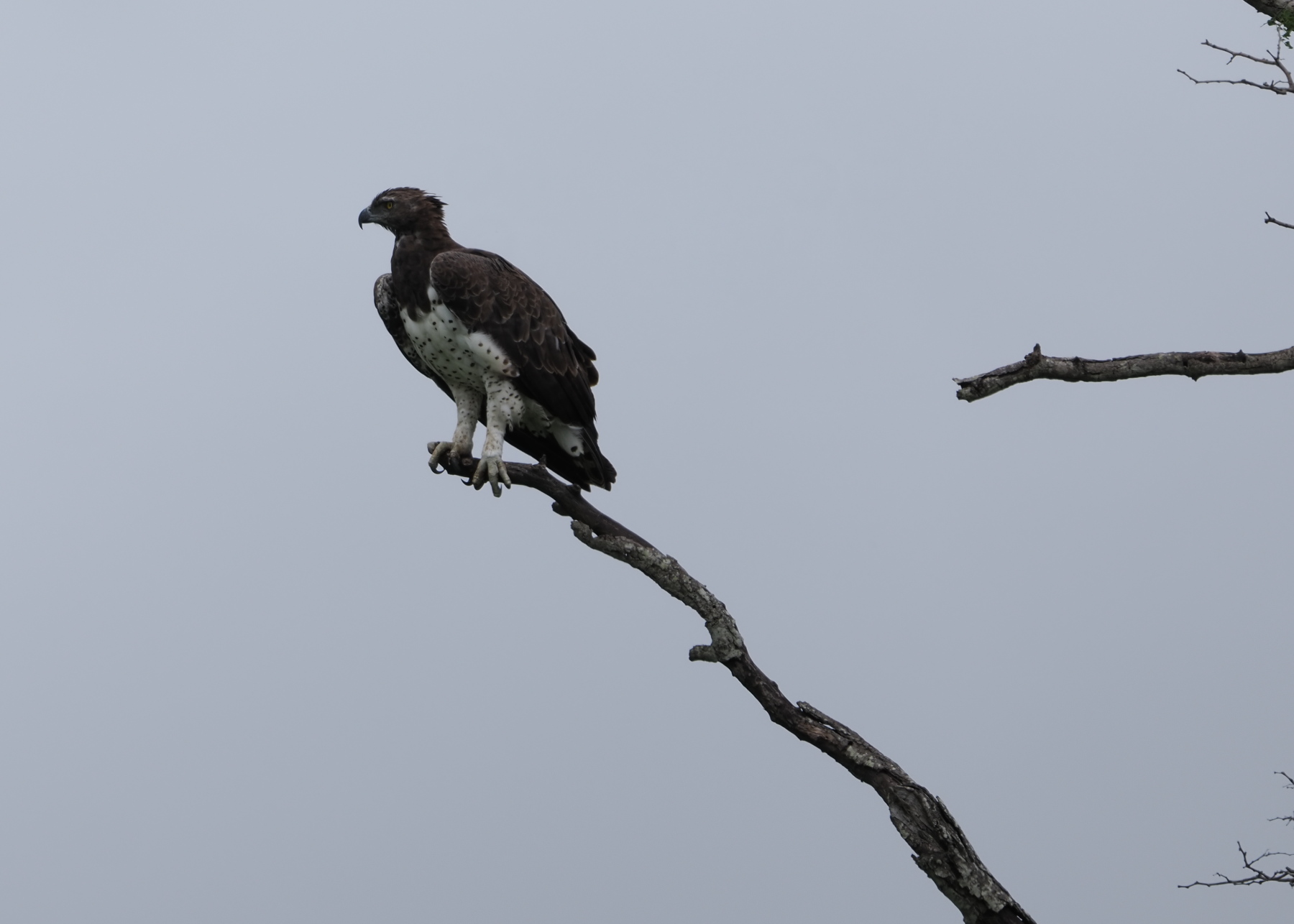
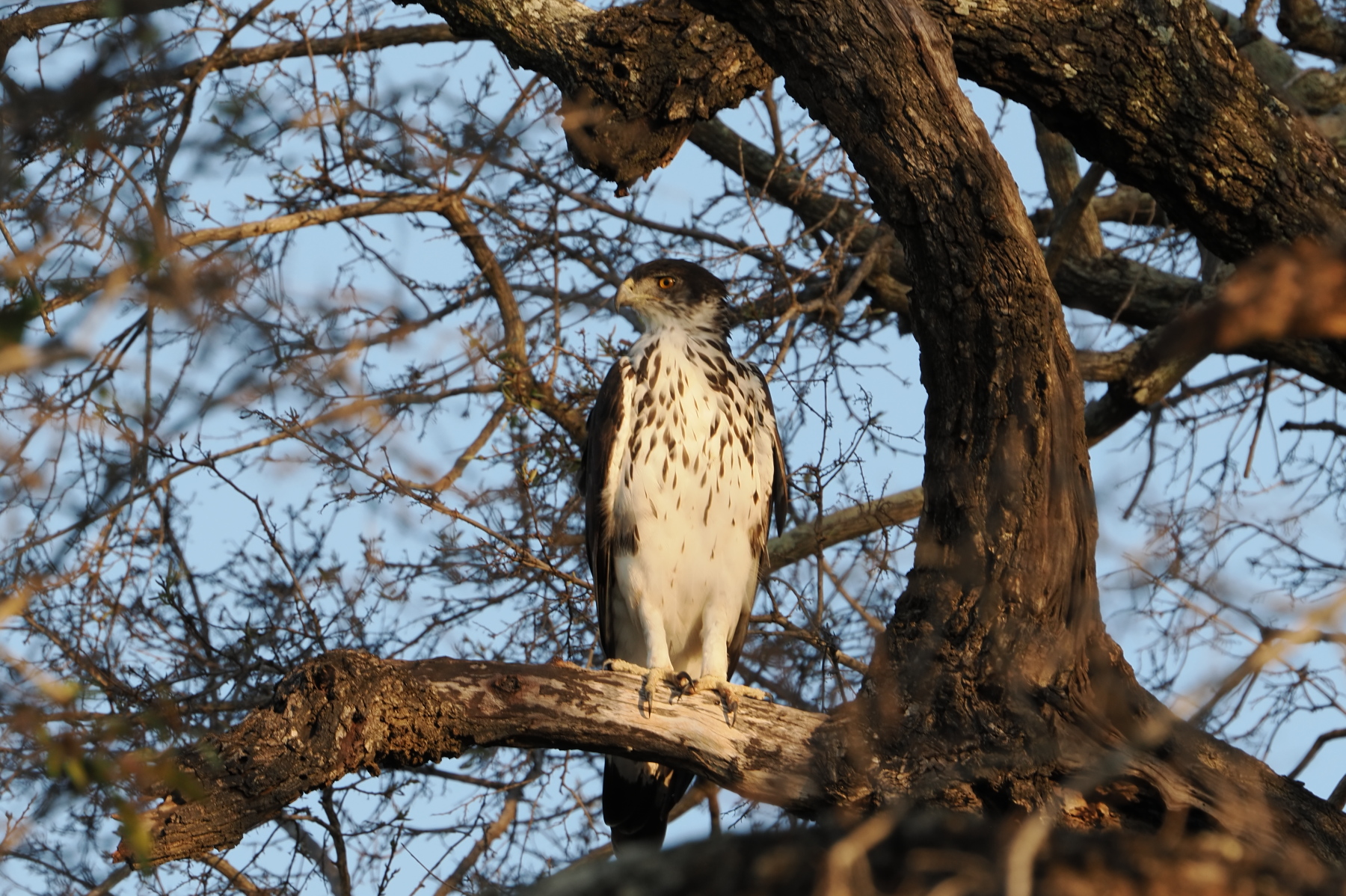
Martial Eagle
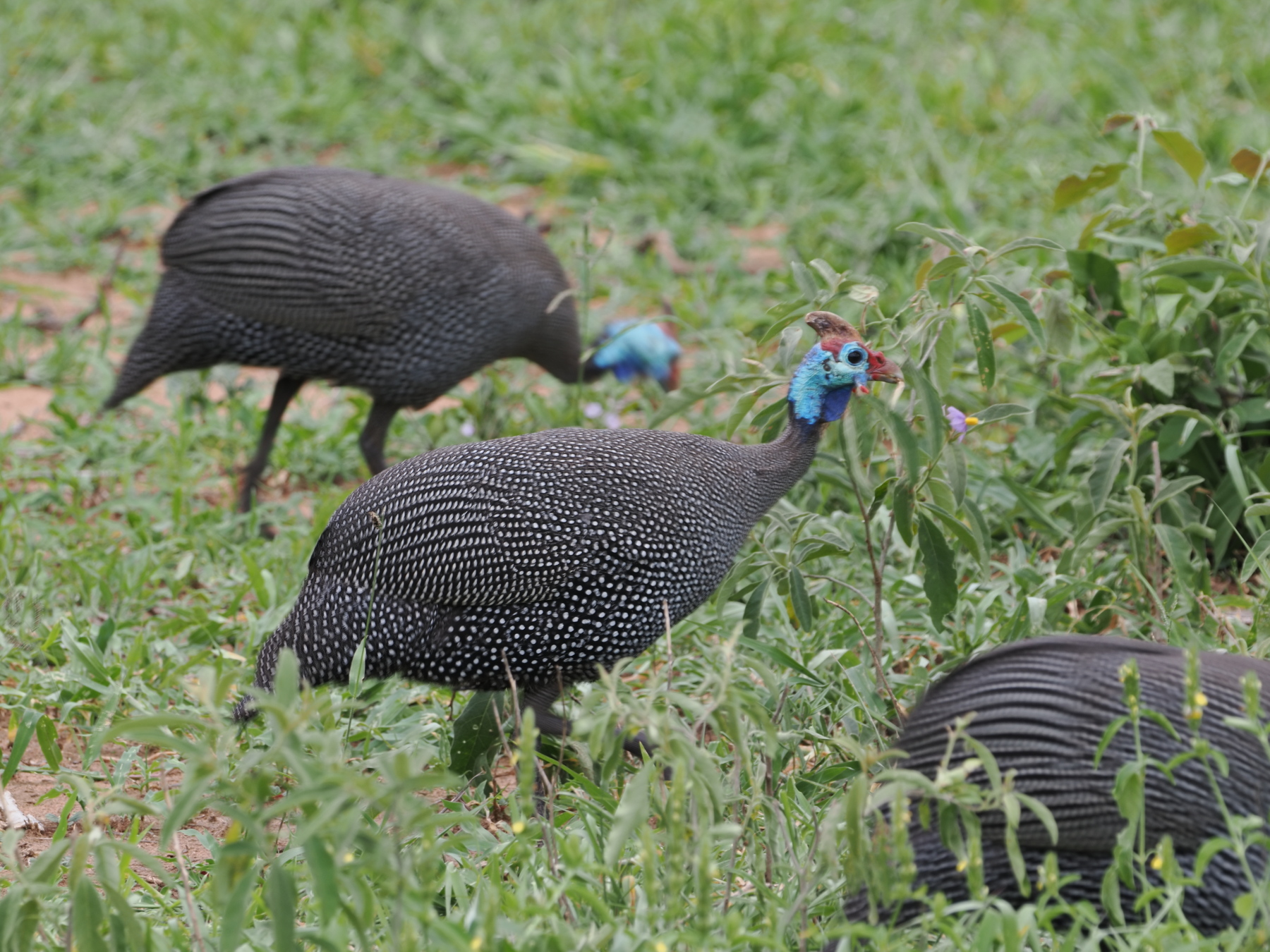
Guinea fowl
Red crested Korhaan
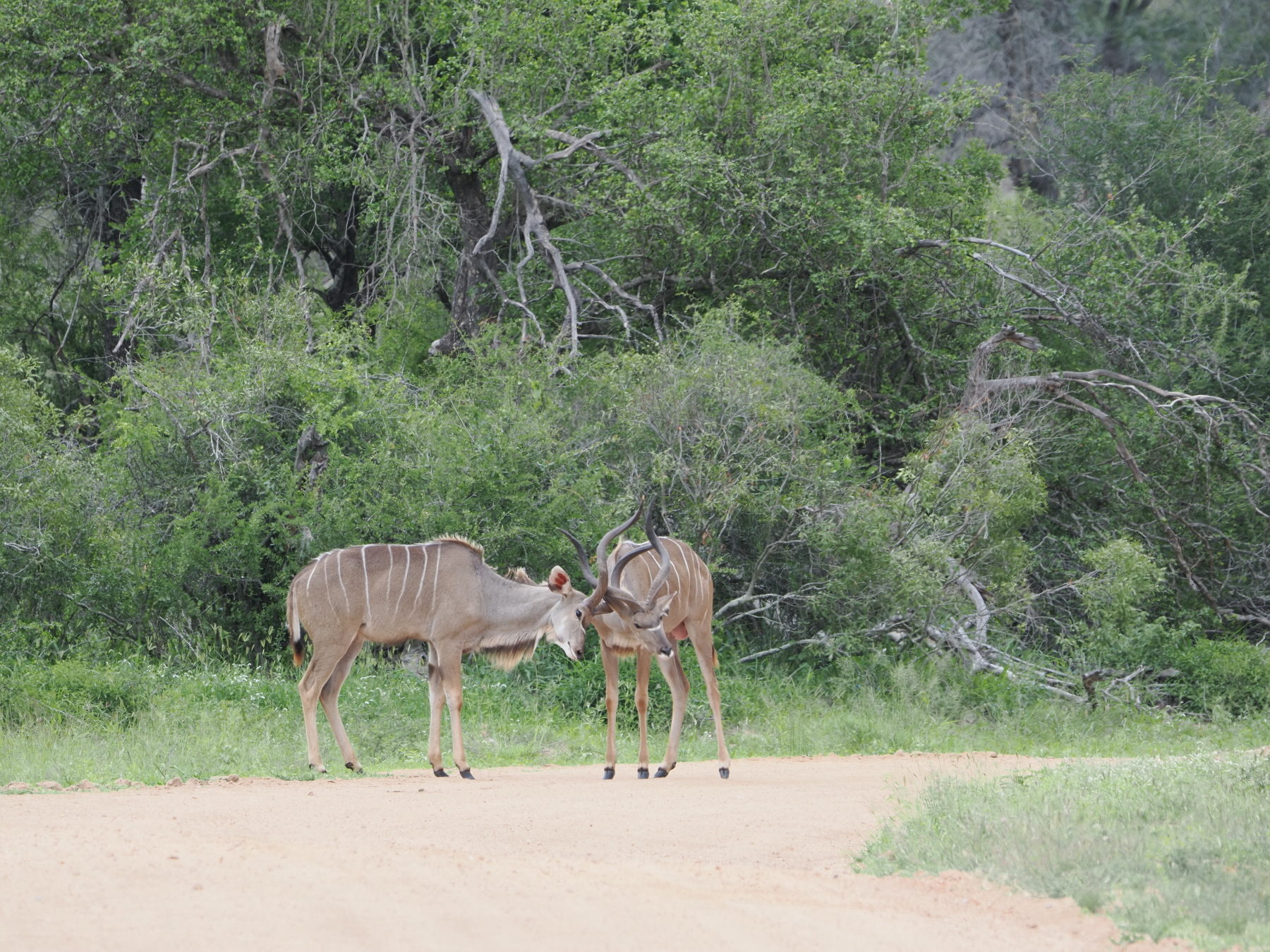
Two kudu's testing each other's strength
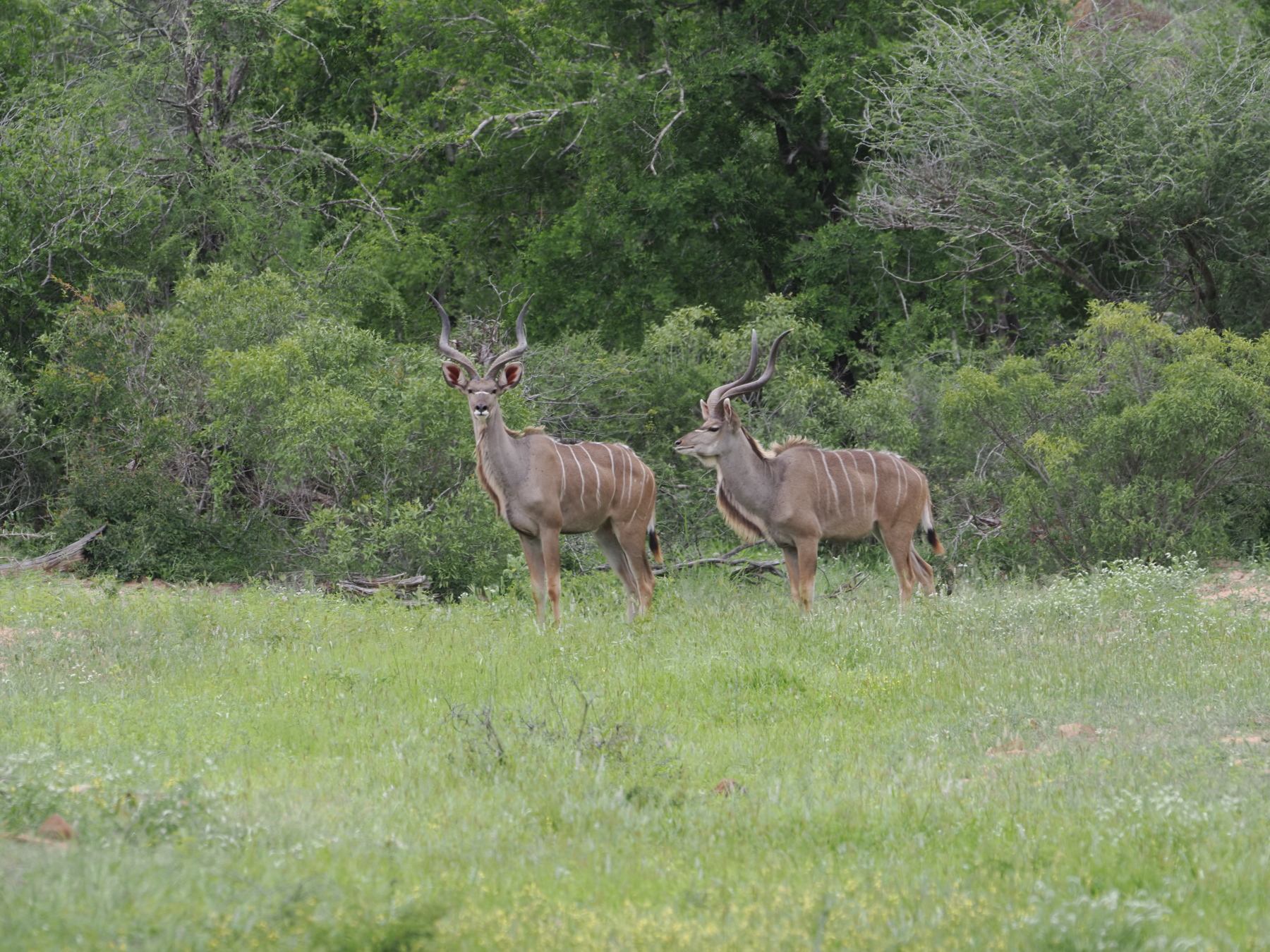
Kudu's
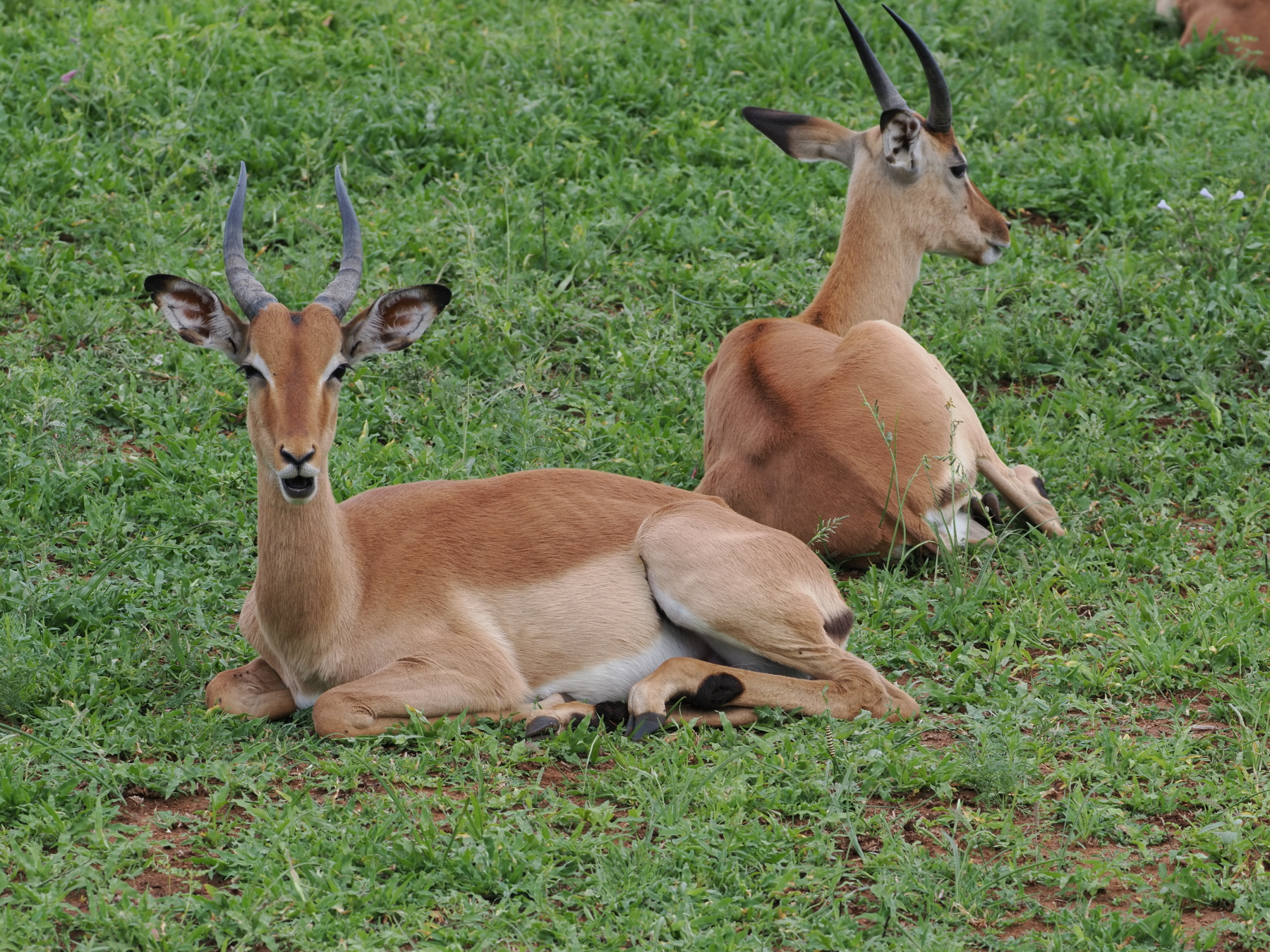
male impalas
newborn wildebeast
You need to be taller than this sign
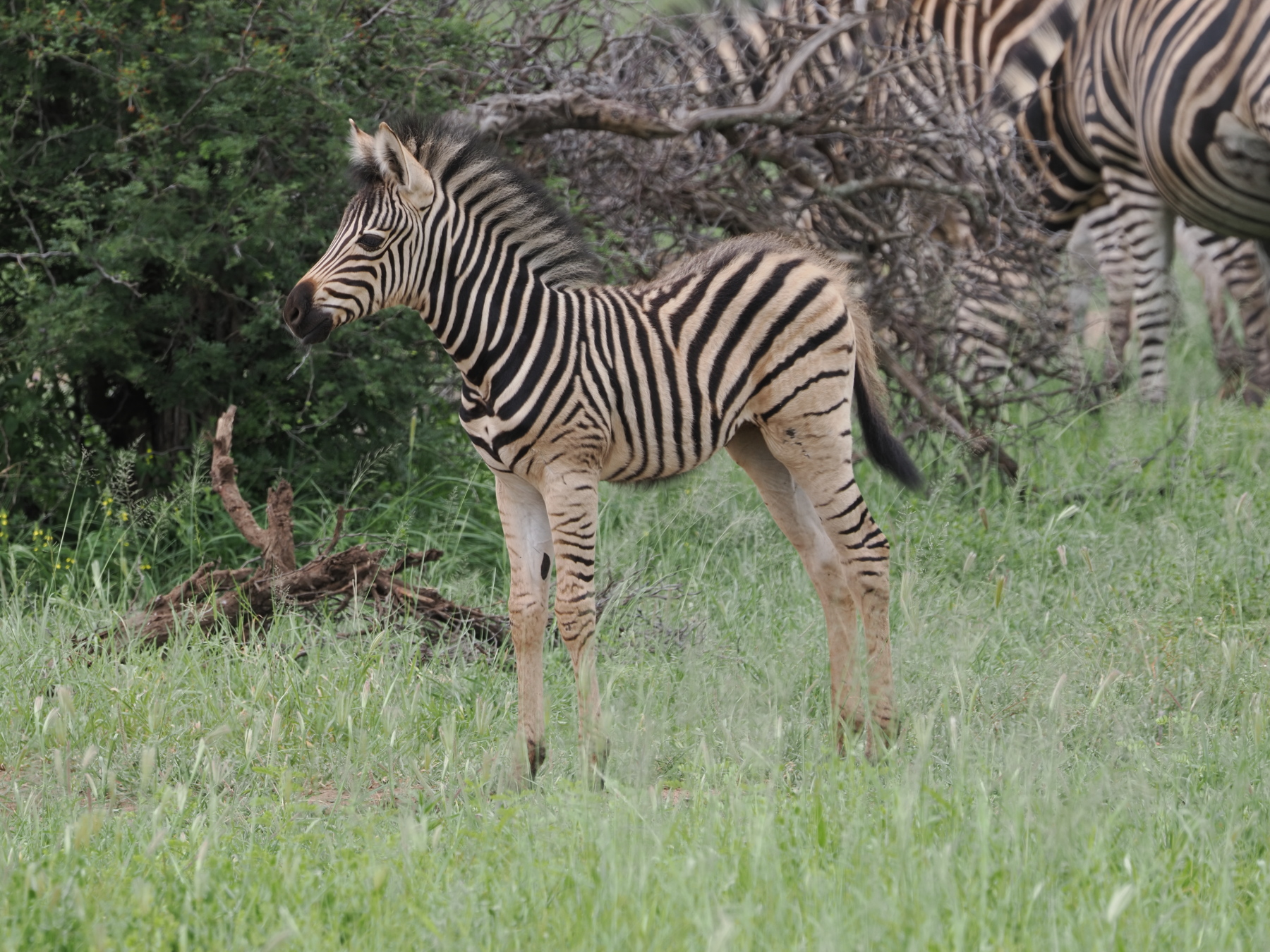
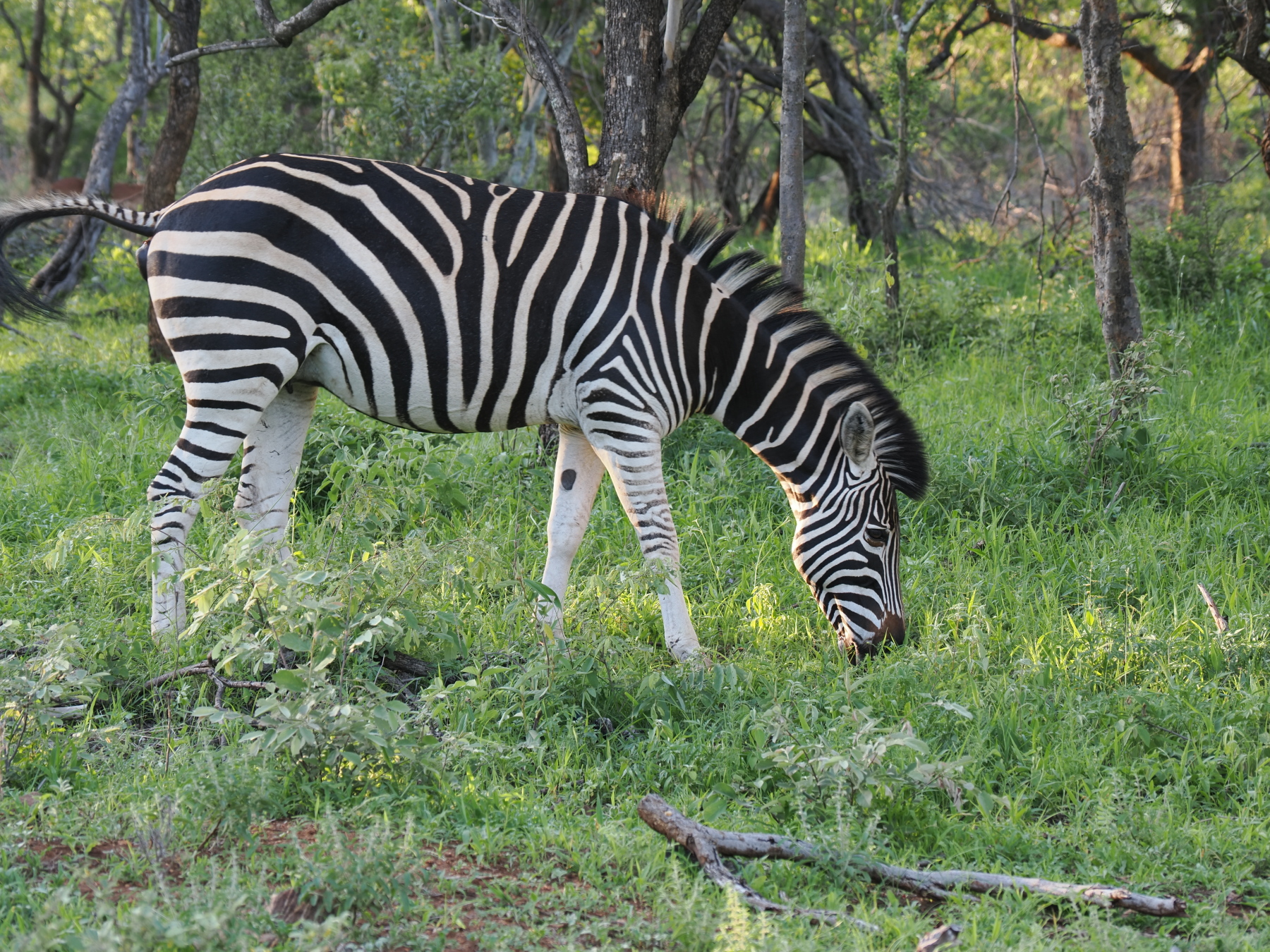
Baby burchill's zebra
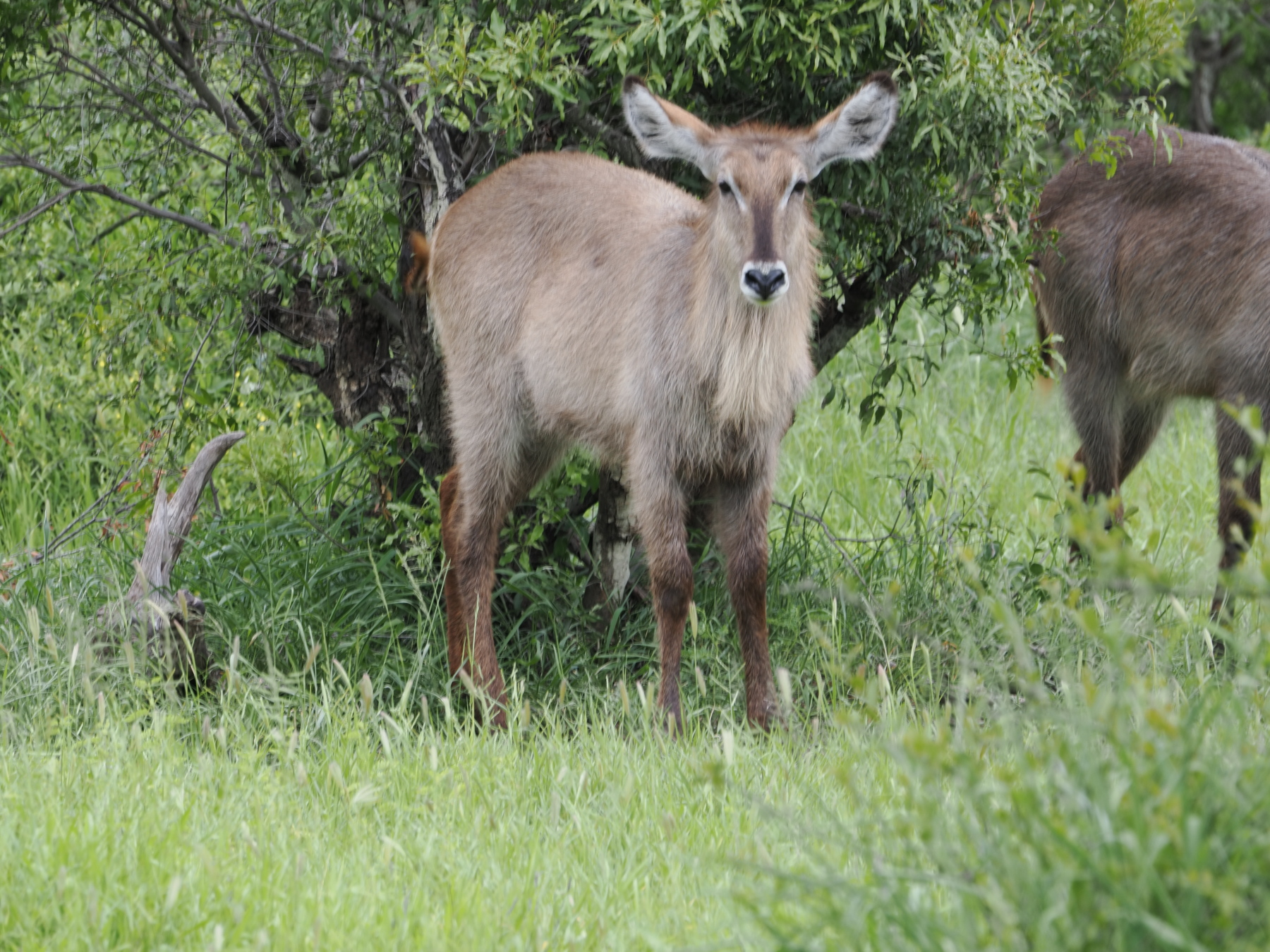
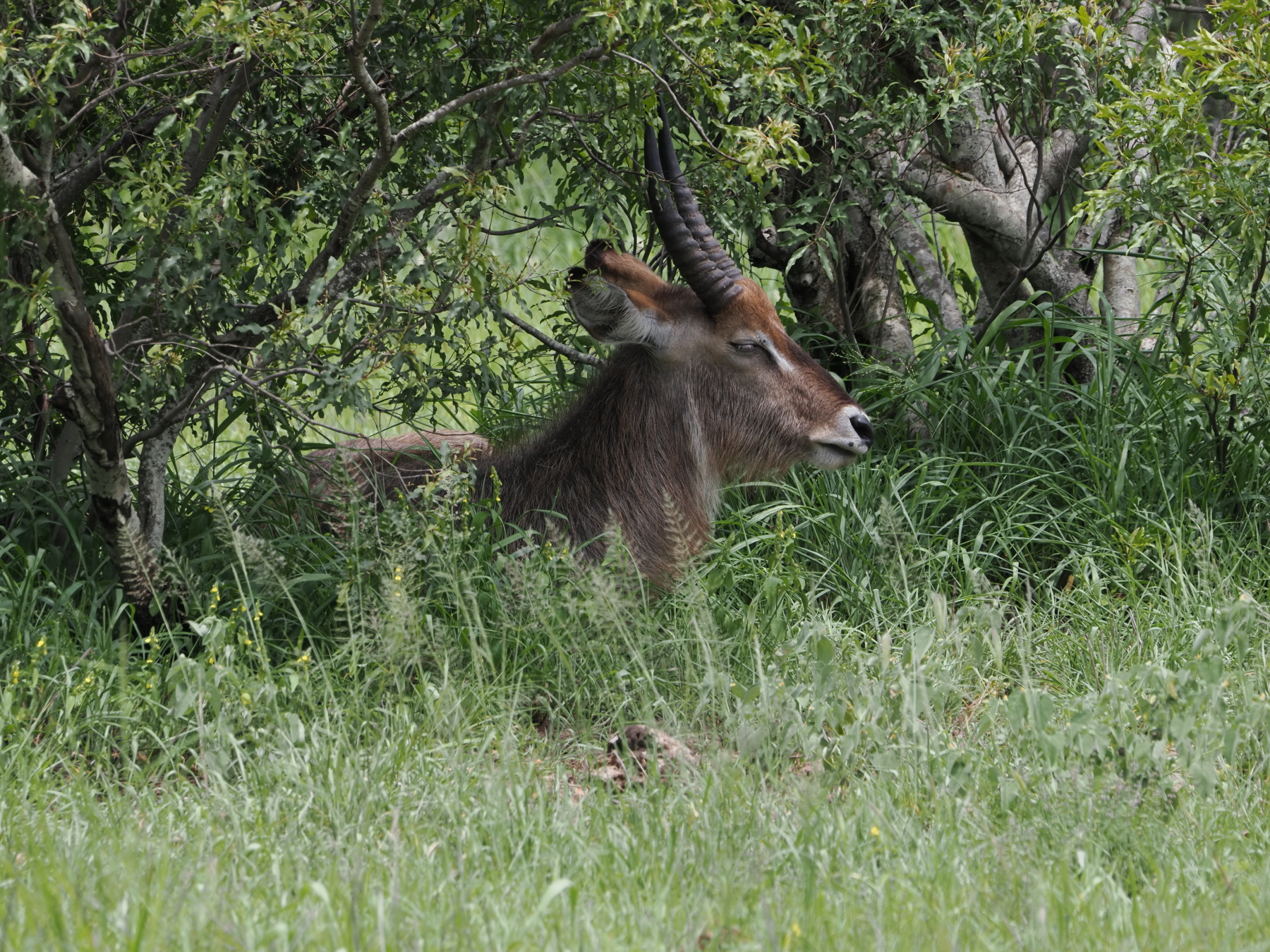
female waterbuck
male waterbuck
cooling off in the afternoon heat
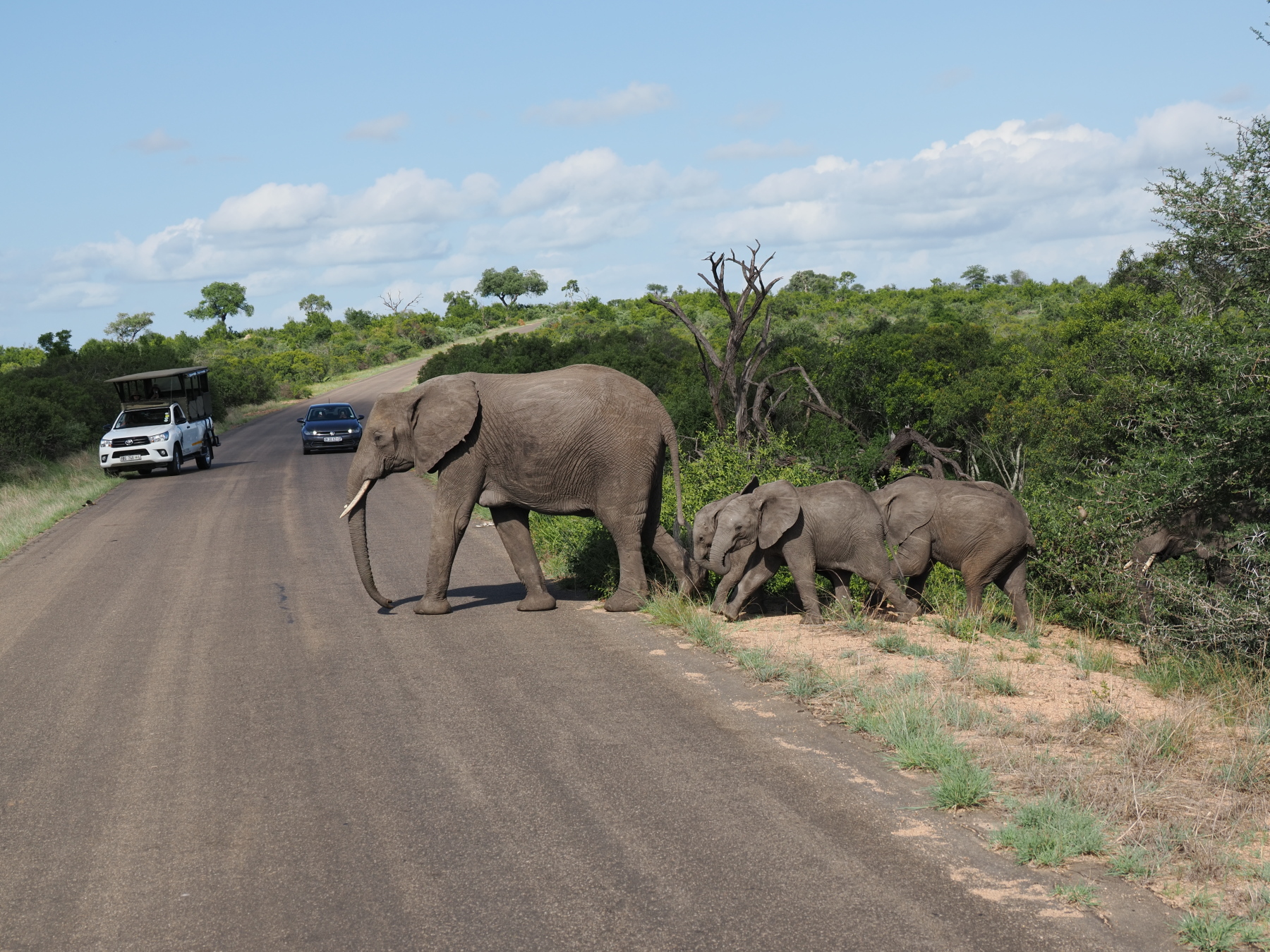
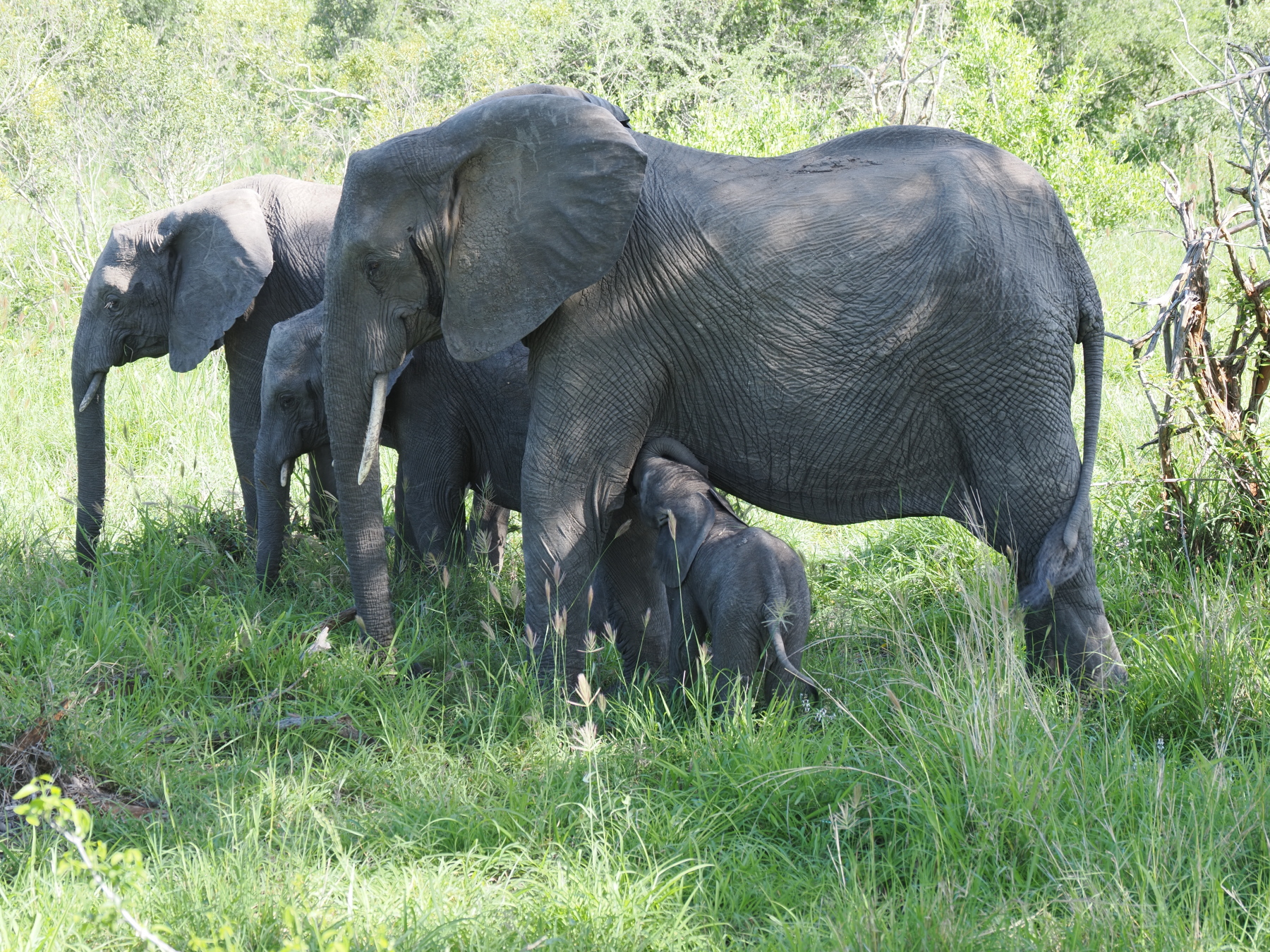
Elephant daycare on a fieldtrip
Everything into the mouth.. same as humans
Momma
life is good with no predators inside the fence
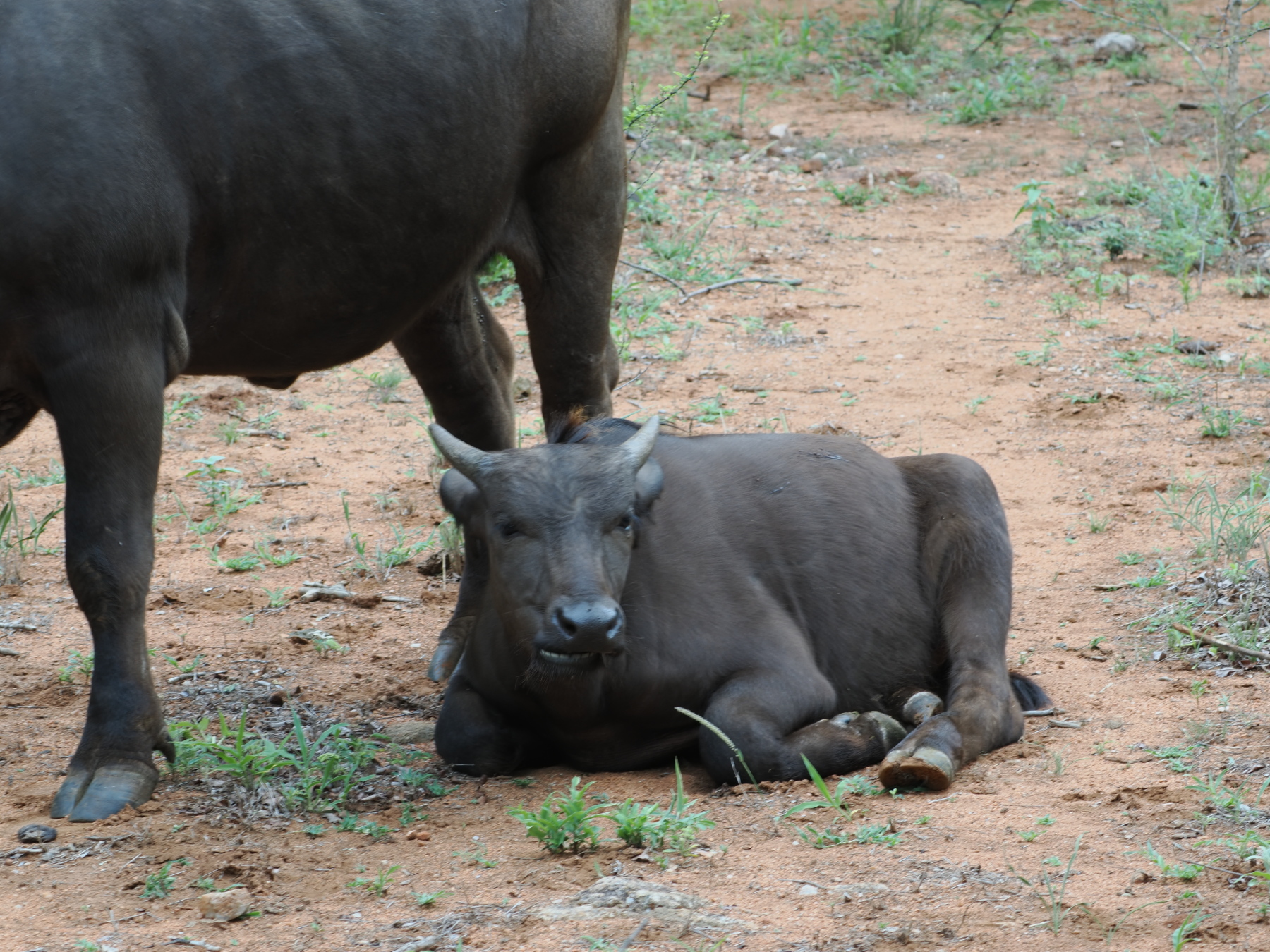
juvenile cape buffalo
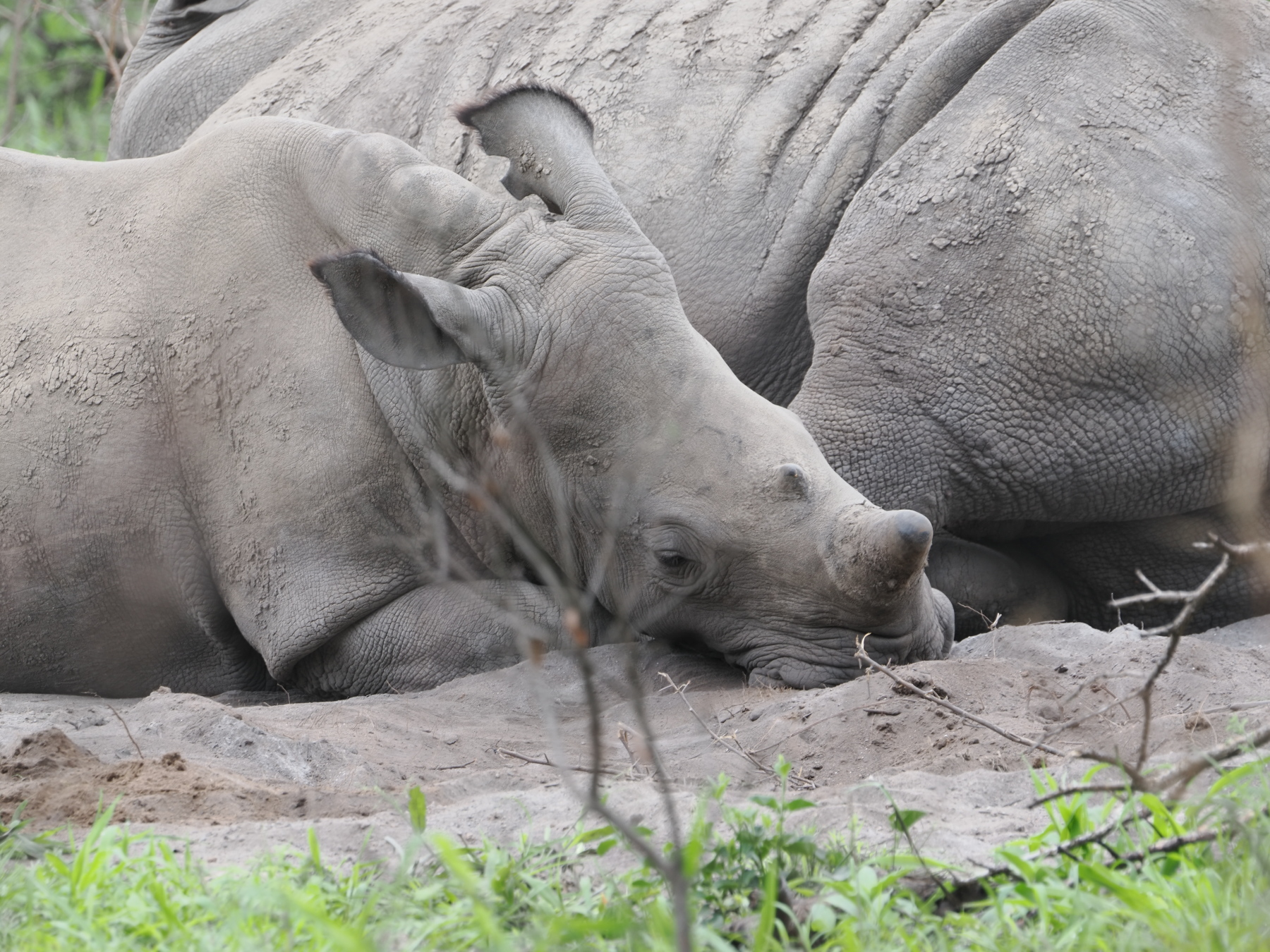
young rhino
Young hippo getting some sun
previous arrow
next arrow
view from the lodge
previous arrow
next arrow
 

Who knew cheetahs had first world problems?

Khaya Ndlovu Safari Manor, Hoedspruit,South Africa
Dec 8 – Dec 12 2025

Khaya Ndlovu Safari Manor sits near Kruger National Park, within its own 5,500-hectare (13,500-acre) private nature reserve. Unlike the conservancies and parks we visited in Kenya and Tanzania, this reserve is fully enclosed by an electric fence. The larger animals—giraffes, lions, cheetahs, wildebeest, rhinos, elephants, zebras, kudu, and various impalas and gazelles—can’t leave, though smaller creatures can slip through or burrow under. Because it’s a closed ecosystem, wildlife populations are managed to keep everything in balance, though I’m not entirely sure how. Sammy, our guide, mentioned that some of the animals were brought in from other countries when the reserve was first established, so there must be a regulated wildlife trade to support this.

The manor itself is lovely, with sweeping views from the restaurant, the adjoining outdoor seating areas, and the infinity pool. The food has been excellent, the staff warm and attentive, and our air conditioned rooms very comfortable. We’re not glamping yet! Interestingly, the owner has been selling residential lots within the reserve, though not near the manor. Apparently about 35 lots exist, on which 24 houses have already been built. If safari life is your passion, you can literally live it every day.

We’ve been doing both early-morning and late-afternoon game drives. Although I’m not fond of “ticking animals off a list,” we certainly saw plenty including our first close-up rhinoceros. The horns grow continually, so these particular rhinos have their horns trimmed every few years by local authorities, making them worthless to poachers and therefore much safer.

We also came upon a group of five lionesses that had recently taken down an adult giraffe. They had eaten so much that each one looked as though it couldn’t get comfortable, and they were regularly rearranging their lying position. Yet they were still unwilling to abandon the kill. The vultures perched in the nearby trees waiting patiently for their turn to feed, while thousands of flies swarmed the carcass. The stench was overpowering and the noise of the assembled flies was just a little less than a ‘jet plane’ reading on a dB meter.

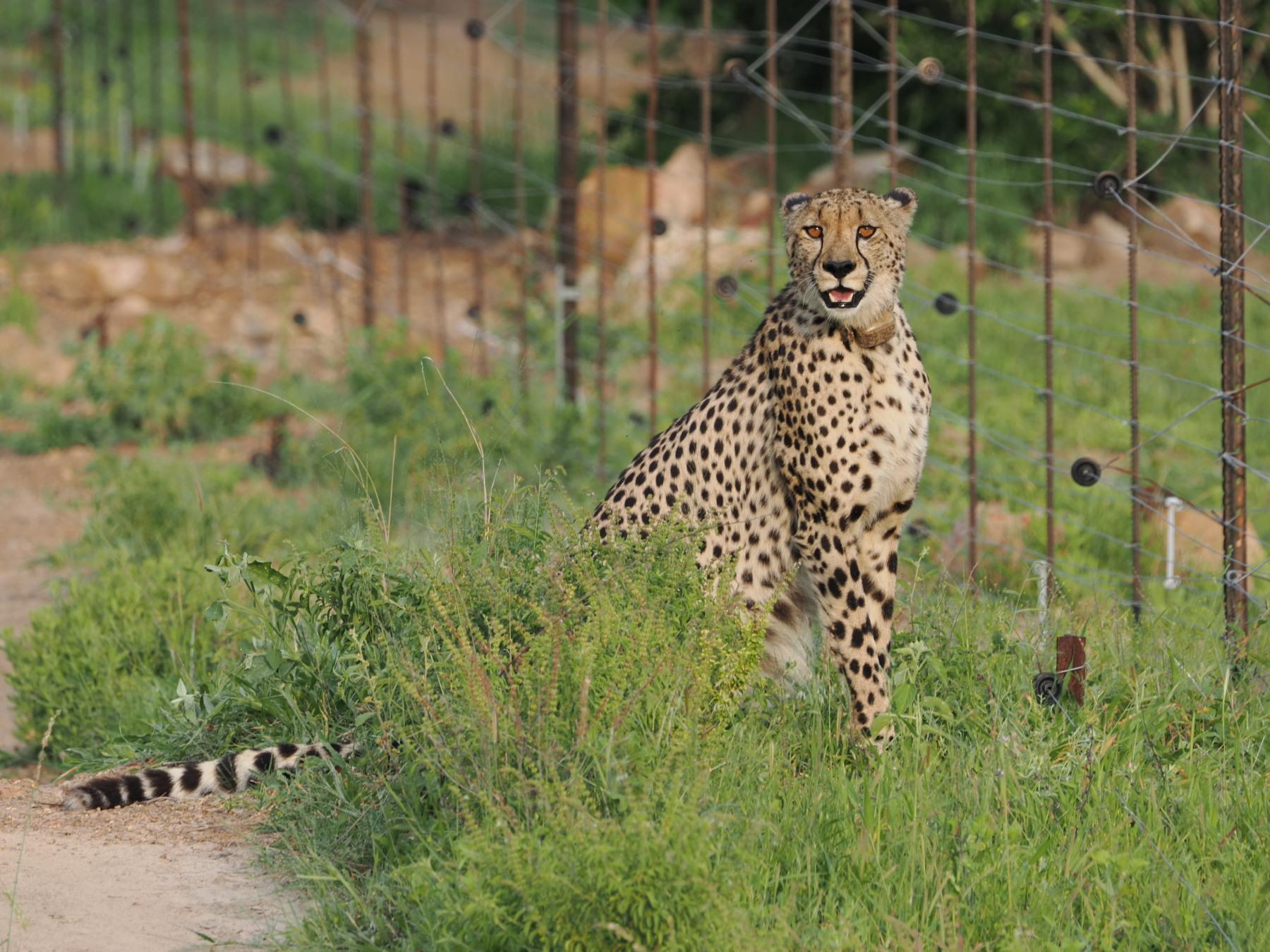
On an afternoon game drive, we spotted a cheetah staring forlornly through the electric fence. As we got closer, we realized the small animal it had been chasing must have thrown itself at the fence and forced the wires far enough apart to just squeeze through. Conditioned by growing up with the electric fence, and too big to fit through the small opening, the cheetah couldn’t follow. Who knew cheetahs had first world problems? To be fair, I think this is actually the first world causing cheetah problems.

I’ve been getting lots of use out of my larger lens and I’m very happy with the results. There are many more detailed close-ups than I was able to take in our previous safaris, especially of birds. I’ve already forgotten all the bird’s names, but I’m sure google lens will be my saviour!

This will be the first of two posts from the Manor. We’re doing a boat tour of a canyon near Hoedspruit on Wednesday, then spending Thursday in Kruger National Park. We’ll wrap up with one more game drive Friday morning before flying back to Johannesburg. I’ll cover all of that in the second post.

I can't believe it got through the fence
Did you see that? I'm so disappointed
Marking its territory
5 full lionesses
I ate too much again!
maybe if I lay this way for a while...
Sammy, our guide, on the right. Vusi, the spotter, on the left
Steenbok (an antelope) . Those are flies on its face
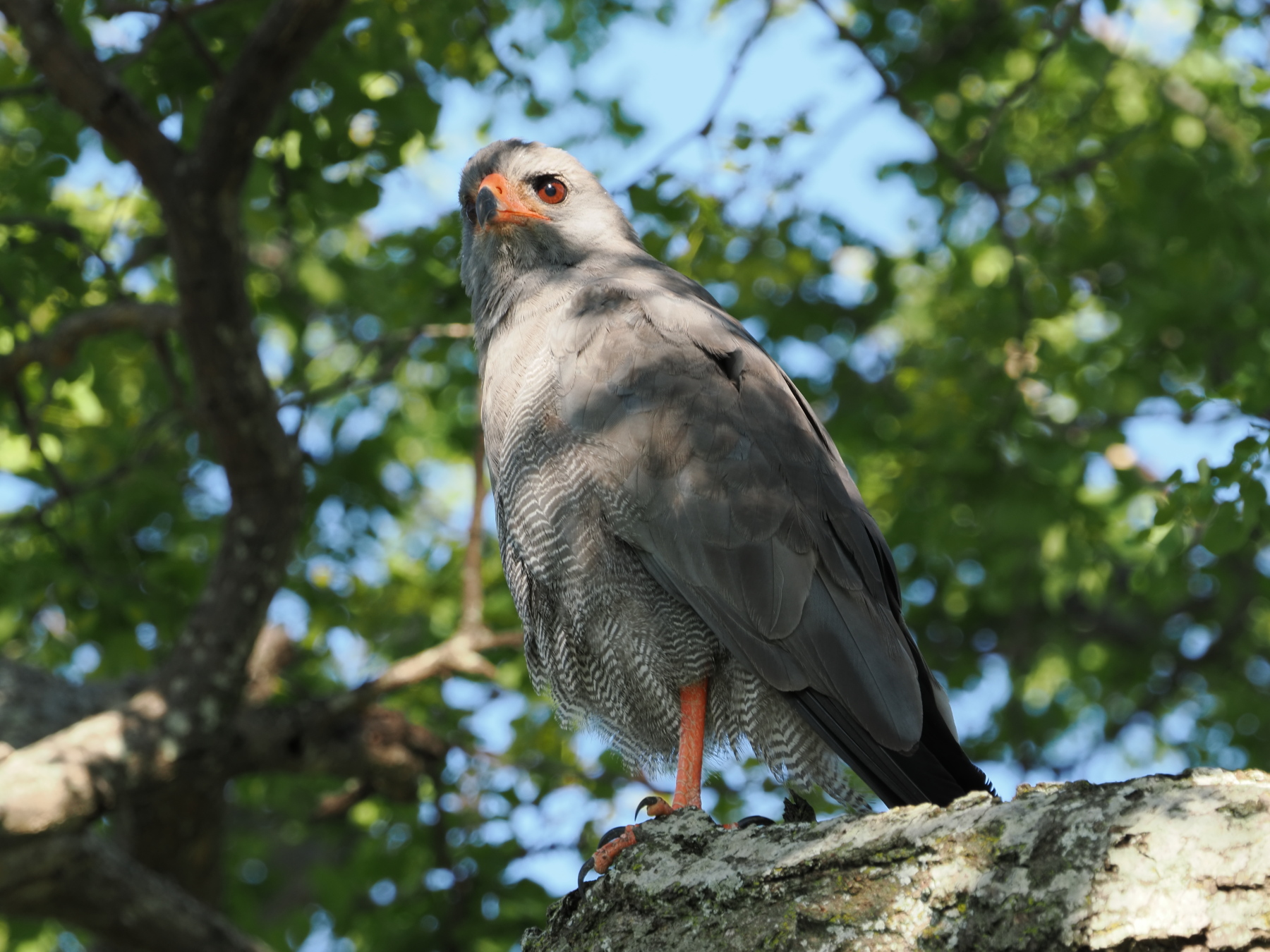
Pale chanting goshawk
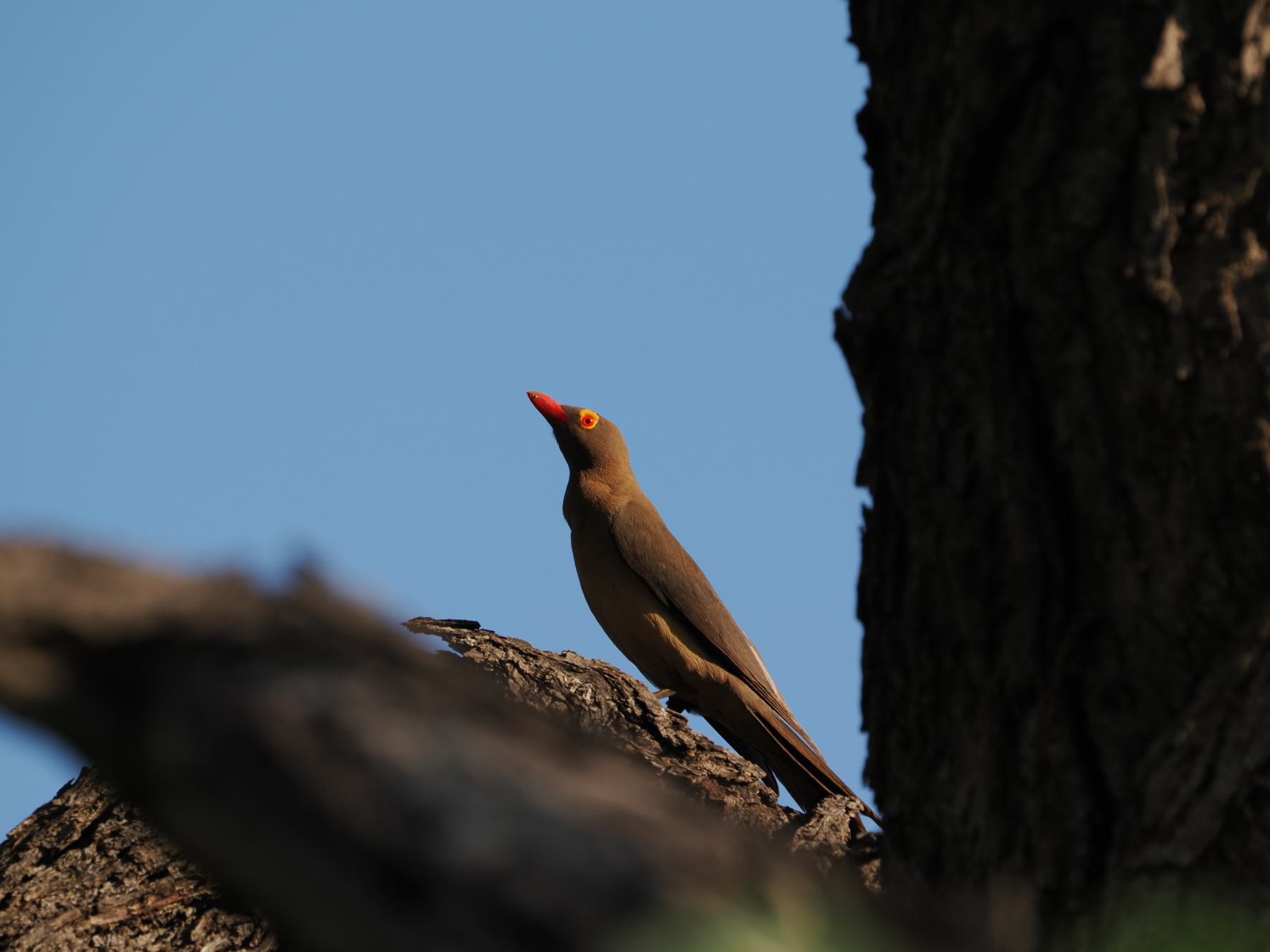
Red billed oxpecker - you see these on all the large mammals eating fleas/ ticks
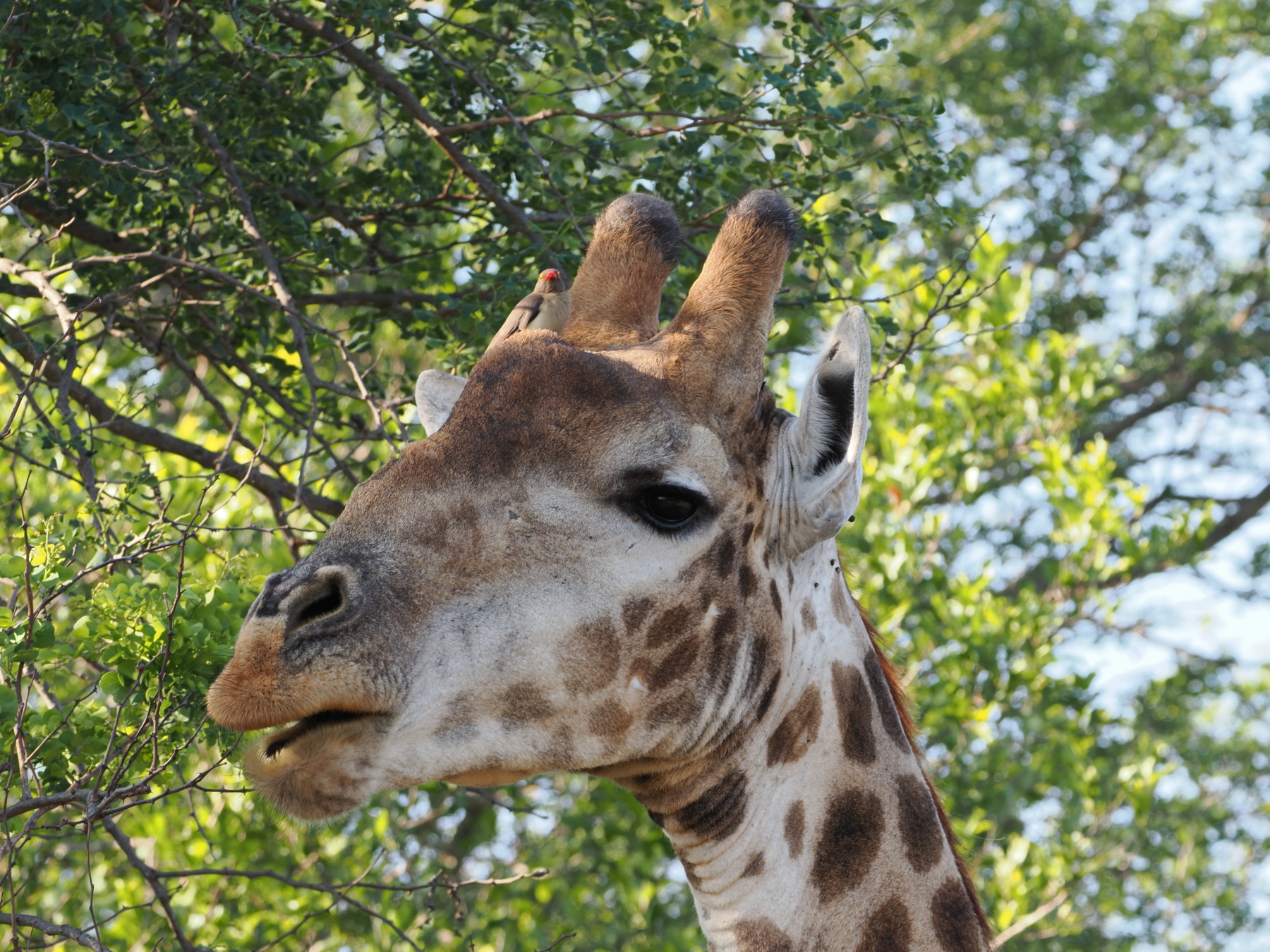
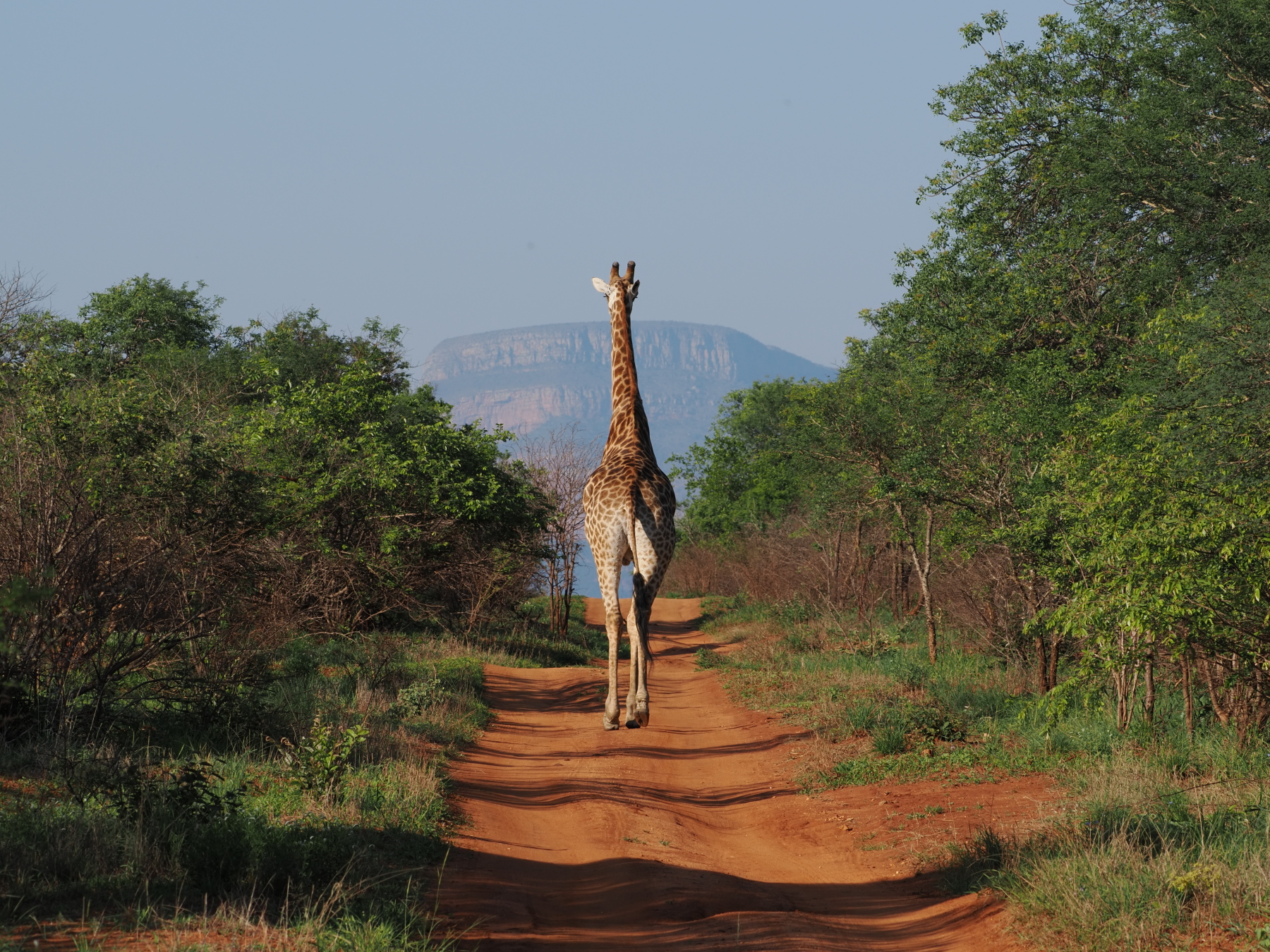
Southern Giraffe - look for the oxpecker near its right horn
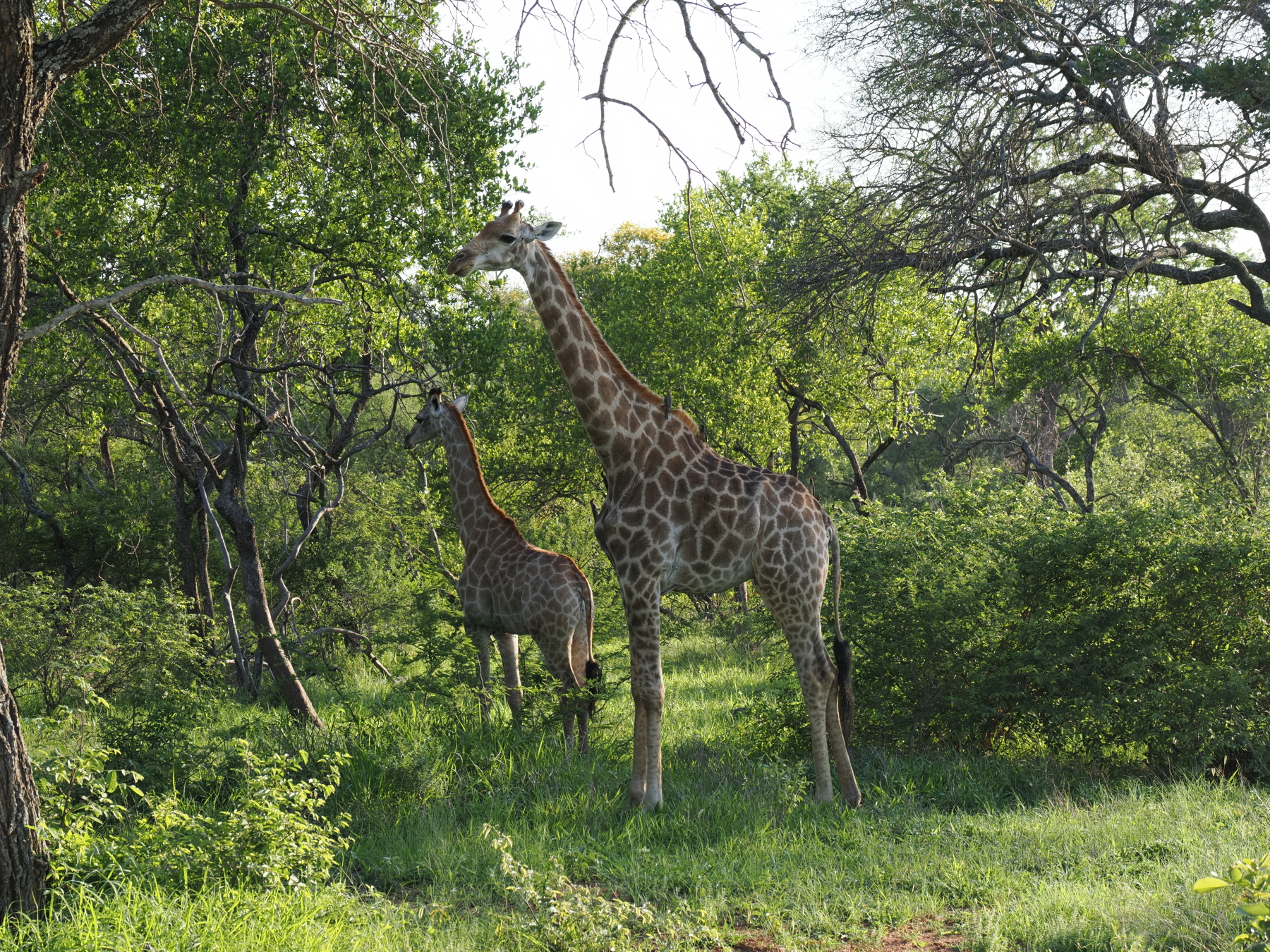
Southern giraffe - Mother and child
its easier to walk on the road
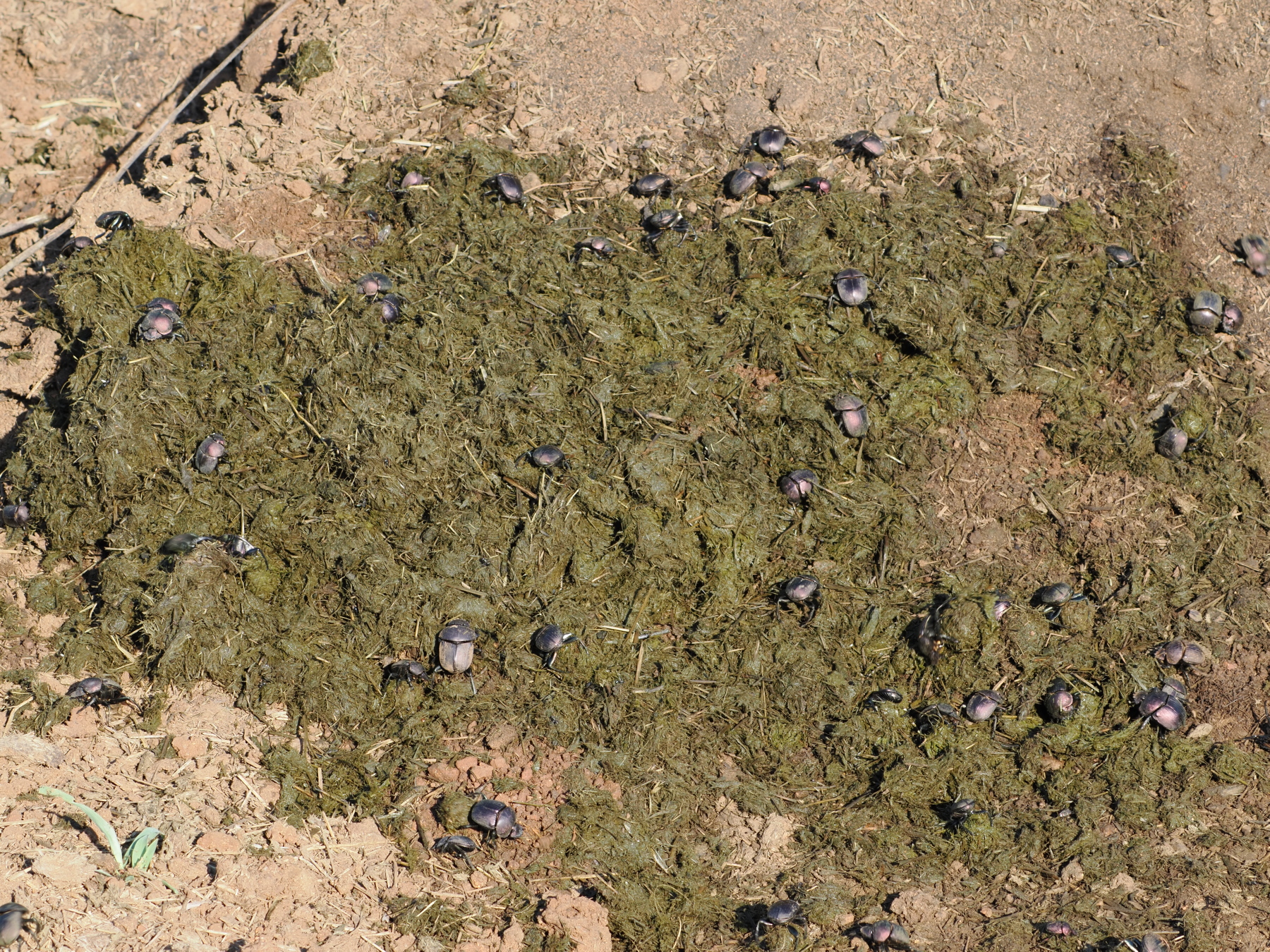
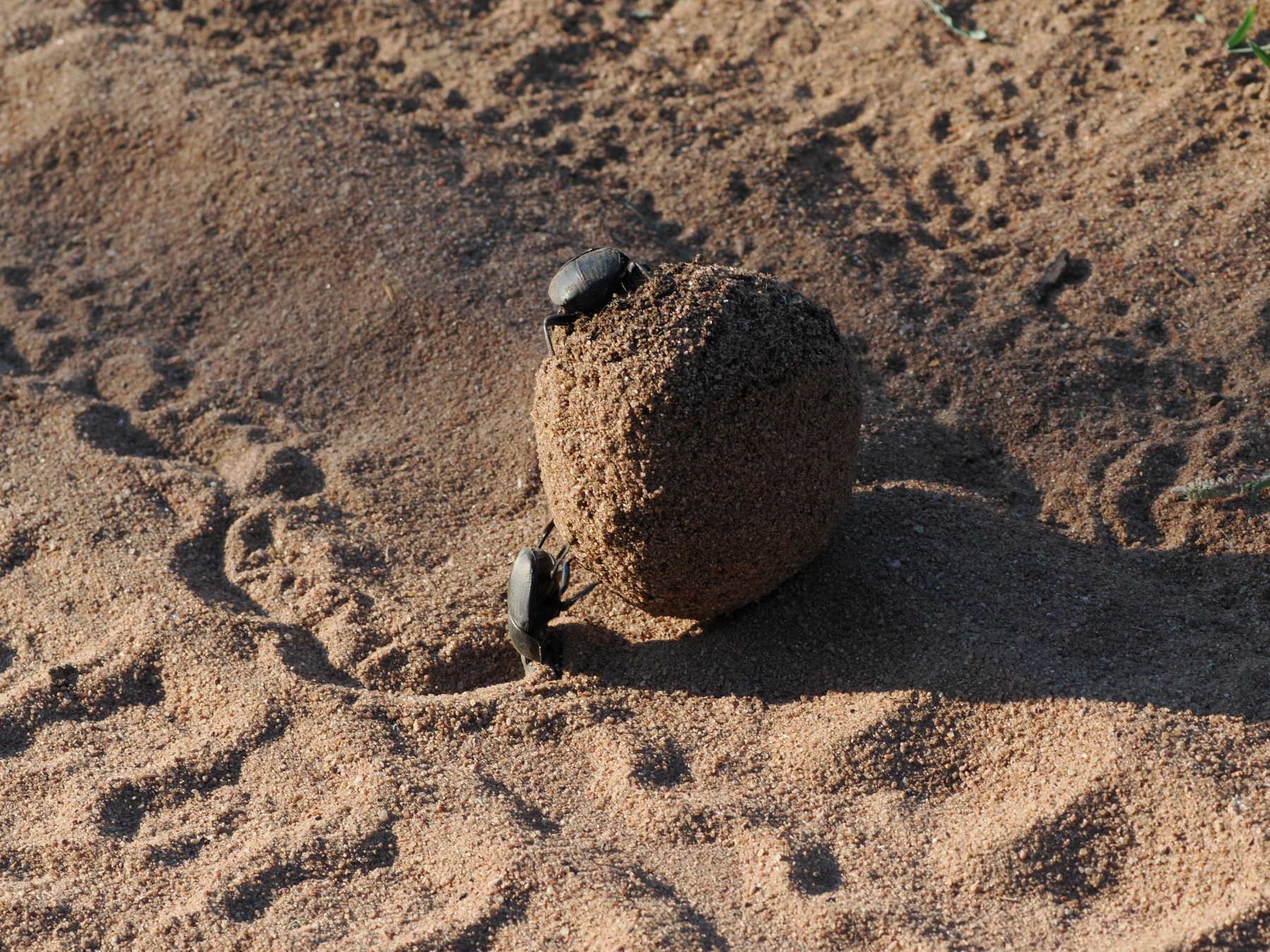
Dung beetles
The female dung beetle hitches a ride while the male rolls the baseball sized dung
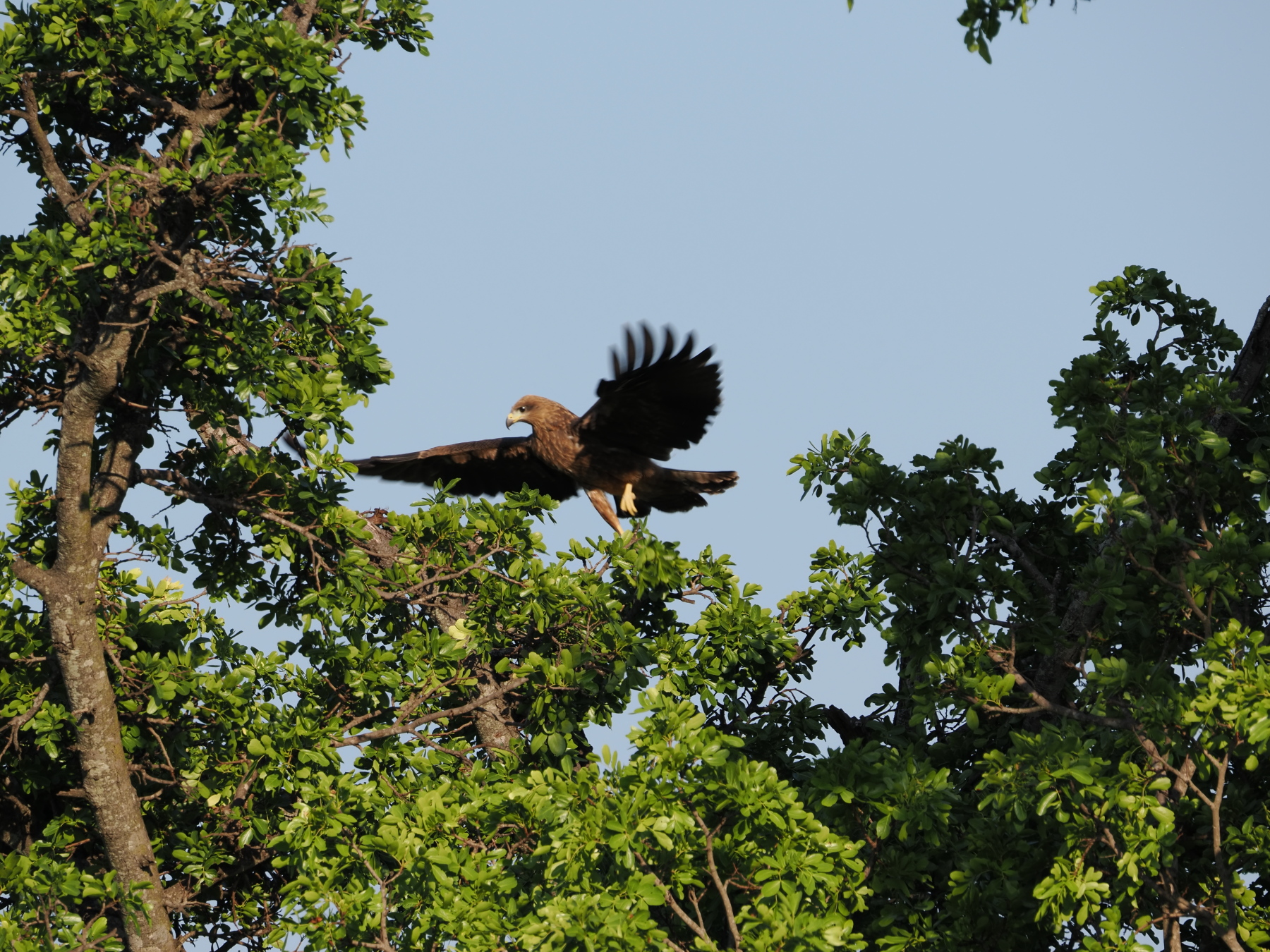
Yellow billed kite
Lesser Kudu
Zebra (Burchill's Zebra according to google lens)
morning game drive
African hawk eagle
Rhino
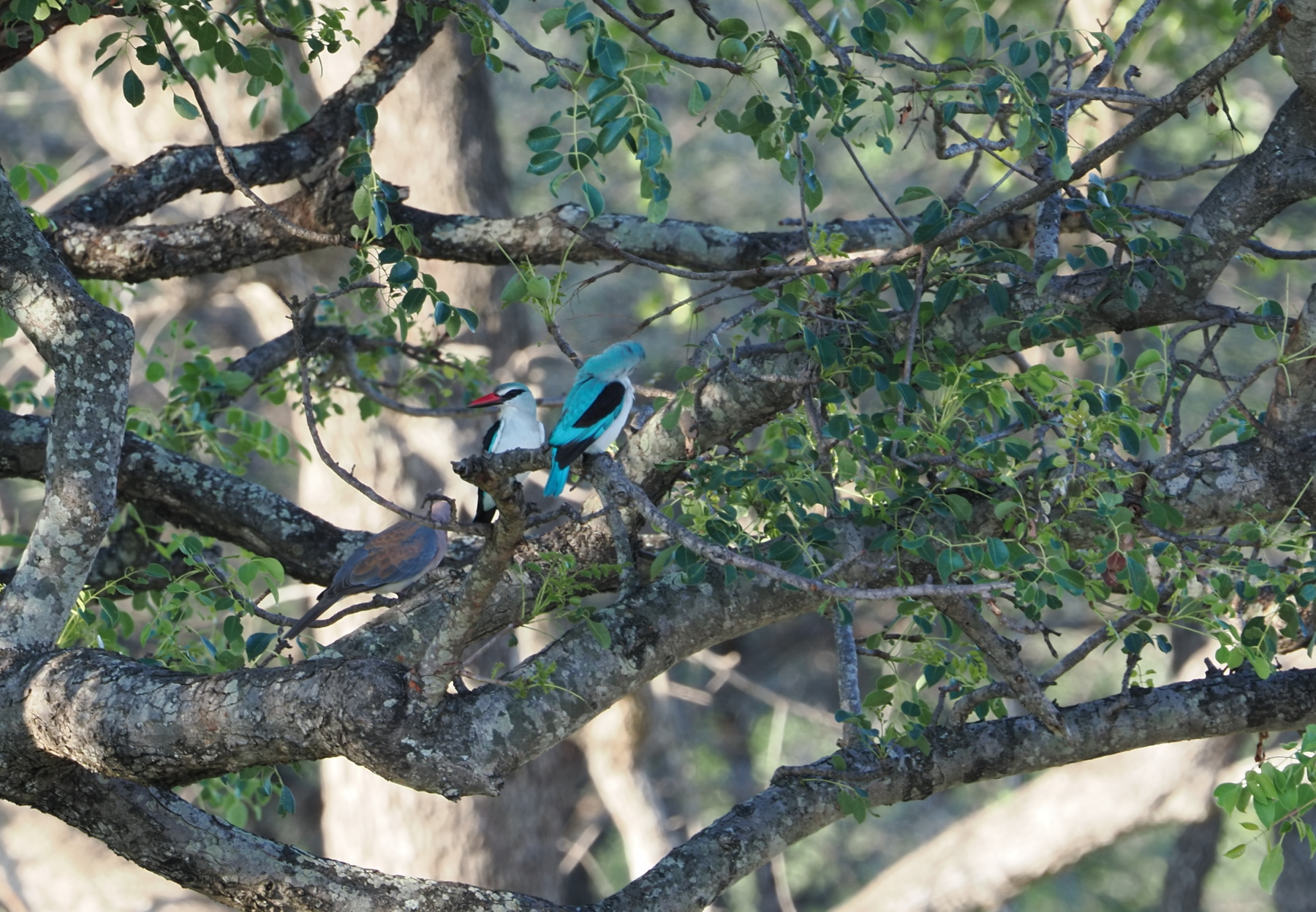
Woodland kingfisher
Southern red-billed hornbill
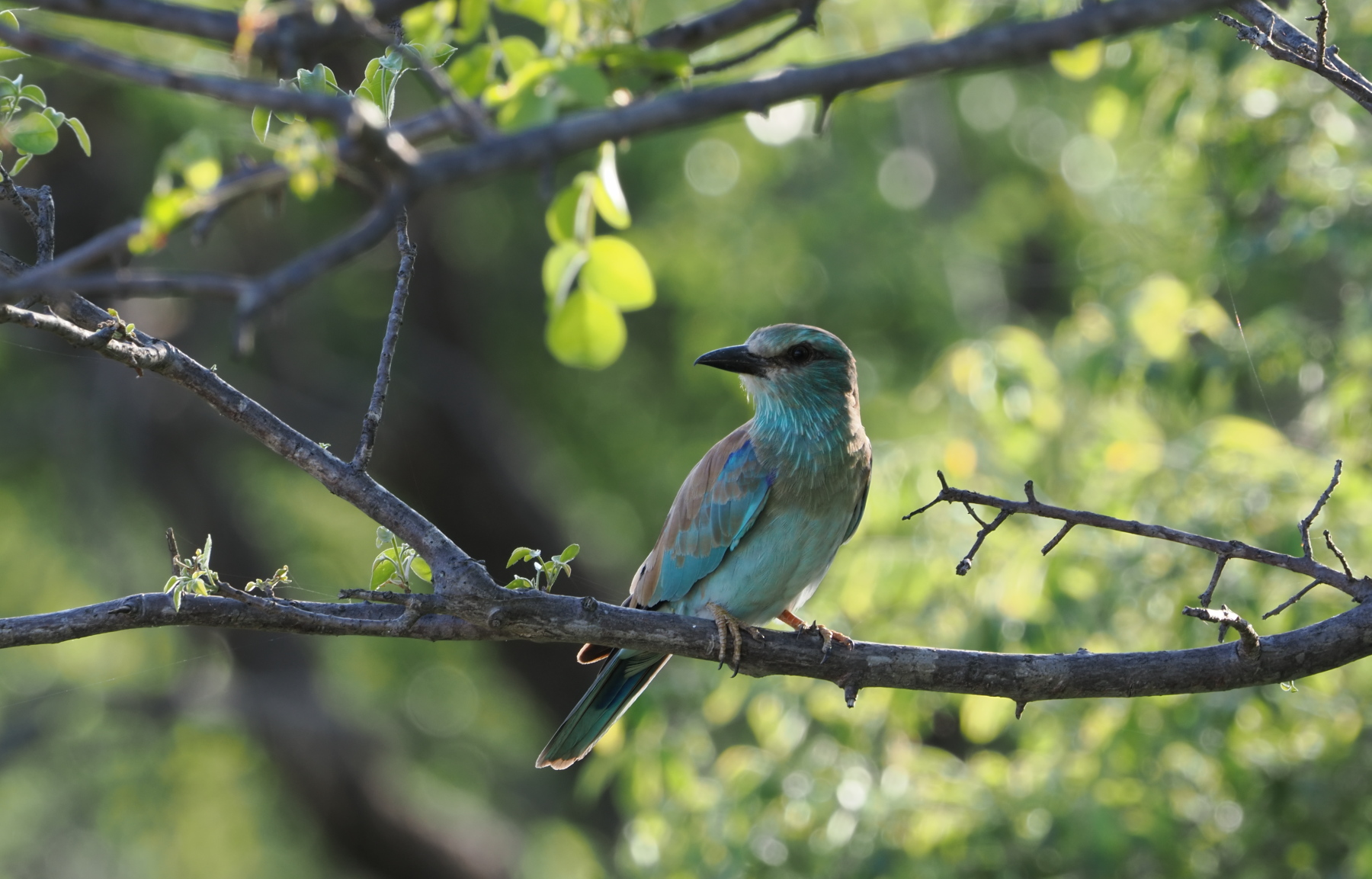
European roller
Southern white crowned shrike
Elephant towel art in our room
previous arrow
next arrow
I can't believe it got through the fence
previous arrow
next arrow
 

Munich and Johannesburg

We flew on Lufthansa from Vancouver to Munich and then on to Johannesburg. Each leg was nearly ten hours long, with a nine-hour layover in Munich.

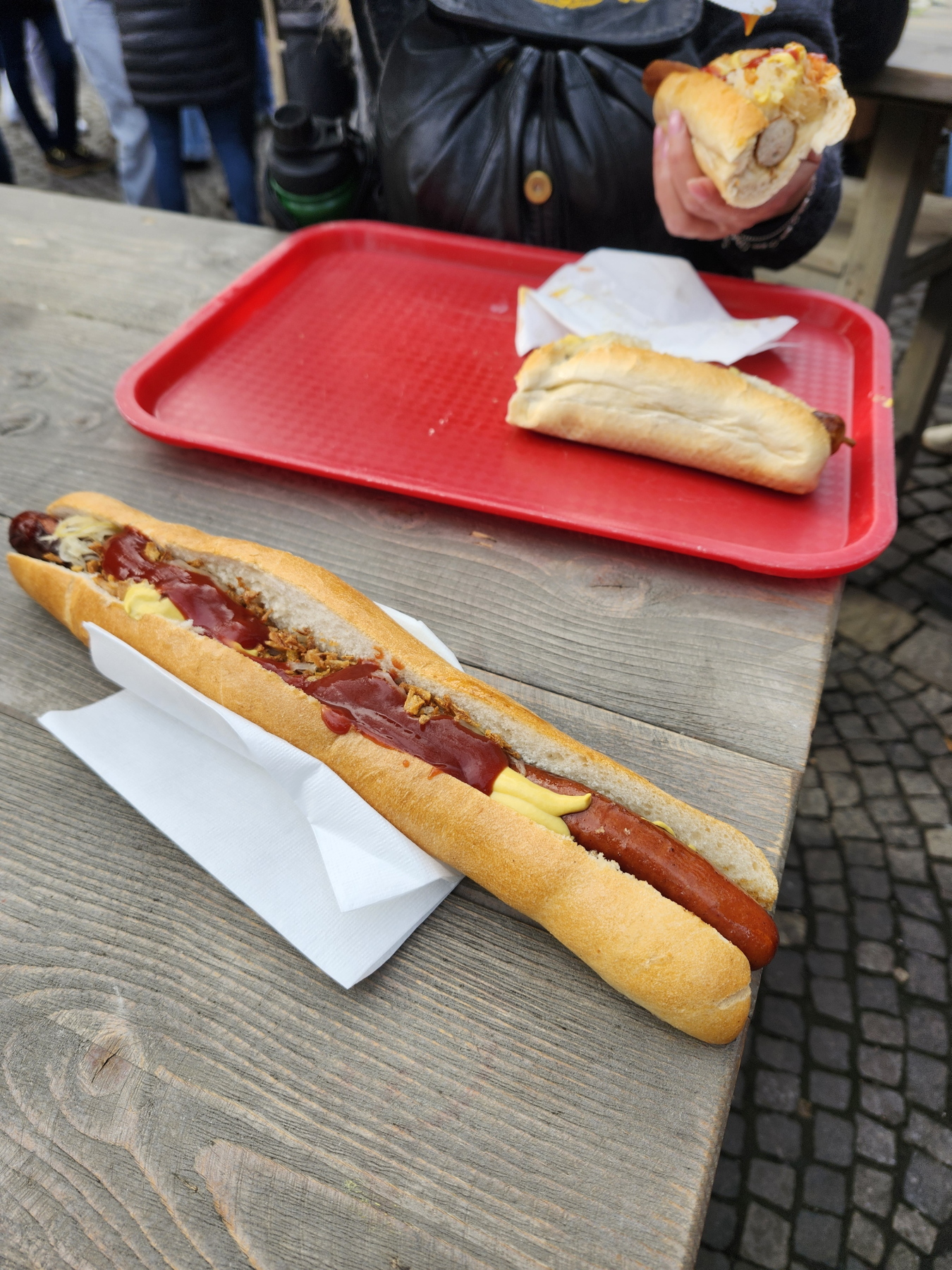
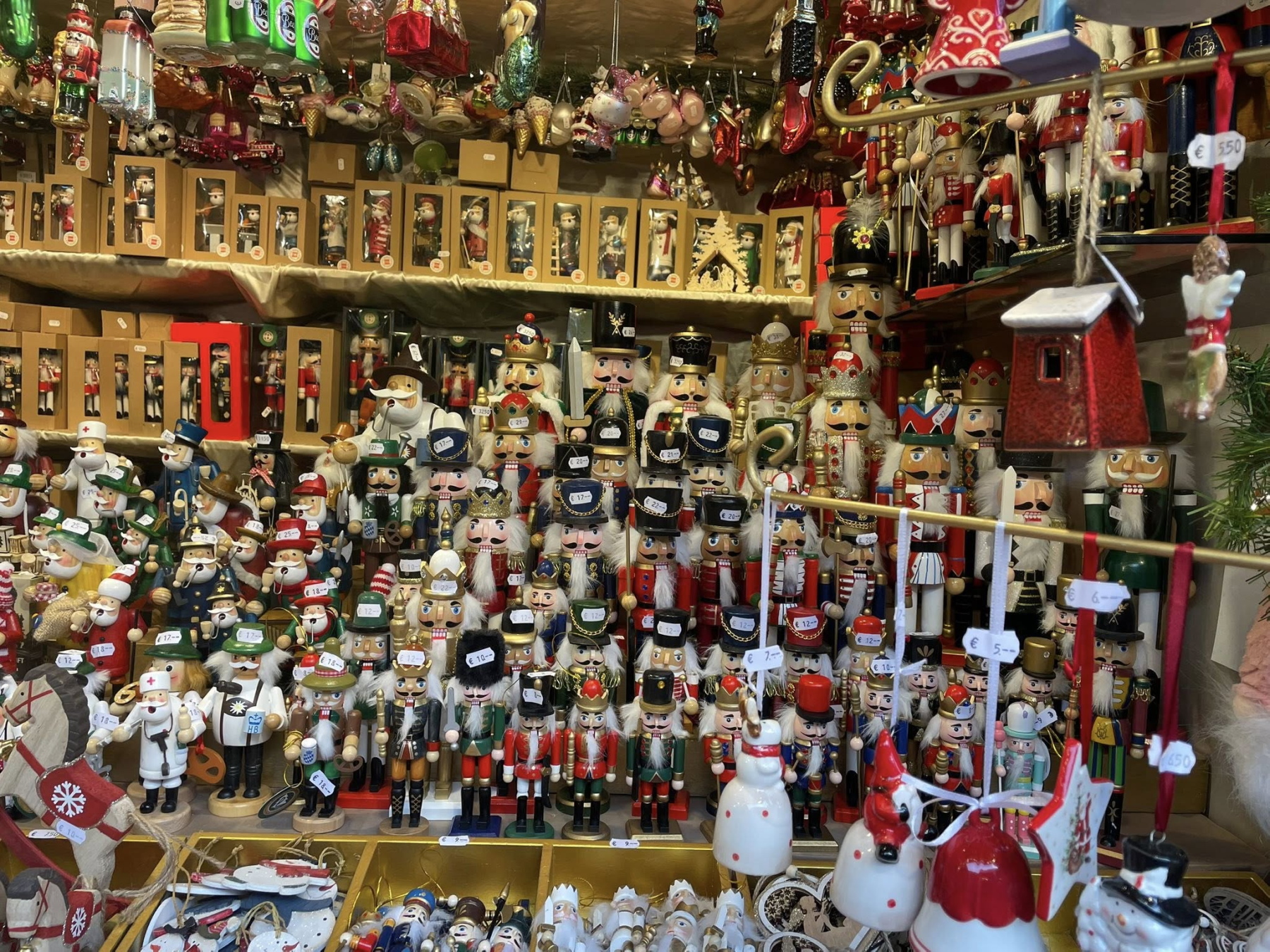
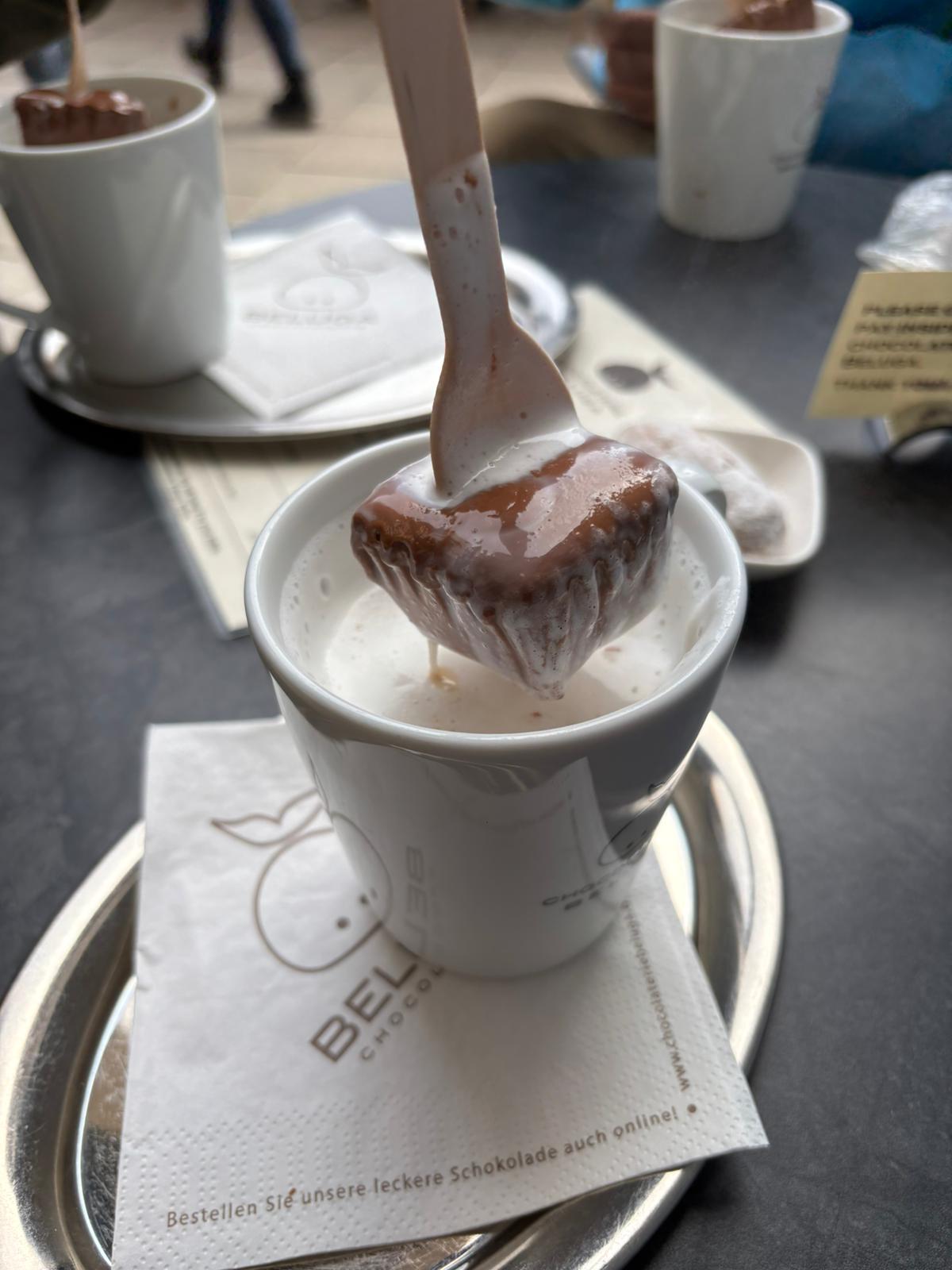
Since we found ourselves in Munich at Christmastime, we decided to make the most of our long break and visit the Christmas market at Marienplatz. We took the train downtown and arrived at the Glockenspiel just in time for its noon performance. Marienplatz was packed—uncomfortably crowded, in fact—with a forest of phones raised to record the show. I don’t think I’ve been in a crowd that dense since I was a young teenager with my parents at the Scoppio del Carro on Easter Sunday at the Duomo in Florence. Still, we managed to enjoy bratwurst and hot chocolate afterwards in a slightly quieter nearby square before heading back to the airport.

I visited Senegal two years ago to do some consulting for a South African engineering firm. We’ve kept in touch, and Drew arranged to meet us during our day in Joburg—or Jozi. We spent a very pleasant afternoon with his family at home, but he first took us to the Apartheid Museum, which was excellent and deeply sobering. I think I mentioned on our Peru trip that we Europeans have a lot to answer for. That’s certainly true in South Africa as well: centuries of slavery, followed by the discovery of gold and diamonds, all culminating in the formal entrenchment of apartheid.

The words of the South African Constitution’s preamble are displayed—dignified, hopeful, and surprisingly moving to read in that setting:

“We, the people of South Africa,
Recognise the injustices of our past;
Honour those who suffered for justice and freedom in our land;
Respect those who have worked to build and develop our country; and
Believe that South Africa belongs to all who live in it, united in our diversity.

We therefore, through our freely elected representatives, adopt this Constitution as the supreme law of the Republic so as to:
• Heal the divisions of the past and establish a society based on democratic values, social justice and fundamental human rights;
• Lay the foundations for a democratic and open society in which government is based on the will of the people and every citizen is equally protected by law;
• Improve the quality of life of all citizens and free the potential of each person; and
• Build a united and democratic South Africa able to take its rightful place as a sovereign state in the family of nations.

May God protect our people.
Nkosi Sikelel’ iAfrika. Morena boloka setjhaba sa heso.
God seën Suid-Afrika. God bless South Africa.
Mudzimu fhatutshedza Afrika. Hosi katekisa Afrika.”

Reading those words, and then stepping through the exhibits that document how far the country had to climb to reach them, was powerful. What struck me most were the uncomfortable parallels between South Africa in 1948, when apartheid was legislated, and aspects of the current political climate in the United States. Sobering, especially considering that it took South Africa forty-four years to undo the consequences of what was formalized in a single election.

We’re off to Hoedspruit and Kruger Park tomorrow for the first of our safaris.

Spicy bratwurst
christmas market in Marienplatz
Hot chocolate
previous arrow
next arrow
previous arrow
Spicy bratwurst
 
next arrow

Prep for the next vacation

South Africa, Zimbabwe, Zambia & Botswana — Christmas Safari 2025

We’ve booked our Christmas vacation this year to South Africa, Zimbabwe, Zambia, and Botswana — another round of safaris, with some extra time in Cape Town. No kids this time, but Sarah and I will be joined by her sister Victoria. She’s easily one of my top four favourite sisters-in-law, so it should be fun.

Most of the safari part (the “lion’s share”?) of the trip is organized by Overseas Adventure Travel (OAT) — the same company that handled our Peru and Ecuador trip last year. All the reviews of their Africa tours have been very positive, so our expectations are high.

This page is mainly a test of the new camera and a refresher on how to update the website. Unlike our Peru and Ecuador trip, I’m going to make an effort to post updates as we go. I’m still annoyed at myself for losing my notes from that last trip.


The New Camera Gear

Earlier this year, I replaced my old Olympus OM-D EM5 II with an OM System OM-1. I’d planned to get the latest EM5 replacement travel camera, but OM System were clearing out the OM-1, and it was only about $100 more than what I intended to spend — an easy decision as the OM-1 is a much better camera than what I was considering.

My lens lineup includes:

  • a new M.Zuiko 12–100mm f/4 PRO
  • a new M.Zuiko 100–400mm f/5-6.3 IS II
  • a lens from my old gear: Leica DG Summilux 25mm f/1.4 prime

I agonized over buying the 100–400mm lens, but finally picked it up during this year’s Black Friday sales — thanks largely to Thomas Eisl’s excellent YouTube review. Since the OM-1 has a Micro Four Thirds sensor, the 35mm equivalent doubles the lens focal length — giving me an equivalent coverage of 24–800mm when combining both zoom lenses.

The new setup is larger and heavier than my old kit, and I hope the weight doesn’t become an issue. I’m going to stick with a wrist camera strap rather than a neck or shoulder strap, so I’ll only look a little like a camera-toting tourist.


Camera Test Runs

To put the OM-1, and particularly the larger zoom lens through its paces, Sarah and I took our grandson to the Calgary Zoo a few weeks ago. Then, back home in Victoria, I headed to Swan Lake for some bird photography. I’m still working on capturing a sharp bird-in-flight shot: stay tuned.

As before, the photos here are on a slider — use the arrows on the photo or pick from the row of thumbnails to progress to another picture.

Note: There’s no post-processing on these images. The camera produces both JPG and RAW files; these are straight-from-camera JPGs, resized only to fit the website.

Meercat at Calgary zoo
Lioness at Calgary zoo through a chainlink fence
Western Lowland Gorilla at Calgary zoo
Western Lowland Gorilla at Calgary Zoo
Bald Eagle near Swan Lake, Victoria
I think this is a Ring Necked duck.  Swan Lake, Victoria
Lots wrong here. This is why I want to practise!  Not fast enough shutter speed, and it's flying the wrong way... but it was the only thing flying that I could catch
Peacock at Beacon Hill Park, Victoria
previous arrow
next arrow
Meercat at Calgary zoo
previous arrow
next arrow