Category Archives: Carlson / James Family Travel

The plan

This was written after we got back… but serves as an index of the trip.

Here is a map of where we went. You can zoom into any of the four areas we went to to see more detail. We travelled between the 4 areas by air.

ArrivalDepartureLocation & PostingCountry
Dec 7, 2025December 8Munich/ JobourgGermany/ South Africa
December 8December 12Hoedspruit/ Khaya Ndlovu
Kruger/ Blyde
South Africa
December 14December 17Hwange National ParkZimbabwe
December 17December 20Mosi oa tunya/ LivingstoneZambia
December 20December 23Baobab 1/ Chobe RiverBotswana
December 23December 26Santawani/ Okavango DeltaBotswana
December 26December 28Victoria FallsZimbabwe
December 28January 1 Cape TownSouth Africa
January 1 2026January 7Blouberg/ StellenboschSouth Africa

The Overseas Adventure Travel (OAT) “Ultimate Africa” trip was from December 14, 2025 to January 1, 2026. The rest we organized ourselves. The shrewd observers amongst you would notice the date gap from December 12 to December 14: We were in Pretoria waiting for the OAT trip to start.

Prep for the next vacation

South Africa, Zimbabwe, Zambia & Botswana โ€” Christmas Safari 2025

Weโ€™ve booked our Christmas vacation this year to South Africa, Zimbabwe, Zambia, and Botswana โ€” another round of safaris, with some extra time in Cape Town. No kids this time, but Sarah and I will be joined by her sister Victoria. Sheโ€™s easily one of my top four favourite sisters-in-law, so it should be fun.

Most of the safari part (the “lion’s share”?) of the trip is organized by Overseas Adventure Travel (OAT) โ€” the same company that handled our Peru and Ecuador trip last year. All the reviews of their Africa tours have been very positive, so our expectations are high.

This page is mainly a test of the new camera and a refresher on how to update the website. Unlike our Peru and Ecuador trip, Iโ€™m going to make an effort to post updates as we go. Iโ€™m still annoyed at myself for losing my notes from that last trip.


The New Camera Gear

Earlier this year, I replaced my old Olympus OM-D EM5 II with an OM System OM-1. Iโ€™d planned to get the latest EM5 replacement travel camera, but OM System were clearing out the OM-1, and it was only about $100 more than what I intended to spend โ€” an easy decision as the OM-1 is a much better camera than what I was considering.

My lens lineup includes:

  • a new M.Zuiko 12โ€“100mm f/4 PRO
  • a new M.Zuiko 100โ€“400mm f/5-6.3 IS II
  • a lens from my old gear: Leica DG Summilux 25mm f/1.4 prime

I agonized over buying the 100โ€“400mm lens, but finally picked it up during this yearโ€™s Black Friday sales โ€” thanks largely to Thomas Eislโ€™s excellent YouTube review. Since the OM-1 has a Micro Four Thirds sensor, the 35mm equivalent doubles the lens focal length โ€” giving me an equivalent coverage of 24โ€“800mm when combining both zoom lenses.

The new setup is larger and heavier than my old kit, and I hope the weight doesnโ€™t become an issue. Iโ€™m going to stick with a wrist camera strap rather than a neck or shoulder strap, so Iโ€™ll only look a little like a camera-toting tourist.


Camera Test Runs

To put the OM-1, and particularly the larger zoom lens through its paces, Sarah and I took our grandson to the Calgary Zoo a few weeks ago. Then, back home in Victoria, I headed to Swan Lake for some bird photography. Iโ€™m still working on capturing a sharp bird-in-flight shot: stay tuned.

As before, the photos here are on a slider โ€” use the keyboard left and right arrows, or swipe right on your touch screen to progress to the next picture.

Note: Thereโ€™s no post-processing on these images. The camera produces both JPG and RAW files; these are straight-from-camera JPGs, resized only to fit the website.

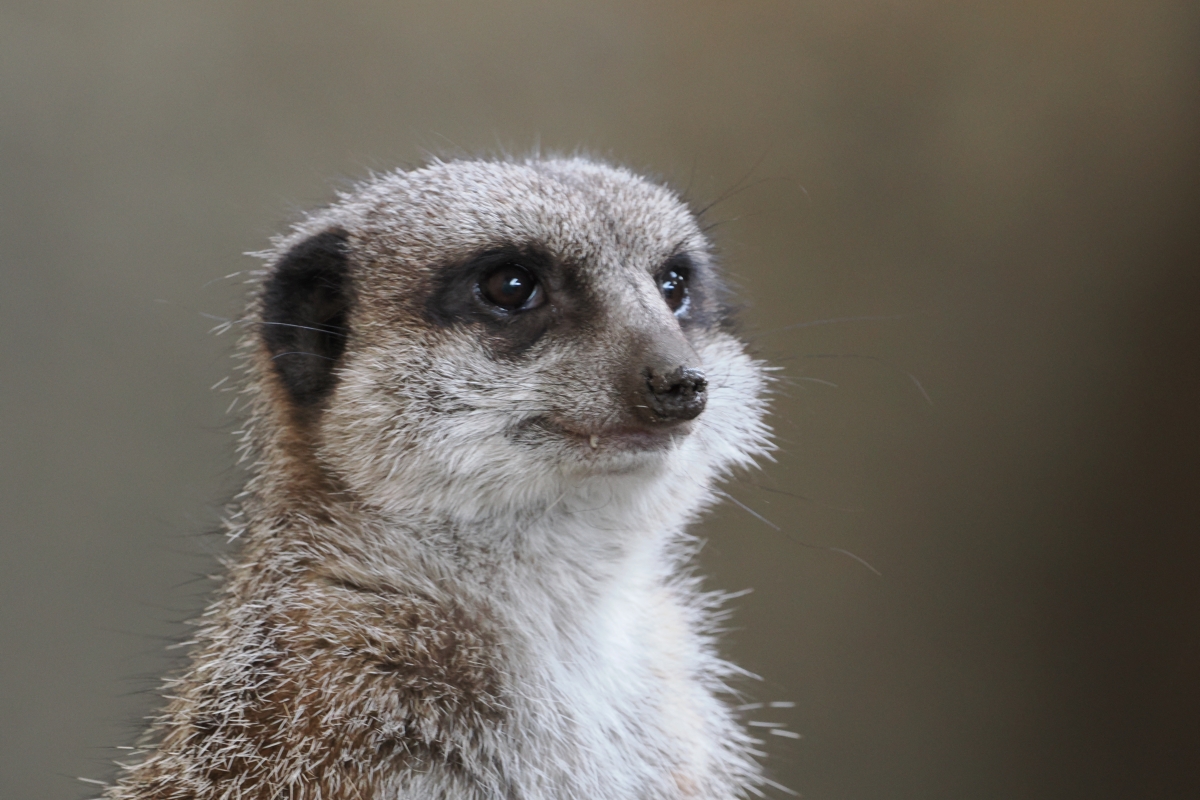
Meercat at Calgary zoo
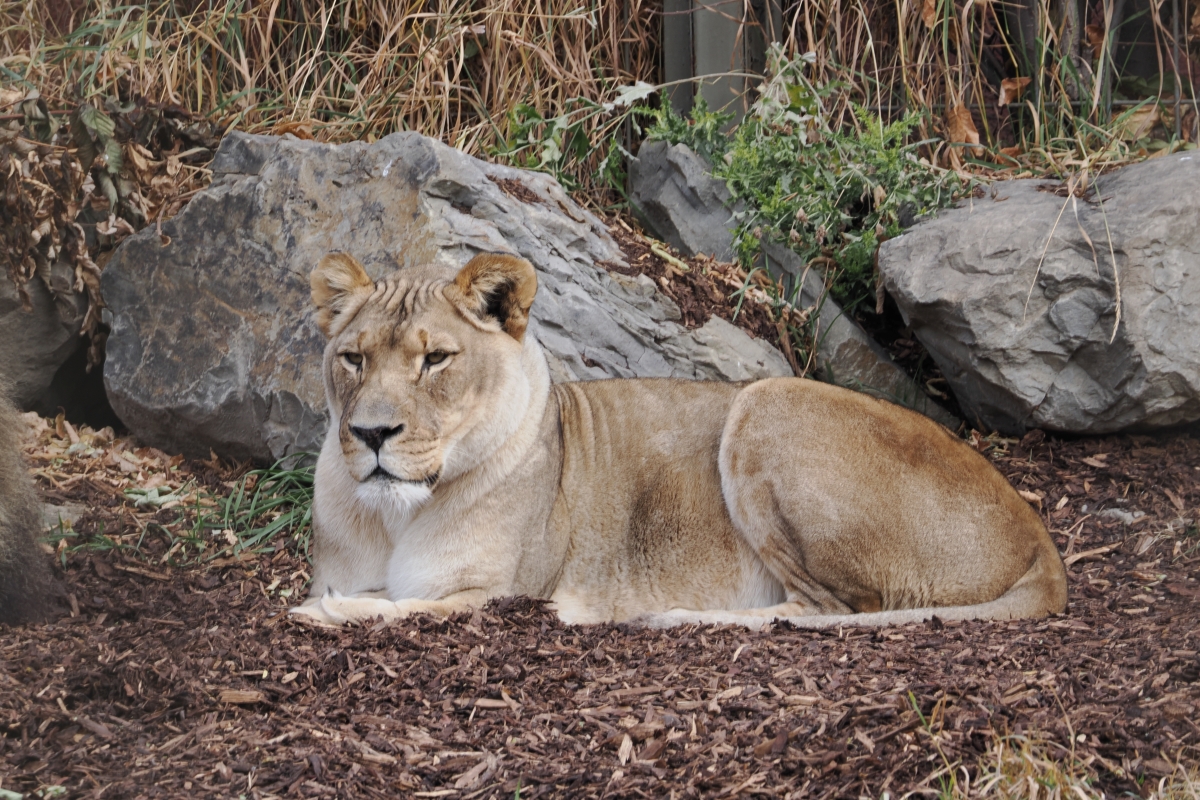
Lioness at Calgary zoo through a chainlink fence
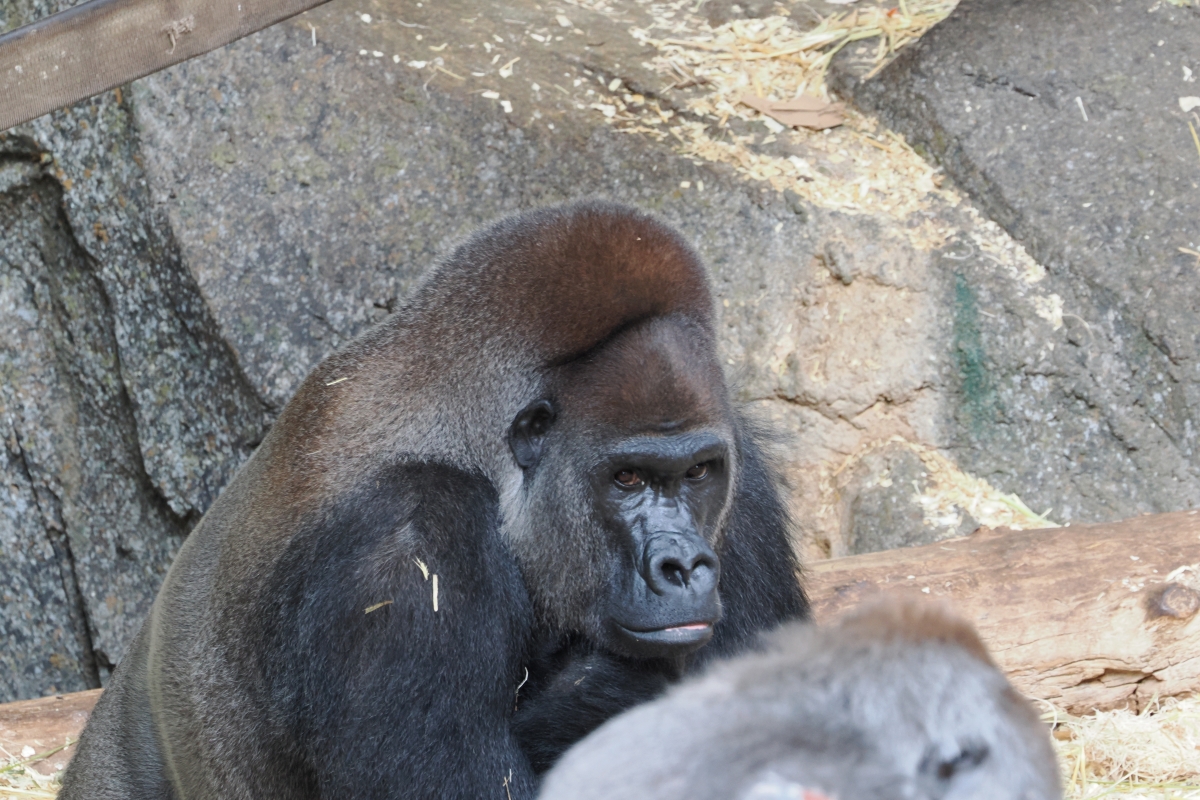
Western Lowland Gorilla at Calgary zoo
Western Lowland Gorilla at Calgary Zoo
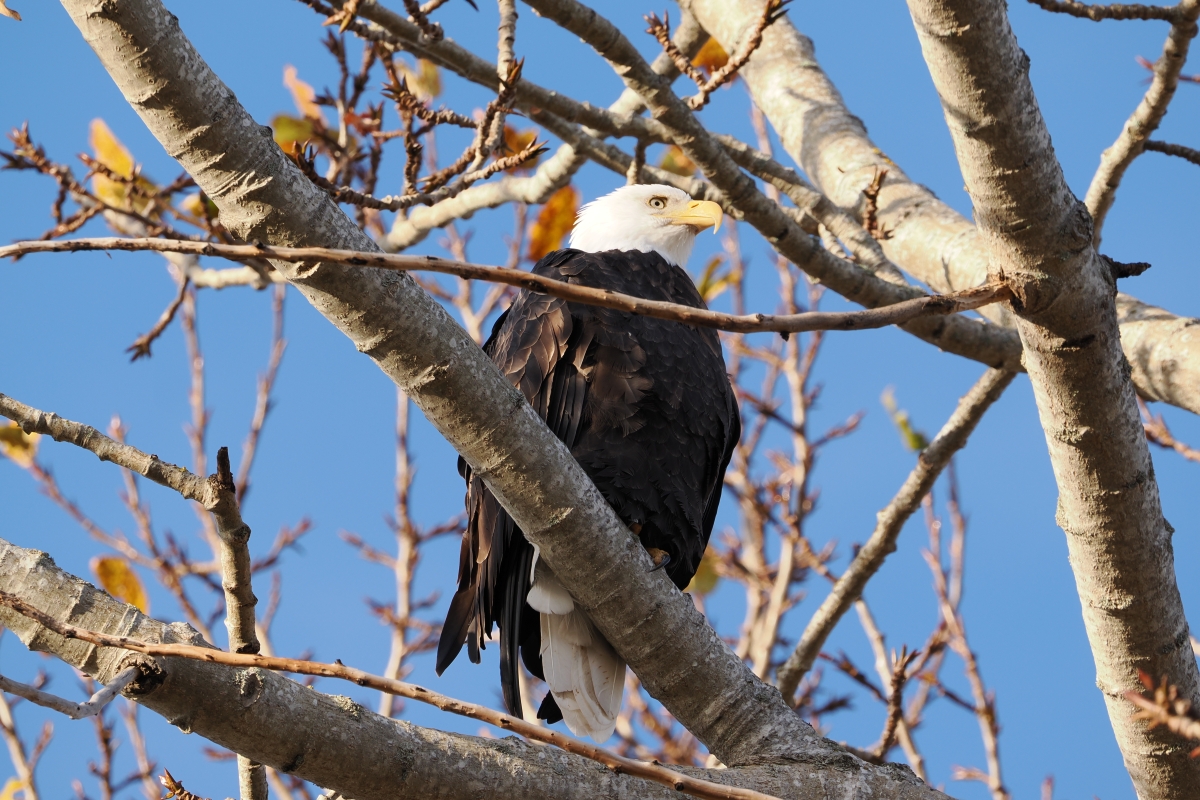
Bald Eagle near Swan Lake, Victoria
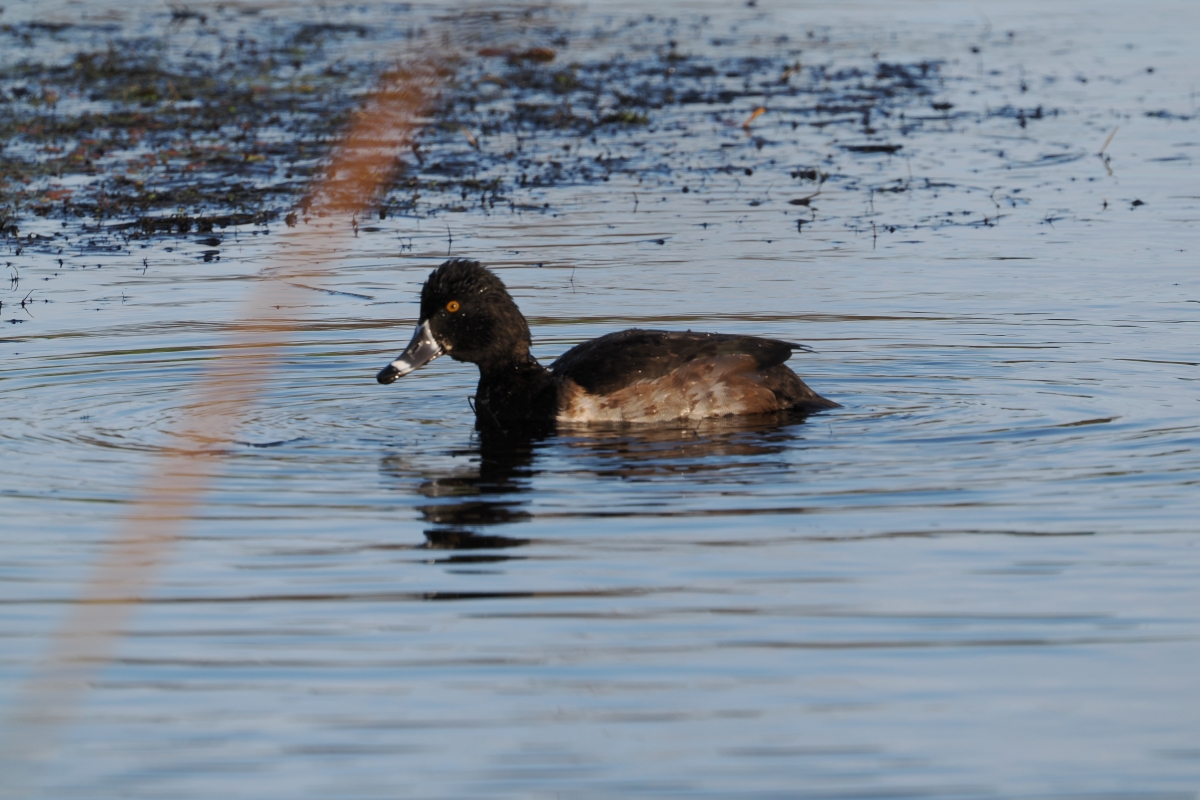
I think this is a Ring Necked duck.  Swan Lake, Victoria
Lots wrong here. This is why I want to practise!  Not fast enough shutter speed, and it's flying the wrong way... but it was the only thing flying that I could catch
Peacock at Beacon Hill Park, Victoria
previous arrow
next arrow
Meercat at Calgary zoo
previous arrow
next arrow
 

Ecuador

Oh for heavenโ€™s sake! Iโ€™ve misplaced my notebook with all my notes from the trip. I couldnโ€™t find it this summer at the cottage, so I assumed it must be in Victoria. Now that weโ€™re back in Victoria, I still canโ€™t find it. Iโ€™ll have to look more carefully when we return to the cottage โ€” thereโ€™s no way I would have thrown it out.

We spent some time in Quito and the Galรกpagos. I do still have all the photos, so Iโ€™ll post some and tell the stories behind them before our next vacation. Since we leave in three weeks, Iโ€™ll have to hurry!

By the way, our guide told us about the tortoise taken by Darwin in 1835 and subsequently named Harriet… but the guide did not know where Harriet ended up. We could fill in the blanks because we saw Harriet at the Australia Zoo in 2002 . The zookeepers there confirmed that this was Darwin’s Harriet at age ~171. I understand she has since died.

Marine Iguana
Land Iguana
Sea Lion
American Oystercatcher \
Galapagos tortoise
previous arrow
next arrow
Marine Iguana
previous arrow
next arrow
 

Iquitos and the Amazon

27โ€“30 October 2024 โ€“ Ceiba Tops Lodge, near Iquitos, Peru

27 October

Our luck with the weather could not have been better. It began raining just after we arrived at the Iquitos airport and boarded the bus, and it stopped just before we stepped off the bus and onto the boat. When we reached the lodge, the skies opened againโ€”right as we sat down for lunch.

After lunch, the rain stopped and we joined our new local guide, Luis, for a nature walk. The massive Ceiba treeโ€”namesake of the lodgeโ€”was as impressive as the great kauri trees we once saw in New Zealand. The Ceiba tree is also called a Kapok tree and you may remember that kapok fibres provided the floatation for lifejackets in WWII. The trees are so big that I think one tree could have provided the kapok filling for all lifejackets used in the war!

We spotted plenty of birds and a few tamarin monkeys along the trail. Later, the group cooled off in the pool before retreating to the lodge for a pisco sour. What a lovely tour group we ended up with.

Then it rained steadily through the night.

The only ones in our group truly affected by the rain were Paul and Phyllis, whose thatched roof had a leak that dripped all night. The tour group arriving after us got the worst of everything: their flight into Iquitos was delayed several hours by a thunderstorm, and when they finally made it to the lodge, they were greeted by yet another downpour as they made their way from the boat to the lodge.

28 October

We were up bright and early at 6 a.m. for a planned birding tour, but with rain threatening, we shifted gears and visited the market in the nearby town of Indiana, Peru. (Not to be confused with Peru, Indiana!) I may not have the details exactly right, but I recall that the townโ€™s founder had studied in Indiana in the United States and named this settlement after it.

Later that morning, we crossed to the far side of the river to visit a very small village and its school.

In the afternoon, we tried our hand at piranha fishing. Paul got a bite, but the rest of us managed only a few tiny catfish. On the boat ride back, we saw both pink and gray river dolphins. The pink dolphins truly are pink and live permanently in freshwater, while the gray dolphins swim all the way from the Atlanticโ€”more than 2,000 km away.

After dinner, we joined a night walk where we spotted a small snake, katydids, frogs, turtles, and even a baby caiman.

29 October

Another early startโ€”up at 6 a.m. for the canopy walk. Getting there was an adventure in itself: a boat ride to Indiana; a tuk-tuk trip to the Napo River; a second boat to the Explornapo Lodge; and then a one-hour walk through the forest to reach the canopy walkway. The platform is incredibly high, offering sweeping views of the canopy, though the birds are apparently most active at sunrise. (Perhaps we should have spent the night there!)

Back at the lodge, we were visited by a shaman who described traditional herbal remedies and performed a cleansing to sweep away our bad energy.

We ended the day back at Ceiba Tops Lodge with a swim, a drink, dinner, and another night walk.

30 October

We took an early morning birding trip by boat, spotted more dolphins, and returned once again to Indiana. In the afternoon, we visited a Yagua village closer to Iquitos, where we watched a traditional dance, tried a blow-dart demonstration, and even got to meet a pet sloth.

Iquitos has no roads connecting it to anywhere. It is essentially an island on the mainland, with everything arriving by barge or plane. That is changing, however, with a completed bridge and the upcoming construction of a highway to Brazil. The highway will pass very close to this Yagua village, and Iโ€™m sure their lives will change completely. Progress?

31 October โ€“ Departure

We left Iquitos and flew back to Lima.


Amazon Summary

This will have to wait until I find my notebook with all my detailed notes. I couldnโ€™t locate it at the cottage this past summer, so I assumed it must be in Victoria. Now that weโ€™re home and it still hasnโ€™t turned up, Iโ€™ll have to search more carefully when we return to the cottage. Thereโ€™s no way I would have thrown it out.

After our Amazon stay, we continued on to Lima, then travelled to Cusco, Machu Picchu, and Sacsayhuaman. Thankfully, I still have all the photosโ€”so Iโ€™ll share those and reconstruct the stories behind them.

Lima

25 October 2024 – Lima Pre-trip / Day 1

Machu Picchu and the Galรกpagos have always been on our bucket list, so it didnโ€™t take long to say yes when our cottage neighbours, Mark and Cindy, invited us on an organized tour with them. In all our years of travel, weโ€™ve never joined a tour like this, so Iโ€™m curious to see what the experience will be like.

The journey to Peru was long: Victoria โ†’ Seattle โ†’ Miami โ†’ Lima. The actual flying time was only about 11 hours, but with layovers it became 28 hours of travel. We met up with Cindy and Mark in Miami and continued on to Lima together. We arranged to arrive a day and a half before the tour officially began, just to get our feet under us.

A minibus arranged by the tour company picked us up at the airport and dropped the four of us at the Jose Antonio Hotel in Miraflores, an upscale district of Lima. We celebrated our arrival with the mandatory Pisco Sourโ€”though I still think Sarahโ€™s father makes a better one. Perhaps weโ€™re simply used to the lemons he prefers, while Peruvian bars typically use limes.

The next morning, we walked along the Miraflores escarpment overlooking the Pacific. Despite it being a Friday, the paths were busy with people enjoying the ocean air. The terraced tennis courts were full, and the waves seemed perfect for beginner-intermediate surfers.

In the afternoon, we took the Mirabus double-decker tour as an easy introduction to the city. Lima has 11 million people, and it felt like all of them were drivingโ€”the traffic was astonishingly bad. It took us 1.5 hours to travel 9 km back to the hotel. Our driver, however, was remarkably calm, suggesting this is simply daily life here. We later learned that the traffic was worse than usual for two reasons: (1) each district has a road-improvement budget that must be spent by December 31, so construction ramps up in the fall, and (2) a main access road to the coastal highway was closed for repairs, forcing everyone onto alternate routes.

Limaโ€™s historic centre dates back to 1535, shortly after Pizarroโ€™s conquest of the Incan Empire. The early churches, convents, and civic buildings were first constructed in the mid-1500s and have been rebuilt or added onto many times after โ€œRing of Fireโ€ earthquakes. It was startling to remember we were in the Americas; in Canada, aside from a few old forts, virtually no continuously used buildings predate the earlyโ€“mid 1800sโ€”almost 300 years younger than central Lima.

Iโ€™m fascinated by how different cultures developed across the continents. According to Dr. Google, the Incas, Aztecs, and Mayans built strong central governments and cities with millions of people, with even earlier cultures preceding them. Meanwhile, North American Indigenous groups developed smaller, family-centred social structures. Climate must have played a major roleโ€”surviving harsh northern winters leaves less time for building giant urban centres. One day Iโ€™d like to spend more than a few minutes reading about this!

We met the rest of the tour group and Ivonne, our local guide, on Saturday morning. After lunch at a local restaurant, six of us took a trip to Pachacamac, a major religious centre founded long before the Incas. You can trace the siteโ€™s history through the changing construction materials used over the centuries.

As interesting as Pachacamac was, the shanty towns around Lima captured my attention even more. If I understood correctly, about four million people live in these informal settlements that ring the city. Homes typically begin as a single brick room and expand over time as families grow and can afford additions. Eventually the city installs water and sewer services, and residents start paying taxes. The worrying part is Limaโ€™s seismic risk: when (not if) a major earthquake hits, these largely handmade brick structures will be dangerously vulnerable.


26 October โ€” Lima, Day 2

We met the full 11-person tour group on Saturday morning. Other than Mark and Cindy, we were all strangersโ€”Americans from various states, plus the two of us. Itโ€™s a different way to travel. With group tours, you gain a knowledgeable guide and everything is arranged for you; you simply โ€œhold onto the ropeโ€ and go. The trade-off is that we did very little research before arrivingโ€”something weโ€™d normally consider essential for independent travel. We did read Turn Right at Machu Picchu by Mark Adams, but really should have done more.

We repeated our walk along the Miraflores cliffs, then after lunch, six of us took a small bus to Pachacamac. The site, founded around 400 AD, was once a major spiritual centreโ€”about a thousand years before the Inca Empire. You can see the layers of history in the evolving building styles and materials.

Again, the shanty towns left the biggest impression. About four million people live in these sprawling settlements, building their homes gradually as money allows. Eventually the city formalizes services and taxation. But being on the โ€œRing of Fire,โ€ Lima is highly vulnerable to earthquakes, tsunamis, and volcanic activity. When a major quake hits, these homemade brick homes could collapse, putting millions at risk. Yikes.

After the tour, a young guide shepherded us to the airport, reminding us roughly 50 times to go to Gate 3, and then snapping a group photo as we headed into security. Larry joked that the photo was probably for her supervisorsโ€”as proof she had successfully delivered her โ€œpackageโ€ of 11 tourists, much like an Amazon driver. Job done!

Next stop: the Peruvian Amazon.

Paris, Zurich, Tenerife, London & Dakar

December 17, 2023 โ€“ January 21, 2024

These may seem like an unusual combination of destinations, but thereโ€™s a good explanation.

Although Heather comes back to Canada almost every year, it has been far too long since we visited her in Europe. The last time we were there, she was living in Geneva, had not yet finished her PhD, and was not married. Since then, weโ€™ve attendedโ€”via Zoomโ€”both her wedding in Zurich and her PhD defense in Geneva, and we still had never met her German parents-in-law. COVID travel restrictions slowed everything down, so we had some catching up to do.

We definitely wanted to spend Christmas with Heather and Hannes at their home in Zurich. Because of our family connection with WestJetโ€”and the fact that WestJet currently only flies to Paris, London, and Barcelonaโ€”we decided on a routing that made the most sense: fly to Paris, take the train to Zurich for Christmas, join Heather and Hannes on their holiday in the Canary Islands, and then return home via London. Barcelona will have to wait for another trip. However, midway through the journey I was asked to visit a client in Dakar, Senegal, so the plan evolved: Sarah returned home from London, and I continued on to Dakar.

Weโ€™ve been to Paris several times, but the last visit was over 20 years ago during the RTW trip with the kids. Central Paris looks much the same; only the fashions and the cars have changed. One thing that stood out was how many more bicycles are on the roads and bike paths now. I also donโ€™t remember noticing just how many small shops line every street and every building. Of course they were always thereโ€”boulangeries, pรขtisseries, cafรฉs, restaurants, and specialty shops that could only survive in a city like Parisโ€”but this time they felt impossible to miss. Just down from our hotel was a clarinet repair shop, filled with instruments in various states of repair. We even saw an Ikea that couldnโ€™t have been more than 20′ x 20′ (6 m x 6 m), serving only as a mail-order pickup and return point. In the evenings, the streets and restaurants were packed with locals.

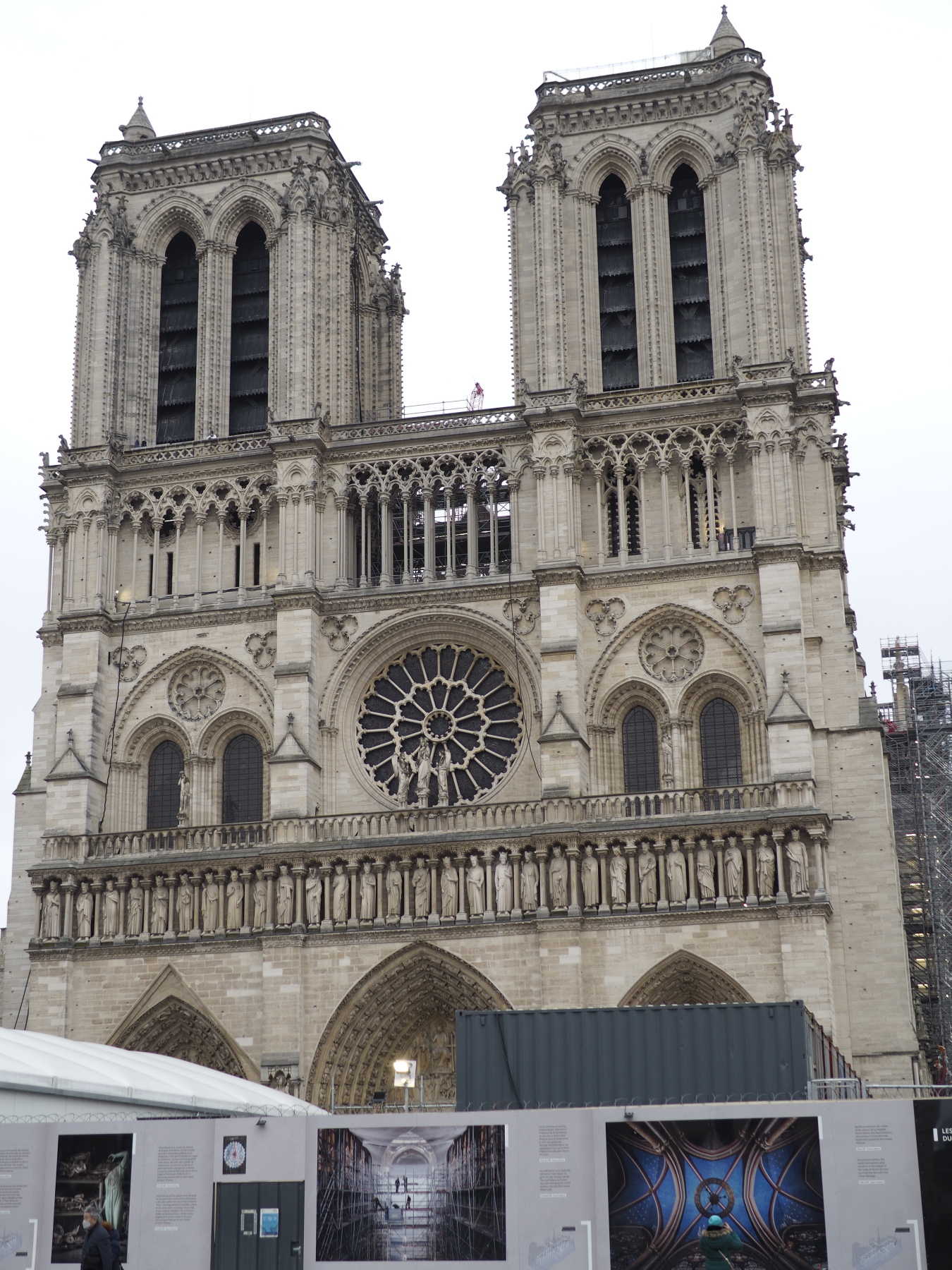
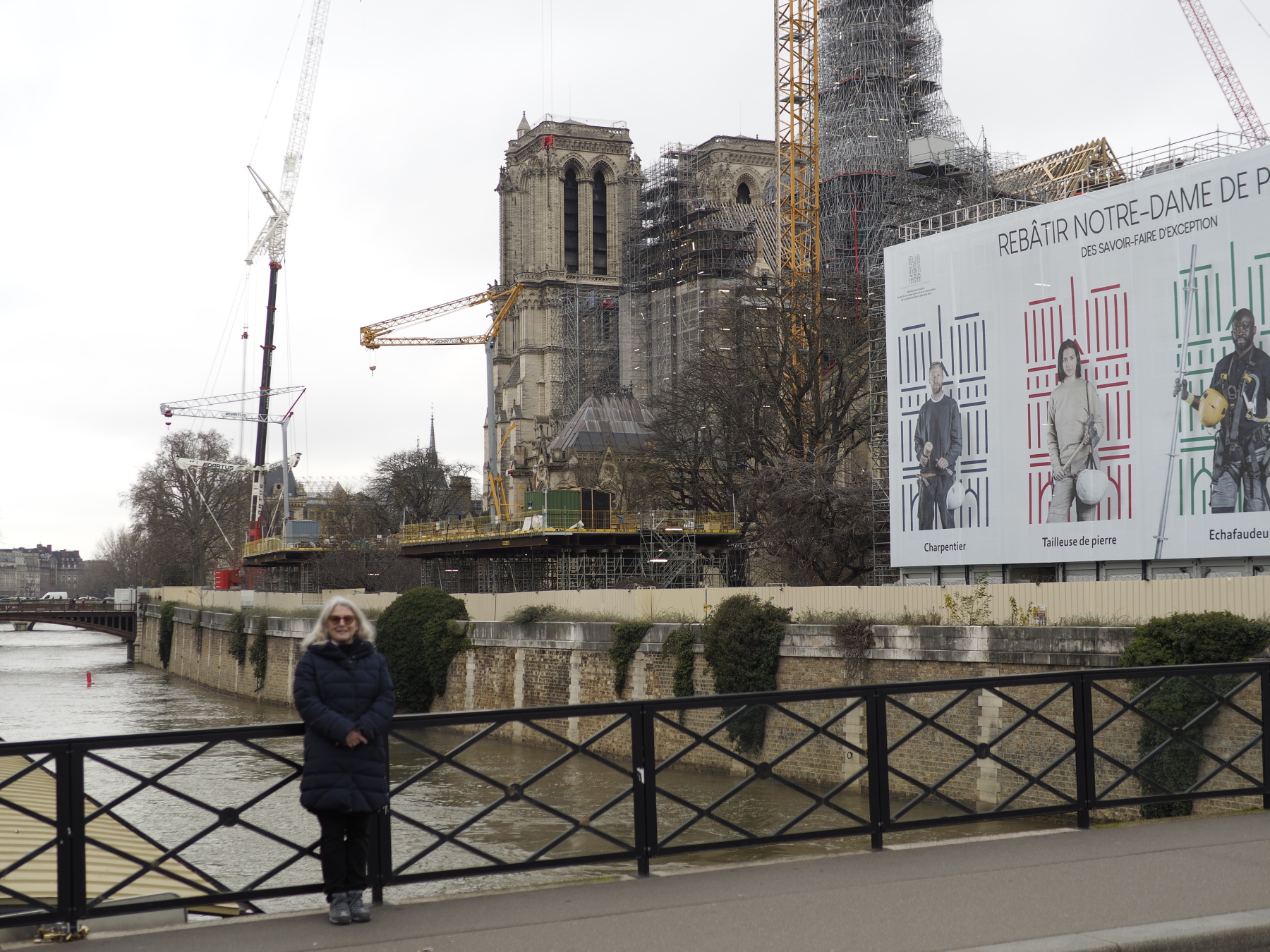
Notre-Dame is still undergoing major reconstruction after the 2018 fire. They hope to reopen it to visitors in December 2024, though I suspect exterior work will continue for some time after that.

And, of course, Paris is gearing up to host the 2024 Summer Olympics.

Still in draftโ€”more text and photos to comeโ€ฆ

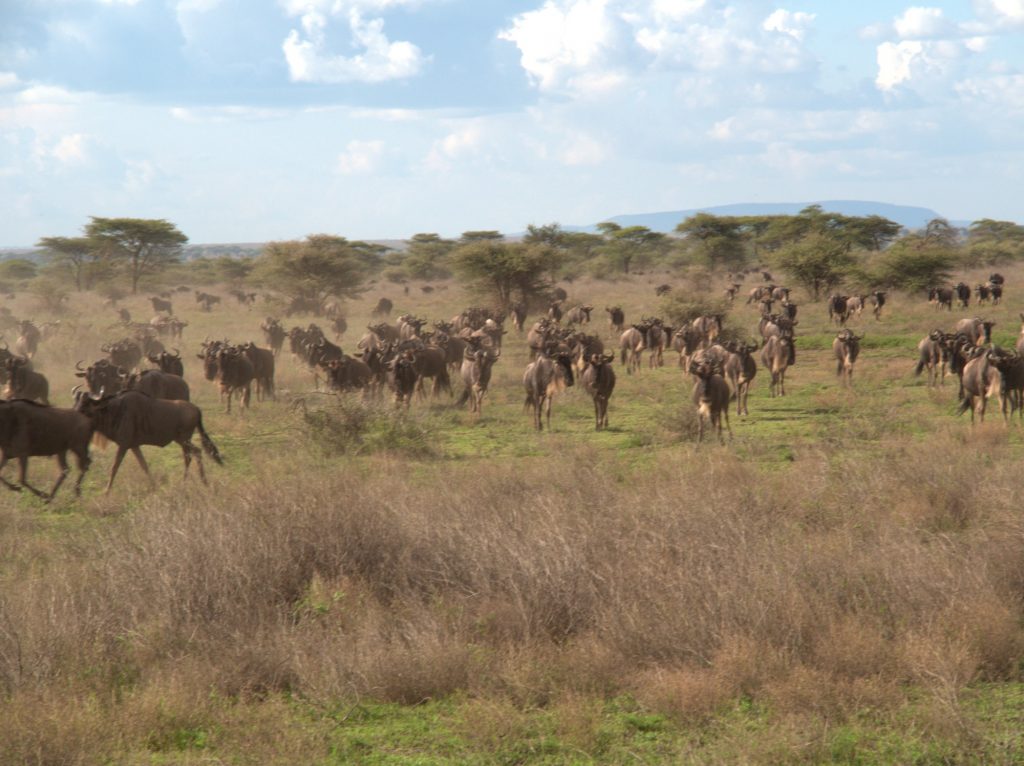
All the wildebeest in the Serengeti

22 December 2018 โ€” Mbugani Migration Camp, Lake Ndutu, Tanzania
Written 22 January 2019, Calgary, Alberta, Canada

We were just leaving the Mbugani Migration Camp. Heather and I had our bags slung over our shoulders as we rounded the corner of the dining tent toward the truck. Up ahead, Salim and three of the camp staff were already gathered, laughing about something. As soon as he spotted us, Salim grinned and said, โ€œOh goodโ€”the father needs to be here for this.โ€

Apparently, one of the young staff members had confided to Salim that he found Heather quite attractive. Salim had shared with the group the earlier assessment by the Datoga that Mark’s payment for Kirsten should be set at 400 cows.

Heather, of course, leapt straight into the negotiations. Without missing a beat, she raised the price to 500 cowsโ€”on the logic that she could hand over 400 to Mark and still come out ahead.

The young man paused, considering this, and then his face lit up.
โ€œHow about 500 wildebeest?โ€ he countered.

Given that this was the migration campโ€”and given that we were effectively surrounded by wildebeest in every direction, with more arriving by the hourโ€”it was a shrewd opening bid. But then he went all-in:

โ€œNo, waitโ€ฆ all the wildebeest in the Serengeti!โ€

There are well over a million wildebeest in the Serengeti. And, letโ€™s be honest, Heather isnโ€™t getting any younger. By next year, the offer might drop to only half the wildebeest in the Serengeti. Itโ€™s the kind of decision a father needs to weigh carefully.

This whole โ€œold-world dowryโ€ system certainly opens up intriguing possibilities for the modern, capitalistic parent. Up until now, the kids have been a highly lovable money pitโ€ฆ

That’s a lot of wildebeest

Just the pics, Ma’am (not cell phone friendly!)

I know: reading is hard.

Here is a page with only the pictures. These are the same pictures as the rest of the web site, but you don’t have to read all those pesky words. Just keep scrolling down, and then select the individual photos in each section by clicking on the thumbnails . If you do want to read the story associated with any of the pictures, then click on the link above each group of photos.

And of course, don’t forget the videos: There’s no reading there either. Here’s a link to my youtube channel for all of them.

There’s some reading here, but everyone likes a map. See a google map of where we went.

To make this page size smaller, I’ve limited it to pictures of the safari days. And I included Zanzibar because I like the two monkey pictures from the national park. But it’s still a huge number of pictures to download. You’ll need to be on a full time internet connection to see these in any reasonable downloading time. Don’t use your cell phone’s data plan!

07/12/2018: Saw lion 10 minutes after leaving airport

Elephants line astern
 
Elephants line astern
Yes, we were this close
I'm happy to meet you. Why don't you come over for a chat?
Oh barf:  more tourists
This is my angry face
Can you take my passport picture? I need a visa
Hippo & his posse
termite mound
africa scene
You looking at me?
Baboon & baby
Sarah's photo & favourite picture
previous arrow
next arrow

08/12/2018: Giraffes and more

You'd peak around corners too if your neck was 9' long
 
You'd peak around corners too if your neck was 9' long
Masai Giraffe
Impalas: Our guide told us the black M on their rump  signifies they are McDonalds for Lions
It's all fun and games until someone puts their eye out
Our guide Daniel on the left, and driver/guide Julius on the right
Trendily dressed Kudu
previous arrow
next arrow

10/12/2018: Lions and cheetahs

Two Mums
 
Two Mums
Cub in the rain
Cats in a pile
Mum & cub
We've got it surrounded...
cropped shot
Dom, our guide in Samburu
THis is about the same age as the ones we saw in Nairobi
Grevy Zebra
Male Impala
Dik Dik
Velvet Monkey & baby
Reticulated Giraffes
Warthog
Oryx
Elephants eat 18 hours a day!
previous arrow
next arrow

14/12/2018: Even more lions and cheetahs

Cheetah Mum
 
Cheetah Mum
The cubs have ruffled fur behind their necks
cheetah cubs playing
cats playing
cats playing
Topi for dinner
Sundown at Olare Motorogi
Topi at sundown
Young male lions at play
Lion practical jokes:Hit your friend in the head just as the picture is being taken
Looks and sounds like a cat drinking
Toying with a baby gazelle
Run!
Keep running!
Mum & 4 cubs
three week old lion
three weeks old
Masai Giraffe
previous arrow
next arrow

18/12/2018: How did he see that?

At top of hill near Sangaiwe gate to Tarangire park
 
At top of hill near Sangaiwe gate to Tarangire park
The professionals have arrived
Baobab tree
Lots of elephants
Spot the Leopard. Now imagine you were not looking through a 300mm lens.
Sleepy but alert leopard
Dung beetle!
Mud bath
Silly cat - being sick after eating grass
They should call this a kaleidoscope of zebras, not a herd
previous arrow
next arrow

22/12/2018: Real Housewives of the Serengeti (Lion edition)

Handsome leading man
 
Handsome leading man
The 'happy couple', or so we thought
NSFW
drowning his sorrows
Hyena ralaxing in a mud puddle
Hippo
Big and little
Big mouth
James Bond would escape by running on the hippos
Topi Posing
It's not cold. There's too many flies!
Don't touch my meat!
4-5 months old
Life doesn't get better than this
Game spotting is easy: Just look for the other vehicles!
Serval Cats - this mother and  kitten are about the same size as our siamese cats were
previous arrow
next arrow

19/12/2018: 400 cows

the '400 cow' lady is on the left
 
the '400 cow' lady is on the left
bracelets 'r us
We were pretty close to this one
Riding on Mum
Night time....
Day Time!!!!!
previous arrow
next arrow

21/12/2018: Did civilization miss something?

Bushmen
 
Bushmen
Salim talking to the local masaai kids after lunch
small scale wildebeest migration
Sibling cheetahs. Note how full the left one is
Bat eared fox
previous arrow
next arrow

25/12/2018: Merry Christmas from the Ngorongoro Crater

Merry Christmas!
 
Merry Christmas!
Keeping a watchful eye out: If a hyena arrives, the cheetah will leave in a hurry
Pride Rock? 3 lions visible top left
Oldepai gorge
The Ngorongoro crater is about 20km in diameter. Those are the volcano walls surrounding the crater.
crater floor
baby cape buffalo
crater floor
crater floor warthog
There is one forested area on the floor
Ngorongoro Crater
Another day of topping and tailing... and gossiping
Colourful Arusha Central Market
Selling pet chickens in Arusha
Arusha - Is Sarah getting shorter?
previous arrow
next arrow

31/12/2018: Happy New Year from Zanzibar

One of many Dhows at low tide
 
One of many Dhows at low tide
Another day at the beach - the ocean was too warm
Sunset at the Promised Land Bar
Beach soccer in the cooler evening temps
She came and sat behind me
Mark keeps winning at Connect 4, & Sarah has finger nails!
Red Colobus Monkey
Sykes Monkey
Vendor in Stone Town
Vendor in Stone town
Future vendor in Stone Town
Playing Bao in the market. The younger generation just played on their phones
Photobombing my picture of this Stone Town door
previous arrow
next arrow

08/01/2019: On the home stretch!

Watching the hippos on the Rufiji River
 
Watching the hippos on the Rufiji River
Sunset on the Rufiji
Nicely backlit African Bee Eater
The mother leaves these alone at three weeks old. 90% of the baby crocs don't make it.
This crazy yellow bird builds nests with the entrance at the bottom
When the water is deeper, hippos run a long the bottom and then porpoise up for air
2m tall... and less than a week old. THe umbilical cord is still attached
These colourful birds would follow the jeep, catching insects that we stirred up
Another safari lunch... with bottles of Stoney Tangawizi
Boudoir shot
African wild dogs.
A little eye cleaning action
praying for food
Cessna 208b Grand Caravan - workhorse of the fly-in safari
Pup
A crocodile acacia tree.
Look closer: Clothes ~and~ bike wash station
School house on the drive to Camp Bastian
previous arrow
next arrow

13/01/2019: Last Game Drive

Ken - you don't need all those fancy tractors!
 
Ken - you don't need all those fancy tractors!
 All trucks went at about 10km/hr on this steep road.  The blue truck was passing the gas truck by driving on the opposite shoulder!
Baby hippo & Mum
Greater Kudu
Another winning Scrabble word - the Rock Hyrax
We watched this guy chew his cud. You could see it, like an adams apple, travel all he way down his neck... and then come all the way back up and he would start chewing again.
Elephants caused the hole in this baobab
Another baby
The Jackals chased off the vultures to snag this kill
Lots of baby crocs
View off our balcony at the Ruaha River Lodge
The bigger elephants tried to keep this ~1 week old hidden
View off our balcony at the Ruaha River Lodge
View off the balcony at the Ruaha River Lodge
Riding in the pop-top
previous arrow
next arrow

Here’s a list of all the posts

It can be difficult to find stuff in wordpress because you need to go forward or back one post at a time. Here is a list of all the posts. But before I do that, here’s a handy map of where we went.

Final Thoughts on the Africa trip

The Fat 5

There is a big deal about seeing the Big 5: Lion, Leopard, Buffalo, Elephant & Rhino. Formerly, it was the goal of the big game hunters to get one of each of the Big 5. The guides now joke about the Small 5 (Lion Ant, Leopard turtle, Buffalo weaver, elephant shrew and Rhino beetle), and the Ugly 5 (wildebeest, warthog, maribou stork, vulture & hyena).

I’d like to propose the Fat 5. These are not animals. Similar in concept to the Freshman 15, the Fat 5 is the amount of pounds you gain while on safari.

The food is amazing and plentiful. I think they trick us on purpose by bringing out at least one more serving dish of food after our plates are overloaded with all the other multiple dishes we had to try. My plate looked like Thanksgiving at every meal. Compounding the overeating problem, there is zero opportunity to get exercise. Not only do you sit in a vehicle all day, but you cannot walk around the camp in the evenings because of the concern over wild animals. I’m not sure how to solve this other than we should not have done three safaris in 6 weeks. I’m swimming again, and I’ve added a whopping 10 seconds to my typical 100m practice time.

The tented safari camps

With one exception, the tented camps were all terrific. They really are tents, but don’t think you’re camping. They are big enough for a queen or king bed, some furniture, and all had an ensuite bathroom. Some camps had hot and cold water. Others only offered a bucket shower, where they would hoist a bucket of warm water up into the rafters and you had to have a complete shower through the hose connected to the one bucket.

All had solar power only. Sometimes you had to charge your stuff in a central area. Sometimes the solar power was enough to charge everything in your tent.

The staff were universally nice. Extra kudos to the
Mbugani Migration Camp staff in Ndutu for having better english skills than most, and having a terrific sense of humour. Also extra kudos to the Thorntree staff, who did a celebration every second night by delivering a cake to a table and singing Jambo Bwana at the top of their lungs while dancing in a conga line around the dining area. They were all having a great time and it was fun to watch. They picked (the gluten-free) Kirsten one night for their cake gift.

The one camp we were not that happy with was the Thorntree Camp in the serengeti. The issue was rats in the tents. Mark and Kirsten even had one up on their bed. Sarah had one in her bag and it munched its way through some of her stuff. The food and staff were great – it was just a rat issue. We can’t have been the first people to complain, and we would not go back there unless they confirmed there was no further issue, and I’d certainly read the tripadvisor recommendations to see if there is any mention of rats at any camp we were booking.

Fly vs drive

There are a couple of considerations on flying vs driving between the various camps.

  • When you fly, you would use the guides provided by the camp where you are staying. On one hand, you would think that the local guides would know the areas better. On the other hand, you get a rapport with a guide if they are with you for the full travelling safari.
  • The safari vehicles are different. The ones that travel on the highway are closed-in vehicles with windows and a pop-top roof. The windows open and the roof raises, but they are not as open as those vehicles that travel short distances from the camp to the local airstrip. This is not a major consideration.
  • Some parks are very far from each other, and flying would be favoured. It was a two day drive from Selous to Ruaha vs a short (45 minute?) flight. Mind you the drive was very interesting, but I think I’d recommend flying to anyone doing the same thing.
  • Some parks are very close to each other and would favour driving over flying. For example, the Serengeti/ Ndutu/ Ngorongoro/ Manyara/ Tarangere are all in a line so it probably makes the most sense to drive unless you’re very short of time

Conservancy vs National Park vs Reserve

Conservancies are on private land. The number of people using them are greatly reduced. In the serengeti national park, there were sometimes a dozen vehicles surrounding an animal. In ngorongoro there were even more. In the conservancies we visited, there was at most one other vehicle, so it is much more private. There were fewer people in Ruaha National Park too because of its remote location, but that meant less eyes looking for lions/ leopards/ cheetahs so it was harder to find them.

The other benefit to conservancies is that the drivers can go off road, while the drivers have to stay on the roads in the parks. In the Porini Lion camp, we were literally feet away from lions and cheetahs. We got to watch them do something other than sleep because the game drives were often earlier in the morning or later in the evening when the animals were active.

Reserves are somewhere in the middle, as the guide has some flexibility in leaving the road.

Which parks are best for which animals?

It’s not about the numbers, but here’s my guess on what we saw. You can use this as a benchmark of how you carefully you should plan your trip if you really want to see a particular animal.

Various birds _______________________ a gazillion
Wildebeests________________________tens if not hundreds of thousands
Zebra_______________________________many thousands
Impala______________________________many thousands
Giraffe_____________________________ 1000
Gazelles (Thompson and Grant)___1000
Elephants__________________________ 1000
Dik Dik _____________________________750
Hippos______________________________750
Baboons ___________________________ 500
Monkeys___________________________ 500
Cape Buffalo_______________________500
Lions______________________________ 100
Jackals _____________________________ 50
Hyena ______________________________ 50
Oryx_________________________________25
Rock Hyrax__________________________25
Kudu (greater and lesser)_________ 25
Gerenuk ____________________________ 25
Crocodiles___________________________ 25
Galago_______________________________ 20
African Wild Dogs ___________________20
Cheetah ______________________________13
Eland (biggest gazelle) _______________ 4
Serval Cat_____________________________ 2 (very rare to see these)
Leopard _______________________________1 close, three in the distance
Rhino__________________________________0 close, three in distance

Best Lions/ Cheetahs – Porini Lion Camp. We heard good reports from people who were visiting the Porini Mara camp too. We saw lions in pretty well every camp we visited, however we could really watch them do something other than sleep in the Lion Camp.

Best Leopard – They are located everywhere, but are very hard to find. There is no one best spot. It’s like winning the lottery if you find one.

Best Elephants – You see them everywhere, but Tarangire was particularly good

Best Wildebeest/ Zebra – you see these everywhere but if you can see the migration in the Serengeti you really should go there.

Best everything – Ngorongoro . You just have to go. It is spectacular.

Best Rhino – We heard the Porini Rhino camp was amazing because you could approach the Rhinos quite closely. The only place we saw Rhino’s was Ngorongoro, but you need to be lucky there to see them up close.

Best Hippo – Hippos are everywhere there is water, but the best was the Hippo Pool in the Serengeti. We saw two newborns in Ruaha.

Best wild dogs – Selous is the only spot for these.

Best Crocodiles – Selous, although the biggest one was at Porini Lion Camp, with another big one in Samburu

Best Rock Hyrax – Ruaha and the visitor centre in Serengeti.

Best Kudu – Amboseli for lesser Kudu, Ruaha for greater Kudu

Jackals, Giraffe & Buffalo – They are everywhere. We saw the youngest baby giraffes in Selous and Ruaha.

Hyena – Serengeti wherever the migration animals are, but we did see them all over. Look for the vultures and you may see a hyena walking towards them.

Baboons -They are everywhere but the biggest troupes are in Lake Manyara.

Gerenuk are easily visible in Samburu, not quite so easily in Selenkay, and not at all anywhere else.

Masai village tours are available in multiple locations. The Hadzabe are only located in the area near Lake Eyasi.

Time of year

We enjoyed the Kenyan and Tanzanian northern safari very much. The rain was not bad despite being the little rainy season. Late November/ early December are the low season so prices are cheaper and it is not crowded for Christmas until middle of December. We would recommend going in early December, although we have not seen what the fuss is about in summer so we could be missing something.

Selous and Ruaha are better for animal viewing in the dry season. During December/ January, everything is thick & green and the animals spread out and are harder to find. However, Ruaha was also where we saw the youngest elephant, giraffes, and hippo babies, and I’d hate to have missed that.

A word about the guides

Guides are really the one key person for the success of your holiday. A bad guide would be awful.

We had a number of different guides and they were all good. The two we had for the two longest safaris were both excellent but different: Salim from Bright Safaris, and Fanuel from Breakdown Safaris. Bright Safari works out of Arusha and does the northern circuit. Breakdown Safaris works out of Dar es Salaam and does the southern parks. Salim seemed to have a better feeling of our family: what we wanted to see, and how long we wanted to see everything. Fanuel’s english was slightly better, and he was super knowledgeable about everything we saw. Both were good at spotting hard to see animals.

If we were to do it again, and our two main guides were not available, we would definitely ask the companies about the ratings of specific guides, how good their english was, and what their knowledge and experience. Tripadvisor might be helpful too.
Which safari to choose?

If you really just want to concentrate on lions, cheetahs and rhinos, then go the conservancy route that specialize in those animals. The national parks were good, but the conservancies were spectacular just for those animals.

If you want to see everything and not just the big cats or rhino’s then I’d do the northern safari in Tanzania again. The one thing that I may drop was Lake Eyasi, which was two half days of driving to see the Hadzabe tribe. I think we also could have done with one less day in the Serengeti too. We really enjoyed Selous and Ruaha, but the wildebeest migration in the serengeti, and the ngorongoro crater just can’t be missed.
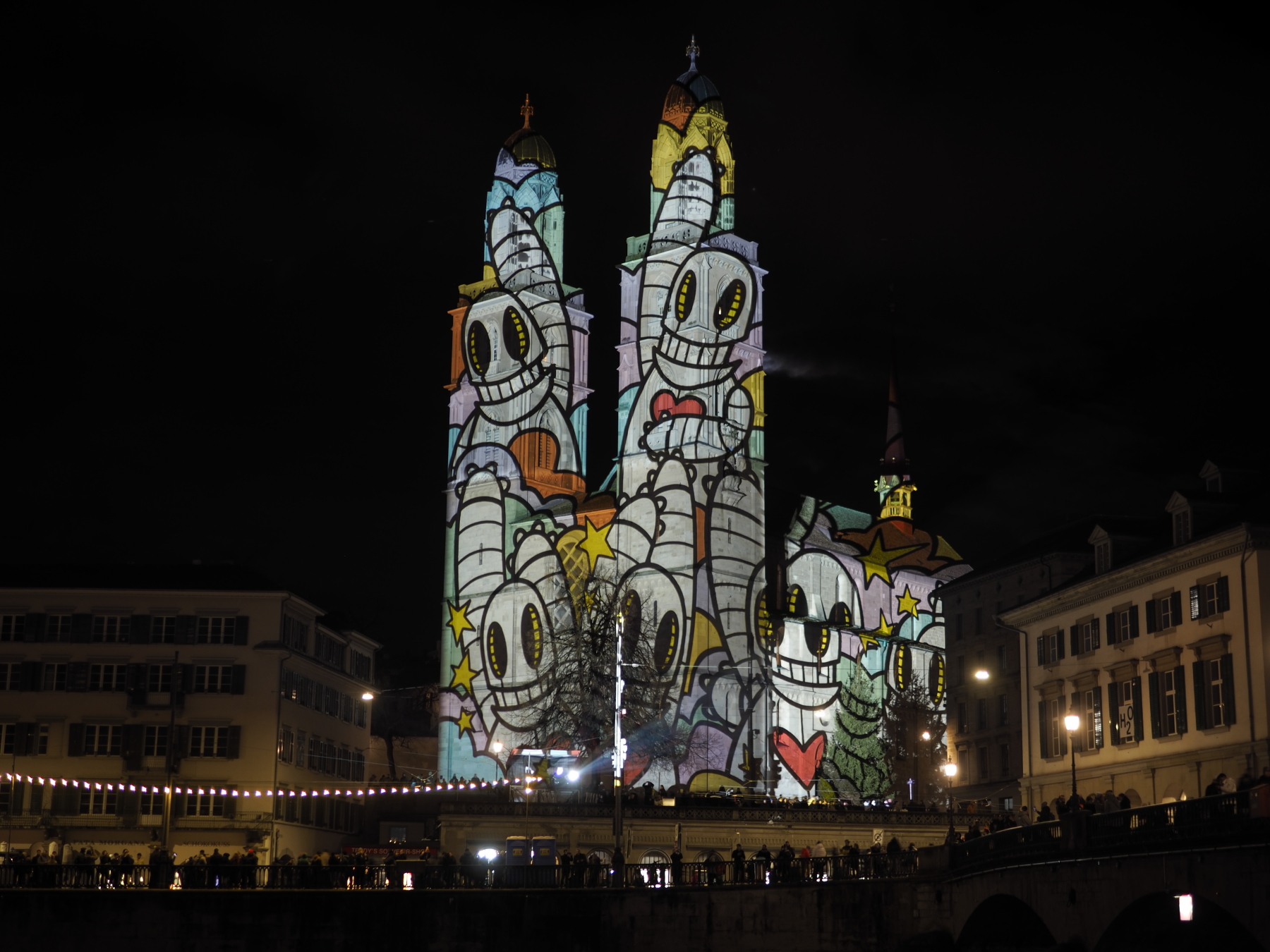
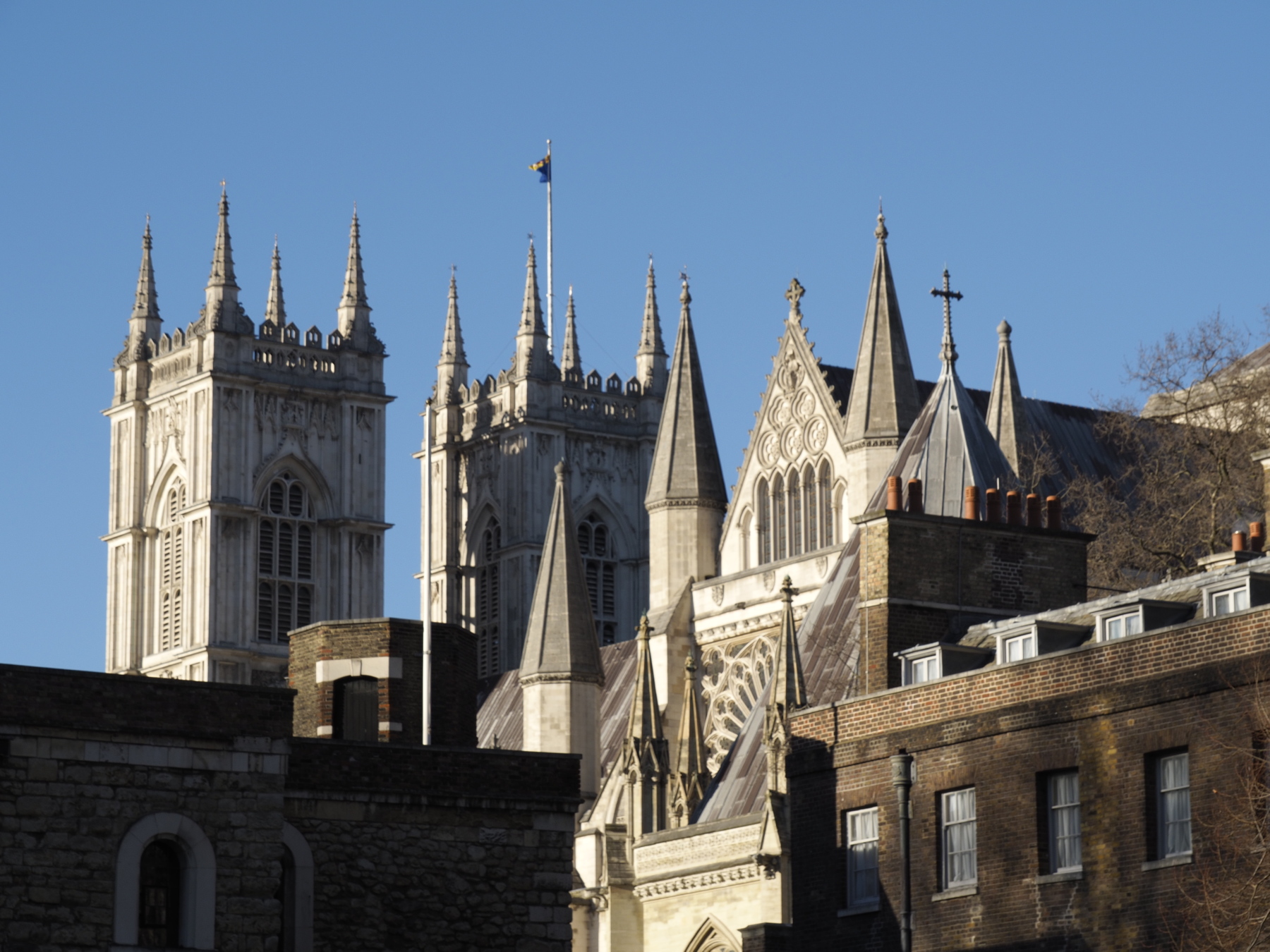
One option may be to do the northern safari and then fly into one of the conservancies for a few days for the in-depth lion/ cheetah visit.

What should we have done differently in Zanzibar and Mafia?

You never expect a place to have rats, but I would not go to the Mafia Beach Bungalows until they clean their problem up. They really didn’t seem to be concerned about it.

Overnight room temperatures of high 20’s or low 30’s are just too hot for us, even with a fan. We should have looked at a forecast and got an AC room. Mind you, I think we tried and didn’t succeed because we needed three rooms to house all of us over the busy Christmas and New Year’s season.

An AC room may also help with the rats because the rooms would be concrete instead of grass or mud.

Tipping

Tipping policies seem to vary between companies. A tip is expected in the tip box at each camp rather than tipping individual staff. And a guide is tipped handsomely at the end of the safari. The guidance varies from $10-$15/person per day, to the same amount per group per day. It would be important to understand the safari companies expectations as it will affect the total price.